Camping has given me some of my favorite memories, but it has also taught me a few lessons the hard way. I still remember one trip when a beautiful afternoon quickly turned into a rainy evening. My flashlight batteries died much sooner than I expected, my phone barely had enough charge to check the weather, and I realized how easily a relaxing adventure could become stressful without the right safety gear. That experience completely changed the way I prepare for every camping trip.
Quick Answer
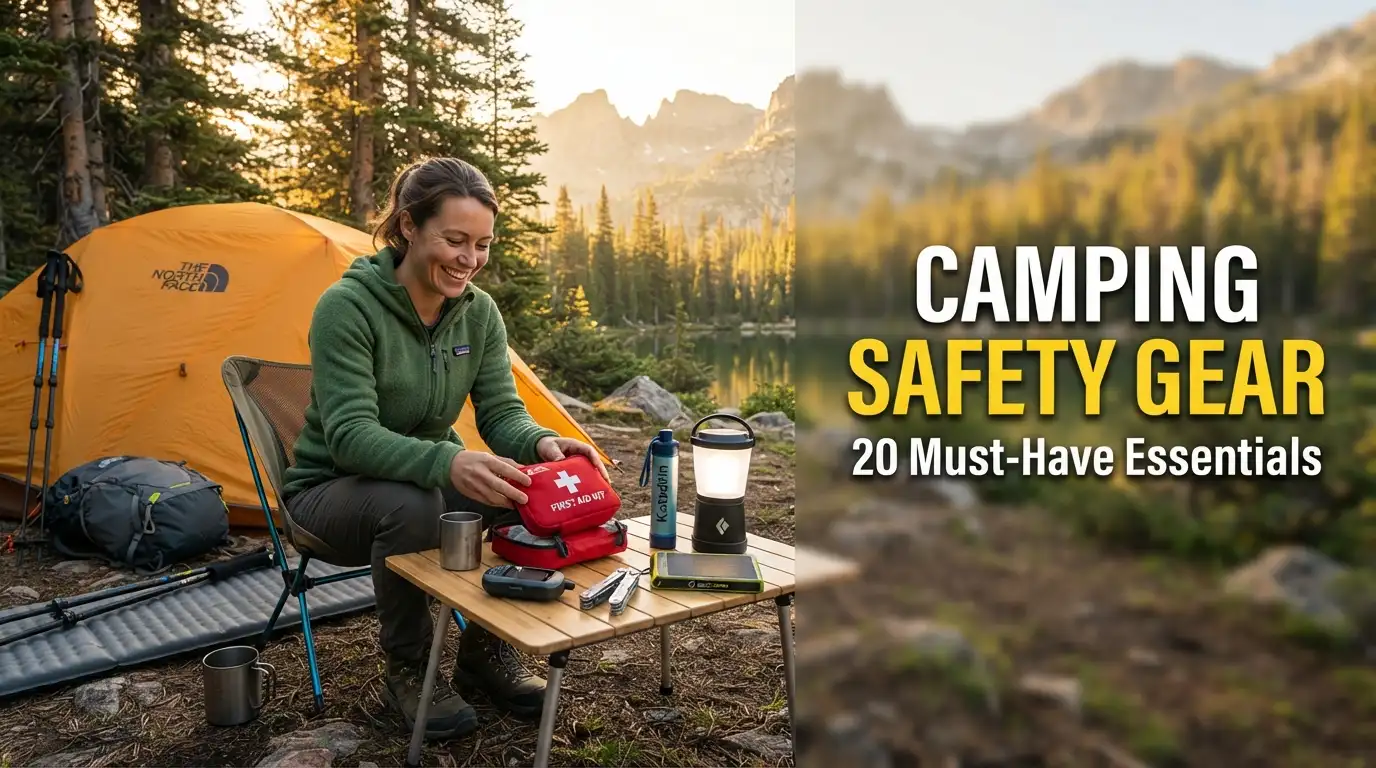
The best camping safety products include a portable water purifier, first aid kit, rechargeable LED lantern, GPS device, emergency whistle, survival blanket, fire starter, solar power bank, weather radio, and multi-tool. These essential items help campers stay prepared, handle emergencies, and enjoy a safer outdoor adventure.
Since then, I’ve tested a wide range of camping safety products on weekend getaways, mountain campsites, forest trails, and family camping trips. Some gadgets looked impressive online but turned out to be unnecessary, while others became permanent additions to my backpack because they genuinely made camping safer and more enjoyable.
In This Post
1. Portable Water Purifiers Make Every Campsite Safer
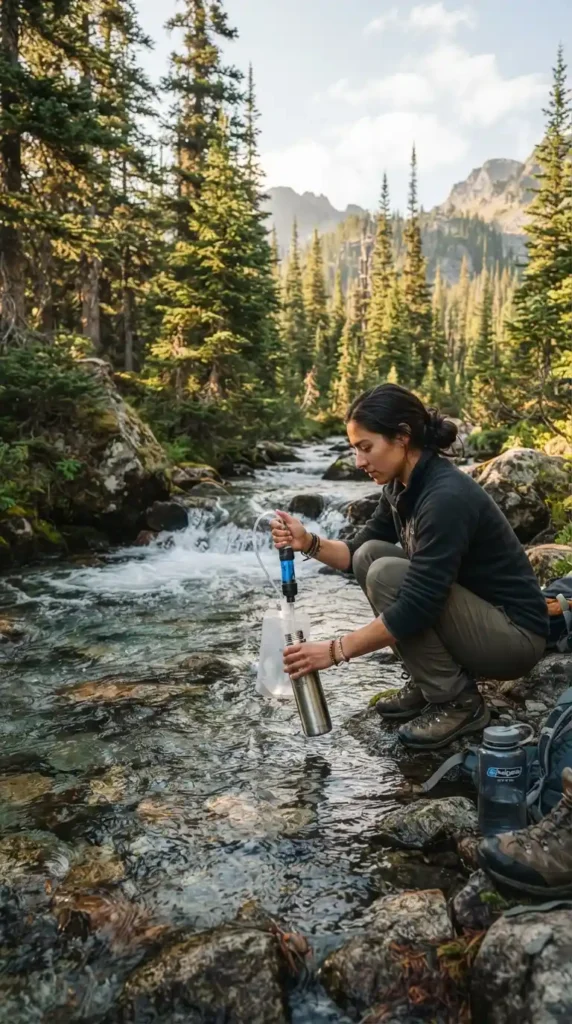
One of the biggest mistakes I made as a beginner camper was assuming that clear-looking water was always safe to drink. During one trip, I came across a beautiful mountain stream that looked crystal clear. Fortunately, another experienced camper advised me not to drink it without purification.
Portable water purifiers have become one of the most valuable safety products in my camping kit. Modern filtration bottles and compact purification systems remove harmful bacteria, parasites, and other contaminants without adding much weight to your backpack. Instead of carrying several heavy bottles of water, I now refill safely whenever I find a reliable natural water source.
Having access to clean drinking water reduces dehydration risks and allows you to stay outdoors longer without worrying about running out of supplies.
2. Rechargeable LED Lanterns Provide Reliable Light
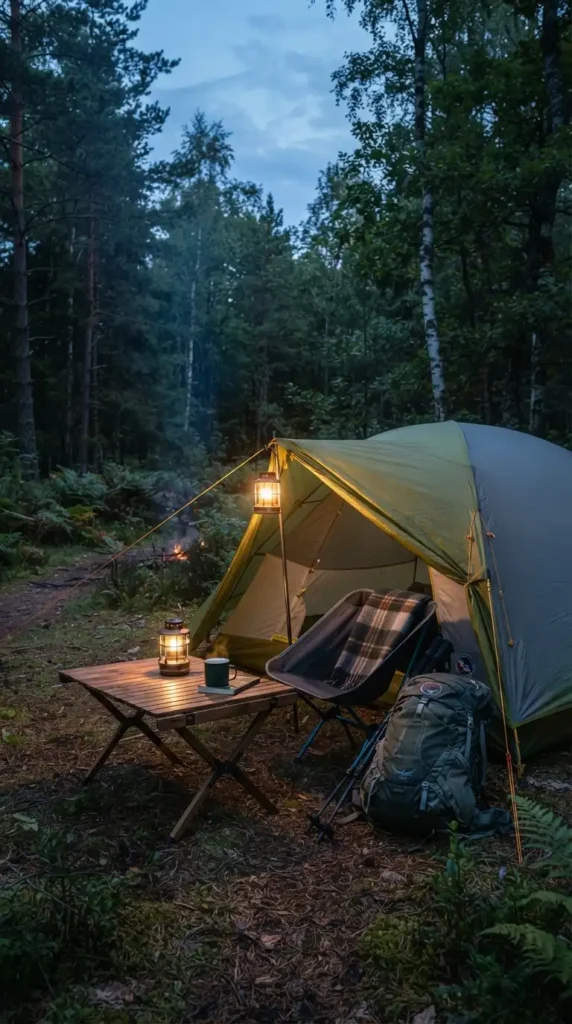
Poor lighting creates more problems than most people expect. Simple tasks like preparing dinner, organizing your tent, or walking to the restroom become surprisingly difficult in complete darkness.
After dealing with dim battery-powered lanterns on multiple trips, I switched to rechargeable LED lanterns with adjustable brightness settings. Many newer models include USB charging, long battery life, and even emergency flashing modes.
The biggest advantage isn’t just visibility. Good lighting helps prevent accidental falls, makes it easier to spot nearby wildlife, and allows you to respond calmly if something unexpected happens at night.
3. Personal Locator Beacons Add Peace of Mind
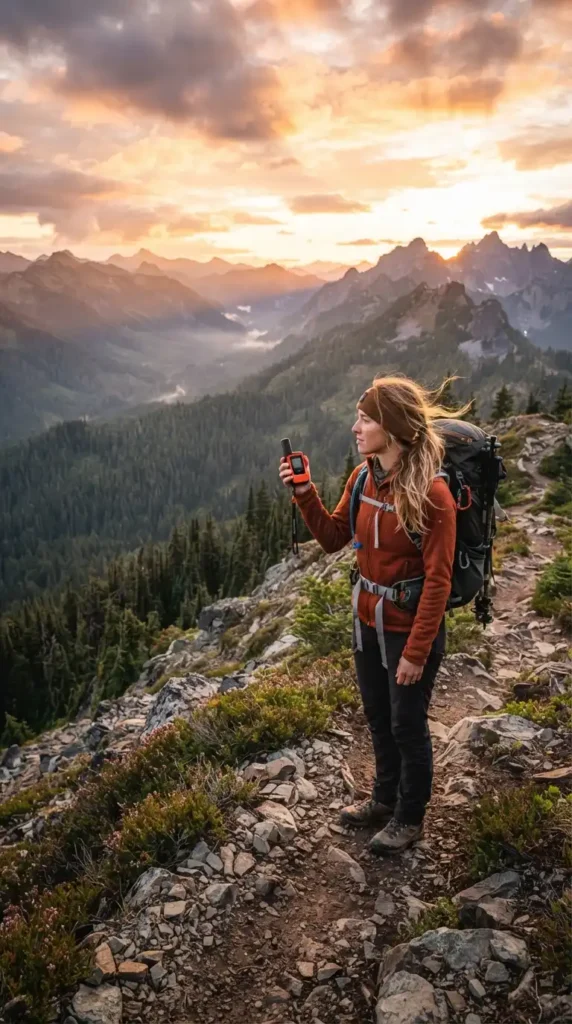
Many campsites are located far away from reliable mobile networks. I learned this during a remote camping trip where none of our phones had a signal for nearly two days.
A personal locator beacon can become your emergency communication tool when everything else fails. These devices allow you to send emergency distress signals through satellite networks if you face a life-threatening situation.
Thankfully, I’ve never needed to activate mine, but simply knowing it’s available gives me confidence when exploring more remote locations.
4. Modern First Aid Kits Are More Practical Than Ever
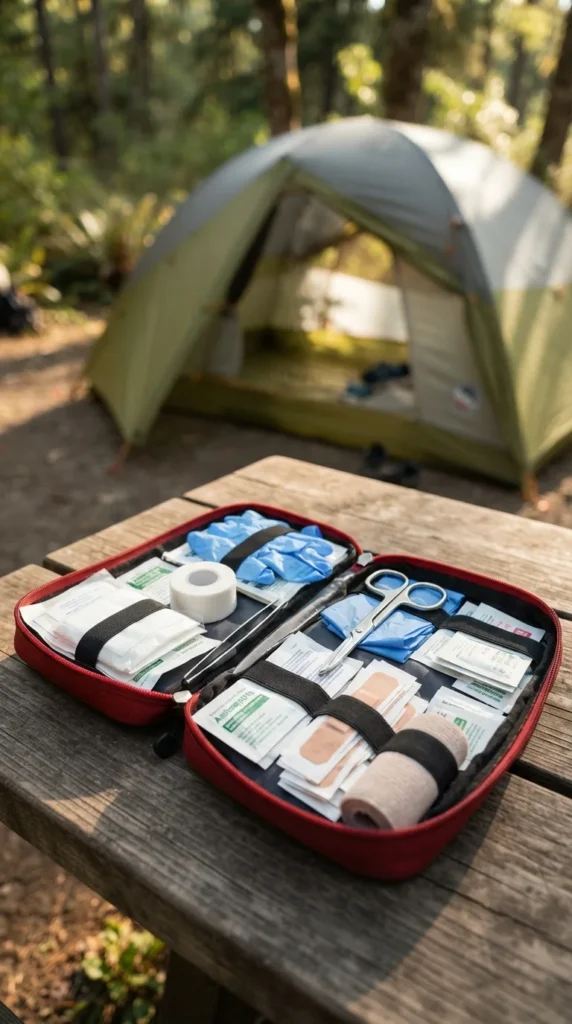
Every camper carries a first aid kit, but many people never check what’s actually inside.
After treating a deep cut from a cooking accident, I realized how important it is to carry a well-organized kit rather than a basic box of random supplies.
Today’s camping first aid kits often include waterproof bandages, blister treatment, antiseptic wipes, elastic wraps, burn gel, emergency gloves, tweezers, and clear instructions for handling common outdoor injuries.
Keeping everything organized saves valuable time during emergencies when every second matters.
5. Emergency Survival Blankets Can Be Life Savers
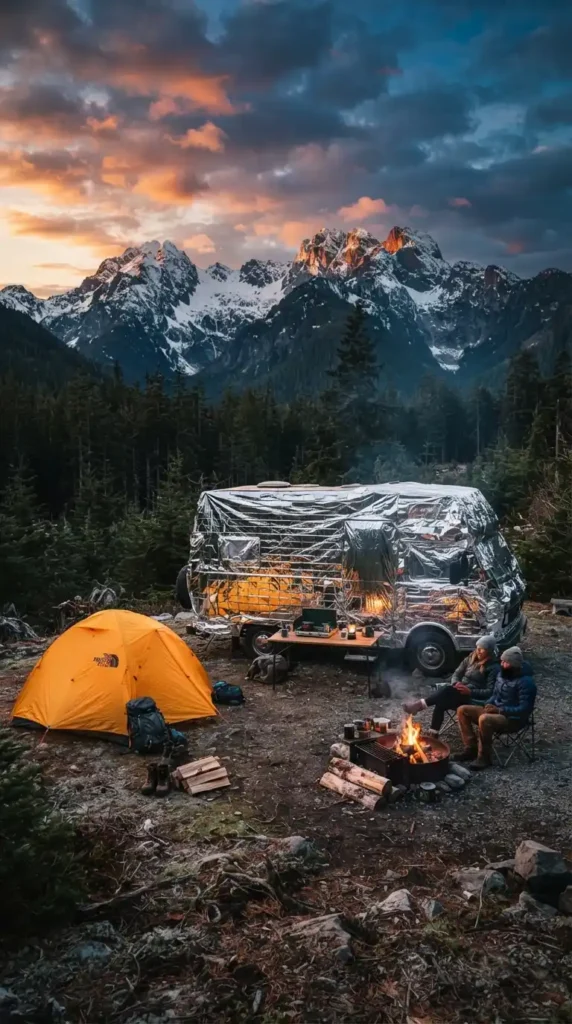
At first glance, emergency blankets look like thin sheets of shiny plastic. I honestly underestimated them until a cold mountain evening changed my opinion.
Temperatures dropped much faster than expected after sunset, and one member of our group began feeling extremely cold despite wearing several layers.
The emergency blanket helped retain body heat surprisingly well while we prepared additional shelter. Since then, I never leave for a camping trip without packing one because it weighs almost nothing but offers significant protection during unexpected weather changes.
6. GPS Navigation Devices Reduce the Risk of Getting Lost
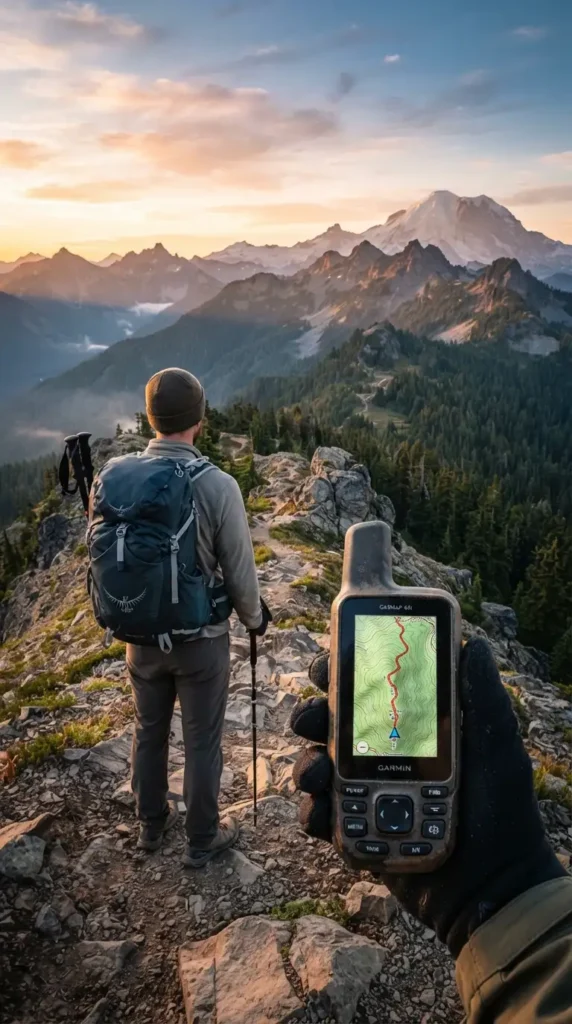
Phone maps work well until your battery dies or you lose your signal.
Dedicated GPS navigation devices continue working in remote areas where smartphones often fail. They allow you to save campsites, hiking trails, emergency routes, and important landmarks before leaving home.
Even experienced campers occasionally lose track of unfamiliar trails, especially after heavy rain or snowfall changes the landscape.
Reliable navigation tools help prevent unnecessary panic and allow you to return safely to camp.
7. Solar Power Banks Keep Essential Devices Running
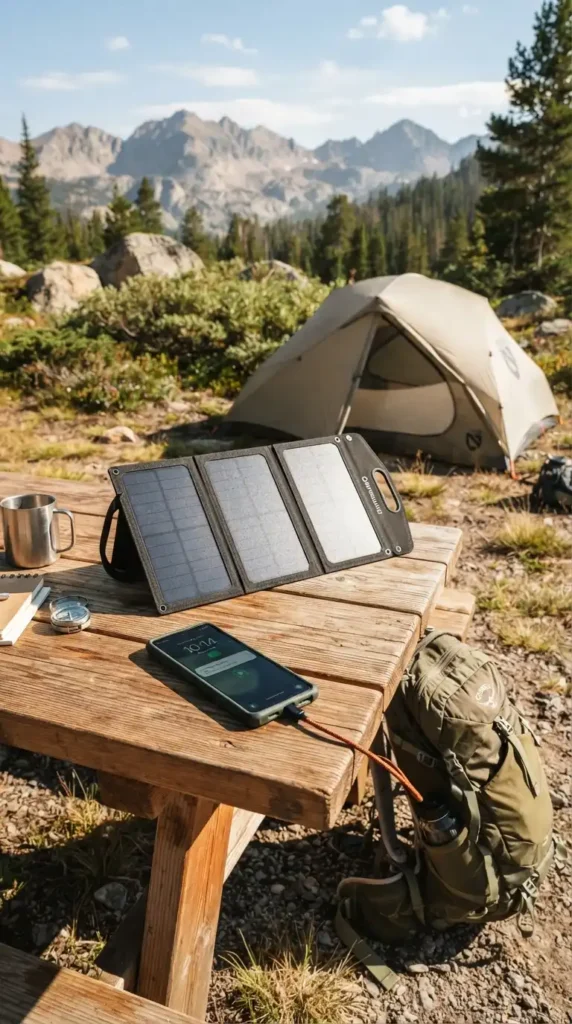
Running out of battery power isn’t just inconvenient anymore.
Many campers rely on smartphones for weather forecasts, offline maps, emergency contacts, and navigation apps. A dead phone can remove several important safety tools at once.
Solar power banks slowly recharge using sunlight during the day while also storing enough energy to recharge phones, GPS units, flashlights, and small camping electronics.
I’ve used one during multi-day camping trips where electrical outlets were completely unavailable, and it quickly became one of my favorite camping investments.
8. Compact Fire Starters Work Better Than Matches
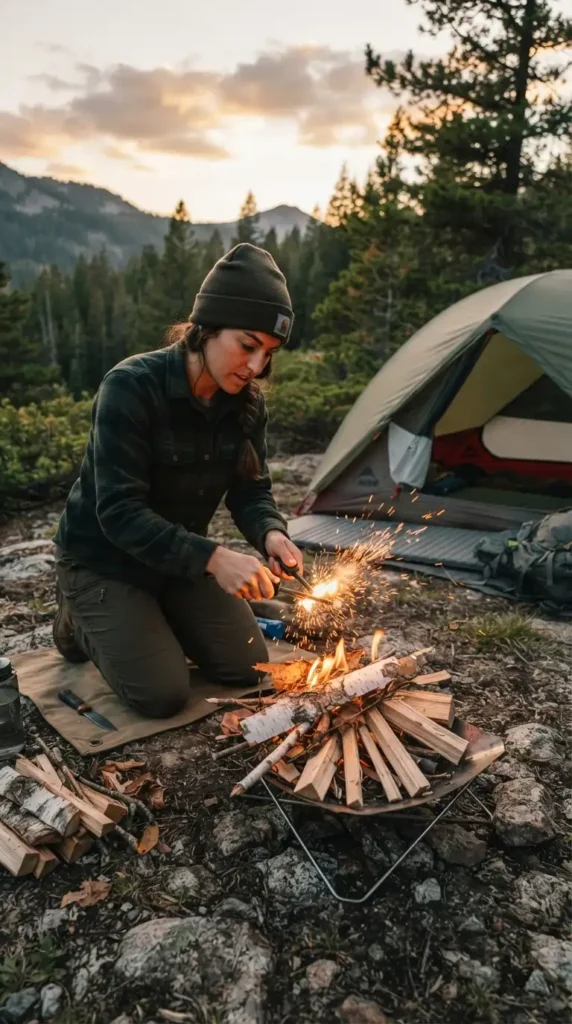
I used to carry ordinary matches until moisture ruined them during one rainy weekend.
Since then, I’ve switched to ferro rods and waterproof fire starters that continue working even in damp conditions.
Building a reliable campfire provides warmth, allows safe cooking, and can become an important emergency resource if temperatures suddenly drop.
Learning how to use these fire starters before your trip is equally important because they require slightly different techniques than traditional matches.
9. Smart Headlamps Improve Night Safety
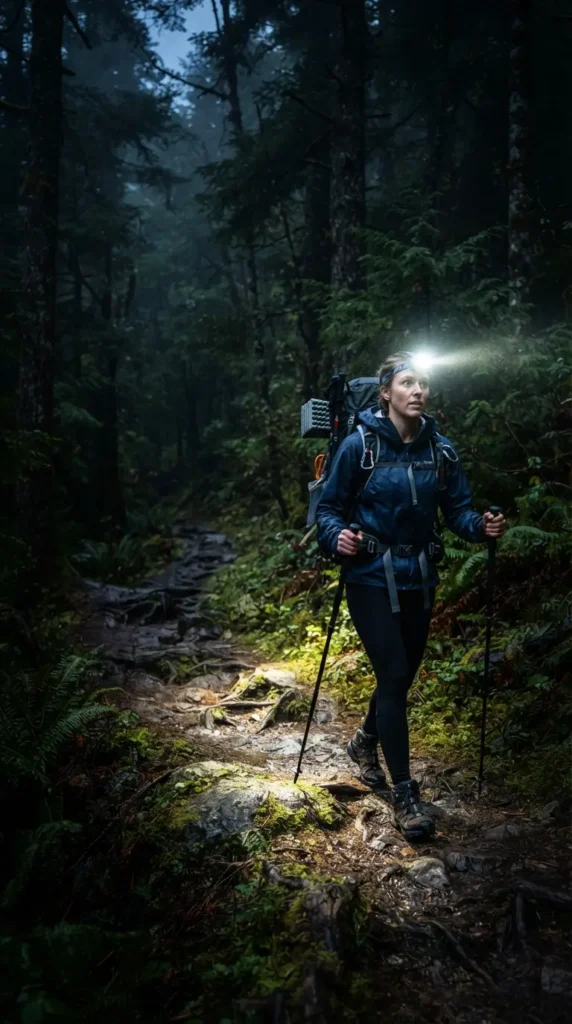
Walking through a dark campsite while holding a flashlight isn’t ideal when your hands are full.
A quality headlamp keeps both hands available for setting up tents, preparing food, or climbing uneven trails after sunset.
Many newer models automatically adjust brightness depending on surrounding conditions and include red-light modes that preserve night vision without disturbing other campers.
Small features like these make camping both safer and more comfortable.
10. Carbon Monoxide Detectors Protect Tent Campers
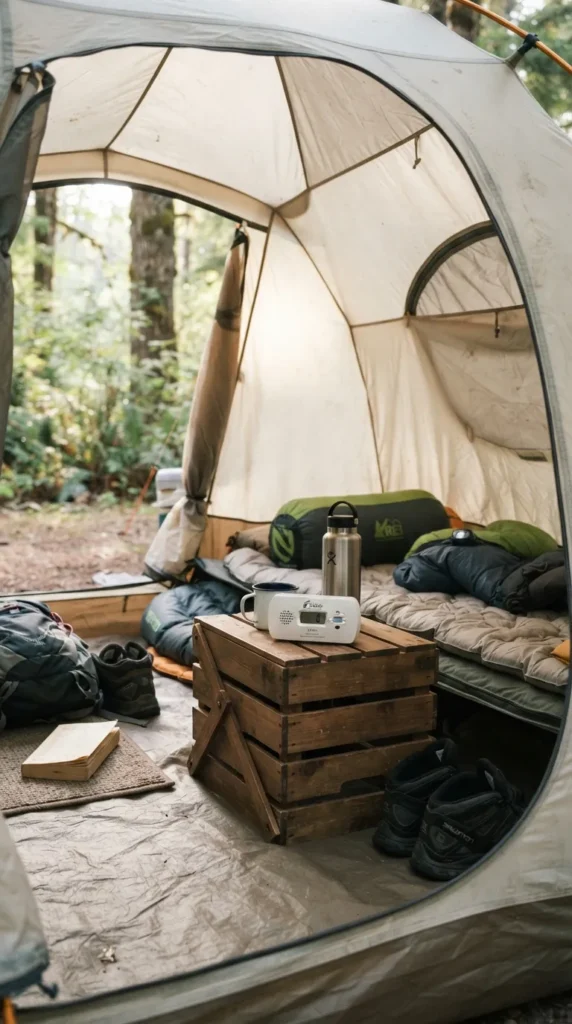
Portable heaters have become increasingly popular for cold-weather camping, but they also introduce additional risks if used improperly.
Compact carbon monoxide detectors provide an extra layer of safety by warning campers if dangerous gas levels begin building inside enclosed shelters.
Although proper ventilation should always remain the priority, these detectors offer valuable peace of mind during winter camping trips.
11. Emergency Weather Radios Keep You Informed
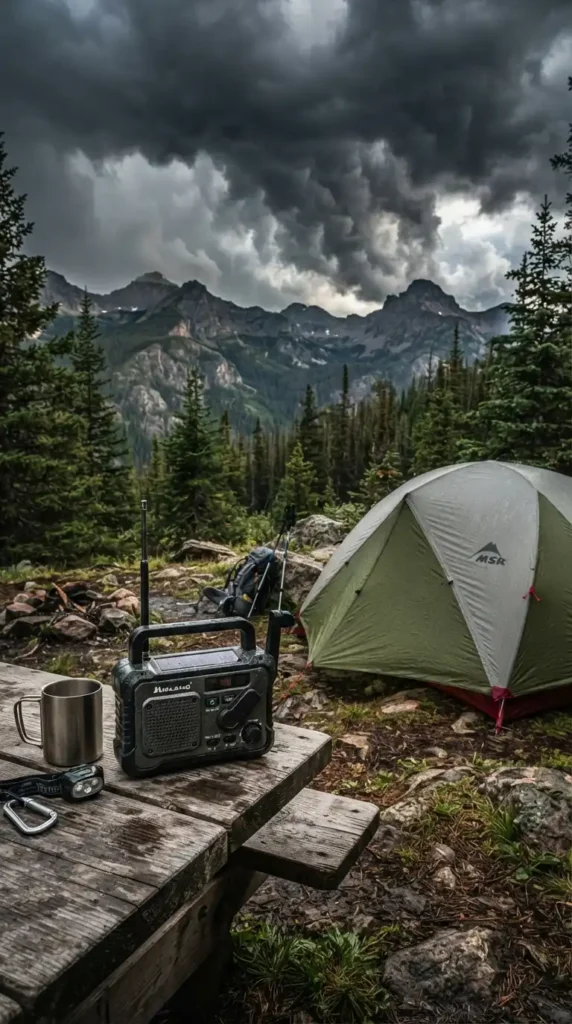
Weather can change surprisingly fast outdoors.
One afternoon, dark clouds appeared much earlier than expected while we were setting up camp near a lake. Because we carried a weather radio, we received severe storm warnings before the rain arrived and safely moved our campsite to higher ground.
Modern weather radios often include hand-crank charging, solar charging, flashlights, USB charging ports, and emergency alert systems, making them useful even beyond weather updates.
12. Bear-Proof Food Containers Prevent Wildlife Encounters
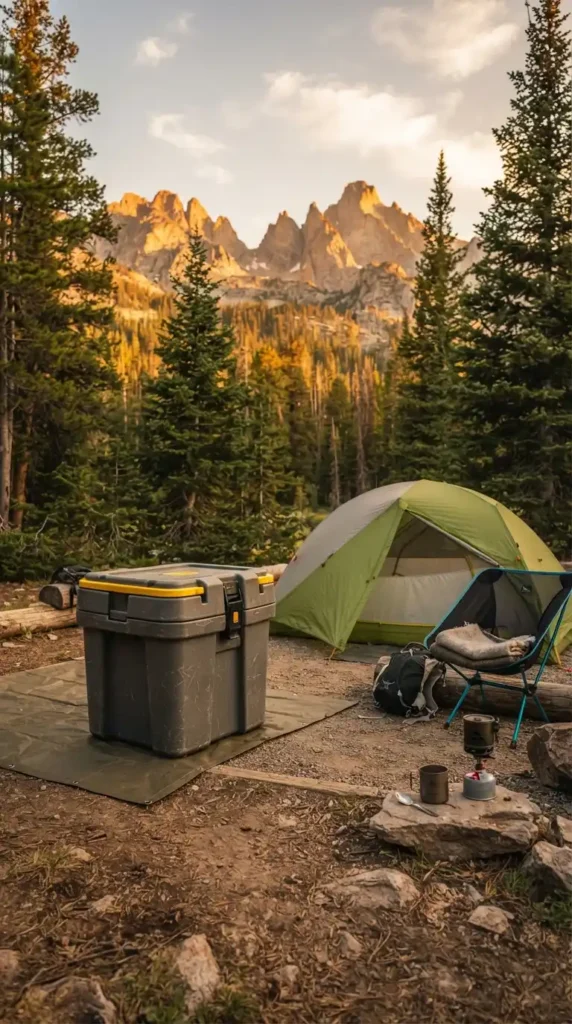
One of the easiest ways to attract wildlife is by storing food carelessly.
I once watched raccoons empty a neighboring campsite after campers left snacks inside an unlocked cooler overnight.
Bear-resistant food containers and odor-resistant storage systems help reduce wildlife encounters while protecting both campers and animals.
Keeping food properly stored has become one of the simplest safety habits I follow.
13. Portable Smoke Detectors Add Extra Protection
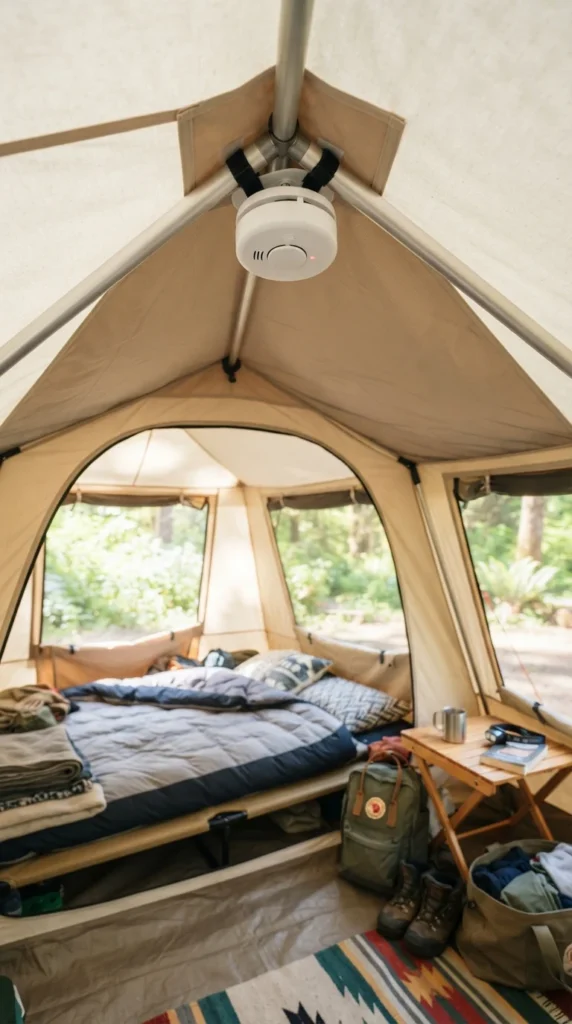
Camping equipment has improved significantly over the years, and portable smoke detectors are another helpful addition for larger family tents and enclosed camping shelters.
Although campfire safety should always come first, having an early warning system offers additional reassurance during extended camping trips.
They are lightweight, battery-powered, and surprisingly easy to install.
14. Multi-Tool Emergency Devices Save Valuable Space
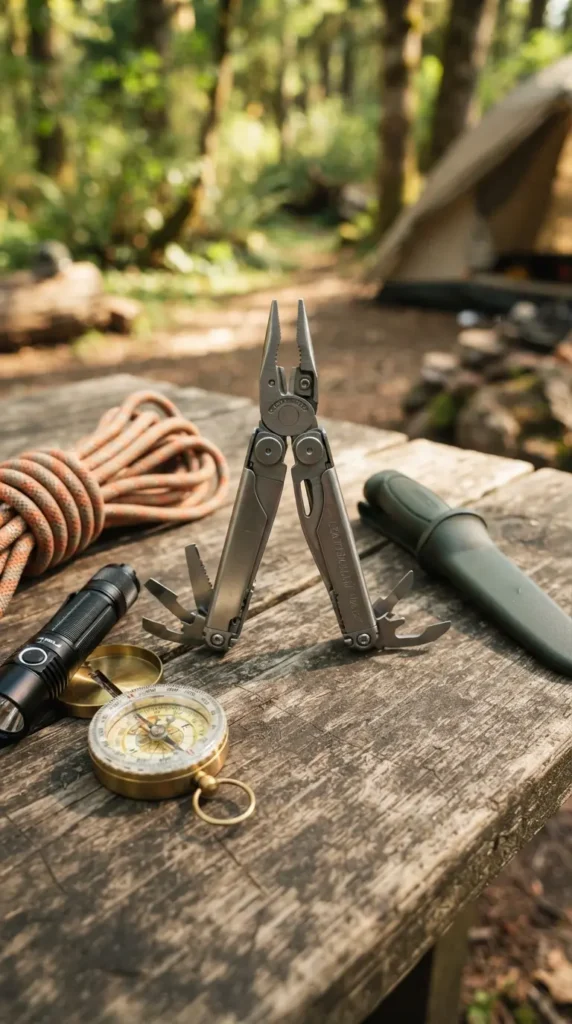
Instead of carrying several separate tools, I now pack one high-quality multi-tool.
It includes pliers, knives, screwdrivers, scissors, wire cutters, bottle openers, and other useful functions that regularly solve small camping problems.
Whether repairing broken tent poles, adjusting cooking equipment, or preparing emergency repairs, a reliable multi-tool often becomes one of the most frequently used items in camp.
15. Portable Air Quality Monitors Improve Camp Comfort
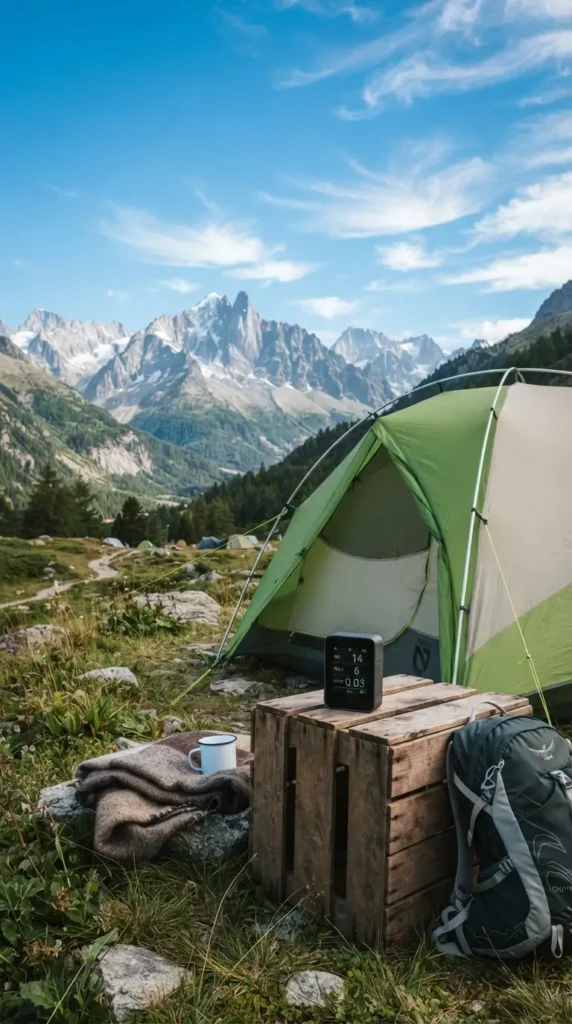
Wildfire smoke has become a growing concern in many camping regions.
Portable air quality monitors help identify unhealthy conditions before symptoms become noticeable.
While they aren’t necessary for every trip, they’ve become increasingly useful during camping seasons affected by wildfire activity.
Knowing when air quality begins declining allows campers to make better decisions about outdoor activities.
16. Waterproof Dry Bags Protect Important Gear
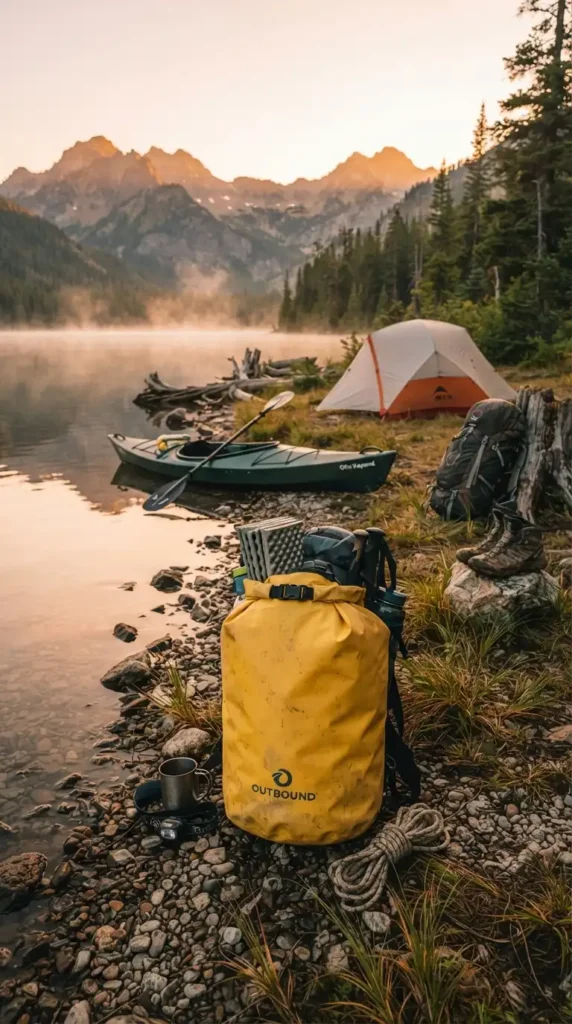
Nothing is more frustrating than discovering soaked clothing, damaged electronics, or wet sleeping bags after unexpected rain.
Waterproof dry bags provide simple protection for clothing, documents, cameras, phones, and emergency supplies.
During one kayaking and camping weekend, nearly everything inside my backpack stayed completely dry because I packed critical gear inside waterproof storage bags.
That experience convinced me to use them on every camping trip regardless of the weather forecast.
17. Emergency Whistles Are Small but Powerful
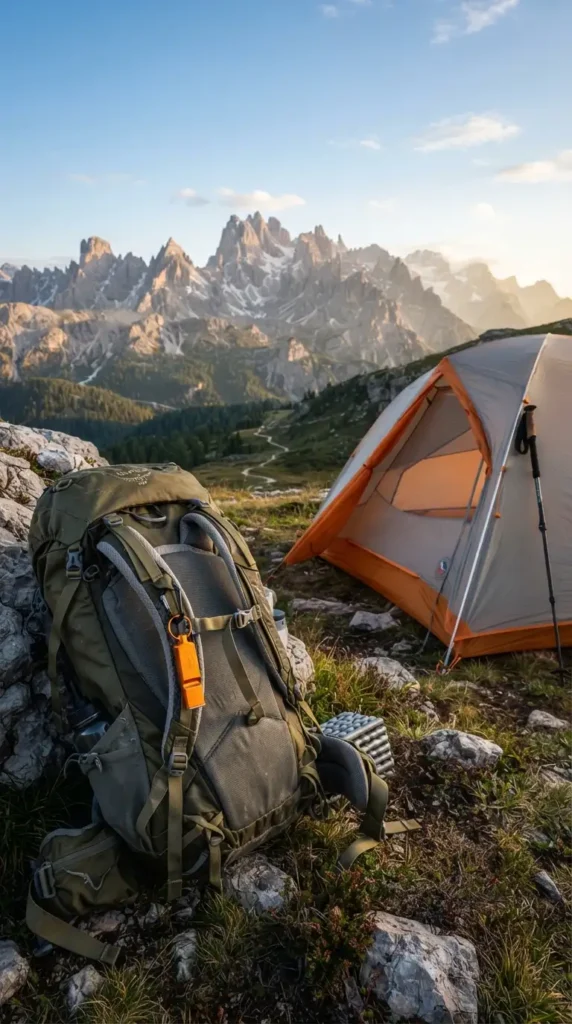
People often overlook emergency whistles because they seem too simple.
However, whistles travel much farther than shouting and require far less energy during emergencies.
If someone becomes injured or separated from the group, a whistle provides an easy way to attract attention without exhausting yourself.
I attach one directly to my backpack so it’s always within reach.
18. Smart Mosquito Repellent Devices Improve Outdoor Safety
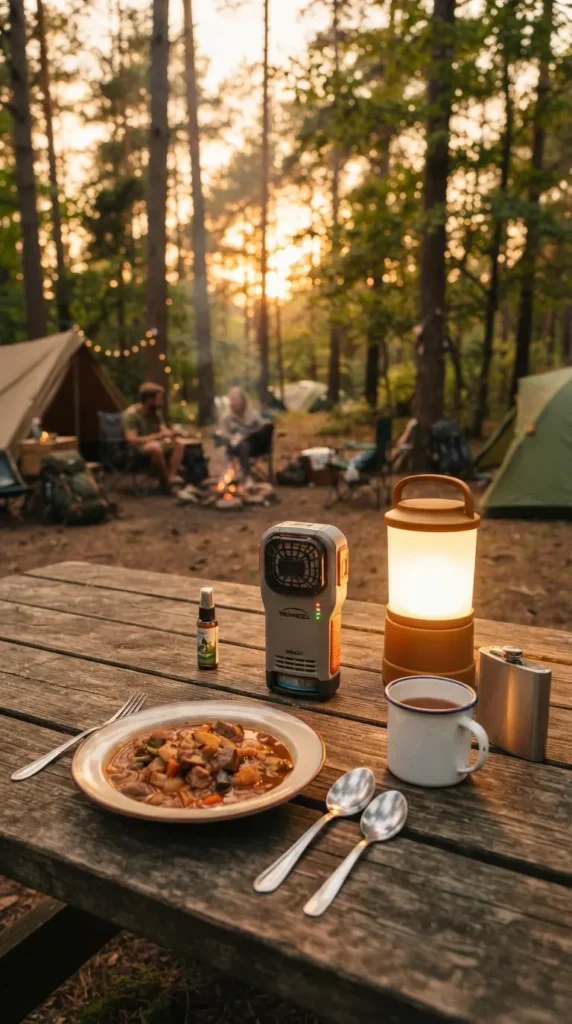
Mosquito bites aren’t just uncomfortable.
In some areas, insects can carry diseases or cause severe allergic reactions.
Battery-powered mosquito repellent devices create small protective zones around campsites without relying entirely on sprays or lotions.
While I still pack traditional insect repellent, these devices noticeably improve comfort during evenings near lakes and forests.
19. Reflective Tent Guy Lines Reduce Night Accidents
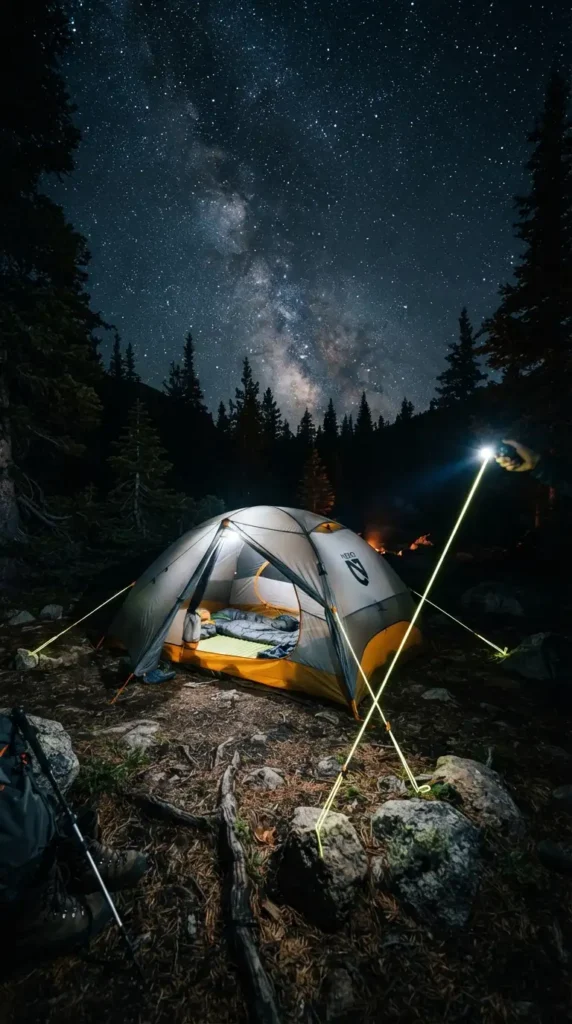
I can’t count how many times I’ve accidentally tripped over ordinary tent ropes after dark.
Reflective guy lines almost completely solved that problem.
Even a small flashlight or headlamp easily reflects off the material, making tent lines much easier to see during nighttime walks around camp.
Sometimes the simplest products provide the biggest improvements.
20. Smart Camping Apps Work Alongside Safety Gear
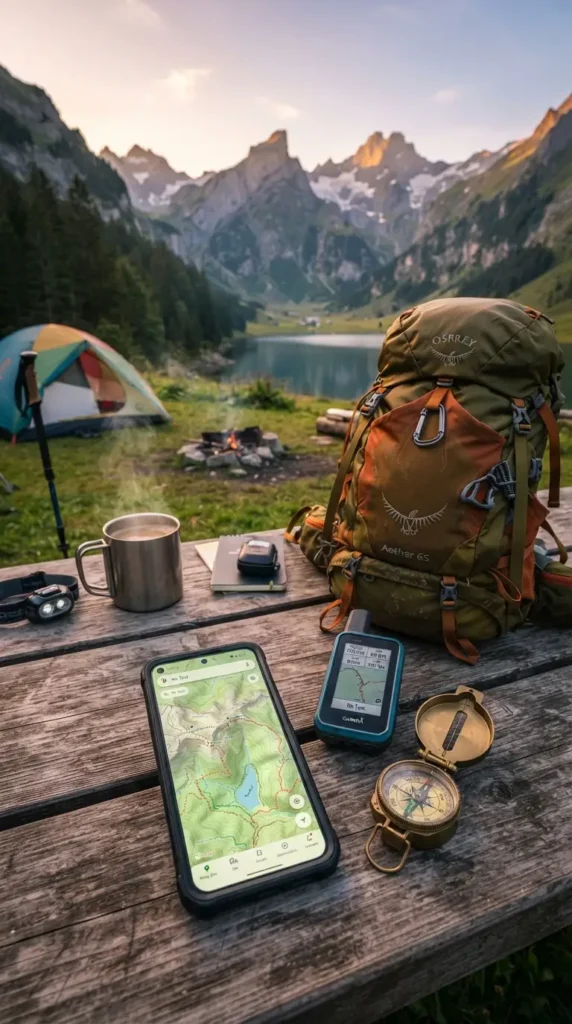
Physical equipment remains essential, but modern camping apps have become valuable companions before and during trips.
Apps like Gaia GPS, AllTrails, and offline weather services allow campers to download maps, monitor changing conditions, record hiking routes, and locate nearby campsites before losing internet access.
I always download everything before leaving home because relying on live internet in remote areas rarely works as planned.
Technology isn’t a replacement for good preparation, but it certainly makes planning easier and safer when used responsibly.
Choosing Safety Products That Actually Matter
One lesson I’ve learned over the years is that buying more equipment doesn’t automatically make you a better camper.
The most useful camping safety products are the ones you understand, practice using, and carry consistently on every trip. Even the most advanced gadget becomes useless if its battery is dead or you don’t know how it works.
Before every adventure, I spend a few minutes checking batteries, updating offline maps, testing emergency equipment, and making sure my first aid supplies are complete. That small routine has helped me avoid countless problems that could have ruined an otherwise enjoyable camping experience.
Camping is meant to be relaxing, memorable, and rewarding. With the right safety products and a little preparation, you can spend less time worrying about unexpected situations and more time enjoying fresh air, beautiful landscapes, and unforgettable moments around the campfire.
Final Thoughts
Camping has taught me that staying safe isn’t about carrying the most expensive gear—it’s about being prepared for the unexpected. Over the years, I’ve realized that even simple products like a reliable headlamp, a water purifier, or an emergency whistle can make a huge difference when things don’t go as planned. These tools don’t just solve problems; they help prevent them in the first place.
Whether you’re heading out for your very first camping trip or you’re already an experienced outdoor enthusiast, investing in the right safety products is always worthwhile.