
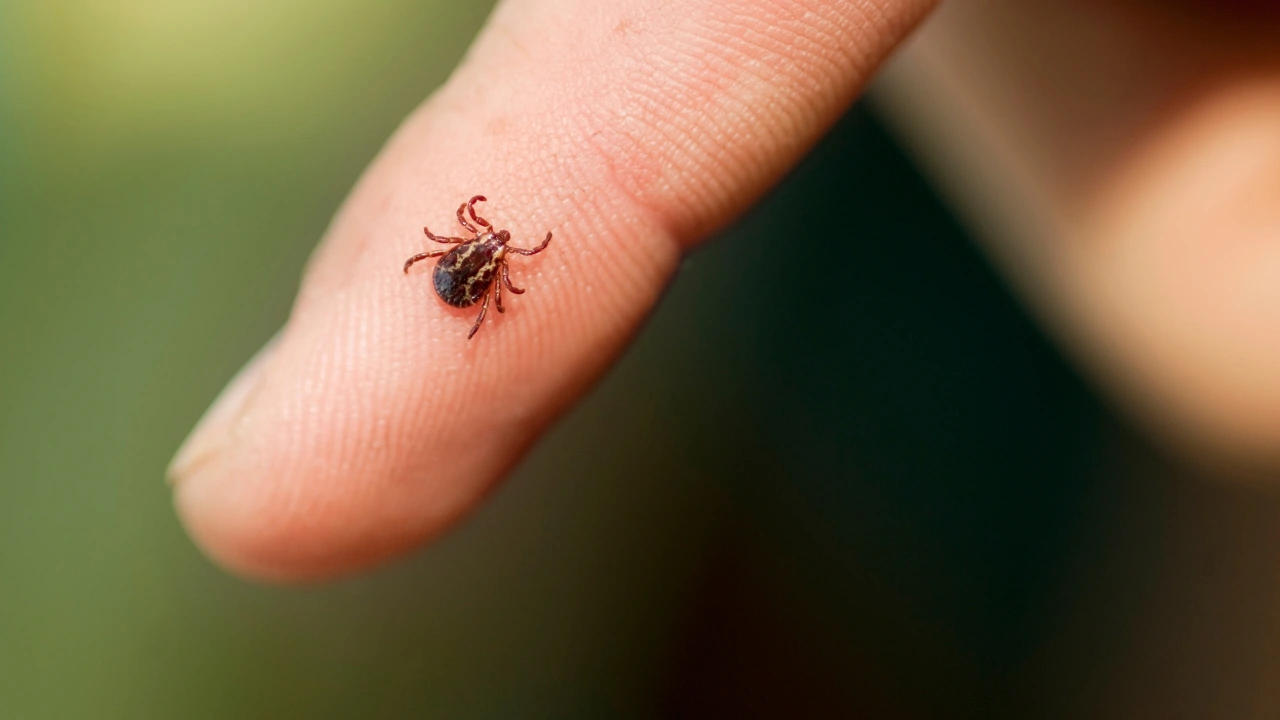
Hiking is a refreshing way of connecting with nature, exercising, and clearing your head simultaneously. However, one of the downsides to exploring the great outdoors is the risk of encountering ticks as a result. You need to know how to get rid of these tiny arachnids so you will be able to prevent them from posing a threat to your health. The purpose of this comprehensive guide is to provide you with practical strategies to help you avoid tick bites on your hiking trips so that you can stay tick-free.
Key Takeaways
- Tick Habitats: Understanding tick behavior and habitats enhances preventive measures.
- Protective Measures: Proper clothing and tick repellents are critical for prevention.
- Post-Hike Practices: Effective post-hike routines minimize tick-borne disease risks.
In This Post
Understanding Ticks
What Are Ticks?
A tick is a small, blood-sucking parasite that belongs to the arachnid family, which means that it is related to both spiders and mites and has a blood-sucking ability. They feed on the blood of animals and humans by latching onto them and feeding on their blood, which can lead to various health problems. The first step in preventing tick bites and the diseases they can transmit is to understand ticks and their habits to avoid them. The tick lifecycle has four distinct stages: the egg, the larva, the nymph, and the adult stage. The progression of the organism through each stage requires a blood meal to proceed. This species can adapt to many habitats but prefers humid, wooded areas because of their high adaptability. By understanding their behavior and environment, you can take the necessary precautions to avoid them during outdoor activities, empowering you to stay tick-free.
Common Types of Ticks
Ticks typically include black-legged ticks (also known as deer ticks), Lone Star ticks, and American dog ticks, but there are a variety of other species you are probably likely to encounter while hiking. Depending on the species, each can carry a different pathogen, making them dangerous in various ways. For example, the black-legged tick is renowned for transmitting Lyme disease, whereas the Lone Star tick, on the other hand, can cause ehrlichiosis, an allergic reaction to red meat, and even anemia. Rocky Mountain spotted fever is transmitted by the American dog tick, which is the disease’s primary vector. The more you know about the specific types of ticks in your area and their associated risks, the better prepared you will be for your outdoor adventures. To be able to identify them more easily, it is also helpful to understand their physical characteristics. Compared to the other two tick species, the black-legged tick is more minor and has a distinctive pattern on its back resembling a shield.
Where Do Ticks Live?
The tick thrives in wooded areas, tall grasses, and shrubs with dense undergrowth. Several species of this parasite are particularly fond of humid environments, so they are often found along trails and in meadows where they can quickly attach themselves to passing hosts. When they need to find hosts, they use a behavior called “questing,” where they climb up grasses and shrubs and wait with their legs outstretched until a host brushes past them, locating their hosts. Due to this, they are ubiquitous along hiking trails, especially in regions with a lot of vegetation. Moreover, ticks are often found buried in leaf litter and at the edges of forests, where they have access to a high humidity level and a wide range of potential hosts. Hikers are advised to be aware of the preferred habitats of these animals to avoid these areas or to take extra precautions when navigating through them. If you stay on well-maintained trails and avoid overgrown areas, you can significantly reduce your risk of encountering ticks while hiking.
Risks Associated with Ticks
Tick-Borne Diseases
Ticks can transmit diseases, such as Lyme disease, carried primarily by black-legged ticks. However, it is not the only disease ticks can transmit. The Rocky Mountain spotted fever, anaplasmosis, and babesiosis are other tick-borne illnesses that may affect you. If not treated promptly, these diseases can have profound health implications if not treated on time. It has been shown that if left untreated, Lyme disease can lead to chronic joint inflammation, neurological problems, and heart complications, as well as other health issues. The Rocky Mountain spotted fever can be fatal if it is not treated within a few days of the first appearance of symptoms. Infections such as anaplasmosis and babesiosis can be severe, resulting in symptoms such as flu-like illness and severe organ damage. Early detection and treatment of these diseases require awareness of their symptoms. The risk of tick-borne diseases isn’t present in all ticks, but it’s significant enough that precautions should always be taken.
Symptoms of Tick Bites
It is common for tick bites to be painless, and the ticks can remain attached for days, increasing the risk of disease transmission. Several symptoms are associated with tick bites, including fever, chills, headache, fatigue, muscle and joint aches, and a distinctive rash (often resembling a bullseye in the case of Lyme disease). Awareness and vigilance are crucial because early symptoms are usually non-specific and can be mistaken for other illnesses. Severe joint pain, neurological disorders, and heart problems can sometimes result from symptoms. After a hike, if you notice any unusual symptoms, especially if you have a tick bite, seek medical attention as soon as possible. The early treatment of tick-borne diseases with antibiotics can prevent long-term complications.
Preparation Before Hiking
Choosing the Right Clothing
Wearing the proper clothing is one of the best ways to prevent tick bites. You can avoid ticks by wearing long sleeves and long pants and tucking your pants into your socks. You can spot ticks more quickly if you wear light-colored clothing. Further protection can be provided by wearing a hat and tucking in your shirt. Ticks may have a more challenging time penetrating if you wear clothes made of tightly woven fabric. Clothing can also be treated with permethrin, a synthetic insect repellent that remains effective after repeated washings. The proper clothing protects you not only from ticks but also from other insects and sun exposure, enhancing your hiking experience.
Using Tick Repellents
Use a tick repellent containing DEET, picaridin, or permethrin. It is possible to keep ticks at bay with the help of these substances. For the best protection, follow the instructions on the label. Permethrin is intended for use on clothing and gear, while DEET and picaridin can be applied directly to the skin. Applying repellent to exposed skin and clothing creates a double barrier against ticks. When hiking for an extended period or sweating heavily, reapply repellent as directed. Essential oils can be used as alternatives to chemical repellents but may not be as effective. Be sure to test the repellent on a small skin patch before using it.
Pre-Treatment of Clothes and Gear
Use permethrin, an insect repellent for fabrics, on your clothing and gear. Especially useful for frequent hikers, this provides an additional layer of protection. Despite repeated washings, permethrin bonds to fabric fibers and remains effective. The product is odorless and safe for most people but should not be applied directly to the skin. Pay attention to where ticks may crawl on your hiking boots, socks, pants, and shirt. Please make sure the treated items are dehydrated before wearing them. You can also purchase pre-treated clothing from outdoor retailers if you prefer to avoid treating items yourself. This method is beneficial for long hiking trips, where it may be challenging to reapply repellent.
During the Hike
Staying on Clear Trails
Stay on trails and avoid brushing against high grass, bushes, and overhanging branches. Ticks are often found in these areas, waiting for their hosts to pass by. Keep to well-maintained paths to minimize tick exposure. If you must go off-trail, move cautiously and avoid dense vegetation. Don’t touch foliage unnecessarily, and stay aware of your surroundings. You are not only reducing your risk of exposure to ticks, but you are also preventing damage to fragile ecosystems. Use a walking stick to push vegetation aside to navigate overgrown areas.
Avoiding High Grass and Bushes
There is no better place for ticks to hang out than tall grass and thick underbrush. The more you avoid these areas, the less likely you are to come into contact with them. You should prevent shortcuts through dense vegetation and stick to clear well-defined paths. Rather than sitting directly on grass or leaves while you rest, choose a rock or a bare patch of ground. Because they provide moisture and cover, high grass and bushes are prime tick habitats. You can significantly reduce your risk of tick bites by staying away from these areas. When you exit such regions, check your body for ticks immediately.
Regular Tick Checks
Check yourself, your children, and your pets for ticks every few hours during your hike. Under the arms, around the ears, inside the belly button, behind the knees, and in the hair are areas where ticks like to hide. Using a buddy system will help you see hard-to-see regions of your partner. Tick checks can help you find and remove ticks before they can attach and feed. It is essential in areas with high tick populations or during long hikes. Remove ticks promptly using proper techniques to reduce the risk of disease transmission.
After the Hike
Thorough Body Check
If you have a tick problem, check your body thoroughly once you get home. Use a mirror to inspect hard-to-see areas to ensure you don’t miss any spots. Pay particular attention to the scalp, underarms, groin, and behind the knees. When inspecting for ticks, take your time because they are small and can easily be overlooked. Having a partner to help you check areas you can’t see would be helpful. You should remove ticks immediately with fine-tipped tweezers and follow proper removal procedures to minimize the risk of infection. You can significantly reduce the chances of a tick-transmitting disease by performing a detailed check soon after your hike.
Showering Soon After the Hike
When you shower within two hours of coming indoors, you can wash off any unattached ticks and spot them more easily. Showering can dislodge ticks that have not yet been attached and allow you to examine your skin thoroughly. With a washcloth, scrub areas where ticks are likely to attach, such as behind the ears, underarms, and groin. The warm water can also help you relax after a long hike, providing a hygienic and soothing effect. Showering shortly after hiking is the best way to reduce tick bites and tick-borne diseases.
Washing and Drying Clothes Properly
Ticks on hiking clothes can be killed by washing them in hot water and drying them on high heat. While ticks can survive a warm or cold wash cycle, high temperatures will kill them. Dry your clothes in the highest heat setting for at least 10 minutes to ensure ticks are killed. To prevent ticks from infesting your home, you must take this step. Consider soaking delicate items in hot water before washing if they can’t be dried on high heat. You can protect your living space from tick infestation by adequately treating your clothes after a hike.
Removing a Tick
Steps to Remove a Tick Safely
The best way to remove a tick from your skin is to do so promptly and correctly. Grasp the tick as close to the skin’s surface as possible with fine-tipped tweezers. Make sure you pull upward with steady, even pressure. Twisting or jerking the tick can cause the mouth-parts to break off and remain in the skin. Try to remove the remaining tick parts with the tweezers if they are left inside the skin. Leave the area alone if you cannot, and let the skin heal on its own. Using rubbing alcohol, an iodine scrub, or soap and water, clean the bite area and your hands after removal. When ticks are adequately removed, disease transmission and infection risk are minimized.
What to Do After Removing a Tick
Clean the bite area and your hands with rubbing alcohol or soap and water after removing the tick. Ticks can be disposed of by submerging them in alcohol, placing them in sealed bags or containers, wrapping them in tape, or flushing them down the toilet. It would help if you never crushed a tick with your fingers. Monitor the bite site for several weeks for signs of a rash or other symptoms. Inform your healthcare provider if you develop a rash, fever, or flu-like symptoms after being bitten by a tick. If you need medical attention later, keeping a record of the bite, including the date and location, is helpful. Tick-borne illnesses must be detected and treated early.
Preventing Tick Infestation
Keeping Your Yard Tick-Free
You should keep your lawn short, remove leaf litter, and create a wood chips or gravel barrier between it and wooded areas. Ticks are less likely to establish themselves near your home this way. Using tick control products, like acaricides, can help you keep your yard tick-free. Mow the lawn regularly to create a less hospitable environment for ticks. Please keep your pet’s outdoor areas clean and treat them with tick preventatives recommended by your veterinarian. Creating a tick-free zone around your home is possible to significantly reduce the risk of tick bites for you and your family.
Protecting Pets from Ticks
Ticks can quickly be brought into your home by pets. Check your pets regularly, especially after they’ve been outside, using tick preventatives recommended by your veterinarian. Pets can be protected against ticks using various methods, including topical treatments, collars, and oral medications. Make sure to groom your pets regularly and check them for ticks, paying particular attention to the ears, neck, and between the toes. Use the same method for humans if you find a tick on your pet. The importance of keeping your pets tick-free extends to their health and preventing ticks from entering your home.
Final Thoughts on How to Avoid Ticks While Hiking
The best way to avoid ticks while hiking is to prepare, to be vigilant, and to take care of yourself afterward. It is possible to enjoy the great outdoors without worrying about tick-borne diseases by understanding where ticks live and taking steps to protect yourself. Keep yourself and your loved ones safe with a bit of prevention. Use effective repellent and wear the proper clothing while hiking to reduce the risk of being bitten by ticks. Performing thorough checks during and after your hike can also help reduce the risk of being bitten by ticks. Enjoy nature safely by staying informed and prepared.
Frequently Asked Questions FAQs
How can I tell if a tick bite has made me sick?
Look for symptoms such as fever, chills, muscle aches, and a rash. If you experience these, see a doctor immediately. It’s important to mention any recent outdoor activities and potential tick exposure to your healthcare provider.
Are there natural tick repellents that work?
Yes, some natural repellents like essential oils (e.g., eucalyptus, lavender) can be effective, but they may not last as long as chemical repellents. Always test a small patch of skin first to ensure you don’t have an adverse reaction.
How long does a tick need to be attached to transmit disease?
It typically takes 24-48 hours of attachment for a tick to transmit Lyme disease bacteria, but other diseases can be transmitted more quickly. Prompt tick removal reduces the risk of disease transmission.
Can ticks live in my house?
While ticks prefer the outdoors, they can survive in your home if they come in on pets or clothing. Keeping your home clean and using tick prevention methods can help. Regularly check pets and treat them with tick preventatives.