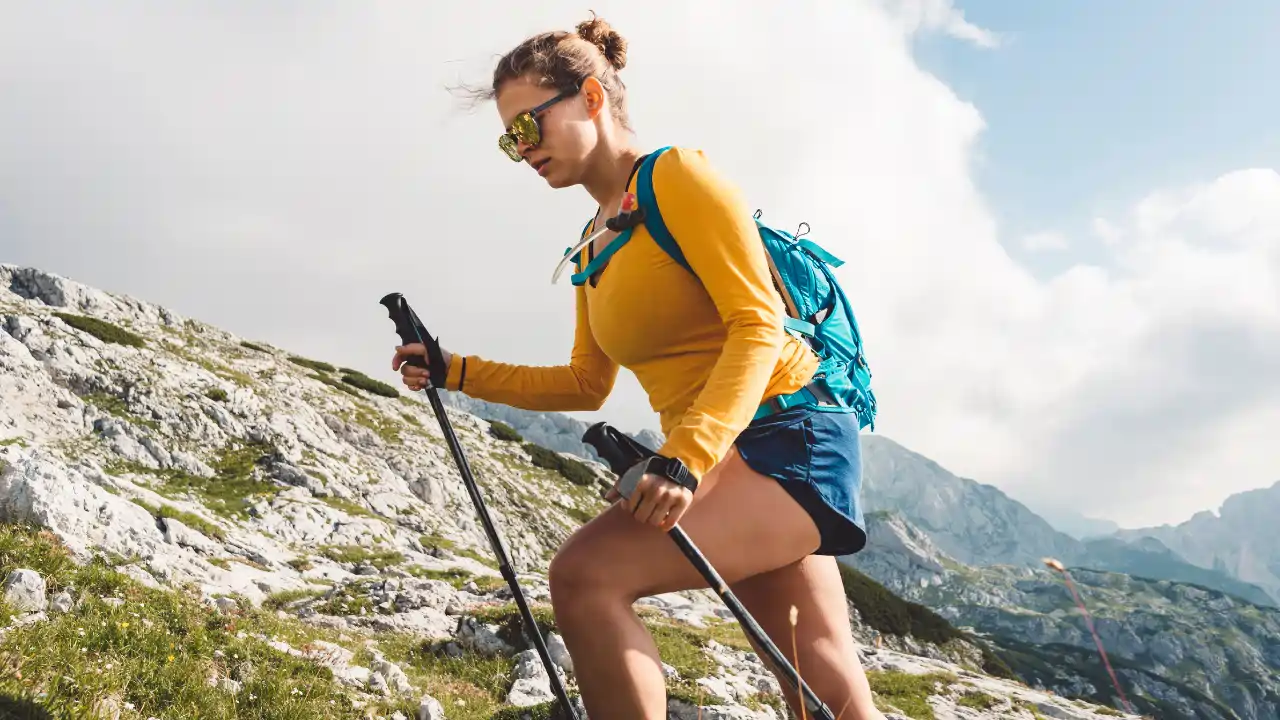
The first time I got caught on a hiking trail after sunset, I realized how quickly a normal outdoor trip could turn stressful. The plan was simple: hike a well-marked trail, enjoy the scenery, and head back before dark. But I stopped too often to take photos, underestimated how long the trail would take, and suddenly found myself walking with barely enough daylight to see the path.
Thankfully, I wasn’t in real danger. I had enough water, my phone still had some battery left, and I carried a small flashlight that I almost left at home because I thought I wouldn’t need it.
Quick Answer
Basic survival skills everyone should learn include staying calm in emergencies, finding safe drinking water, starting a fire, building a simple shelter, using basic navigation, carrying a first aid kit, learning essential knots, dressing for changing weather, conserving energy, and packing important survival gear. These practical skills help you stay safe, prepared, and confident during camping, hiking, and other outdoor adventures.
That experience taught me something important. Survival skills aren’t only for people exploring remote forests or climbing mountains. They’re useful for anyone who spends time outdoors, even on short camping trips or weekend hikes.
In This Post
The good news is that you don’t need military training or expensive gear. Learning a few basic survival skills can make outdoor adventures much safer and much more enjoyable.
Stay Calm Before Doing Anything Else
One of the biggest mistakes people make is panicking.
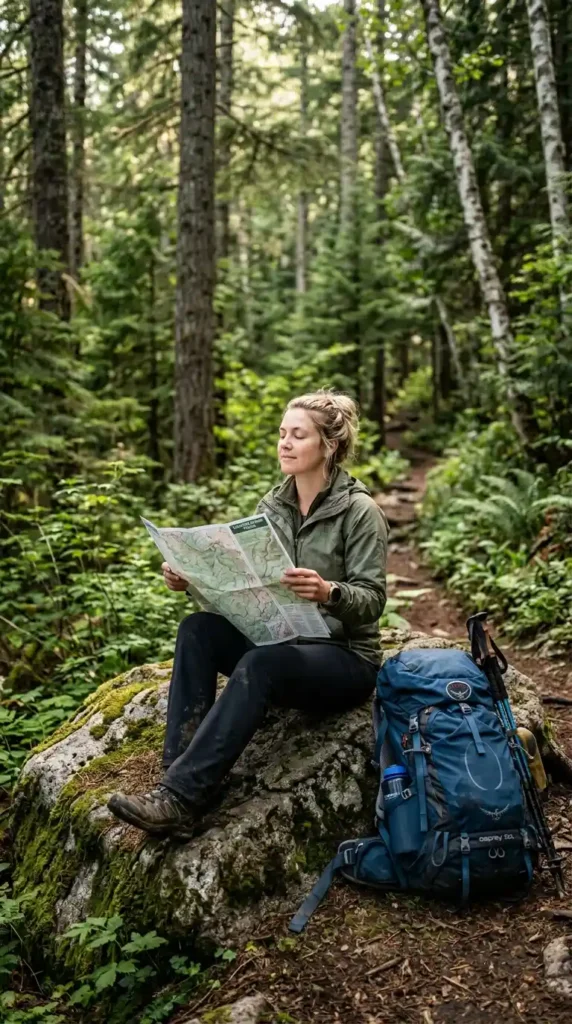
When something unexpected happens—whether you lose the trail, your phone loses signal, or the weather suddenly changes—it’s easy to make rushed decisions. Panic often leads to walking in the wrong direction, wasting energy, or forgetting basic safety steps.
Whenever I feel uncertain outdoors, I stop for a minute instead of immediately moving.
I usually ask myself a few simple questions:
- Am I injured?
- How much daylight is left?
- How much water do I have?
- Can I safely stay where I am?
- Does anyone know where I am?
Taking just a minute to think clearly often saves hours of frustration later.
Learn How to Find Safe Drinking Water
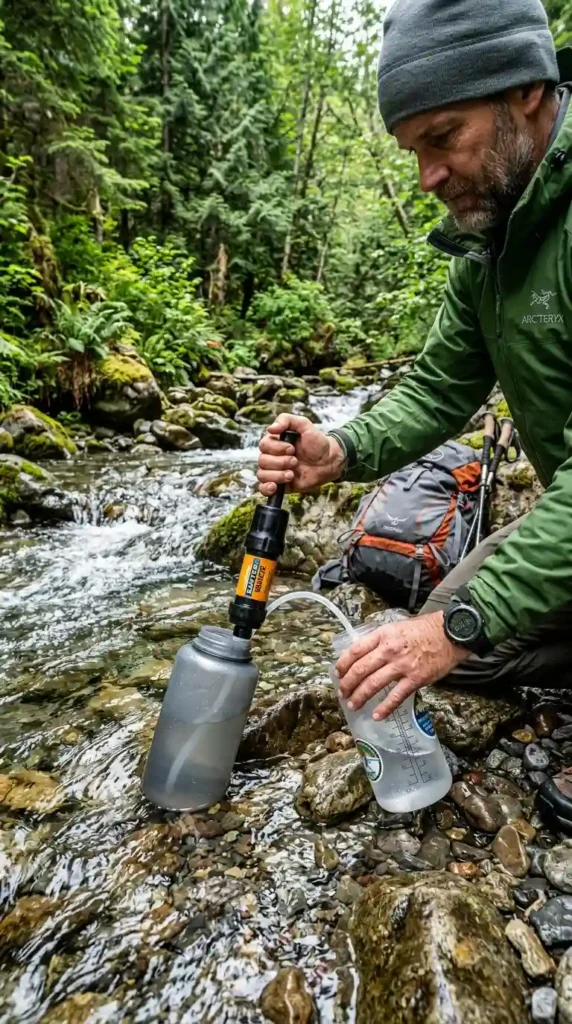
Water becomes your highest priority much sooner than food.
On one camping trip, I packed less water because I knew there was a small stream nearby. The stream existed—but after several dry weeks, it had almost disappeared. That was a lesson I never forgot.
Whenever possible:
- Carry more water than you think you’ll need.
- Refill whenever you find a reliable source.
- Purify natural water before drinking.
A compact water filter is one of the most useful outdoor tools I’ve ever purchased. Water purification tablets also take up almost no space and work well as a backup.
Never assume clear-looking water is safe.
Know How to Start a Fire
Fire provides much more than warmth.
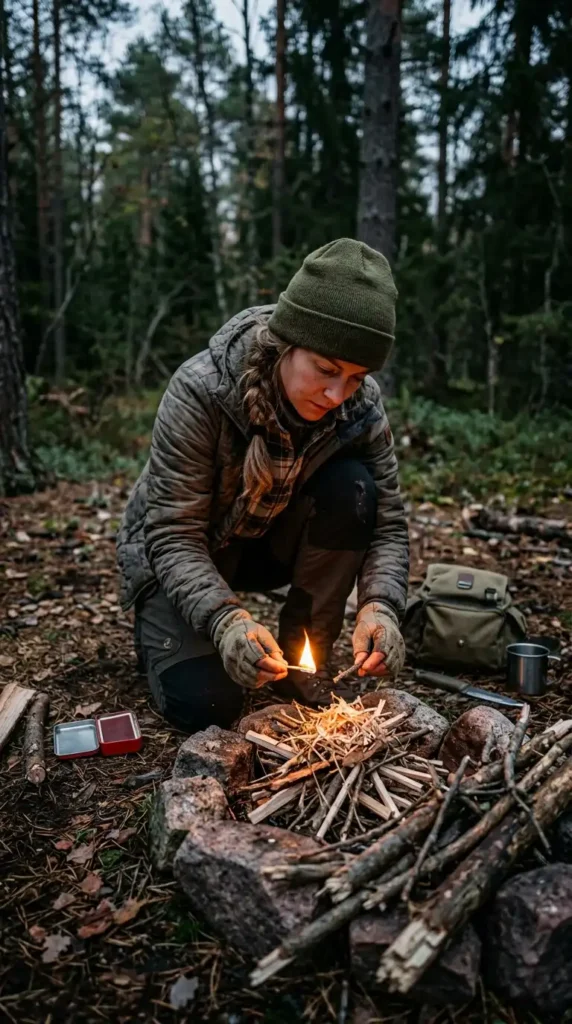
It can help:
- Cook food
- Boil water
- Dry wet clothing
- Signal for help
- Improve morale during stressful situations
I always carry at least two ways to start a fire.
Usually that’s:
- A lighter
- Waterproof matches
A small ferro rod is another excellent backup because it works even when wet with a little practice.
One mistake beginners often make is trying to light large sticks immediately.
Instead:
- Gather dry grass, leaves, or cotton as tinder.
- Add tiny twigs.
- Slowly increase the size of the wood.
- Protect the flame from wind.
Building the fire gradually is much easier than forcing large branches to burn.
Build a Simple Emergency Shelter
You don’t need to build a fancy cabin.
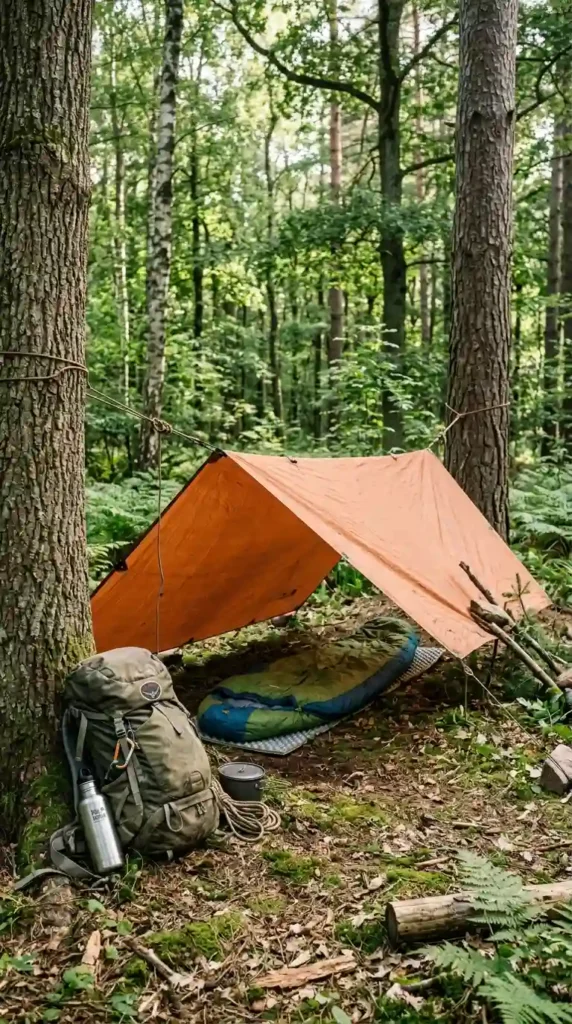
Most of the time, survival is simply about protecting yourself from wind, rain, and cold temperatures.
I’ve spent unexpected rainy evenings using nothing more than:
- A tarp
- Paracord
- Two nearby trees
In less than ten minutes, I had enough shelter to stay dry until the rain passed.
Even an emergency survival blanket can make a huge difference by helping your body retain heat.
If you’re heading outdoors regularly, practice setting up your shelter before your trip. Doing it at home is much easier than learning during bad weather.
Learn Basic Navigation
GPS is amazing—until your battery dies.
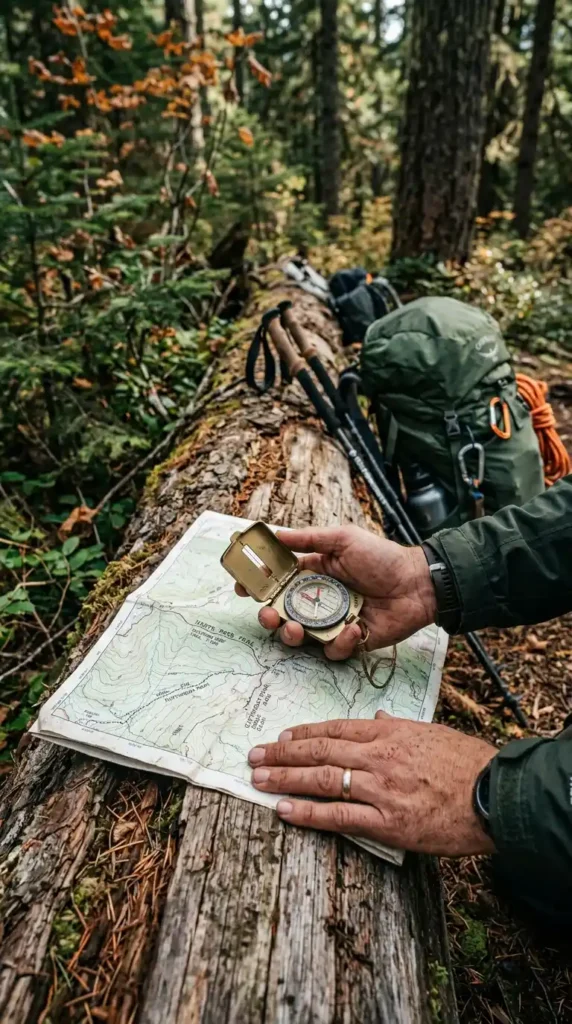
I learned this the hard way after spending hours using my phone camera and navigation during one hike.
Now I always:
- Download offline maps before leaving.
- Carry a power bank.
- Bring a paper map on longer trips.
- Learn basic compass skills.
Apps like Google Maps allow offline downloads in many areas, while hiking apps such as AllTrails provide downloadable trail maps before your trip.
Technology is incredibly helpful, but having a backup plan is even better.
Pack a Small First Aid Kit
You don’t need a giant medical bag.
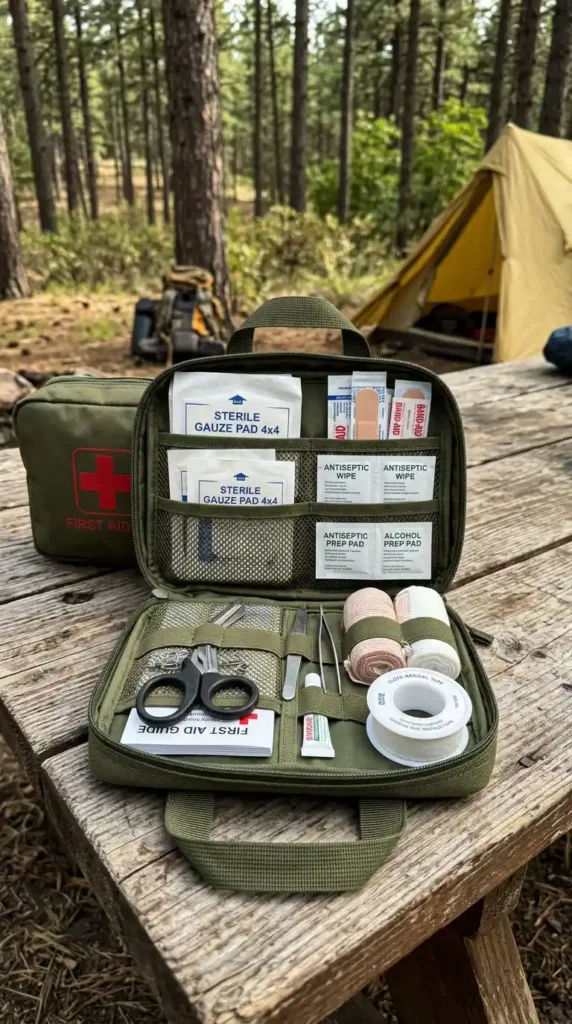
A compact first aid kit should include:
- Adhesive bandages
- Antiseptic wipes
- Gauze
- Medical tape
- Pain relievers
- Tweezers Blister treatment
- Small scissors
Blisters may sound minor, but anyone who’s walked several miles with one knows how quickly they can ruin an otherwise enjoyable hike.
I also like adding a few allergy tablets and extra personal medication whenever needed.
Learn Basic Knots
Knots solve dozens of outdoor problems.
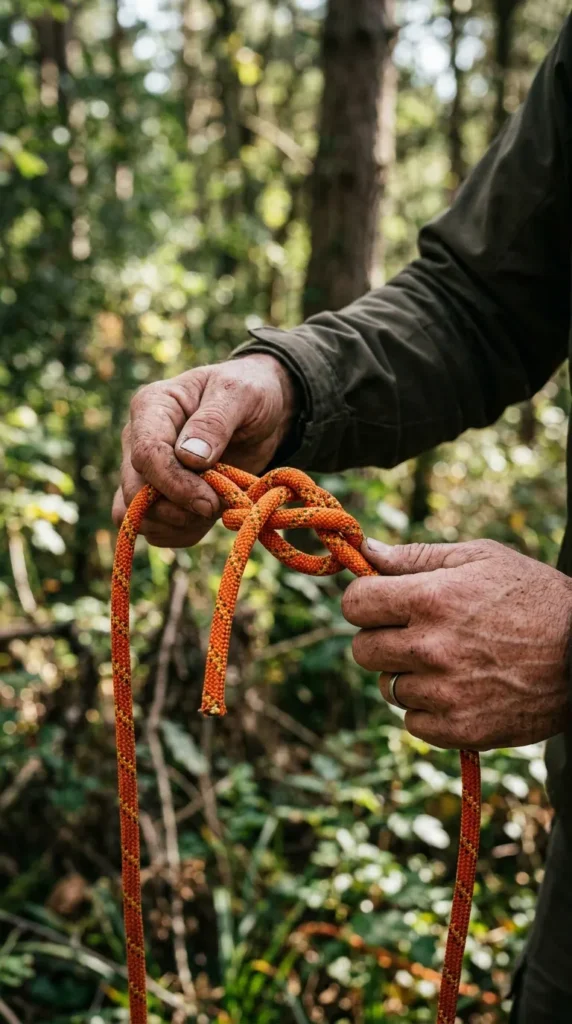
You can use them to:
- Secure tents
- Hang food
- Build shelters
- Build shelters
- Repair broken gear
- Tie equipment onto backpacks
The first few knots worth learning are:
- Square knot
- Bowline
- Taut-line hitch
- Clove hitch
They’re surprisingly easy to practice at home using nothing more than a piece of rope.
Dress for Changing Weather
Weather forecasts aren’t always right.
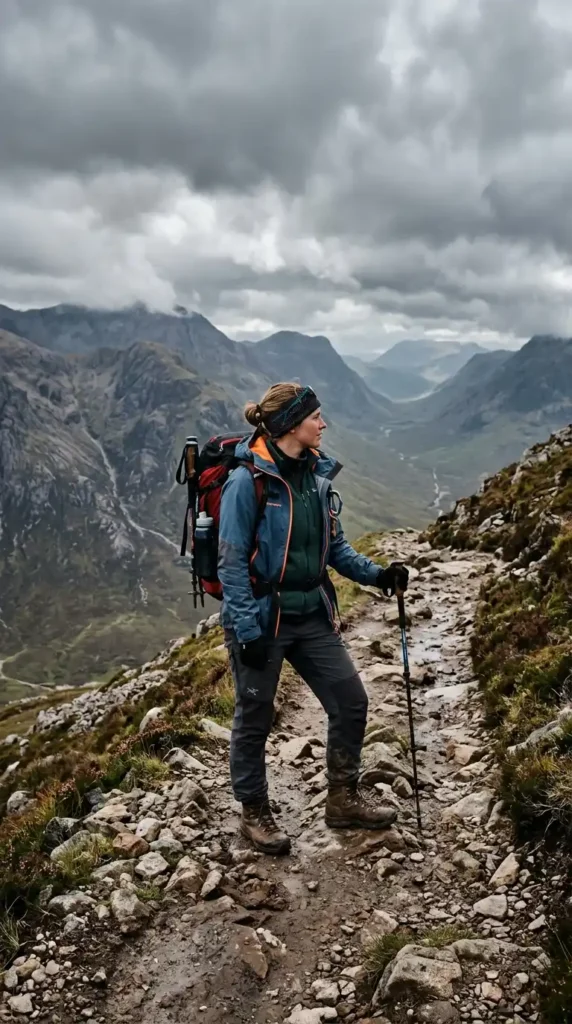
I’ve started hikes wearing sunshine and finished them in cold rain only a few hours later.
That’s why layering works better than wearing one heavy jacket.
A simple clothing system looks like this:
- Moisture-wicking base layer
- Insulating middle layer
- Waterproof outer shell
Avoid cotton whenever possible because it stays wet for a long time and can make you colder.
Tell Someone Your Plan
This habit takes less than a minute.
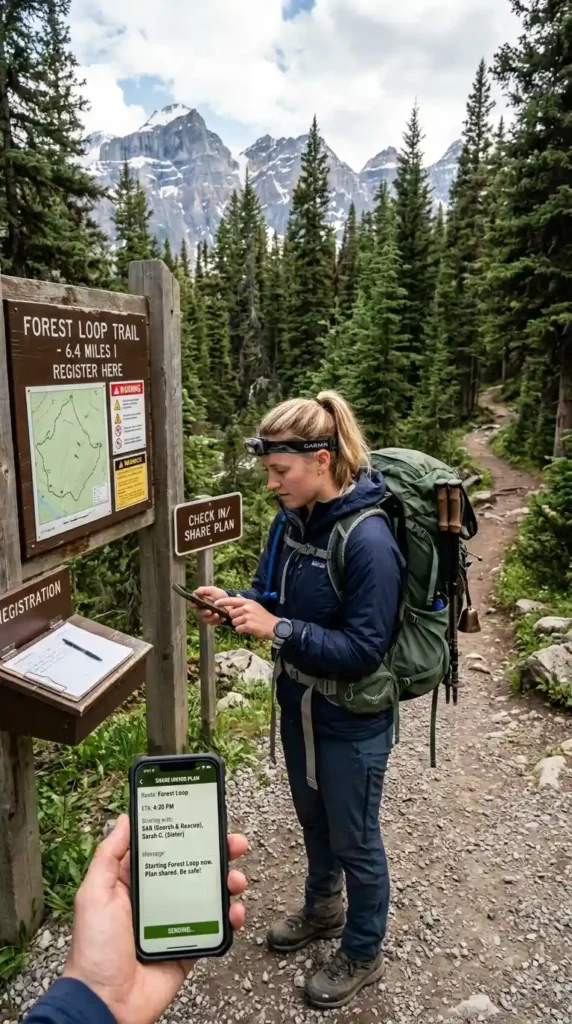
Before heading out, I always tell someone:
- Where I’m going
- Which trail I’ll use
- When I expect to return
- Who to contact if I’m late
Hopefully they’ll never need that information.
But if something does go wrong, rescuers have a much better starting point.
Learn to Recognize Dangerous Weather
Dark clouds don’t always mean immediate danger.
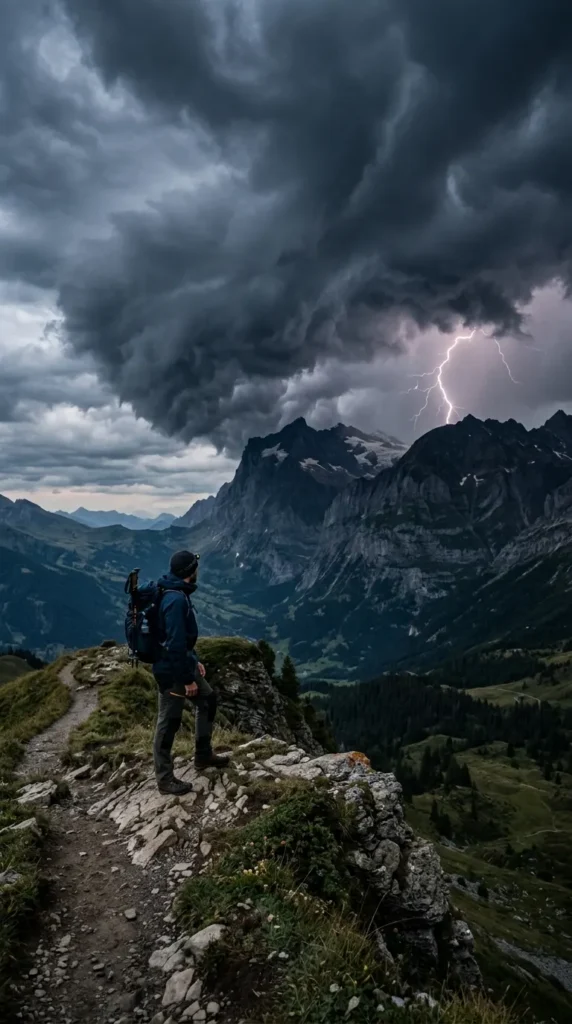
But strong winds, sudden temperature drops, and distant thunder deserve attention.
If lightning is nearby:
- Leave high ground.
- Avoid isolated trees.
- Stay away from metal fences.
- Wait until the storm passes before continuing.
Many outdoor accidents happen because people try to “beat the weather” instead of respecting it.
Use Your Energy Wisely
One mistake I made early on was walking too fast.
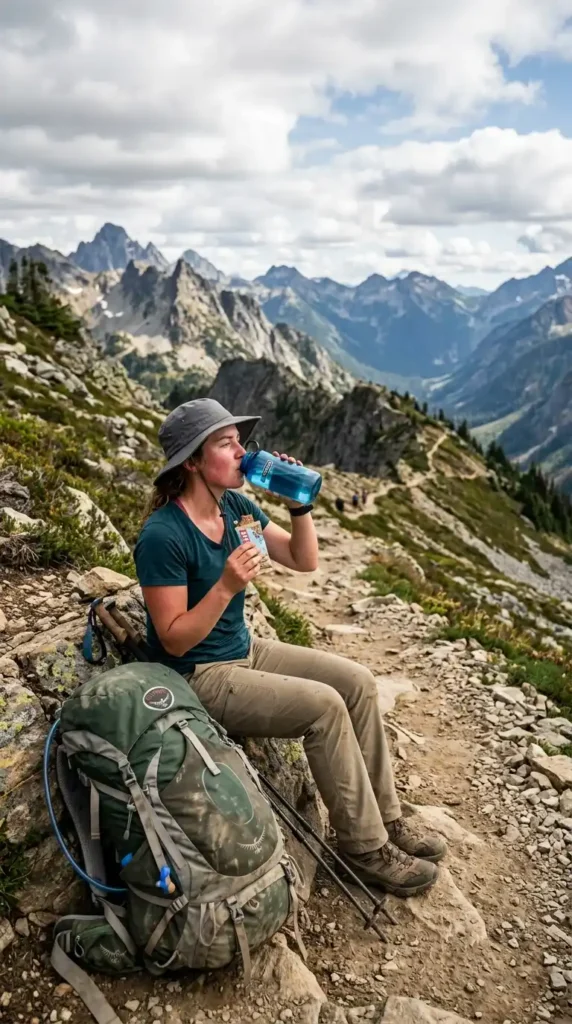
I wanted to reach the destination quickly, but I ended up exhausted halfway through the trail.
Now I pace myself.
I drink water regularly instead of waiting until I’m thirsty.
I eat small snacks throughout the day instead of one huge meal.
Managing energy is often more important than moving quickly.
Learn Basic Food Safety Outdoors
Most short-term survival situations don’t require finding wild food.
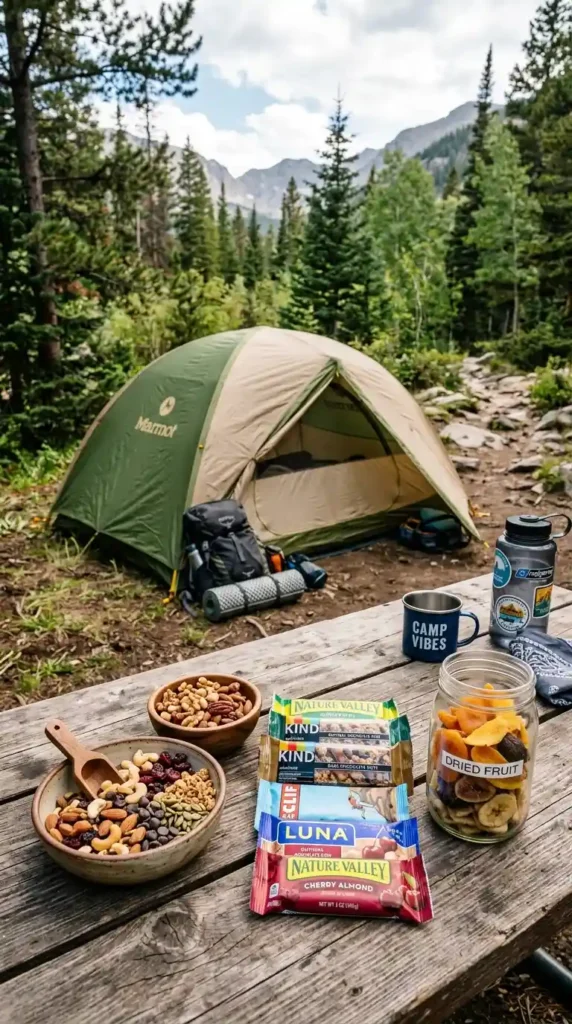
In fact, eating unknown berries or mushrooms is much riskier than simply waiting until you return.
Instead:
- Pack calorie-dense snacks.
- Carry nuts or trail mix.
- Bring energy bars.
- Store food properly to avoid attracting wildlife.
It’s better to prevent hunger than rely on finding food outdoors.
Carry a Multi-Tool
A quality multi-tool has saved me more times than I can count.
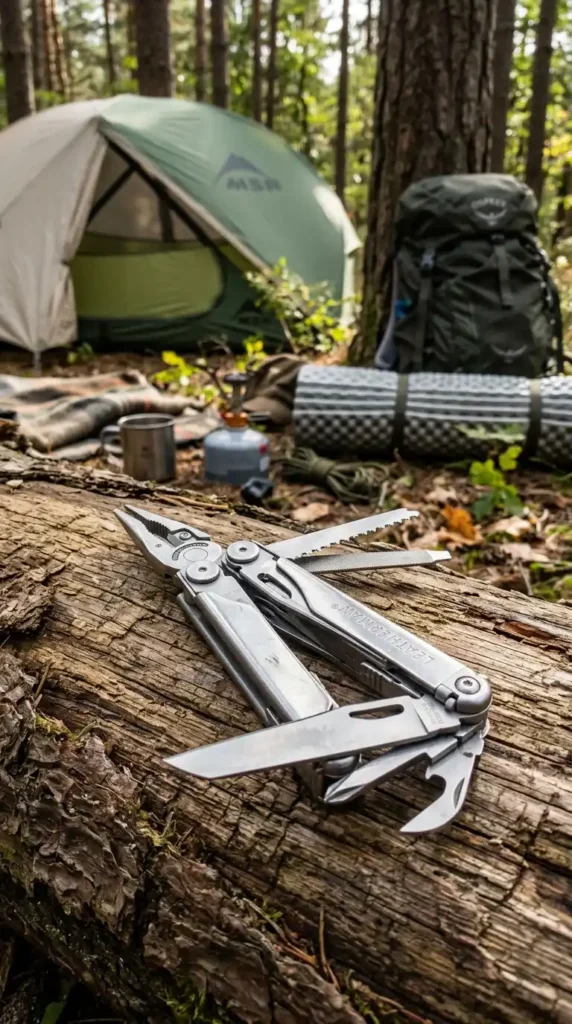
I’ve used mine for:
- Tightening loose screws
- Cutting rope
- Opening food packages
- Repairing tent poles
- Fixing backpack straps
It replaces several individual tools while taking up very little space.
Practice Before You Need the Skills
Reading survival tips is helpful.
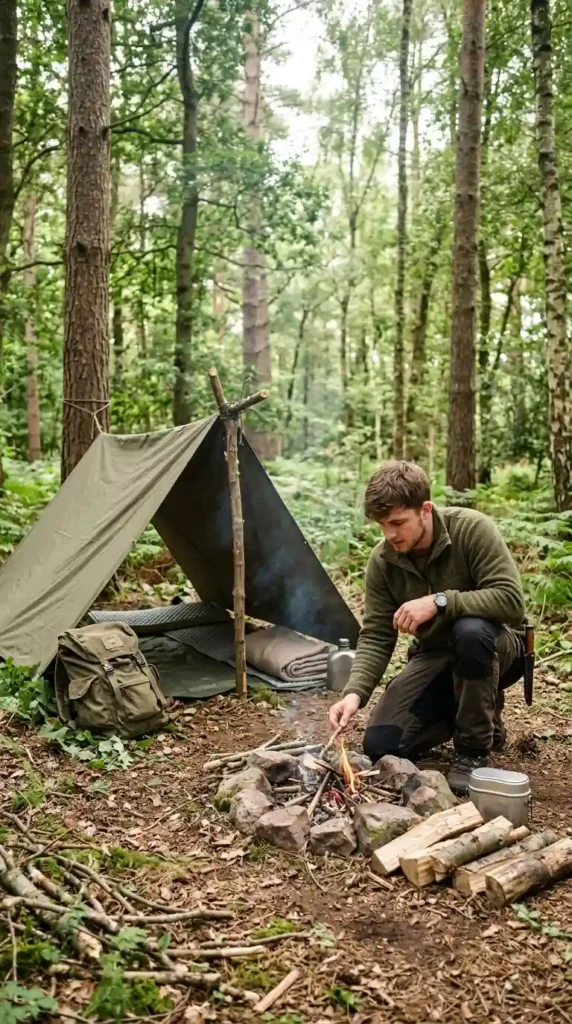
Actually practicing them is far more valuable.
Try spending an afternoon learning to:
- Pitch your tarp in different ways.
- Build a small fire safely.
- Pitch your tarp in different ways.
- Read a map.
- Use your compass.
- Filter water
- Pack your backpack efficiently.
These simple practice sessions build confidence long before you actually need the skills.
Common Survival Mistakes Beginners Make
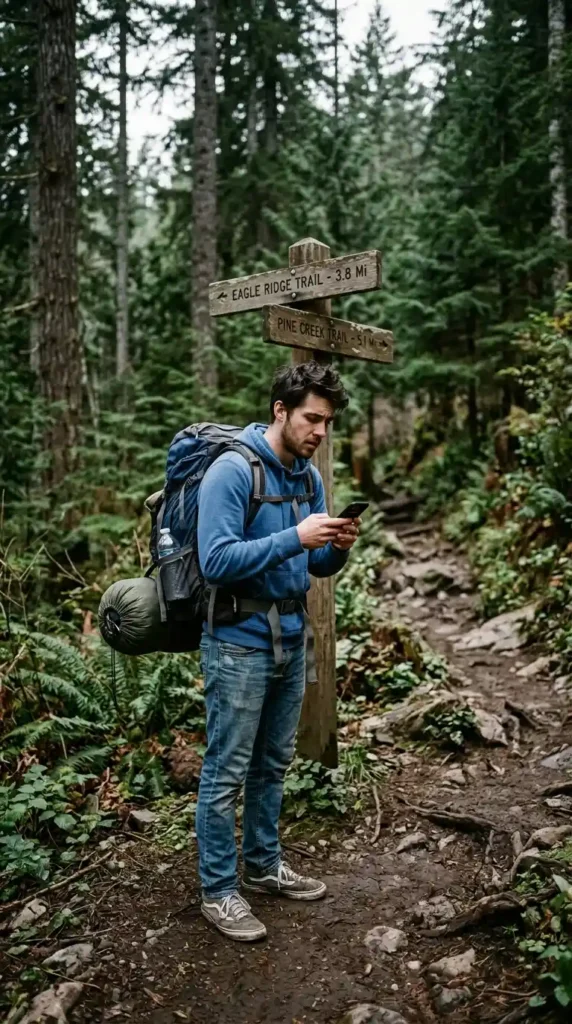
I’ve seen many new campers make the same mistakes repeatedly.
Here are the biggest ones to avoid:
- Carrying too little water.
- Ignoring weather forecasts.
- Depending entirely on a phone.
- Wearing brand-new hiking boots without breaking them in.
- Packing unnecessary gear while forgetting essential items.
- Hiking farther than their fitness level allows.
- Leaving without telling anyone their plans.
- Waiting until dark before setting up camp.
Most outdoor problems start with small decisions rather than major emergencies.
A Simple Survival Checklist
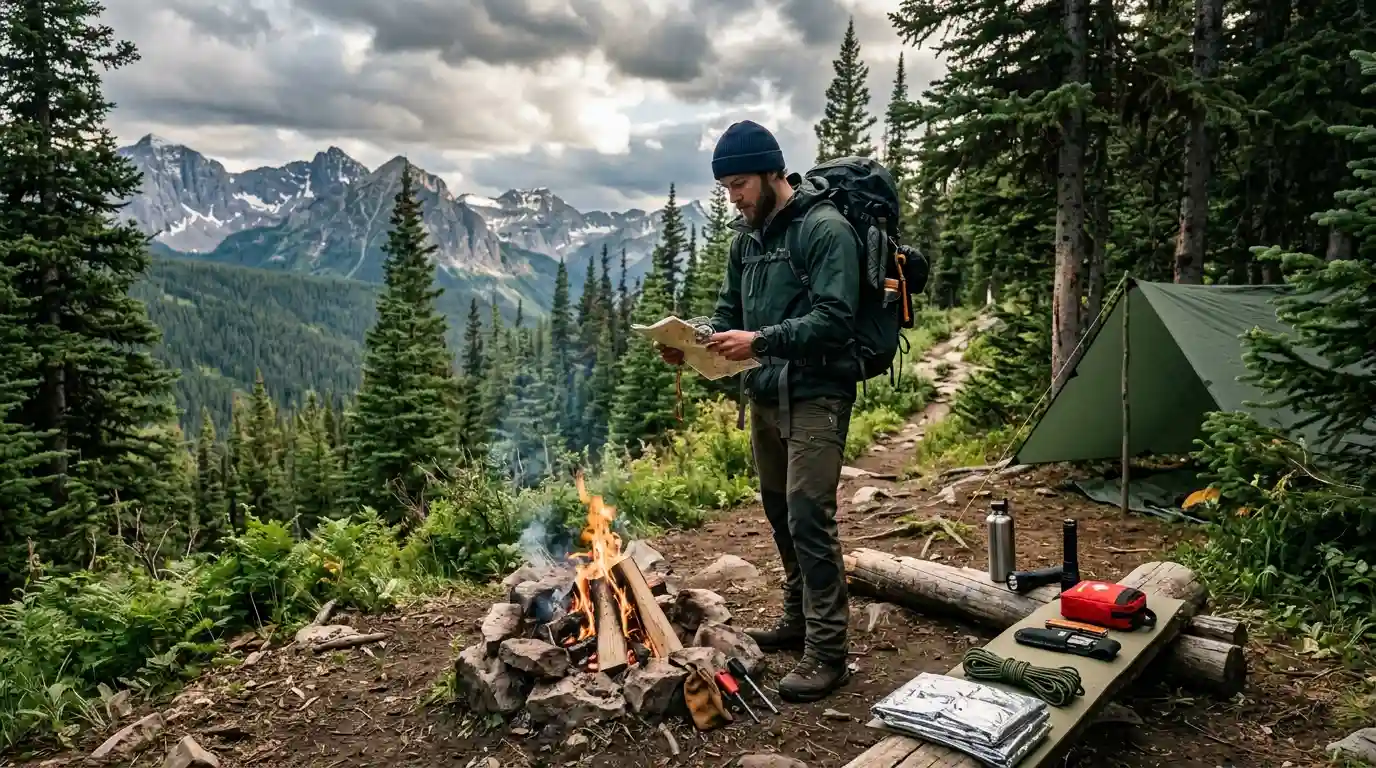
Whenever I head outdoors, I make sure I have:
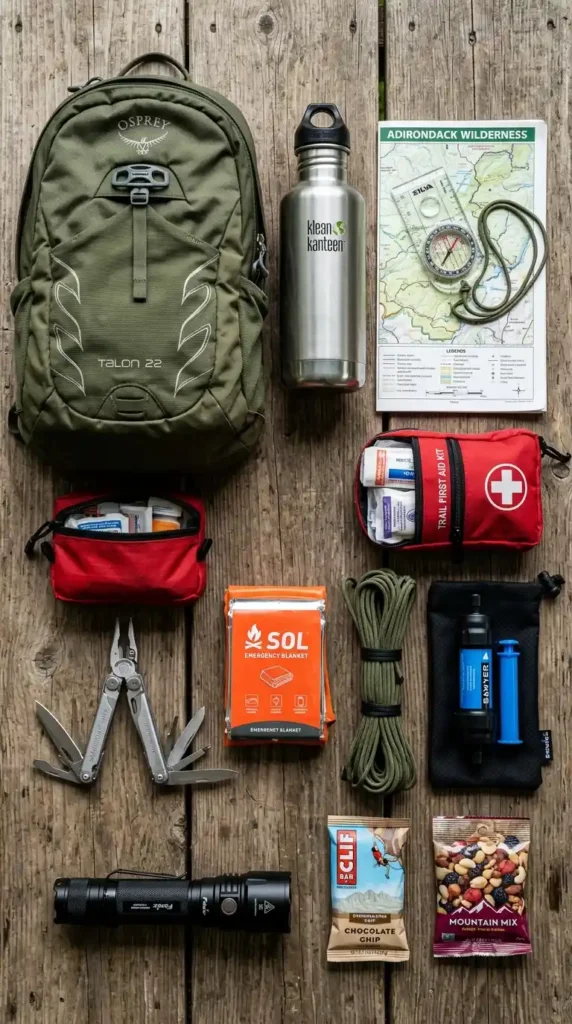
- Plenty of drinking water
- Water filter or purification tablets
- Flashlight or headlamp with extra batteries
- Multi-tool
- First aid kit
- Lighter and waterproof matches
- Emergency blanket
- Power bank
- Offline maps
- Compass
- High-energy snacks
- Rain jacket
- Extra socks
- Whistle
- Paracord
It’s not the lightest setup, but it gives me peace of mind on almost any day trip.
Final Thoughts
The best survival skill isn’t starting a fire or tying the perfect knot—it’s being prepared before you ever leave home.
Over the years, I’ve learned that most outdoor emergencies don’t happen because people lack courage. They happen because they assume nothing will go wrong.
A little preparation changes everything. Carry the right gear, learn a few practical skills, and practice them before you need them. Whether you’re heading out for a short afternoon hike or a weekend camping trip, these habits can make the difference between a stressful experience and a safe, memorable adventure.
The outdoors is meant to be enjoyed. With the right knowledge and a bit of planning, you can explore with confidence while being ready for the unexpected.