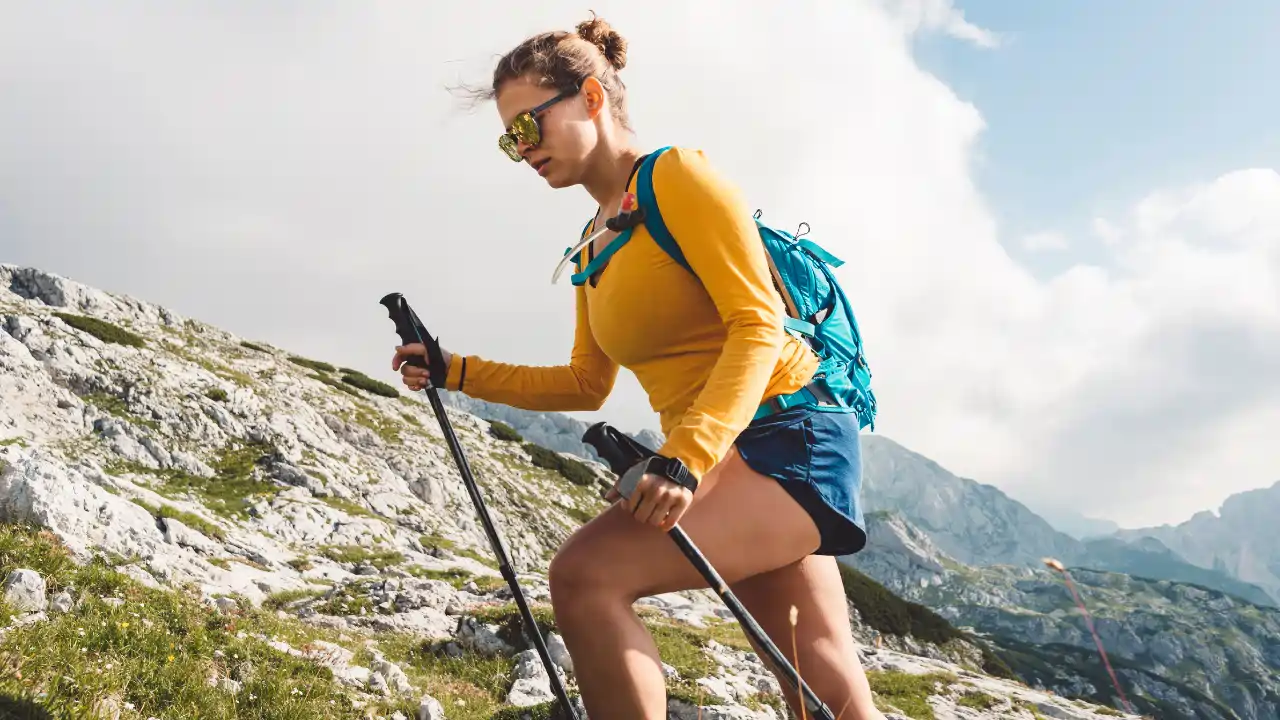
The first time I headed out for what was supposed to be an easy weekend hike, I packed based on what looked good in online photos rather than what I actually needed. My backpack was full of things I never used, while I forgot a few items that would have made the trip much easier. Halfway through the trail, my phone battery was nearly empty because I had been using GPS, my cheap flashlight barely lit the path after sunset, and I realized I didn’t have enough drinking water for the return hike.
That experience completely changed how I prepare for outdoor trips.
Quick Answer
Outdoor gadgets can make camping and hiking safer, easier, and more enjoyable. Some of the best outdoor gadgets worth buying include a portable power bank, rechargeable LED headlamp, portable water filter, solar camping lantern, GPS hiking watch, camping stove, multi-tool, emergency weather radio, electronic hand warmer, and a smart water bottle. These practical gadgets help you stay prepared, save time, and handle unexpected situations during outdoor adventures.
Over the years, I’ve learned that successful outdoor adventures aren’t about carrying the most expensive gear. They’re about bringing the right equipment for the situation. Whether you’re planning a short nature walk, a full-day hike, a camping weekend, or a road trip into the mountains, a few carefully chosen items can make your adventure safer, more comfortable, and much more enjoyable.
In This Post
Here’s the outdoor equipment I never leave behind anymore—and why each piece has earned a permanent place in my backpack.
Start with a Comfortable Backpack
Everything begins with the backpack.
I made the mistake of using an old school backpack for hiking because I thought any bag would work. After just a couple of hours, my shoulders were sore, the straps kept sliding off, and finding anything inside was frustrating.
A proper outdoor backpack distributes weight much better and includes useful features like:
- Adjustable shoulder straps
- Padded back support
- Multiple storage compartments
- Water bottle pockets
- Rain cover (on many models)
You don’t need an oversized backpack for every trip. A comfortable daypack is usually perfect for hikes lasting several hours.
Carry More Water Than You Think You’ll Need
One lesson I’ve learned the hard way is that weather changes quickly, and so does your water consumption.
Even on cool mornings, walking several miles can leave you dehydrated faster than expected.
I now always pack:
- At least one reusable water bottle
- An insulated bottle during summer
- Extra water for longer hikes
- A portable water filter if I’m heading into remote areas
Running out of water is one of the easiest problems to prevent.
A Reliable Headlamp Beats a Flashlight
For years I carried a small handheld flashlight.
Then one evening I reached the parking lot much later than expected after stopping for photos and exploring an extra trail. Trying to hold a flashlight while climbing over uneven rocks wasn’t easy.
Switching to a headlamp completely solved that problem.
Because both hands stay free, it’s much safer when:
- Setting up camp
- Cooking outdoors
- Hiking after sunset
- Looking inside your backpack
Always carry spare batteries or choose a rechargeable model if possible.
Keep a Portable Power Bank
Modern outdoor adventures often depend on phones for navigation, emergency calls, weather updates, and photography.
The first power bank I bought wasn’t because I wanted one—it was because my phone died during a hike, leaving me without GPS for the return trail.
Since then, a compact power bank has become one of my most valuable outdoor items.
Look for features like:
- At least 10,000 mAh capacity
- Fast charging support
- USB-C compatibility
- Lightweight design
It’s one of those items you hope you never truly need, but you’re always glad it’s there.
Weather Can Change Without Warning
cMoisture-wicking shirt
- cMoisture-wicking shirt
- Waterproof rain jacket
- Comfortable hiking pants
- Extra socks
Dry socks deserve special mention.
Anyone who’s walked several miles with wet feet knows how uncomfortable the rest of the day becomes.
Don’t Underestimate Good Footwear
Buying hiking shoes felt expensive at first.
After replacing sore feet and painful blisters with comfortable miles, I understood why experienced hikers recommend quality footwear.
Good outdoor shoes provide:
- Better grip
- Better grip
- Improved stability
- Water resistance
- Long-lasting comfort
Break new shoes in before taking them on long adventures.
That small step can save you from painful blisters.
Navigation Should Never Depend on One Device
Phone maps are incredibly useful.
But batteries die.
Signals disappear.
Accidents happen.
Whenever I explore unfamiliar trails, I make sure I have backup navigation.
This may include:
- Downloaded offline maps
- Printed trail map
- Small compass
- Emergency location notes
Offline maps have rescued me more than once in areas without mobile coverage.
Pack a Small First Aid Kit
Most outdoor trips go exactly as planned.
Still, minor injuries happen.
I’ve used my first aid kit for:
- Small cuts
- Blisters
- Headaches
- Scratches
- Minor burns from camp cooking
A simple kit doesn’t take much space but can solve small problems before they become bigger ones.
Mine usually includes:
- Bandages
- Antiseptic wipes
- Medical tape
- Pain relievers
- Tweezers
- Blister pads
Multi-Tool: Small Size, Big Value
The first time I packed a multi-tool, I honestly thought I’d never use it.
I was wrong.
Since then, I’ve used it to:
- Tighten loose screws
- Open food packages
- Cut rope
- Repair camping gear
- Fix backpack straps
It’s one of those pieces of equipment you rarely think about until the moment it becomes incredibly useful.
Sun Protection Is Easy to Forget
Many people only think about sunscreen when visiting the beach.
Long hiking trails often provide very little shade.
I now always carry:
- Sunscreen
- Sunglasses
- Wide-brim hat
- Lip balm with SPF
Getting sunburned on the first day of a weekend camping trip isn’t something you want to repeat.
Food That Travels Well
Outdoor adventures burn more energy than many people expect.
Instead of packing only sugary snacks, I try to carry foods that provide lasting energy.
Some of my favorites include:
- Mixed nuts
- Protein bars
- Dried fruit
- Peanut butter packets
- Beef jerky
- Trail mix
These foods stay fresh, don’t require refrigeration, and are easy to eat during short breaks.
Weather Apps Are Surprisingly Helpful
Before leaving home, I always check more than one weather forecast.
Apps like AccuWeather, Windy, and Weather Underground often provide detailed hourly updates that help me decide:
- Which jacket to bring
- Whether rain gear is necessary
- If strong winds are expected
- The best time to begin hiking
I’ve canceled trips because of severe weather forecasts, and every time I’ve been glad I did.
Keep Your Gear Organized
One mistake I used to make was throwing everything into one large compartment.
Finding anything became frustrating.
Now I organize equipment into separate pouches.
For example:
- Electronics pouch
- First aid pouch
- Food bag
- Toiletries
- Emergency gear
It saves time and keeps important items easy to reach.
Common Outdoor Packing Mistakes
Even experienced outdoor enthusiasts occasionally forget something.
Here are mistakes I’ve personally made and learned from:
Packing too much
Heavy backpacks quickly become uncomfortable. Bring what you’ll actually use.
Ignoring weather forecasts
Mountain weather can change rapidly. Always prepare for changing conditions.
Skipping extra socks
Forgetting offline maps
Cell service isn’t guaranteed.
Buying cheap equipment just to save money
Not every expensive product is better, but some low-quality gear simply doesn’t last.
Invest gradually in reliable essentials rather than replacing broken equipment every season.
Building Your Outdoor Kit Over Time
One thing I wish someone had told me earlier is that you don’t need to buy everything at once.
My outdoor equipment collection grew over several years.
I started with:
- Backpack
- Water bottle
- Headlamp
- First aid kit
Later I added:
- Better hiking boots
- Power bank
- Multi-tool
- Waterproof jacket
- Trekking poles
- Portable water filter
Building your kit slowly gives you time to discover what you actually need based on your own adventures.
Final Thoughts
Outdoor adventures rarely go exactly as planned, and that’s part of what makes them memorable. Sometimes you’ll discover an unexpected trail, stay out longer than planned, or watch a sunset that makes every extra step worthwhile.
The right equipment won’t guarantee a perfect trip, but it will help you stay prepared for the unexpected. Over time, you’ll figure out which items you rely on most and which ones can stay at home. That’s how every experienced outdoor enthusiast builds a kit that truly works.
The best advice I can give is simple: start with the essentials, choose reliable gear over flashy gadgets, and let your own experiences shape what goes into your backpack. Every adventure teaches something new, and every trip helps you become a little more prepared for the next one.