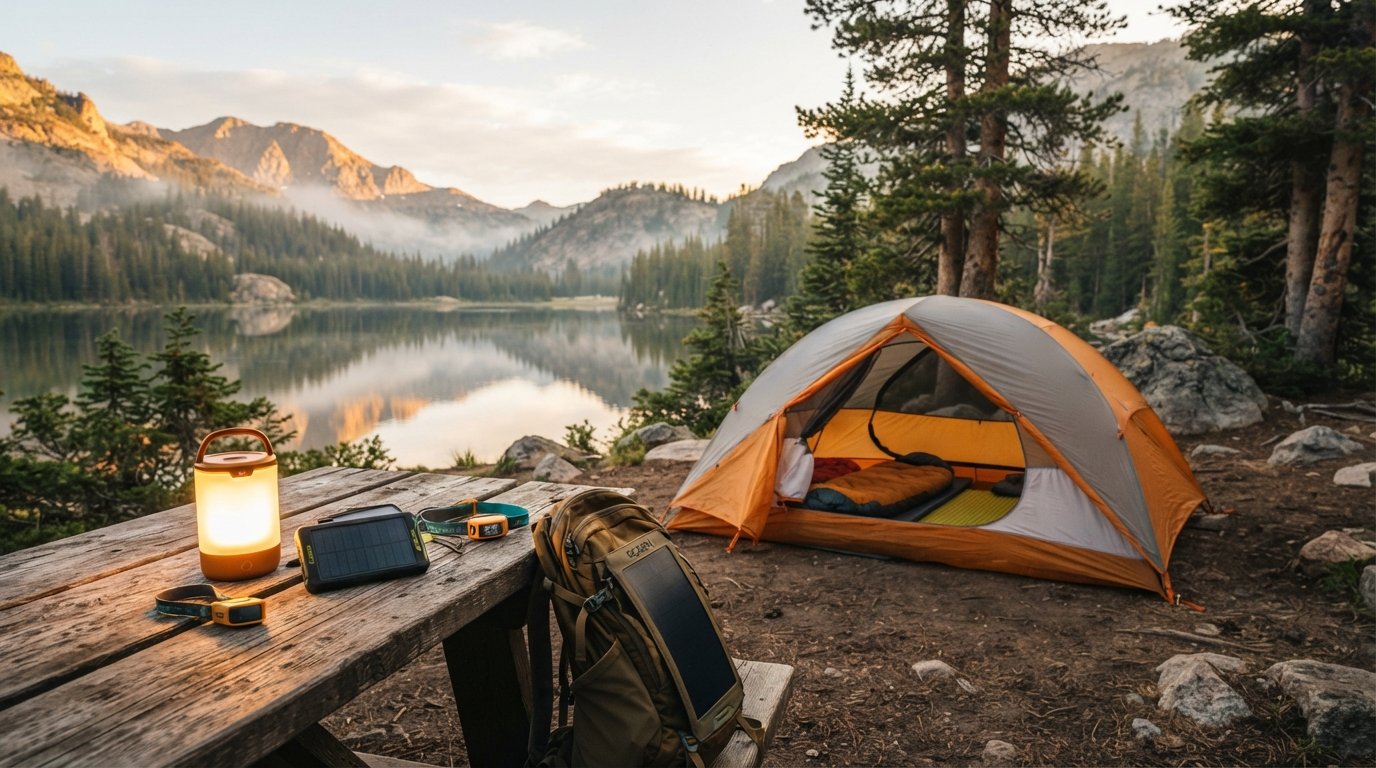
The first time I realized how much electricity matters outdoors was not during some extreme survival moment – it was when my phone died.I was on a two-day camping trip, sitting near a quiet lake, thinking I had planned everything perfectly.
Tent? Check. Food? Check. Warm clothes? Check. What I didn’t plan for was how fast my phone battery would drain once I started using GPS, taking photos, and checking weather updates. By evening, my phone was dead.
My power bank? Also dead. And suddenly, that peaceful campsite felt a little uncomfortable. That trip changed how I look at camping gear, especially solar-powered outdoor inventions. Since then, I’ve tested, used, and sometimes misused several solar gadgets. Some were impressive, some were disappointing, and a few genuinely changed the way I camp.
Quick Answer
Solar-powered outdoor inventions are changing camping by giving campers a simple and eco-friendly way to keep essential devices powered without depending on electricity, fuel, or disposable batteries. Tools like solar lanterns, power banks, headlamps, and solar backpacks charge during the day and provide light, phone charging, and basic power at night, making camping safer, more comfortable, and less stressful while staying closer to nature.
This article isn’t about futuristic ideas or perfect lab conditions. It’s about real solar-powered inventions that actually work outdoors, what problems they solve, and what you should know before relying on them.
In This Post
Why Solar Power Makes Sense Outdoors
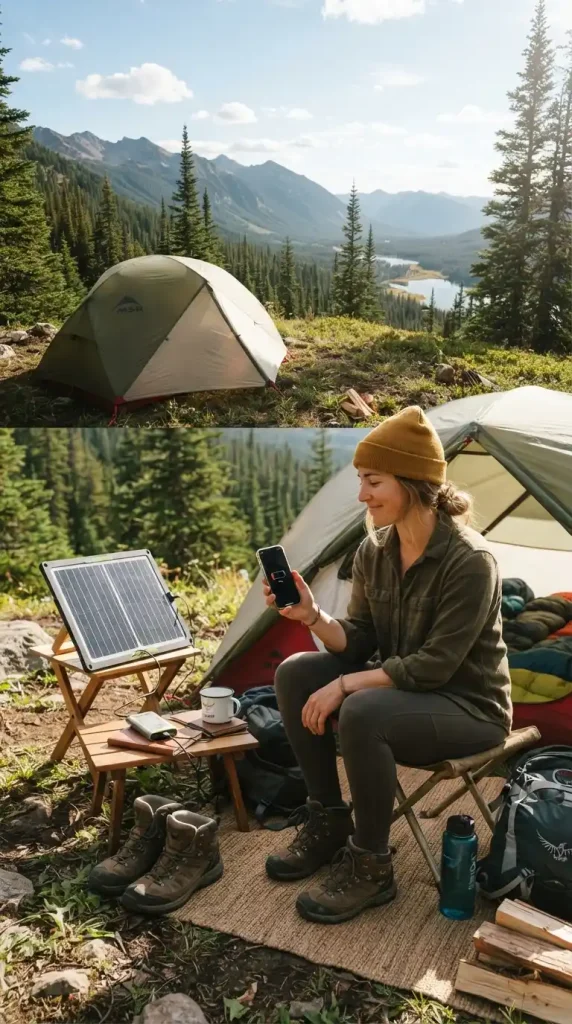
When you’re camping, hiking, or staying off-grid, electricity becomes a limited resource. You start rationing phone use. You avoid using lights. You worry about emergencies. Solar-powered inventions quietly remove that stress, but only if you choose the right ones and use them correctly. What surprised me most wasn’t just that solar gadgets work; it was how much mental peace they add. Not having to constantly think, “What if my battery dies?” makes a big difference.
1. Solar Power Banks: My First Upgrade
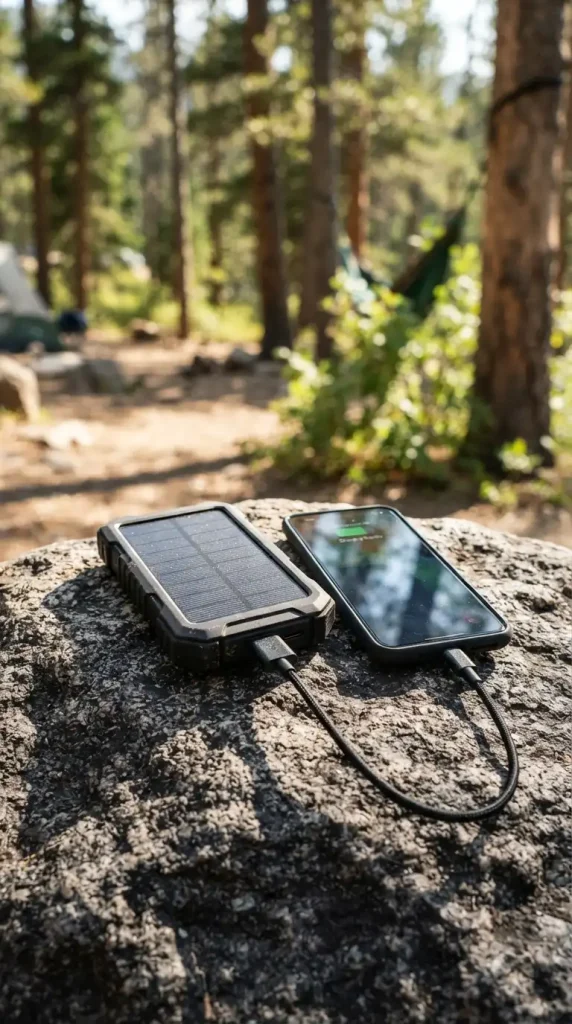
After that dead-phone incident, the first thing I bought was a solar power bank. I assumed it would magically charge itself while hanging from my backpack.
Reality check:
- Solar charging is slow
- Cloudy weather reduces efficiency a lot
- Small solar panels are best for backup, not main charging
What I learned:
- Charge the power bank fully at home
- Use solar charging only to extend battery life
- Place it in direct sunlight, not in shade or moving positions
Once I understood this, solar power banks became incredibly useful. They kept my phone alive during multi-day trips and worked well for small devices like headlamps and GPS trackers.
2. Solar Camping Lanterns: Small Thing, Big Comfort
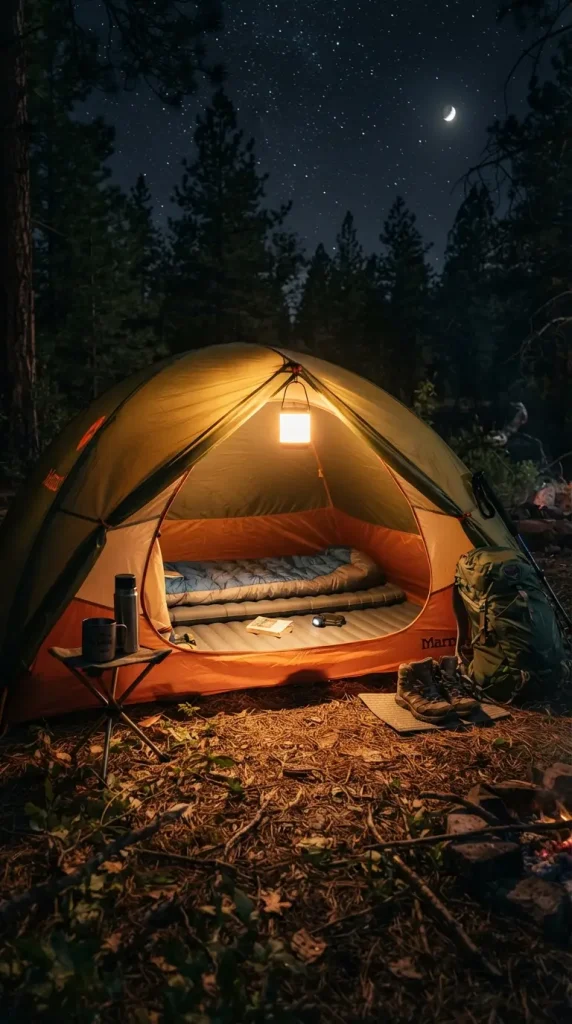
One of my favorite solar-powered outdoor inventions is the solar camping lantern. I didn’t expect much from it, but I was wrong.
On one trip, my regular flashlight battery died on the second night. The solar lantern I had clipped outside the tent had been charging all day. When night came, it provided:
- Soft, wide-area lighting
- No harsh glare
- Enough brightness to cook, organize gear, and relax
Why solar lanterns are a game-changer:
- No battery replacements
- Automatic charging during the day
- Safe light source inside tents
- Some even double as phone charges
This is one invention I now consider non-negotiable.
3. Solar-Powered Headlamps
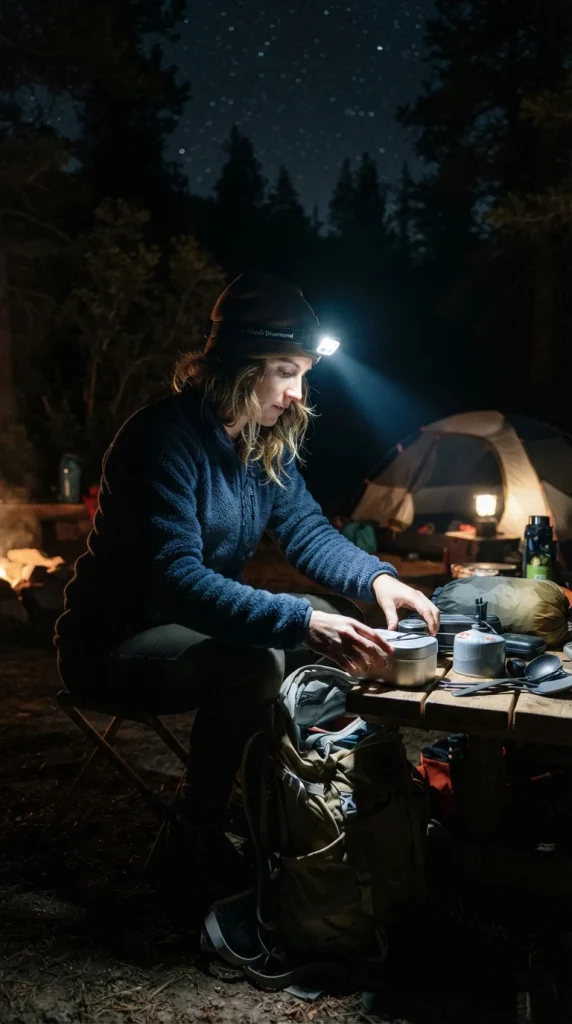
I used to carry extra batteries for my headlamp. They took space, got lost, and sometimes leaked.
Switching to a solar-powered headlamp simplified everything.
What surprised me:
- They charge faster than expected
- One sunny afternoon can power multiple nights
- Motion sensors and dim modes save energy
The best part? No panic when the light runs out. I just clip it to my backpack during the day.
4. Solar Camping Stoves
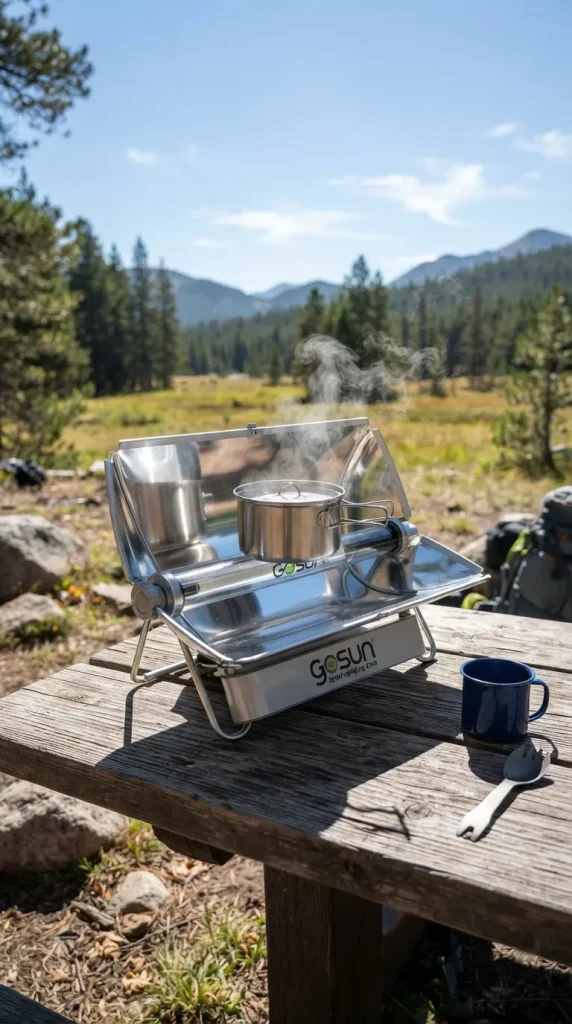
Solar stoves sound amazing in theory, cooking with sunlight. In practice, they require patience and planning.
I tested a compact solar cooker on a sunny day:
- It worked best between late morning and early afternoon
- Cooking time was slow
- Wind and clouds affected the results
Honest takeaway:
Solar stoves are great for:
- Slow cooking
- Boiling water in strong sunlight
- Emergency backup
They are not a full replacement for gas stoves yet but they’re improving fast.
5. Solar-Powered Tents and Backpacks
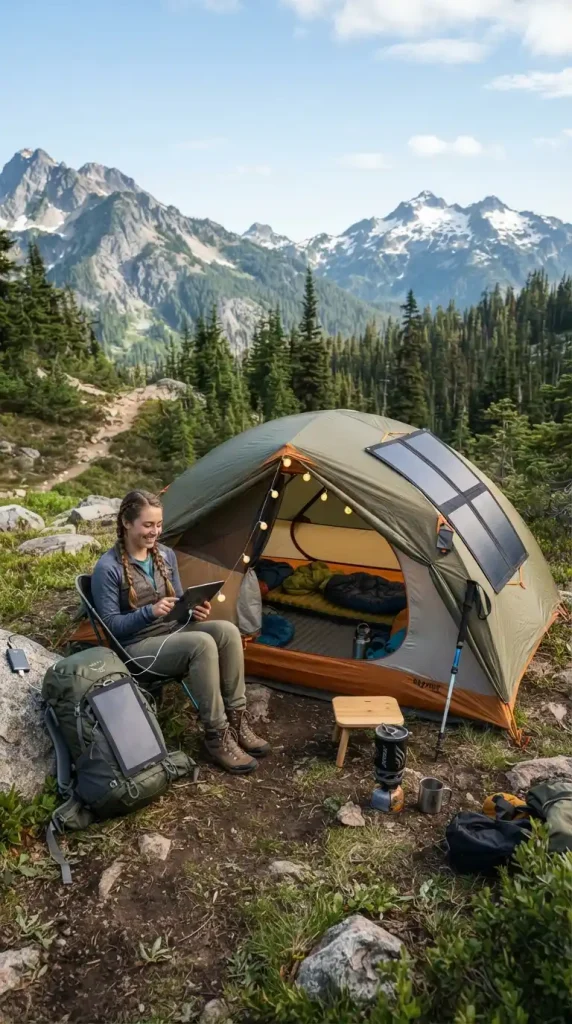
At first, I thought solar tents and backpacks were gimmicks. Then I used one.
A solar backpack with built-in panels allowed me to:
- Charge devices while walking
- Avoid stopping to recharge
- Stay connected without extra weight
Solar tents take it further by powering:
- LED lights
- Small fans
- USB ports
These inventions don’t scream “high-tech”; they quietly make camping more comfortable.
How Solar Inventions Change the Camping Experience
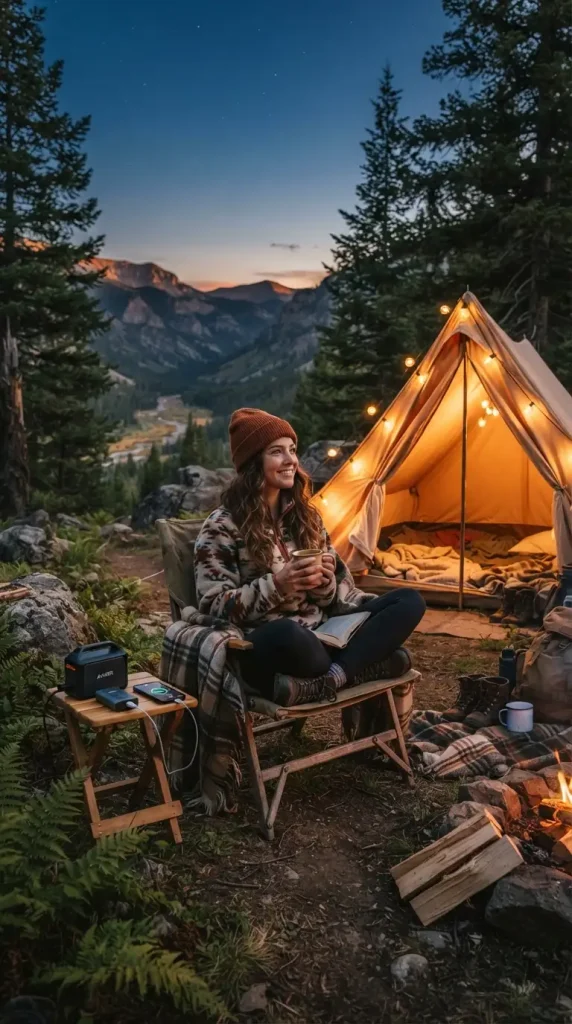
What really changed for me wasn’t just convenience; it was confidence.
With solar-powered gear:
- I worry less about emergencies
- I stay connected without obsession
- I pack fewer disposable batteries
- I leave a smaller environmental footprint
Camping feels more relaxed and intentional
How I Use Solar Gear on Trips
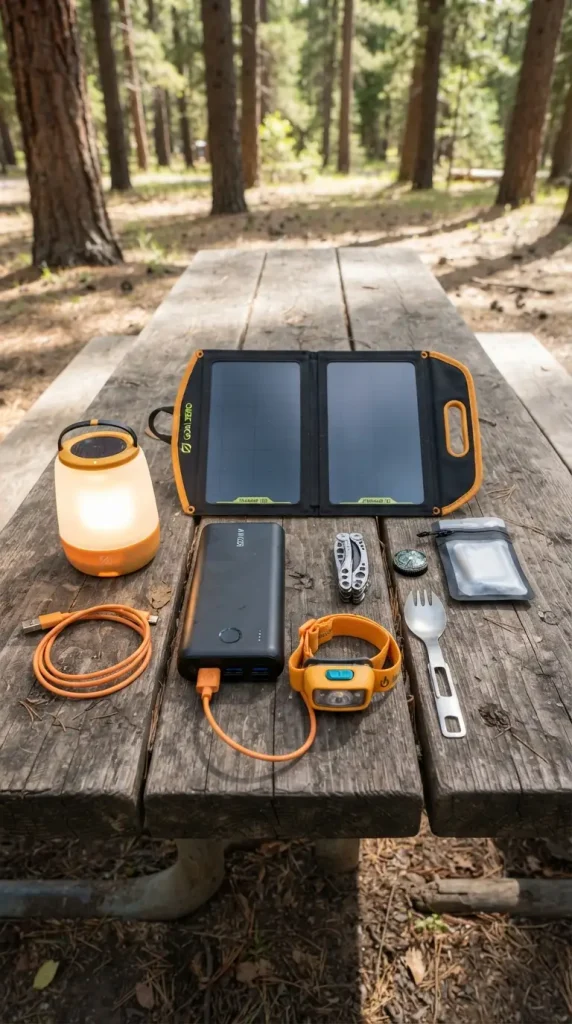
Here’s my simple system now:
Charge Everything at Home
Solar is backup, not magic. Start full.
Assign Daytime Charging
Lanterns, headlamps, and power banks go in sunlight.
Prioritize Devices
Phone > GPS > lights > extras.
Use Energy-Saving Modes
Low brightness, airplane mode, power-saving settings.
This approach has never failed me.
Common Mistakes I See Beginners Make
I’ve made most of these myself:
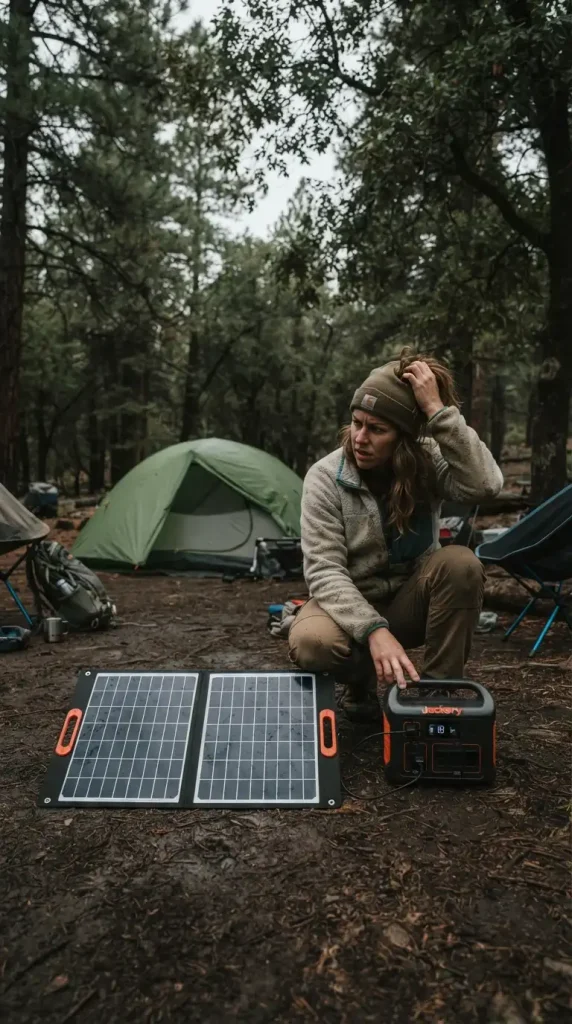
- Assuming solar works equally well in all weather
- Buying cheap solar gear without reviews
- Relying only on solar without backup
- Blocking panels with fabric or dirt
- Expecting fast charging like wall outlets
Solar power outdoors requires realistic expectations.
Are Solar Outdoor Inventions Worth It?
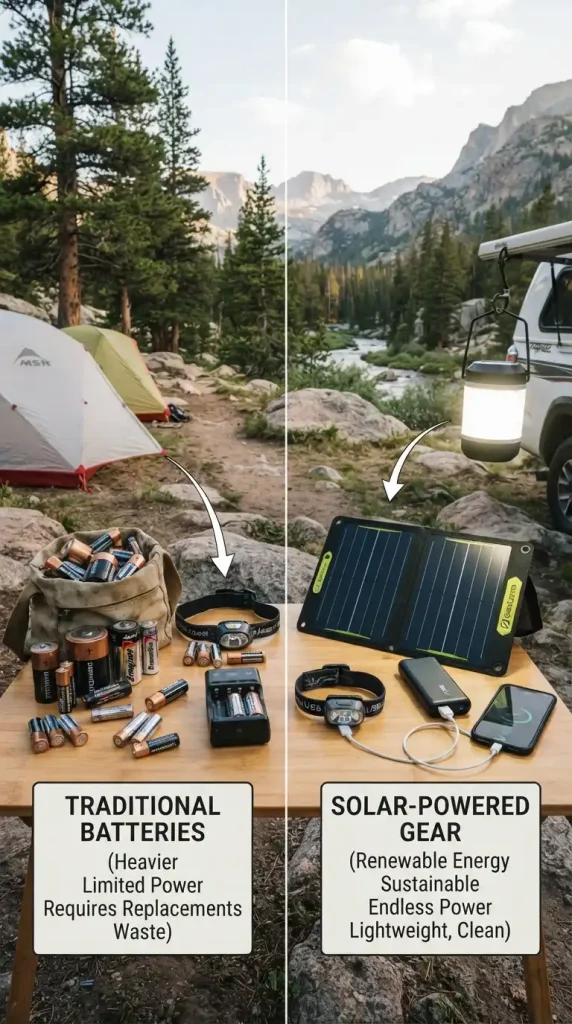
From real experience, yes, if chosen wisely.
They:
- Reduce dependency on fuel and batteries
- Improve safety and comfort
- Support eco-friendly camping
- Add peace of mind
They’re not perfect, but they’re evolving fast, and they already make a real difference.
Final Thoughts
Camping used to mean disconnecting completely, sometimes more than I wanted. Solar-powered outdoor inventions give you control, not dependency. You decide when to unplug and when to stay connected. The biggest lesson I learned is this: Solar gear doesn’t change nature; it changes how prepared you feel in nature. And once you experience that confidence, it’s hard to go back.