
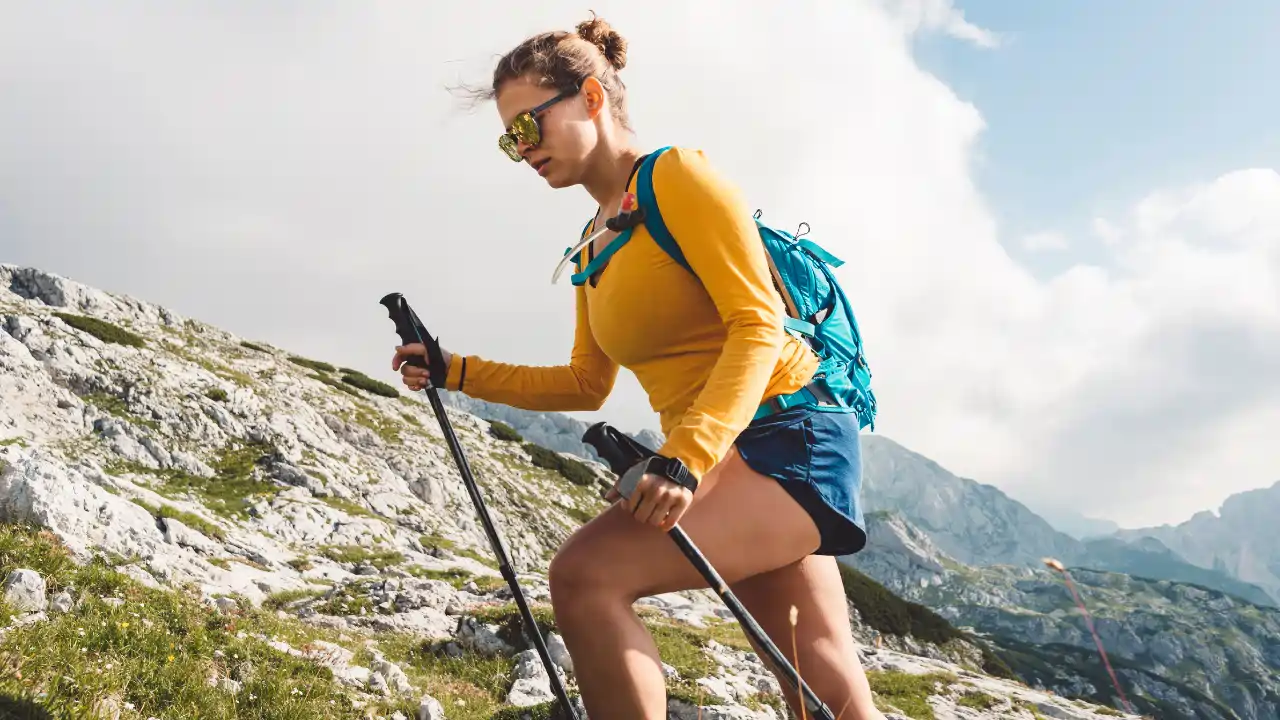
Hiking in the summer opens up vistas of rippling streams and verdant forests, but wearing the wrong clothing can significantly diminish the experience. Wearing apparel that adjusts to summer temperatures and varying conditions is the key to a comfortable and enjoyable hike. The choice is not just about comfort but also about safety.
Hiking under the hot summer sun poses a real risk of heat stroke and dehydration. Therefore, choosing clothing that facilitates breathability, moisture management, and sun protection is crucial. Throughout this introduction, you will learn about various essential items, such as moisture-wicking shirts and protective footwear, to make your summer hiking experiences as safe and enjoyable as possible.
In This Post
Core Clothing Items
Shirts
An ideal hiking shirt for summer should be comfortable and functional at the same time. Many fabrics excel in outdoor environments, including lightweight polyester or merino wool, due to their moisture-wicking properties, which draw sweat from the body and facilitate quick evaporation, keeping you dry and comfortable throughout the day. It is crucial to maintain your body’s cooling mechanism and avoid the uncomfortable feeling caused by sticky fabric; these materials are very breathable, allowing air to circulate through them and keeping a relaxed and comfortable body temperature. It is also worth noting that some hiking shirts come with UPF ratings, which provide additional protection against the harmful ultraviolet rays that the sun emits. There will be no chafing if you choose a shirt that fits well, but chafing is more likely if you choose a too loose shirt.
Pants vs. Shorts
Whether you should wear pants or shorts depends on the environment in which you will hike. Shorts are a favorite when it’s hot out, as they offer more freedom and are more relaxed, which is why they are such a popular choice. Despite this, pants protect against various elements, such as poisonous plants, insect bites, and abrasive rocks, which can prove invaluable when hiking on wild, unmaintained trails. Modern hiking pants are designed with lightweight, breathable fabrics designed to provide the best of both worlds, giving you the best of both worlds. In addition, some pants come with zip-off legs, so you can convert them into shorts when the weather heats up, allowing you to adjust to the changing conditions.
Undergarments
A proper undergarment is one of the unsung heroes of hiking apparel, especially when it comes to summer hiking. A good base layer can significantly affect your comfort since materials like synthetic blends or merino wool can help manage moisture and reduce the risk of chafing by wicking moisture away from the skin. A supportive sports bra is essential for a woman’s comfort when hiking, especially over longer distances or during strenuous hikes. A good pair of socks should also be made from quick-drying, breathable materials to ensure that sweat does not lead to skin discomfort or irritation during wear. When you invest in quality undergarments for hiking, you will have a much better hiking experience, as they will provide you with comfort throughout the day.
Footwear
Hiking Boots
The choice of footwear is essential when planning a hiking trip. Still, it becomes even more crucial during the summer months when the likelihood of uneven terrains and slippery paths increases due to seasonal rains, making it even more vital to wear the proper footwear. Hiking boots with good ankle support and robust, grippy soles must be purchased to tackle rough terrains. Stability and cushioning are two of the ways they protect against injuries. Most hiking boots are designed with breathable materials and moisture-wicking linings to keep your feet dry and cool, despite some being warmer than other footwear options.
Trail Shoes
When it comes to trails that are lighter and less difficult, or if you prefer the feeling of lighter footwear, trail shoes are an excellent choice. It has been found that hiking boots with mesh ventilation and lighter weight are generally better suited to well-maintained trails and shorter hikes than hiking boots with leather uppers. As with hiking boots, they provide substantial support and have a durable sole, but with the added benefit of increased flexibility and air circulation, ensuring that your feet will stay cool during the summer months as the temperature rises.
Socks
It would help never to underestimate the importance of a good pair of socks. They are essential for preventing blisters, regulating moisture, providing additional comfort and cushioning, and preventing blisters. Wearing merino wool or synthetic fibers is highly recommended as these materials wick moisture away from the skin and allow it to dry rapidly, essential for long hikes on hot days. It would help if you chose the thickness of your socks based on the fit of your shoes and your preference; however, thicker socks tend to provide more cushioning and protection for your feet.
Accessories
Hats
A good hat is vital to keeping yourself calm and protected from the sun. A hat with a wide brim is beneficial because it provides shade for your face, ears, and neck. These products can substantially reduce your risk of sunburn and heat exhaustion. A hat with vents or made from breathable materials can add an extra layer of comfort, preventing heat from building up and causing discomfort.
Sunglasses
Protecting your eyes when hiking is crucial, especially in the summer when the sun’s rays are at their strongest. Sunglasses that offer 100% UV protection are of the utmost importance when protecting your eyes. Their primary function is to protect your eyes from UV rays that can damage them over time. Furthermore, it could also reduce glare using polarized lenses, making it easier to navigate through reflective environments such as rivers and wet rocks.
Backpacks
When searching for the right backpack for carrying essentials like water, food, and emergency kits, you need to select one that is manageable so you will feel free. The best designs are those made from lightweight materials and that have good ventilation. Today, most hiking backpacks come with built-in hydration systems, making it easy to access water without stopping and removing your pack from your back.
Other Essentials
Complement your gear with sunscreen, SPF lip balm, and insect repellent. These items are essential to stay protected from sunburn, chapped lips, and insect bites, which can detract from your hiking experience.
Additional Tips
Managing Sweat and Hydration
While hiking in the summer, you must manage your sweat and hydration levels effectively. Staying hydrated and wearing appropriate clothing can help regulate your body’s temperature and prevent heat-related illnesses. Water should be consumed regularly, and you should also consider bringing a hydration pack always to find water when you need it.
Safety Precautions
You should know the warning signs of heat-related illnesses, such as heat exhaustion and heat stroke. Plan your route so that there are shaded areas where possible, and avoid strenuous activities during the hottest part of the day. It is always good to inform someone of your hiking plans and when you expect to return.
Conclusion on What to Wear for Hiking in Summer
When hiking in summer, choosing the proper clothing and equipment is crucial for ensuring your safety and comfort. Preparing for your trip can ensure you enjoy the beautiful landscapes and warm weather without worrying about the discomforts caused by inappropriate clothing. Having the right gear enhances your hiking experience and protects your health in the long run. When packing for a summer hike, include:
- A backpack.
- Sturdy hiking boots.
- A first-aid kit.
- Sunscreen.
- A light rain jacket.
- A water bottle.
Additionally, remember to bring a camera to capture the breathtaking views! Other essential items to bring include a map, compass, and snacks. It’s also important to be well-hydrated throughout the day. Finally, remember to get the necessary permits for hiking in a national park or other protected areas.
What is the best material for summer hiking shirts?
Polyester is the best material for summer hiking shirts. Polyester excels due to its moisture-wicking properties, quick drying time, and durability, making it ideal for keeping hikers cool and comfortable in warm weather.
Are there any benefits to wearing full-length pants instead of shorts?
Wearing full-length pants instead of shorts has several benefits for hikers. Pants protect against sunburn, insect bites, and scratches from underbrush or rocky terrain. They offer better coverage that can prevent skin irritation and provide warmth in cooler temperatures.
What type of hat is best for hiking in direct sunlight?
Yes, a broad-brimmed hat is the best type of hat for hiking in direct sunlight. This style provides extensive coverage, protecting the face, neck, and ears from sun exposure. Broad-brimmed hats also help reduce the risk of sunburn and heatstroke, making them ideal for sunny conditions.
How often should I reapply sunscreen during a hike?
You should reapply sunscreen every two hours during a hike. If you are sweating heavily or swimming, applying more frequently is recommended. Regular application ensures continuous protection from UV rays, reducing the risk of sunburn and skin damage.