I Learned This the Hard Way on a Short Hiking Trip
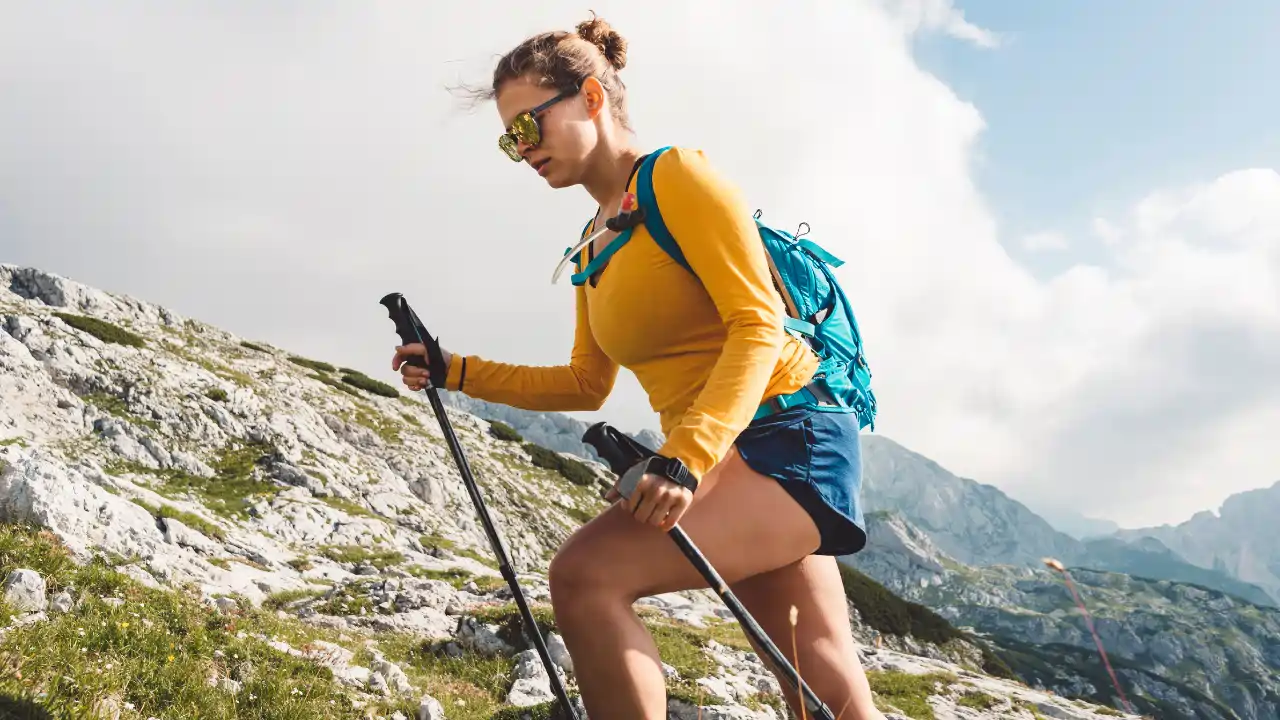
Essential hiking safety gear can make the difference between an enjoyable adventure and a stressful experience. The first time I underestimated a hiking trail, I honestly thought I was prepared. My backpack had snacks, a bottle of water, and my phone. Since the trail was only a few miles long, I figured that was more than enough.
Quick Answer
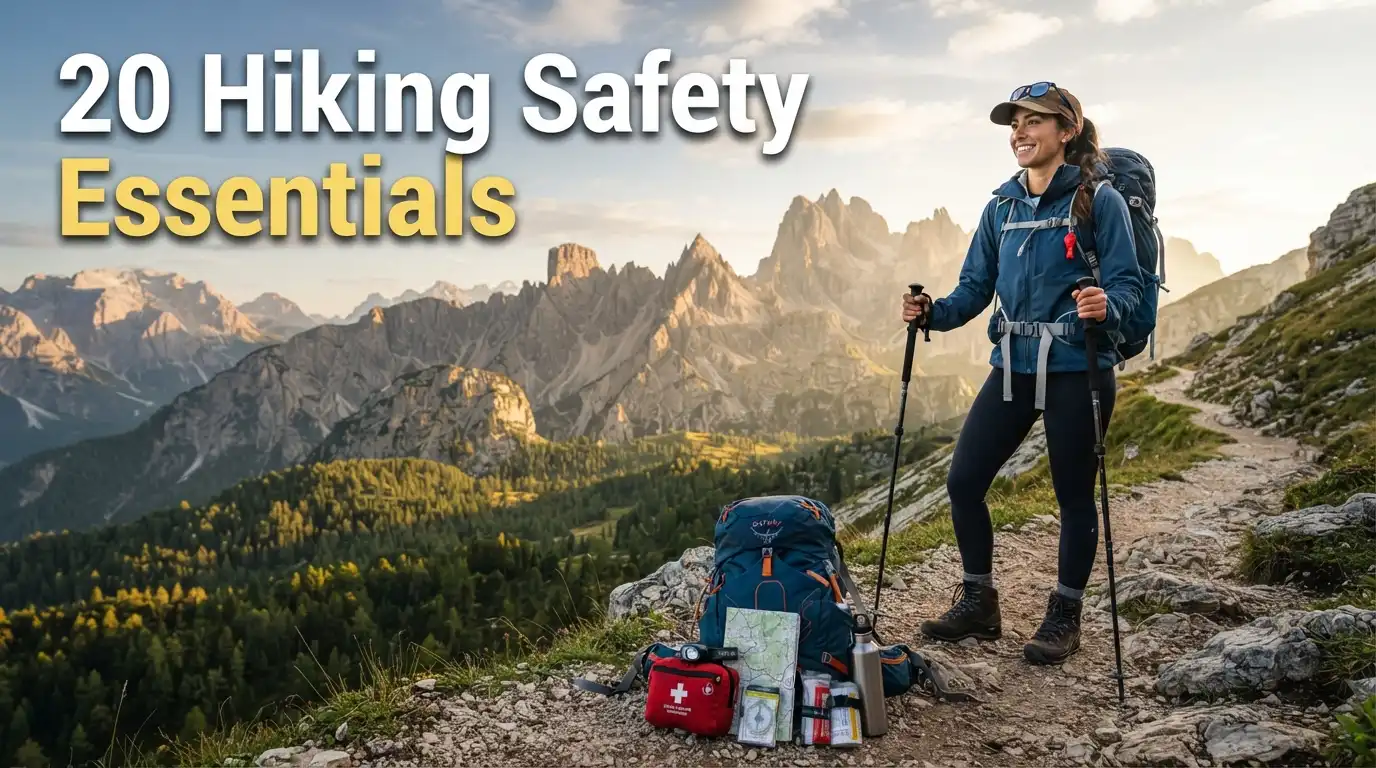
Every hiker should carry a comfortable hiking backpack, plenty of water, navigation tools, a first aid kit, sturdy hiking boots, layered clothing, a waterproof jacket, a flashlight or headlamp, emergency shelter, fire-starting equipment, snacks, sun protection, trekking poles, an emergency whistle, a power bank, a multi-tool, a pocket knife, insect repellent, personal identification, and emergency contact information. These essentials help you stay safe, prepared, and comfortable on any hiking trail.
About halfway through the hike, the weather changed without warning. A cool morning turned into a windy afternoon, and then light rain began to fall. My phone battery was almost dead from taking photos, my shoes were soaked, and I realized how quickly a simple walk could become uncomfortable.
In This Post
Hiking Safety Starts Long Before You Reach the Trail
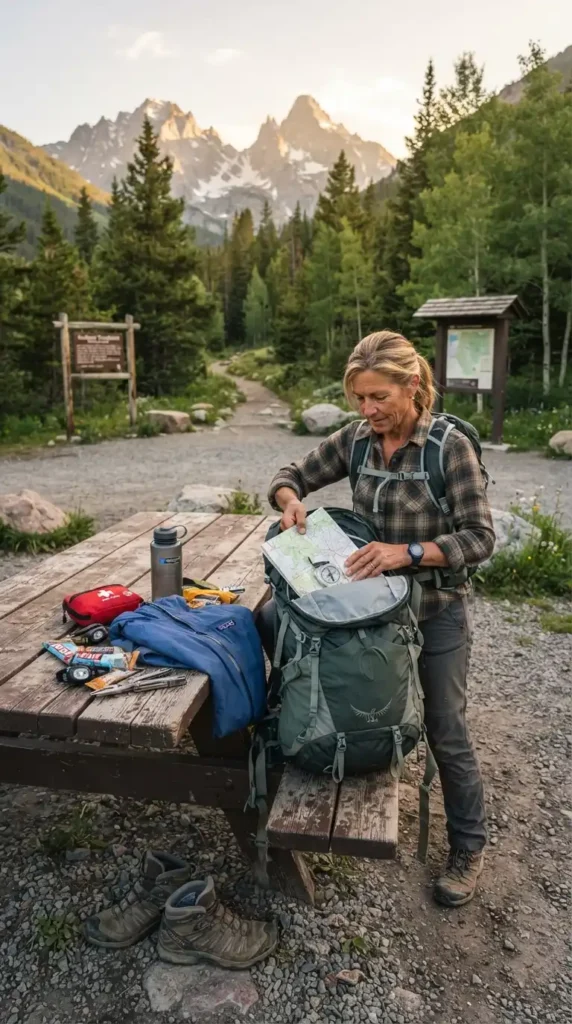
One mistake many beginners make is focusing only on reaching the destination. The excitement of waterfalls, mountain views, or forest paths often overshadows the importance of preparation.
Experienced hikers know something different.
The safest hikes usually begin at home. Checking the weather forecast, understanding the trail difficulty, charging devices, and packing proper safety gear all reduce the chances of small problems becoming serious ones.
I’ve noticed that every experienced hiker I meet carries almost the same core items. Their backpacks may look different, but the essentials rarely change because they simply work.
1. A Reliable Hiking Backpack Makes Everything Easier
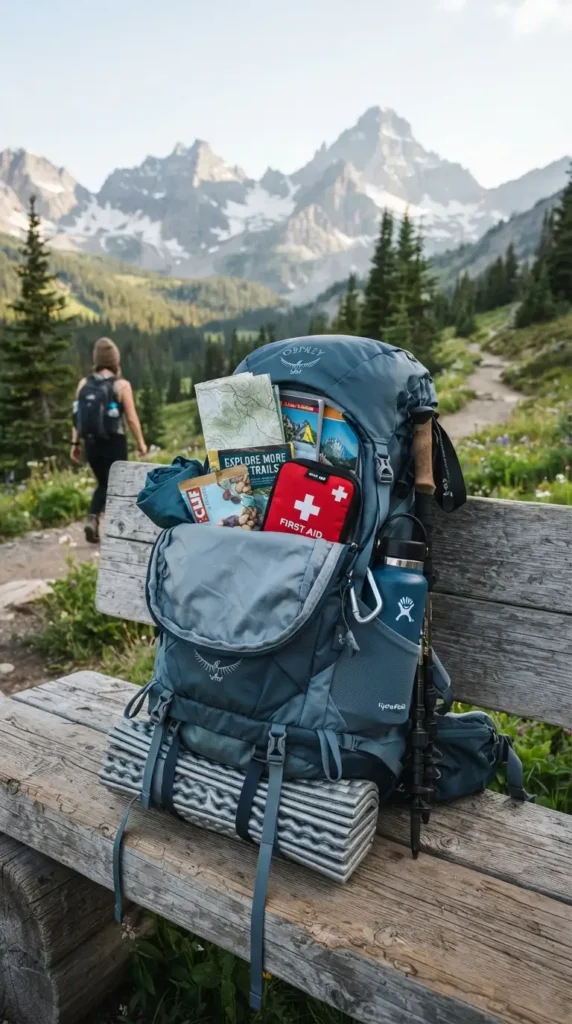
A comfortable hiking backpack is the foundation of every safe trip.
Years ago, I packed gear into a regular school backpack. By the end of the day, my shoulders were sore, the weight was uneven, and finding anything inside felt frustrating.
A proper hiking backpack distributes weight evenly and provides easy access to important items. Adjustable shoulder straps, padded back support, and multiple compartments make a huge difference on longer hikes.
Choose a backpack that matches the length of your hike instead of carrying unnecessary weight.
2. Navigation Tools Can Save You From Getting Lost
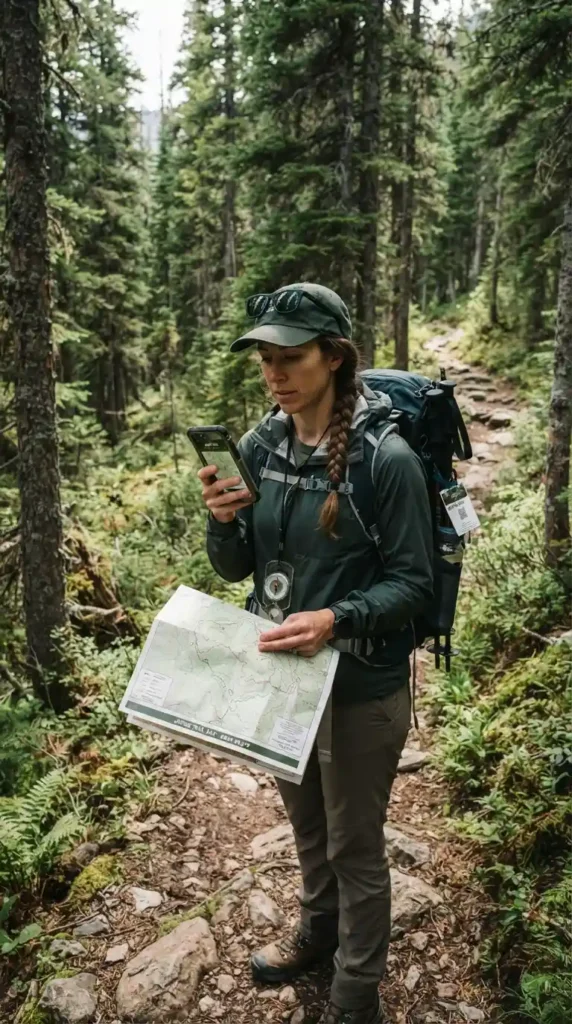
Most people depend completely on smartphone maps.
I used to do the same until I lost signal during a forest hike. Suddenly, the trail markers looked unfamiliar, and every path seemed identical.
Now I always download offline maps before leaving home using apps like AllTrails or Gaia GPS. I also carry a simple compass and a printed trail map whenever I’m visiting unfamiliar areas.
Technology is incredibly helpful, but batteries don’t last forever.
3. Plenty of Drinking Water Is Non-Negotiable
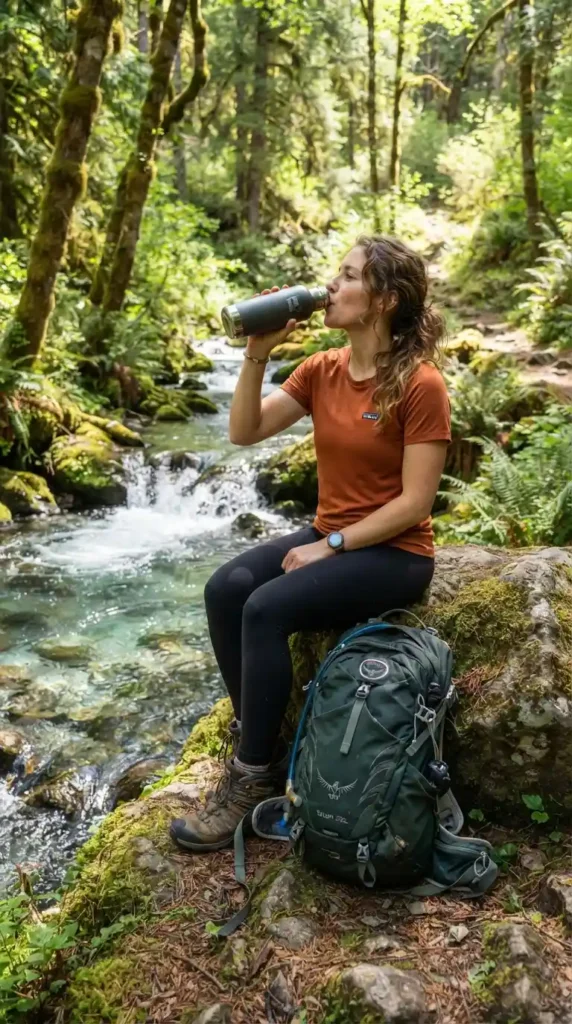
Dehydration happens much faster than many new hikers expect.
During summer hikes, I drink water regularly even when I don’t feel thirsty. Waiting until you’re already dehydrated makes recovery much harder.
A reusable water bottle works well for shorter hikes, while hydration reservoirs make sipping water easier without stopping every few minutes.
For longer adventures, carrying a lightweight water filter or purification tablets provides extra peace of mind if natural water sources become necessary.
4. Comfortable Hiking Boots Protect More Than Your Feet
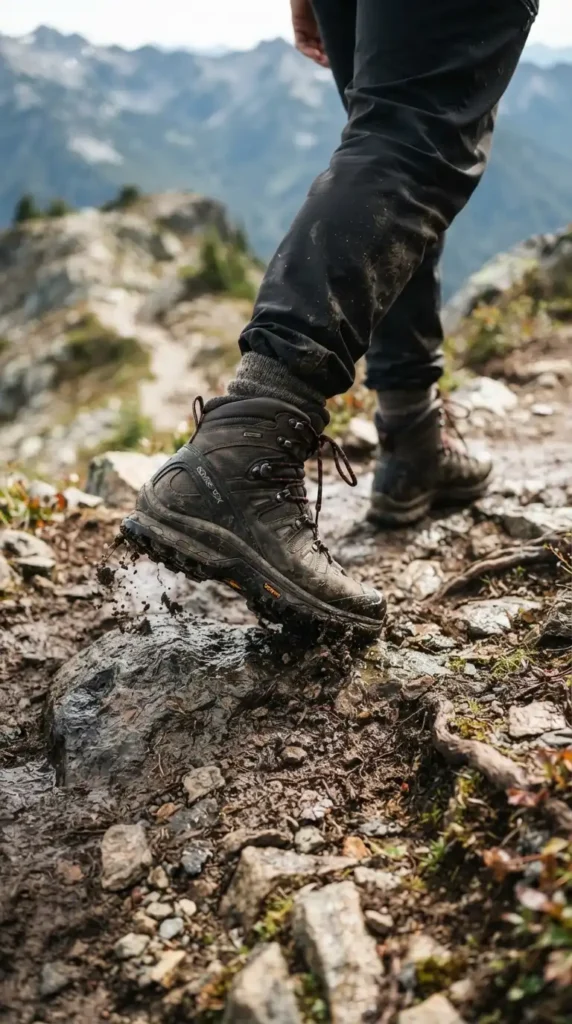
I once wore ordinary running shoes on a rocky trail because they felt comfortable around town.
That decision lasted about thirty minutes.
Loose rocks, slippery mud, and uneven ground constantly challenged my balance. My feet hurt for days afterward.
Good hiking boots provide ankle support, better grip, and stronger protection against sharp rocks and roots. They also reduce fatigue by keeping your feet stable over uneven terrain.
Breaking in new boots before a major hike is equally important. Brand-new footwear can quickly cause painful blisters.
5. Layered Clothing Keeps You Comfortable in Changing Weather
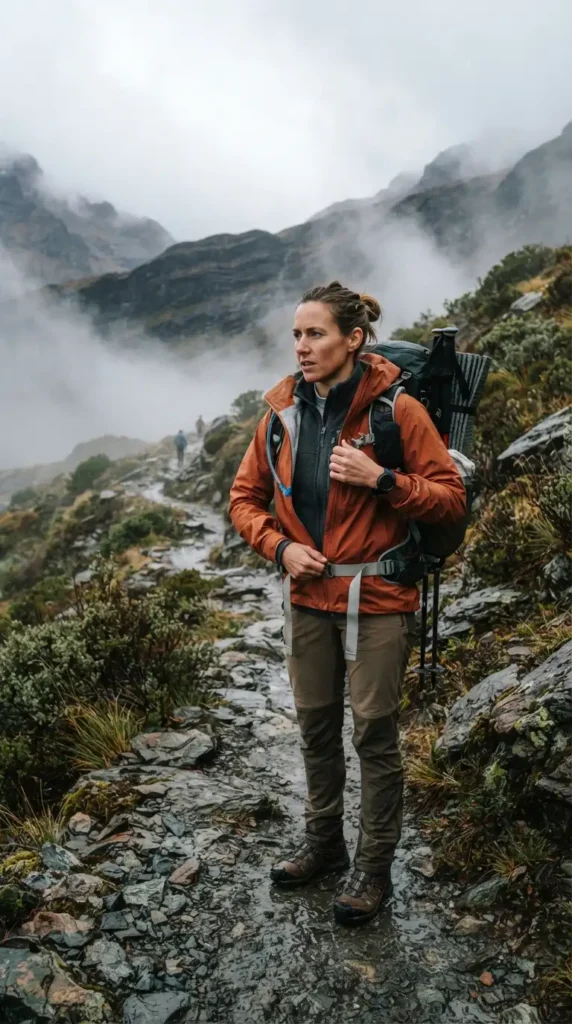
Mountain weather can change incredibly fast.
I’ve started hikes wearing only a lightweight shirt and ended them wearing three different layers before reaching the parking area.
Instead of relying on one heavy jacket, wearing multiple breathable layers gives much better flexibility.
A moisture-wicking base layer keeps sweat away from your skin. An insulating middle layer provides warmth, while a waterproof outer shell protects against wind and rain.
Avoid cotton whenever possible because it stays wet much longer after rain or heavy sweating.
6. Rain Protection Is Worth Carrying Every Time
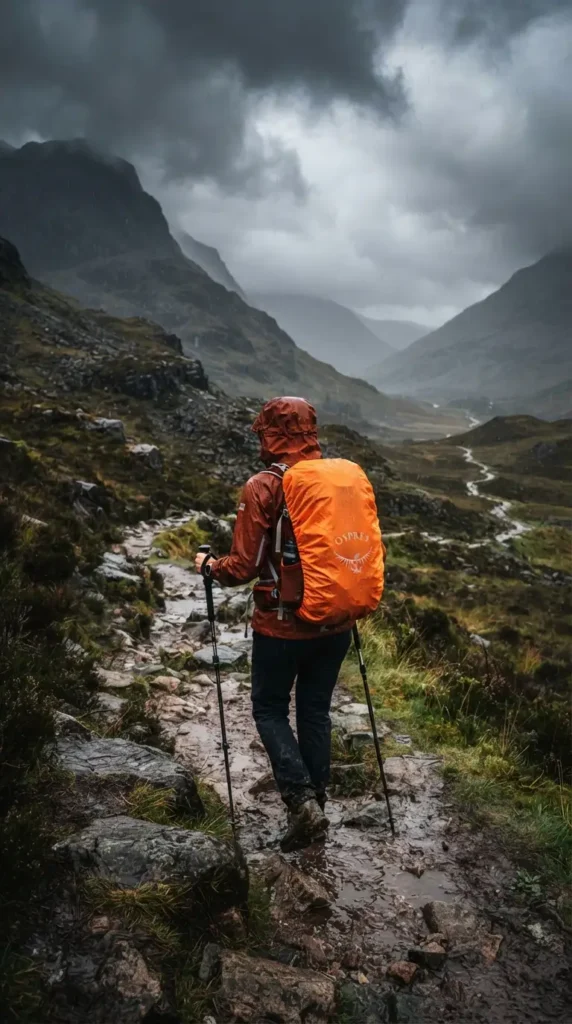
Rain rarely checks your schedule before arriving.
A compact waterproof jacket hardly takes up any backpack space, yet it has rescued several of my hiking trips.
Keeping your body dry also helps maintain body temperature, especially in cooler conditions.
I also pack a small backpack rain cover because soaked gear quickly becomes uncomfortable and difficult to use.
7. First Aid Kit Handles Small Problems Before They Become Bigger
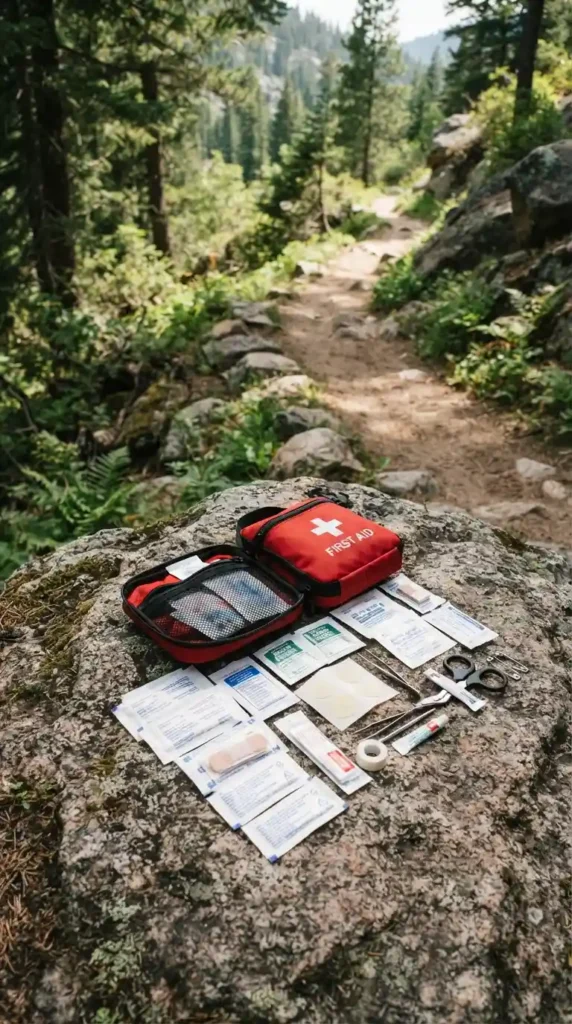
You don’t need a large medical bag.
A simple first aid kit containing adhesive bandages, antiseptic wipes, blister treatment, gauze, medical tape, tweezers, pain relief medication, and small scissors covers most common hiking injuries.
One friend ignored a tiny blister early in our hike.
By the end of the day, that small hotspot had become so painful that every step hurt. Ever since then, treating small issues immediately has become part of my hiking routine.
8. Multi-Tool Is Surprisingly Useful
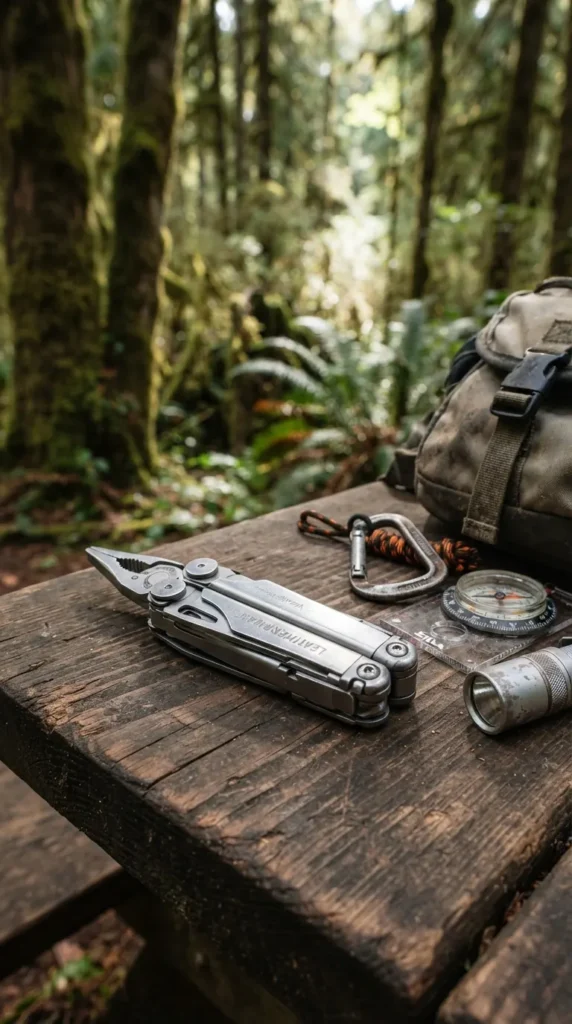
A quality multi-tool has helped me more times than I expected.
I’ve used one to tighten loose backpack straps, cut rope, prepare food, repair broken equipment, and even remove stubborn splinters.
It spends most of the trip sitting quietly inside my backpack, but when something unexpected happens, it often becomes the most valuable tool I carry.
9. Flashlight or Headlamp Should Always Be Packed
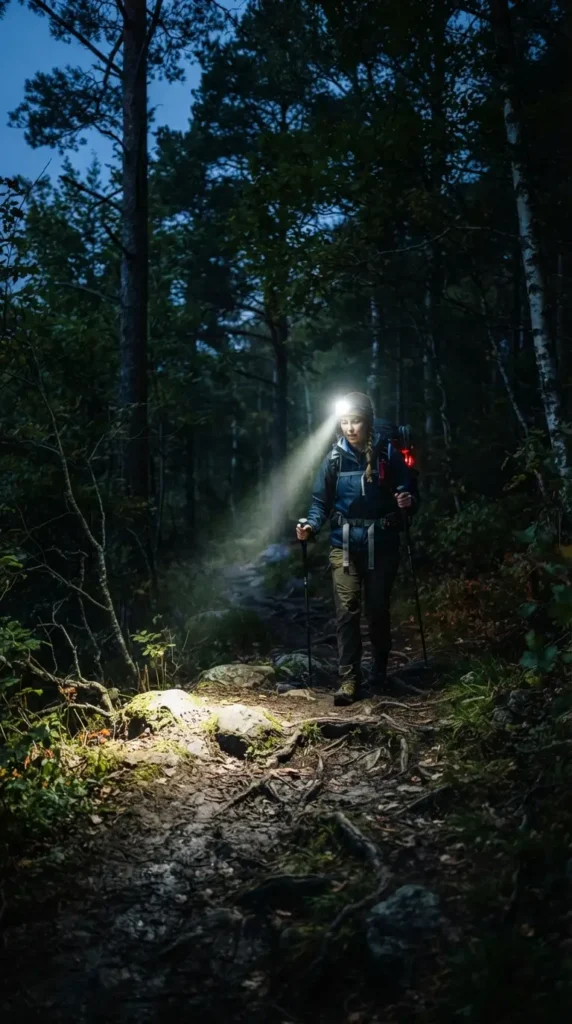
Flashlight or Headlamp Should Always Be Packed
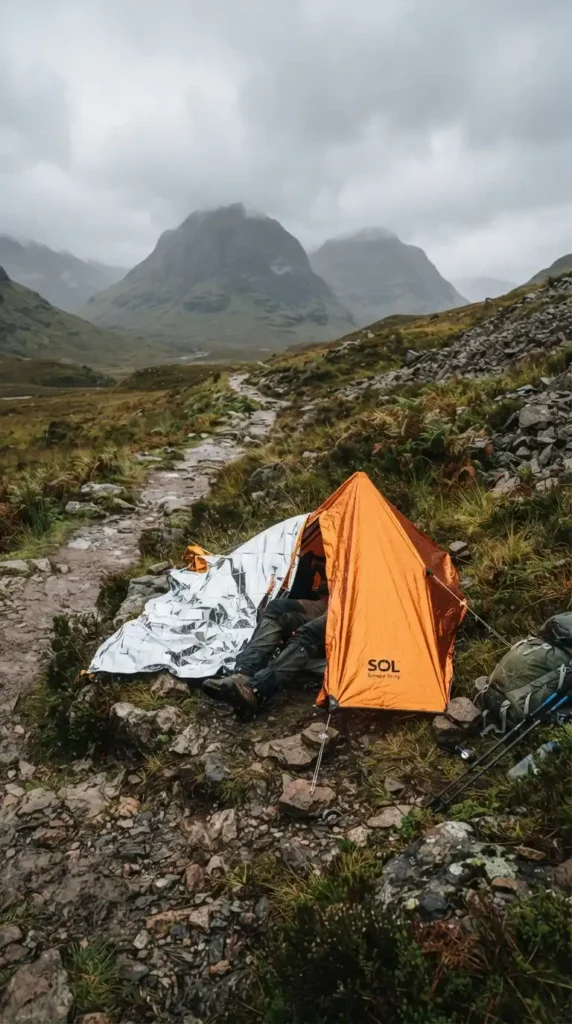
Many hikers overlook emergency shelters because they seem unnecessary.
I used to think the same until a nearby trail closed unexpectedly due to severe weather, forcing hikers to wait several hours before returning safely.
Emergency blankets, lightweight bivvy sacks, or compact emergency shelters provide warmth and protection if plans suddenly change.
Fortunately, I’ve never needed to spend the night outdoors unexpectedly, but carrying an emergency shelter gives valuable peace of mind.
10. Fire-Starting Equipment Is About Safety, Not Camping
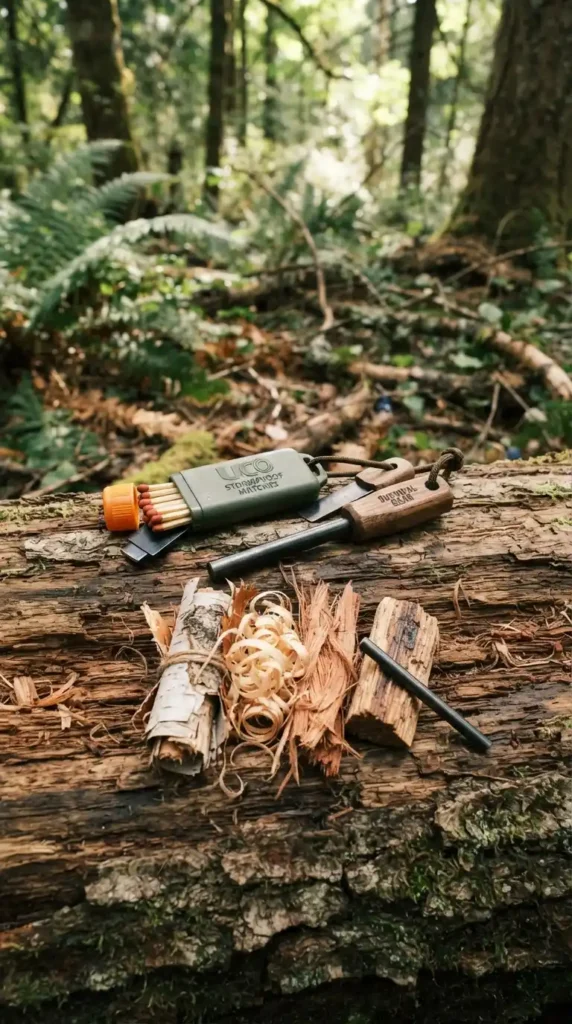
Even on day hikes, waterproof matches or a reliable fire starter deserve space in your backpack.
They’re mainly for emergencies rather than cooking meals.
If someone becomes cold after heavy rain or unexpected delays occur, having the ability to start a controlled emergency fire could become incredibly important where local regulations and conditions allow.
Always understand local fire restrictions before attempting any fire.
11. Snacks Keep Energy Levels Stable
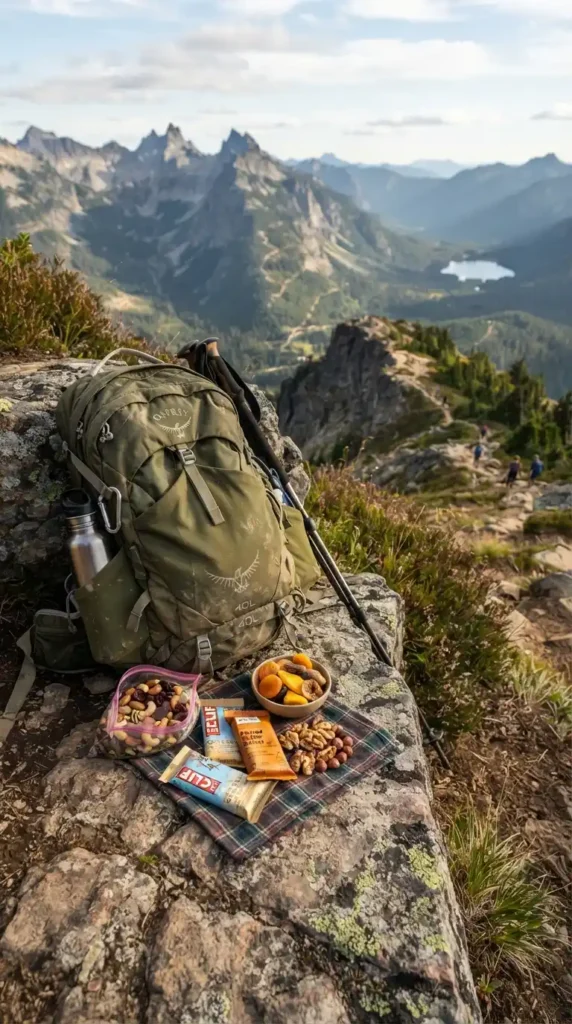
Many beginners underestimate how many calories hiking burns.
Energy bars, trail mix, dried fruit, nuts, peanut butter packets, or jerky all travel well and require no preparation.
I usually eat small portions every hour instead of waiting until I’m exhausted.
That simple habit keeps my energy steady throughout the hike instead of crashing halfway through.
12. Sun Protection Matters Even on Cloudy Days
One of my worst hiking sunburns happened on an overcast day.
Because the sun wasn’t obvious, I skipped sunscreen entirely.
Big mistake.
UV rays still reach your skin through clouds.
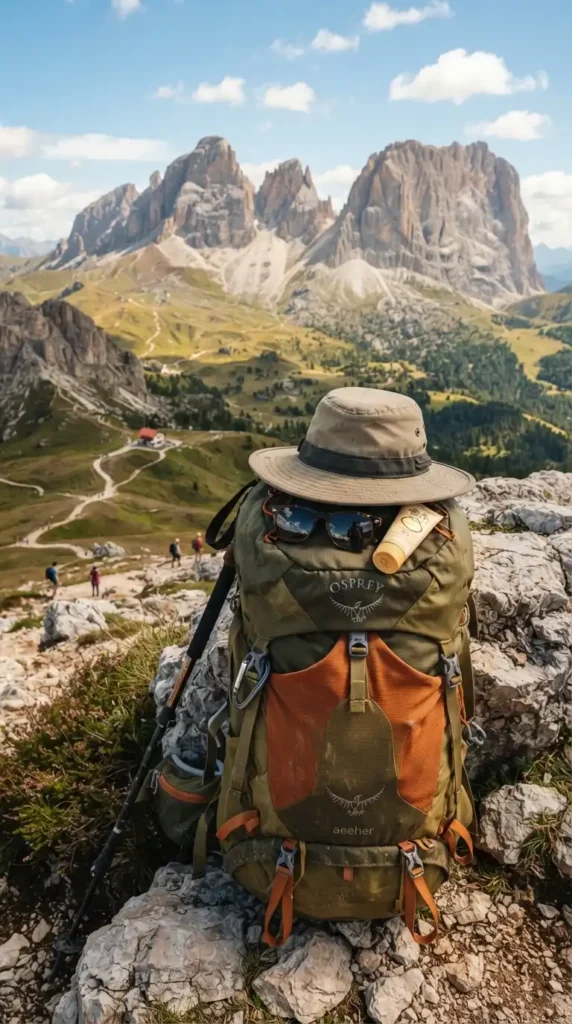
Now I carry sunscreen, sunglasses with UV protection, and a wide-brim hiking hat regardless of the forecast.
These three items have become automatic additions to every hiking bag.
13. Trekking Poles Reduce Fatigue More Than Expected
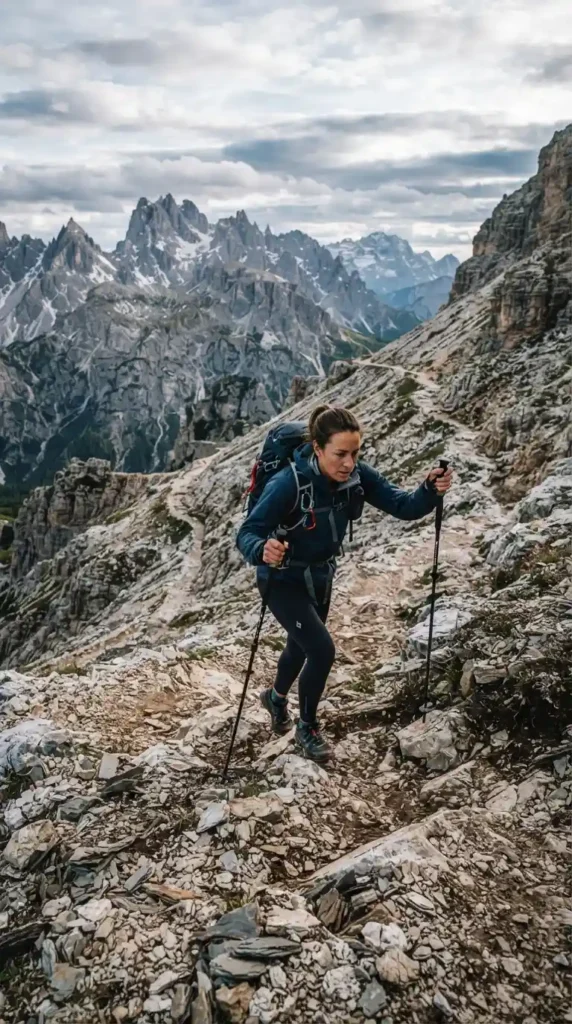
I wasn’t convinced trekking poles were necessary until I borrowed a pair during a steep mountain hike.
Descending rocky slopes suddenly felt easier.
My knees experienced far less strain, and my balance improved significantly while crossing uneven ground.
Today I bring trekking poles whenever I know elevation changes will be challenging.
14. Emergency Whistle Is Small but Powerful
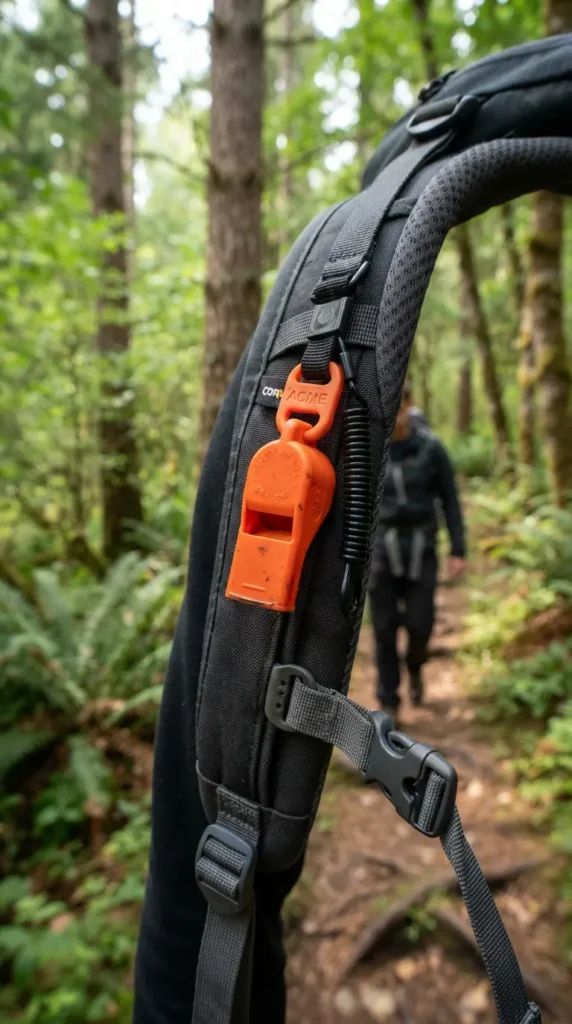
A whistle weighs almost nothing but can be heard much farther than shouting.
If someone becomes injured or lost, repeatedly blowing a whistle requires much less energy than yelling for help.
Many modern backpacks include an emergency whistle built into the chest strap, but carrying a separate one is also a smart choice.
15. Power Bank Keeps Essential Devices Running
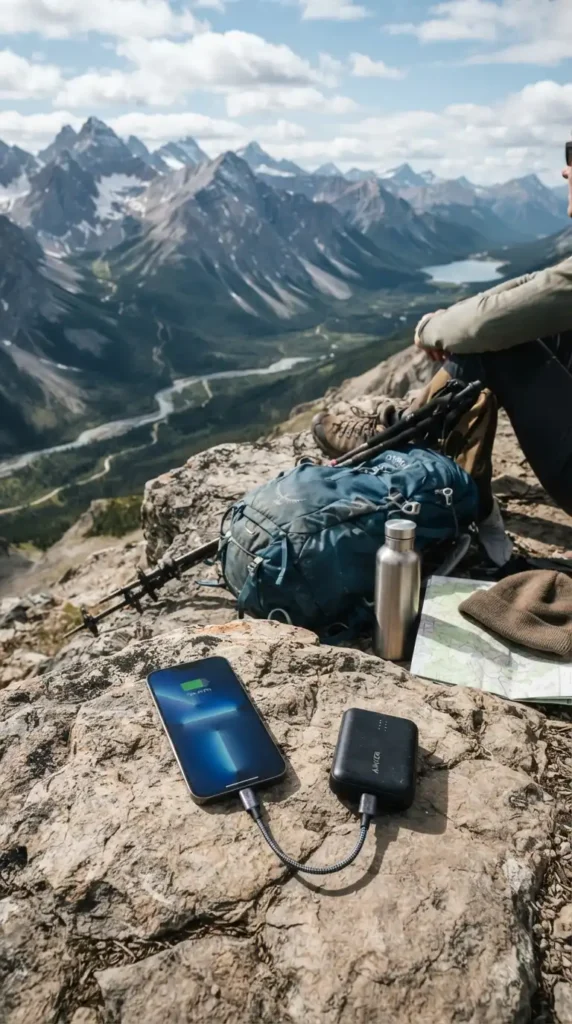
Smartphones have become navigation devices, emergency communication tools, cameras, and weather trackers.
Unfortunately, all of those features consume battery quickly.
A compact power bank has saved my phone battery several times after long days filled with GPS tracking and photography.
Charging cables should always stay inside a waterproof pouch to protect them from rain.
16. Pocket Knife Helps With Everyday Trail Problems
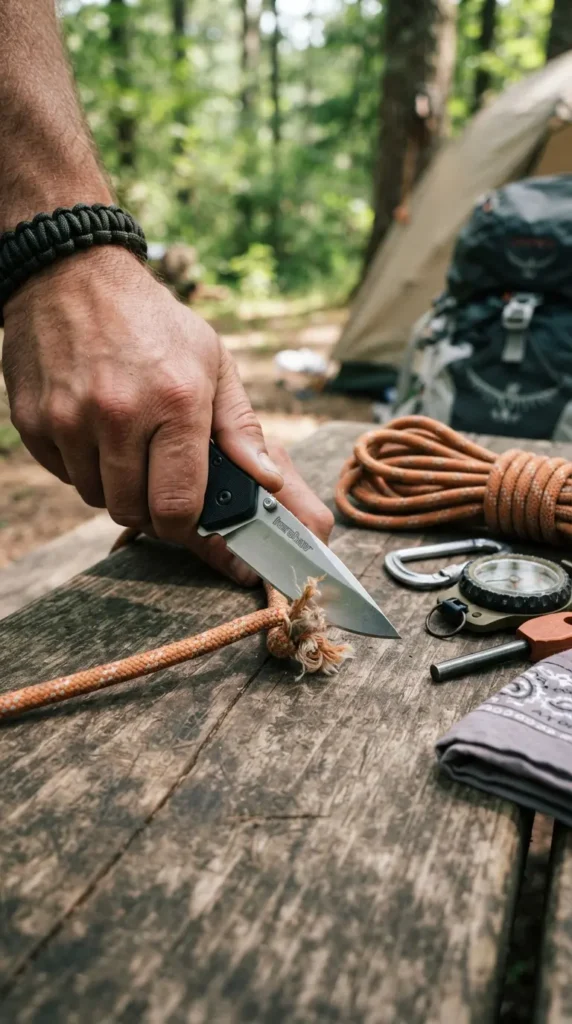
A simple pocket knife has solved countless minor issues during hiking trips.
Opening food packaging, trimming loose rope, repairing damaged gear, cutting tape, or preparing kindling all become easier.
There’s no need for oversized survival knives on ordinary hikes.
A compact, well-maintained knife is usually more practical.
17. Insect Protection Makes Hiking More Enjoyable
Mosquitoes and ticks can quickly turn an enjoyable afternoon into an uncomfortable experience.
I learned this after one summer hike through a heavily wooded area where insects seemed impossible to avoid.
Applying insect repellent before entering dense vegetation dramatically improved future trips.
Long sleeves and lightweight hiking pants also help reduce insect bites without becoming too hot.
18. Packing Your Safety Gear the Smart Way
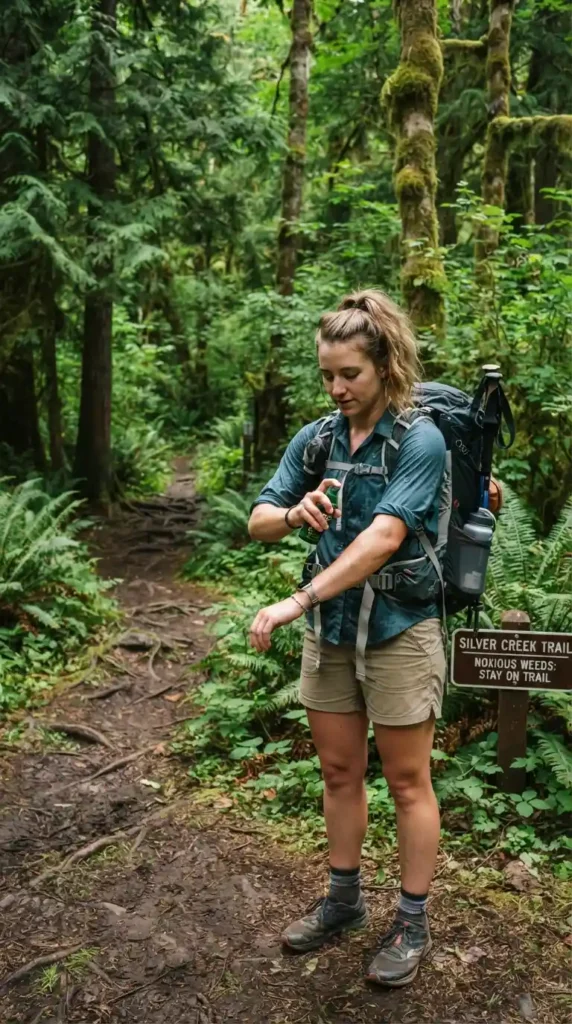
Carrying safety gear doesn’t mean stuffing every available pocket with equipment.
I organize my backpack so frequently used items stay easy to reach.
Water, snacks, sunscreen, navigation tools, and my rain jacket remain near the top. Less frequently needed equipment like emergency blankets stays deeper inside.
This simple organization saves valuable time whenever conditions change unexpectedly.
The goal isn’t carrying the biggest backpack.
It’s carrying the smartest one.
19. Common Mistakes That New Hikers Often Make
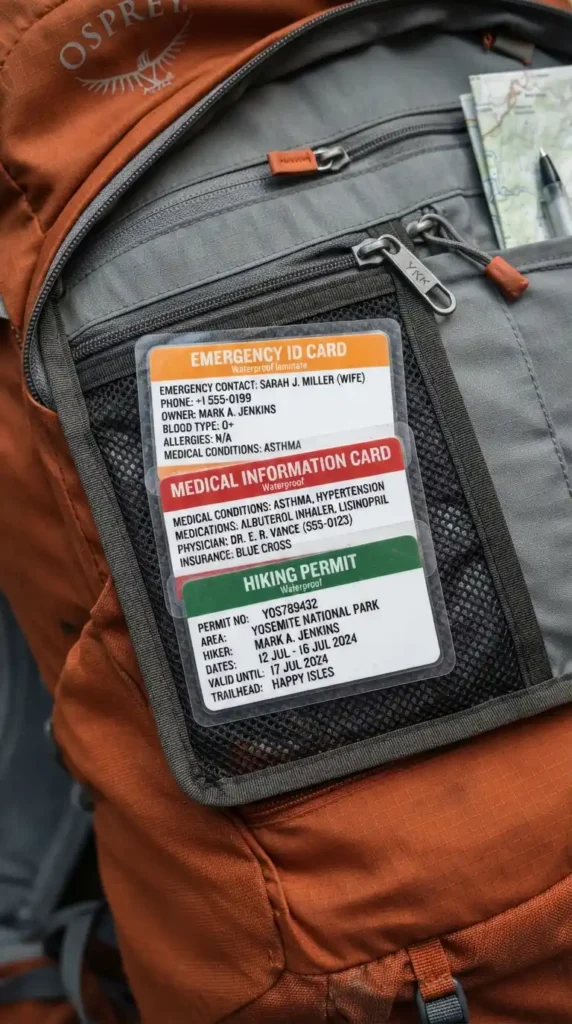
One mistake I see repeatedly is assuming short hikes don’t require preparation.
Distance doesn’t always determine difficulty.
Steep climbs, changing weather, slippery trails, and unexpected delays can happen almost anywhere.
Another common mistake is depending entirely on mobile phones.
Phones are excellent tools, but dead batteries, damaged screens, or weak signals happen more often than many people expect.
Finally, many beginners pack too much unnecessary gear while forgetting the actual essentials.
Extra clothing, heavy gadgets, and unnecessary accessories quickly become tiring when every step counts.
20. Why Good Preparation Creates Better Adventures
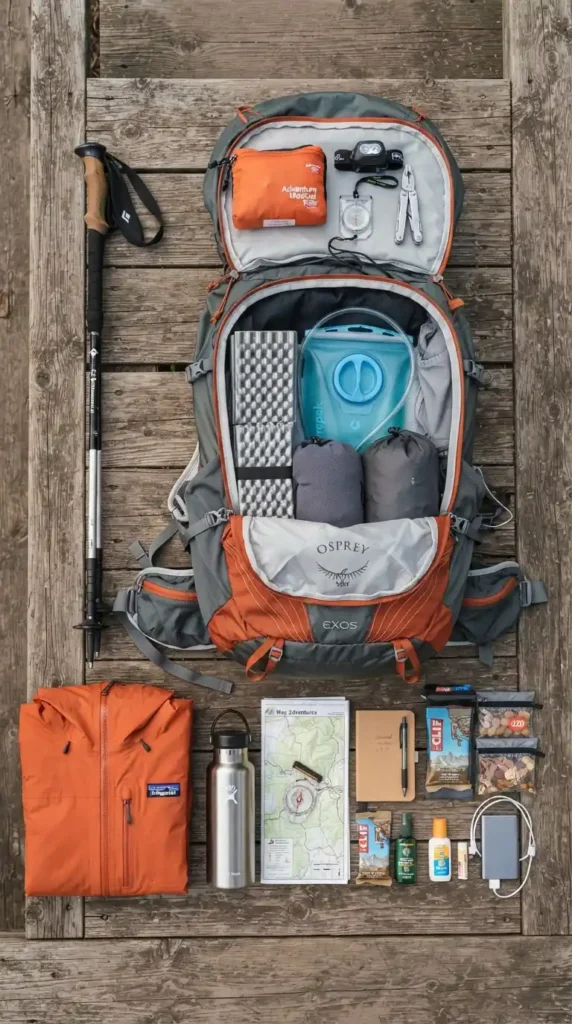
After years of hiking different trails, one lesson stands out above everything else.
The best hiking experiences aren’t usually about reaching the highest mountain or taking the perfect photograph.
They’re about enjoying nature with confidence, knowing you’re prepared if something unexpected happens.
The right safety gear doesn’t remove adventure from hiking. Instead, it gives you the freedom to enjoy every mile without constantly worrying about what could go wrong.
Final Thoughts
Every hike is different. Some days everything goes exactly as planned, while other days the weather changes, the trail is tougher than expected, or small problems pop up when you least expect them. That’s why carrying the right hiking safety gear isn’t about expecting the worst-it’s about being ready for whatever nature throws your way.
Over the years, I’ve realized that the best hiking experiences come from feeling prepared rather than lucky. A well-packed backpack gives you confidence to enjoy the scenery, take your time, and focus on the adventure instead of worrying about what might go wrong.
You don’t need the most expensive equipment or a backpack full of gadgets. Start with the essentials, learn how to use them properly, and adjust your gear as you gain more hiking experience. Every trip will teach you something new, and every lesson will help you become a smarter and safer hiker.