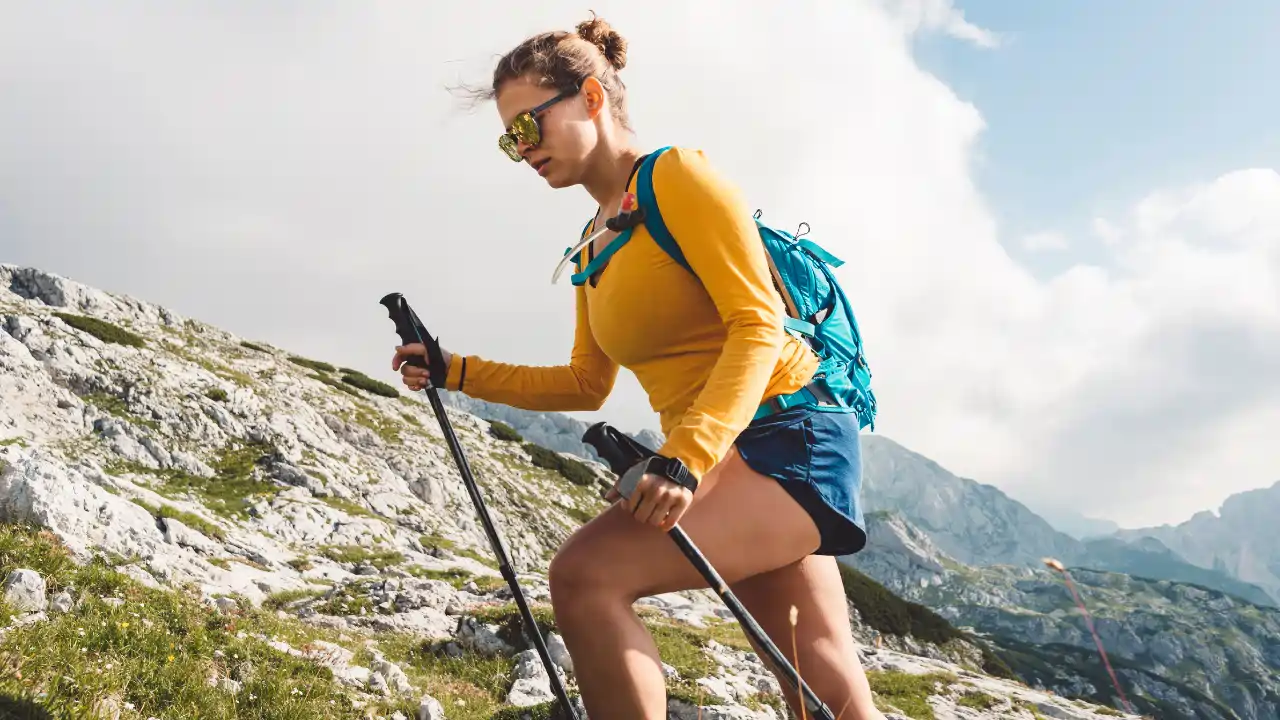
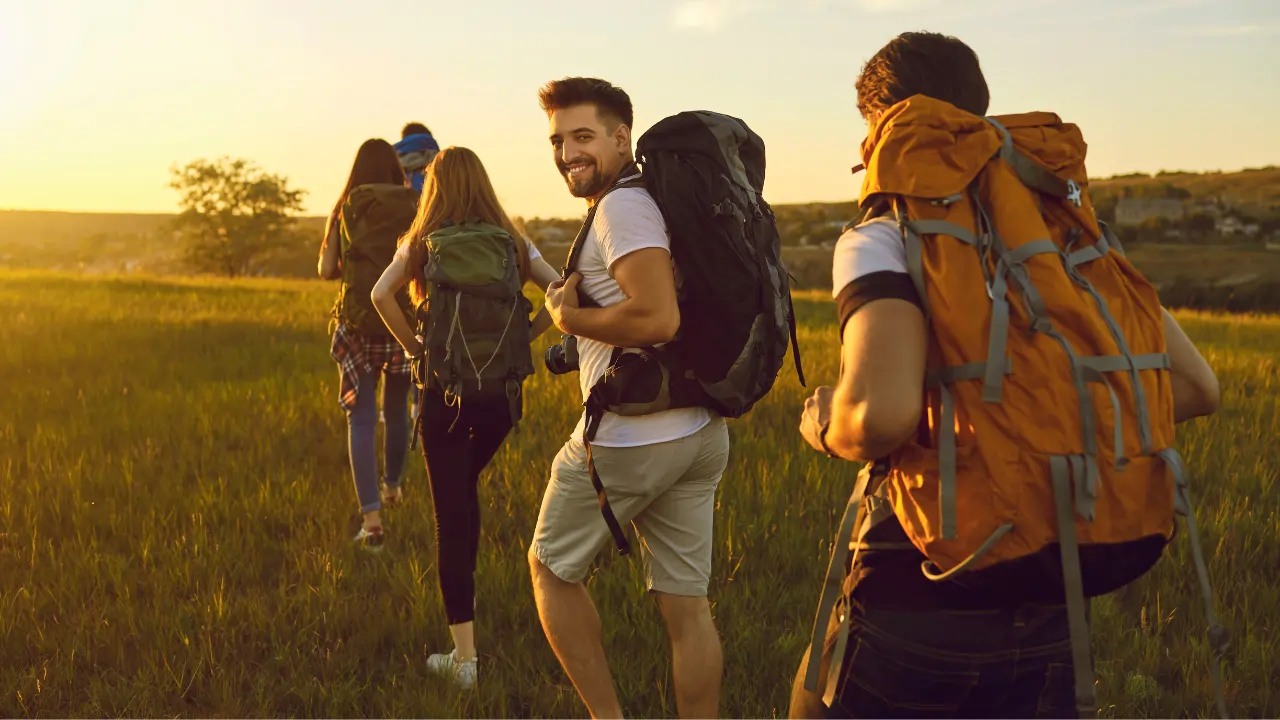
Hiking blends exercise, adventure, and a deep connection with nature. It offers a unique way to experience the beauty and tranquillity of the great outdoors, whether you explore local trails or go on a multi-day trek. Discover the essence of hiking, its benefits, and everything you need to know to get started. How do you hike? Everyone is welcome to take part in this enriching activity.
Key Takeaways
Hiking essentials:
- Comprehensive Benefits: Hiking improves cardiovascular health, reduces stress, and fosters social connections.
- Accessibility for Beginners: Start with well-marked local trails suitable for your fitness level to build confidence.
- Necessary Gear: Proper equipment, such as hiking boots, water bottles, and navigation tools, is essential for a safe experience.
In This Post
What is Hiking?
A hike involves walking through forests, mountains, or other scenic landscapes, often on trails or paths. It ranges in difficulty from easy, leisurely walks to strenuous, multi-day treks, but it’s always enjoyable. It is believed that the origins of hiking can be traced back to early human history when walking long distances for survival was necessary. As time passed, it evolved into a recreational activity many people enjoyed. A hike can be day hiked, backpacked, thru-hiked, or section hiked, each offering unique experiences.
Appalachian, Inca, and Camino de Santiago trails are popular hiking destinations. The promise of adventure and breathtaking views attract enthusiasts from around the globe. Hiking has become increasingly popular in recent years as people look for ways to reconnect with nature and experience new places. Hiking is a great way to explore and enjoy the outdoors, and it’s also a great way to relax and take a break from the stresses of everyday life.
Benefits of Hiking
The benefits of hiking include improved cardiovascular health, strength, and endurance. Weight loss lowers blood pressure and reduces the risk of heart disease, which can all be achieved through hiking. Hiking is a powerful stress reliever. Walking in nature promotes relaxation, reduces anxiety, and improves overall mood and mental clarity. Moreover, hiking offers social benefits, offering opportunities to bond with family and friends or meet new people.
Hiking fosters Nature appreciation and conservation, encouraging hikers to protect natural landscapes. In addition, hiking provides physical health benefits, such as improved cardiovascular and respiratory health. It can also help to reduce chronic pain and muscle tension.
Hiking for Beginners
Hiking can be as simple as finding a local trail. As a beginner, picking a trail that matches your fitness and experience levels is essential to avoid injury. Finding trails that offer well-marked paths, moderate distances, and gentle elevation changes is necessary. You will still like challenges such as navigating terrain, weather conditions, and physical exertion, but you should be able to cope with proper preparation.
Start with shorter hikes to gain confidence and experience. A local hiking group or club can also provide support and guidance. Take along a friend or companion for added safety and camaraderie. Bring the necessary supplies, such as water, snacks, and a map. Finally, enjoy the journey and take the time to appreciate the beauty of the natural surroundings.
Hiking Essentials
Gearing up for a hike requires the proper clothing and footwear. Make sure you wear layers and fabrics that wick moisture. A pair of durable and comfortable hiking boots or shoes will provide the support and protection you need. An essential backpack, water bottle, GPS device, map, and compass are also essentials. It would help if you also carried sunscreen, a hat, sunglasses, a first aid kit, and snacks.
Packaging efficiently is critical to making the most of the trip for long hikes and more challenging terrain. Ensure you carry enough water, pack lightweight and durable gear, and always be prepared for emergencies. Bring along extra batteries and chargers for any electronics you are taking. Pack a flashlight and headlamp in case of darkness. Lastly, bring a trash bag for any trash you may find.
Best Hiking Trails for Beginners
There are numerous beginner-friendly trails in North America, including the more manageable sections of the Appalachian Trail. Yosemite Valley also offers accessible trails. The Camino de Santiago in Spain offers easy stages for beginners, while the Lake District in England offers gentle hikes through picturesque landscapes perfect for beginners.
It is not uncommon for visitors to Asia to seek cultural experiences and natural beauty in places like Mount Takao in Japan and Taman Negara in Malaysia. Local parks and nature reserves offer convenient and often less crowded trails, perfect for beginners. Many national parks in the United States also provide beginner-friendly trails. These include Grand Canyon National Park, Yellowstone National Park, and Yosemite National Park.
Hiking Safety Tips
Preparation is vital to hiking safety. Always research before hiking and plan your hike according to your fitness level and the weather conditions. Be sure to dress in layers and bring appropriate gear if the weather changes unexpectedly. A good understanding of the local wildlife and knowing what to do if you encounter one is vital when dealing with wildlife. If you carry a basic first aid kit and learn how to use it, you can avoid serious injuries caused by minor injuries. Your hiking plans and expected return time should be shared with someone.
Lastly, preserve the area’s natural beauty by following Leave No Trace principles. Always bring enough food and water for your outing. Respect wildlife by keeping your distance and avoiding disturbing them. Make sure to leave no trace by using designated trails and respecting private property.
Staying Fit for Hiking
Staying in good physical shape is essential to enjoying hiking as much as possible. Your fitness regimen should include exercises like cardio, strength training, and flexibility. Various activities, including running, cycling, and yoga, can improve stamina and overall physical condition. Eat balanced meals that provide sustained energy before, during, and after your hike. Hydration is crucial on longer hikes.
A hiker’s recovery involves stretching, hydrating, and resting to avoid injuries and muscle aches after a hike. The good news is that regular exercise and a healthy diet will enhance your hiking performance and make your outdoor adventures more enjoyable.
Personal Hiking Experiences
Stories and experiences add a relatable and inspiring touch to hiking. Beginners can learn from seasoned hikers how they conquered challenges and experienced breathtaking moments on their first hikes. Sharing trail experiences, such as preparedness and unexpected discoveries, gives valuable insights. Readers can be captivated by high-quality photos from hikes and inspired to explore new trails.
Several testimonials describe how hiking has transformed their lives and how they are inspired to embrace their surroundings and experience the outdoors to the fullest. Hiking can be an activity that is both educational and enjoyable. It can also help build self-confidence and an appreciation for nature. Finally, it encourages healthy lifestyle choices and can be a great way to bond with family, friends, and nature. Hiking is also a great way to break everyday stresses and connect with nature. It can also help to reduce stress and anxiety levels.
Conclusion
The hiking activity combines physical exercise, mental relaxation, and a connection with nature. It does not matter whether you are a beginner or an experienced hiker; some trails and experiences await you to discover. Having the proper understanding of hiking, recognizing its benefits, and preparing properly for a hike, anyone can take advantage of the adventure and serenity that hiking offers. It’s time for you to lace up your boots, pack your essentials, and step out into the great outdoors of this country.
It is a great place to share your hiking experiences, ask questions, and become part of an active hiking community. Best wishes for a safe and enjoyable hike! Remember to take lots of pictures and share your experience with others! Hiking is a great way to explore nature, make new friends, and enjoy the outdoors. Enjoy!
Frequently Asked Questions FAQs
How can beginners start hiking safely?
Beginners can start hiking safely by selecting trails that match their fitness levels, starting with shorter hikes and always carrying essential supplies such as water, snacks, and a map. Proper preparation and understanding of the trail’s difficulty are crucial for a safe hiking experience.
What are essential gear items for hiking?
Essential hiking gear items include durable hiking boots or shoes, moisture-wicking clothing, a backpack, a water bottle, a map and compass, sunscreen, a hat, sunglasses, and a first aid kit. These items ensure safety, comfort, and preparedness for various trail conditions and weather.
What should hikers do to stay safe on the trails?
To stay safe on the trails, hikers should plan their route according to fitness and weather conditions, carry essential gear like a first aid kit, and understand local wildlife. It’s also crucial to hike in layers, follow Leave No Trace principles, and share plans with someone before departure.