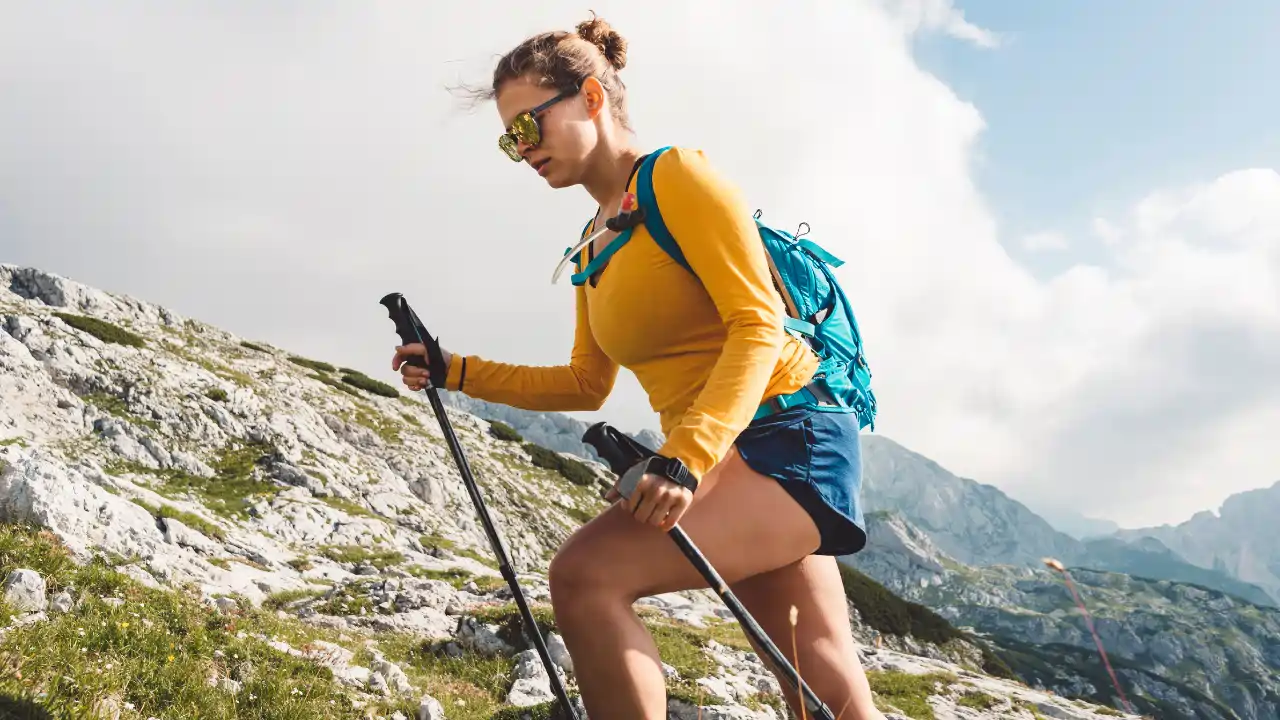
The hiking pole has become an indispensable companion for outdoor enthusiasts, offering stability, support, and confidence. Whether ascending steep ascents, traversing rocky terrain, or simply enjoying a stroll through nature, learning how to use hiking poles correctly can significantly enhance your experience. In this detailed guide, you will find out all the essential information about hiking poles, including the vital techniques, tips, and benefits you can expect from using a hiking pole on your next adventure.
A hiking pole can provide additional stability and balance for hikers who are hiking on uneven terrain, as well as reducing fatigue for hikers who are taking long hikes. It is also possible to use them to push yourself through challenging terrain, which can reduce the risk of slips and falls and can be used to help reduce the risk of falls.
In This Post
Understanding the Role of Hiking Poles
Hiking poles offer several benefits beyond simply providing stability for hikers. Because they distribute weight more evenly over the shoe, it reduces the strain on your lower body joints, making long hikes more enjoyable and manageable. Contrary to popular belief, hiking poles aren’t just for older people or those suffering knee problems; they’re also a good companion for hikers of any age and fitness level. You can also use hiking poles to maintain your balance on rugged terrain so you can walk more confidently and safely on rough terrain with your hiking poles. It is also important to keep your eyes on them to help you navigate unfamiliar terrain, giving you a sense of security. The sticks can also be used as walking sticks in emergencies if required to fend off wildlife.
Choosing the Right Hiking Poles
Choosing the perfect hiking pole involves considering various factors such as the terrain, the preferences of the individual, and the budget available. The versatility of telescoping poles makes them suitable for a wide range of heights and terrain types while folding poles make it easy to store and transport them. It is possible to choose different combinations of durable and lightweight materials, such as aluminum and carbon fiber, depending on your needs. Poles with shock absorption features are recommended to reduce the strain on the body while hiking. A good grip should also be selected carefully to hold it comfortably and securely. Finally, it is important to consider the cost of poles before purchasing them to make an informed decision.
Adjusting Your Hiking Poles
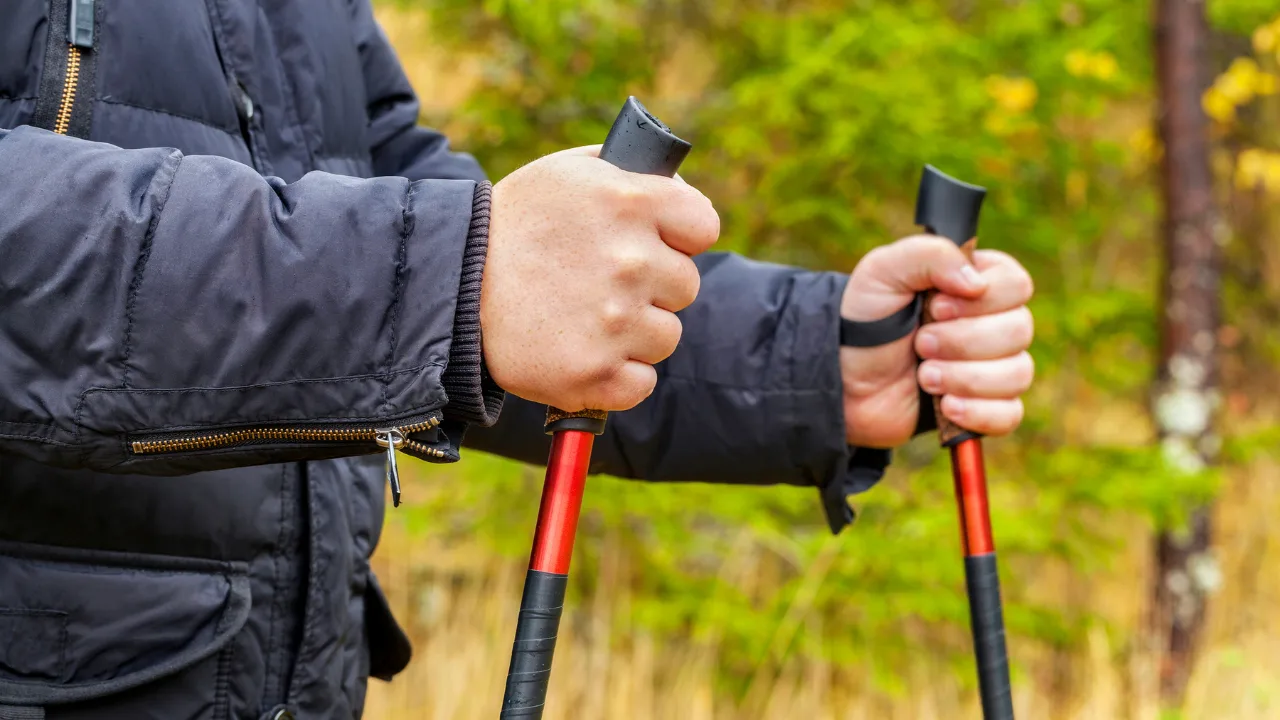
Properly adjusting your hiking poles is essential to ensuring they can perform as efficiently as possible. Setting the correct pole length for you is the first step, determined by the terrain and height. It is advisable to use wrist straps to improve stability, reduce the strain on your wrists and hands, and ensure they are positioned correctly for the most effective support. Finally, ensure that you hold the poles firmly and use the correct technique when you grip them. The top of your thumb and index finger should be placed on the pole as your hands are cupped around the pole. There should be a slight bend in your elbows, and your upper arms should always remain parallel to the ground.
Mastering Hiking Pole Techniques
Getting the most out of your hiking poles requires you to become proficient in using them properly to maximize their effectiveness. The first step towards mastering the basic walking technique is to synchronize your arm and leg movements to maintain a natural rhythm. Throughout your journey, as you progress, you will learn specific strategies for navigating uphill climbs, downhill descents, and challenging terrain features such as rocks and roots. Experimenting with different pole lengths and angles is recommended to find the best combination for you. It is important to practice on various types of terrain to become comfortable in all kinds of environments. As a final note, remember to keep hydrated throughout the day and take breaks to avoid overexerting yourself.
Practical Tips for Optimal Performance
For hiking poles to be of maximum benefit, it is essential to implement practical tips for optimal performance to maximize their effectiveness fully. It would help if you used the poles to strike the ground at the right angle and with the right force, thus enabling you to test your stability and the terrain conditions ahead. You should avoid gripping the poles too tightly, as this can cause hand fatigue and discomfort if you grip them too tightly. Keep your poles upright and with the upper end pointing towards the sky while carrying them. Depending on your height and the terrain you will be traveling on, you may need to adjust the pole’s length accordingly. The last step to maximizing the poles’ benefits is practicing proper posture and technique.
Common Mistakes to Avoid
Hikers often need to correct their mistakes when using hiking poles, even though they are simple. A widespread error leading to discomfort and inefficient movement is the incorrect pole length adjustment. There is also a downside to over-relying on poles for balance, as it can interfere with natural movement patterns on the trail and reduce your agility. It is also possible to suffer an injury from improper use of poles since improper technique can result in muscle and ligament strains. It is also recommended that hikers practice the proper use of their poles before hitting the trail to make sure they know how to use them when they hit the trail.
Exercises and Preparations for Hiking with Poles
Preparing your body for hiking with poles involves more than just strapping them on and going on the trail. Adding strengthening exercises to your upper body and core will help you increase your endurance and stability. A stretching routine can enhance flexibility and prevent injuries, ensuring you’re ready for the demands of the trail as you embark on your adventures. It would help if you had the strength and endurance to walk with poles, so start slowly and increase the intensity as your body becomes accustomed to walking with them. It would help if you considered using poles for some time to get used to the balance and coordination that you will need on a hiking trail.
Maintenance and Care of Hiking Poles
Properly maintaining your hiking poles is crucial to prolong their lifespan and ensure that they perform at their best. Inspect your poles regularly for wear and tear and clean them regularly. Pay close attention to the poles’ tips, baskets, and wrist straps for signs of wear and tear. Replace any damaged components as soon as possible to avoid compromising their performance on the trail. Furthermore, to protect your poles from the elements, store them in a cool, dry area. Poles can become brittle and break in direct sunlight and heat. Also, lubricate the joints regularly to prevent friction.
Conclusion
It is important to master the art of using hiking poles to elevate your hiking experience to new heights, providing stability, support, and confidence on any trail you hike. Understanding the role of hiking poles, selecting the right gear, and mastering essential techniques will give you the key to unlocking a whole new world of adventure and exploration in the great outdoors. Furthermore, hiking poles can also help reduce fatigue and strain on joints, allowing you to hike farther and longer for a longer period. Ultimately, hiking poles are a necessary piece of equipment for any outdoor enthusiast who enjoys spending time outdoors.
Frequently Asked Questions (FAQs)
Are hiking poles necessary for all types of hiking?
Yes, hiking poles are necessary for all types of hiking. They provide stability and support on various terrains, reducing joint strain and enhancing balance. Hiking poles also help distribute weight evenly, increasing endurance and reducing fatigue. Whether tackling steep ascents or navigating rocky paths, hiking poles offer invaluable assistance for hikers of all levels.
Can I use hiking poles if I have knee or joint issues?
Yes, hiking poles can help alleviate knee or joint issues. By redistributing weight and providing support, they reduce strain on joints, making hiking more comfortable. Hiking poles also improve stability, decreasing the risk of falls or injuries. Overall, they benefit individuals with knee or joint problems, enabling them to enjoy hiking more easily.
How do I know if I’ve adjusted my hiking poles to the correct length?
You’ll know your hiking poles are adjusted correctly when your elbows form a 90-degree angle while holding them, with tips touching the ground. This position ensures optimal support and efficiency, reducing strain on your arms and maximizing hiking stability. Adjusting your poles correctly enhances comfort and improves your overall hiking experience.
Do I need to replace the tips and baskets of my hiking poles regularly?
Yes, for optimal performance, hiking pole tips and baskets must be regularly replaced. Worn tips reduce traction, compromising stability on the trail. Likewise, damaged baskets affect pole placement and support. Replacing these components regularly ensures reliable grip and support, enhancing safety and enjoyment during hikes.