Outdoor activities like hiking and trekking have surged in popularity, attracting adventure enthusiasts from all walks of life. Whether you’re interested in exploring picturesque trails or testing your limits on challenging terrains, it’s important to have a clear understanding of the differences between hiking and trekking. This article will explore the distinguishing characteristics of these activities, including their physical and mental advantages, as well as the necessary equipment and preparation advice. When you reach the end, you will possess a complete comprehension of both hiking and trekking, allowing you to make an informed decision about which activity is best suited for your next adventure.
In This Post
Definitions and Key Differences
What is Hiking?
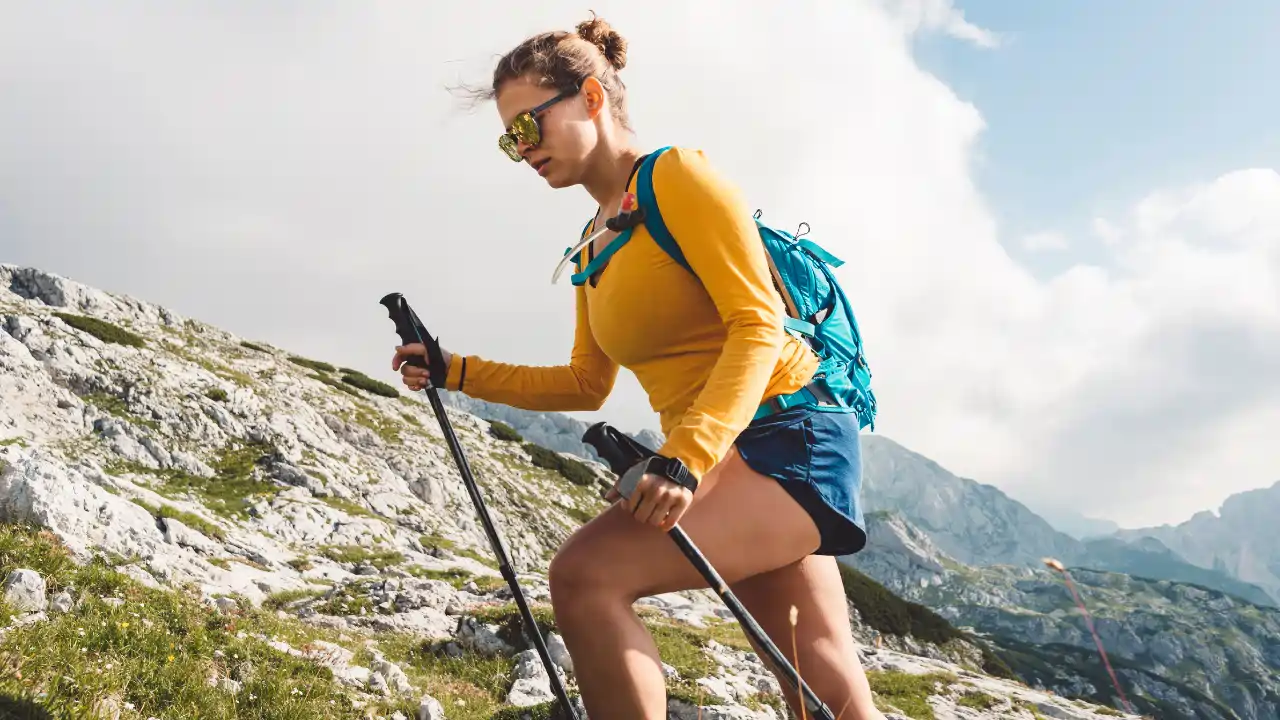
Hiking typically involves walking on trails that are clearly marked for a period ranging from a few hours to an entire day. This activity generally is less strenuous compared to trekking, making it accessible to people with different levels of fitness. One of the main objectives of going hiking is to have the opportunity to appreciate nature, engage in physical activity, and immerse oneself in the outdoors without the requirement of extensive preparation or specialized equipment.
What is Trekking?
In contrast, trekking typically entails undertaking extended journeys through secluded regions, often with no distinct routes to follow. Successfully completing this challenge demands not only great physical endurance but also unwavering mental resilience. While traversing difficult terrains, trekkers ensure that they have all their essentials, which include food, water, and camping gear.
Comparative Overview
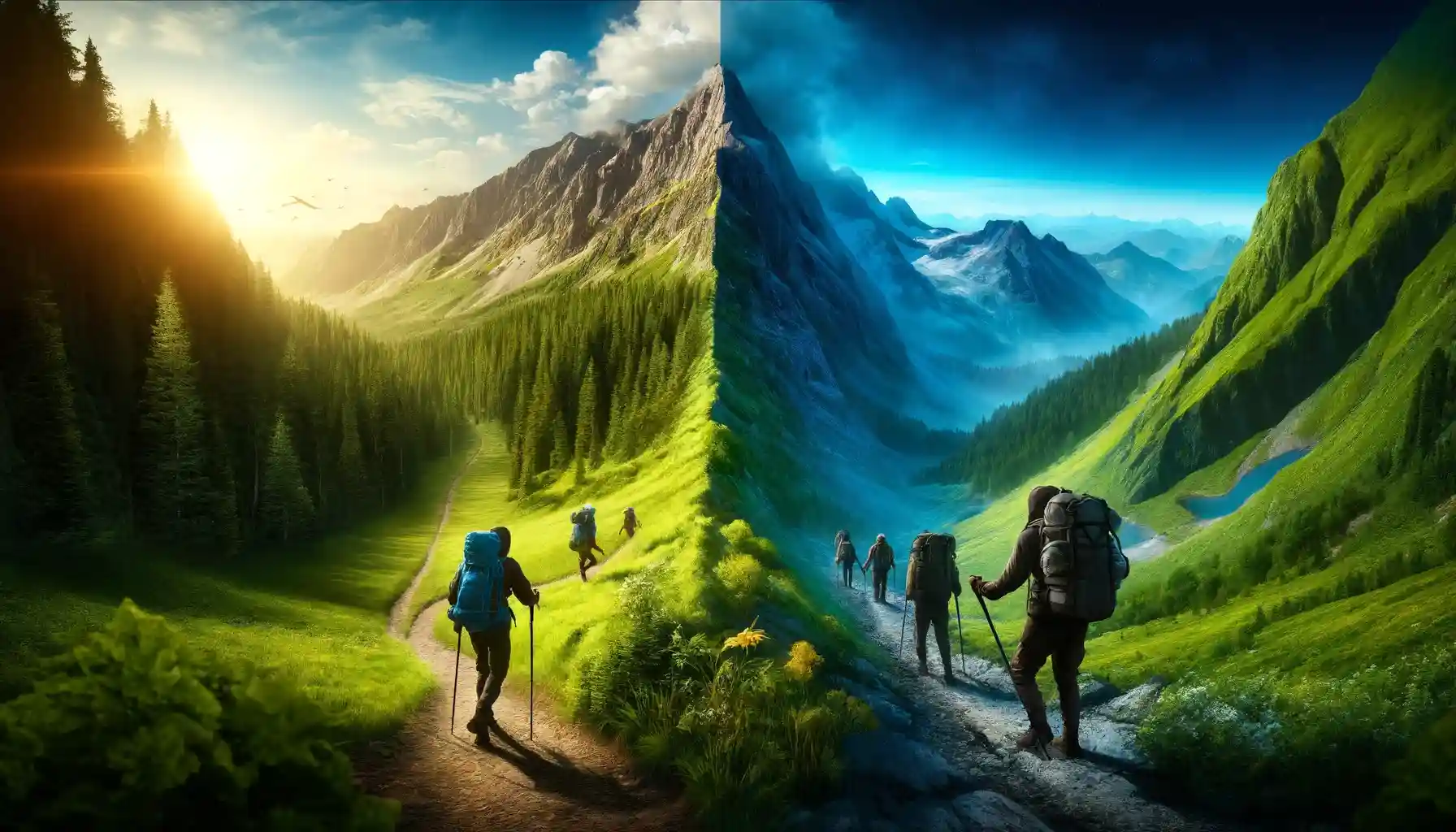
Although hiking is typically seen as a leisurely activity that is suitable for beginners, trekking is a more physically demanding endeavour that appeals to individuals who desire an immersive and often strenuous outdoor experience.
Physical and Mental Benefits
Benefits of Hiking:
Engaging in hiking activities can provide individuals with a wide range of physical benefits, including but not limited to improved cardiovascular health, enhanced muscle strength, and better balance. Additionally, it has been found that engaging in this activity not only boosts mental well-being but also helps reduce stress levels, improve overall mood, and enhance mental clarity. Studies have demonstrated that engaging in the activity of walking amidst nature can effectively reduce anxiety levels and promote a profound sense of tranquillity.
Benefits of Trekking:
Trekking goes beyond providing these benefits and takes them to the next level. Trekking is known to enhance endurance, strength, and overall fitness as it requires individuals to meet various physical challenges. Engaging in trekking activities can have a positive impact on one’s mental well-being, as it promotes the development of resilience, self-reliance, and a profound sense of achievement. Additionally, spending an extended period in natural environments not only offers numerous benefits but also fosters a deep connection to the earth.
Comparative Analysis:
Despite the fact that both activities are beneficial for physical and mental health, trekking surpasses the other in terms of fitness and personal growth advantages due to its prolonged duration and increased intensity.
Preparation and Planning
Hiking Preparation:
It is of utmost importance to choose the correct trail in order to have a successful hiking experience. When making your decision, please take into account factors such as the length of the trail, its level of difficulty, and the prevailing weather conditions. When preparing for your outdoor adventure, it is essential to have certain gear with you. This gear includes sturdy footwear, clothing suitable for the weather conditions, a daypack to carry your belongings, an ample supply of water, nutritious snacks, and a basic first aid kit. There are several safety tips to keep in mind when engaging in outdoor activities. One of them is to inform someone about your plans so they know where you’ll be. Another important tip is to carry a map or GPS device to help you navigate and prevent getting lost. Lastly, it is crucial to stay on marked trails as they are designed to ensure your safety.
Trekking Preparation:
The process of planning a trek becomes much smoother and more efficient when there is a focus on detailed preparation. In order to embark on this adventure, you need to engage in various tasks such as researching the route, familiarizing yourself with the climate conditions, and meticulously planning for multiple days spent in the wilderness. It is important to have essential gear for your outdoor adventure, which includes items such as a durable backpack, sturdy trekking boots, weather-resistant clothing to protect against the elements, a reliable tent for shelter, a cosy sleeping bag for a good night’s rest, cooking equipment to prepare meals and an ample supply of food and water for sustenance. Safety considerations include using emergency communication devices and sharing detailed itinerary details.
Required Gear and Equipment
Hiking Gear Essentials:
Comfort and safety are the key aspects that essential hiking gear emphasizes. To ensure a safe and enjoyable hiking experience, it is important to pack key items such as hiking boots or shoes, layered clothing for weather fluctuations, and a daypack containing essentials like water, snacks, a map, a compass, and a first aid kit. In addition to the essential gear, there are some optional items that you might find useful, such as trekking poles for extra support, a flashlight for better visibility, and sun protection to safeguard your skin from the sun’s rays.
Trekking Gear Essentials:
Trekking demands the use of specialized and long-lasting equipment. When preparing for a trekking adventure, it is crucial to have certain essential items. These include sturdy trekking boots, clothing that is both moisture-wicking and weather-resistant, a backpack with a high capacity, a tent for shelter, a sleeping bag for a good night’s rest, a portable stove for cooking, cooking utensils, enough food to sustain you throughout the journey, water purification tablets to ensure safe drinking water, and lastly, a detailed map or a reliable GPS device to navigate your way.
Skill Level and Physical Fitness
Assessing Skill Level:
Whether you are a beginner or an experienced adventurer, both hiking and trekking can provide pleasure and satisfaction. It is recommended for beginners to begin their hiking journey by exploring shorter and easier trails. As they gain experience and improve their fitness levels, they can gradually progress to more challenging trails. If you identify as an intermediate or advanced hiker or trekker and are eager to exceed your boundaries, there exist longer and more arduous routes that you can embark upon.
Fitness Requirements for Hiking:
Hiking requires a certain level of physical fitness, one of the essential requirements being the ability to walk for several hours. A recommended approach for beginners is to begin by integrating regular walks and light cardio exercises into their daily routines as a means of preparation.
Fitness Requirements for Trekking:
People need to have a high level of fitness to effectively participate in trekking, which includes not only cardiovascular endurance but also muscular strength and mental resilience. To properly prepare for a trek, it’s essential to follow a well-organized fitness program that consists of consistent cardio workouts, incorporating strength training exercises, and practising hikes while carrying a loaded backpack.
Popular Destinations
Hiking enthusiasts of all levels can find suitable trails in popular destinations known for their wide variety of paths. Besides local trails, there are national parks and renowned hiking destinations like the Appalachian Trail, the Pacific Crest Trail, and the Camino de Santiago. These choices provide a diverse range of experiences, from relaxed strolls through nature to challenging hikes in the mountains.
Top Trekking Destinations:
The Inca Trail in Peru, the Everest Base Camp Trek in Nepal, and the Torres del Paine Circuit in Chile are considered some of the best trekking destinations globally and are highly revered by adventurers. By going on these hikes, you will get the opportunity to see stunning scenery and completely immerse yourself in the wonders of the natural world.
Destination Comparison:
Factors like your skill level, level of fitness, and the specific type of experience you’re seeking should be considered when selecting a destination. Hiking destinations are the perfect choice for individuals seeking shorter and less intense adventures. In contrast, trekking routes are more suitable for those who are prepared for a demanding and multi-day challenge.
Environmental Impact and Sustainability
Hiking’s Environmental Footprint:
Hikers are strongly encouraged to adhere to the principles of Leave No Trace while exploring the outdoors in order to minimize their environmental impact. When you are out exploring, there are a few key things to keep in mind. These include staying on the designated trails, ensuring that you properly dispose of any trash you create, and treating the wildlife in the area with the utmost respect.
Trekking’s Environmental Footprint:
To engage in sustainable trekking practices, trekkers must dedicate more time and effort to thorough planning and demonstrate a higher level of commitment. To promote sustainability and responsible tourism, trekkers are advised to prioritize the use of eco-friendly gear, abstain from using single-use plastics, and show support to the local communities by opting for local guides and services.
Comparative Environmental Impact:
Responsible approaches are necessary for both hiking and trekking to minimize their environmental impacts. Prioritizing sustainability is absolutely crucial to ensuring that future generations can continue to enjoy these activities and safeguard the integrity of natural ecosystems.
Personal Stories and Testimonials
Hiking Experiences:
Numerous hikers’ stories serve as a testament to the transformative effects of hiking, which has proven to greatly enhance their physical fitness and mental well-being. Anecdotes often emphasize the sheer delight experienced when stumbling upon uncharted paths, the deep connections formed during group hikes, and the profound tranquility that can be found in the beauty of nature.
Trekking Adventures:
Countless hikers have shared their accounts of life-altering expeditions, which involved pushing their limits physically and emotionally, as well as building lasting relationships with their fellow trekkers. When individuals venture into the trails of Nepal, Patagonia, and other remote areas, they are immersed in an extraordinary experience that not only captivates them but also showcases the profound impact it has on their personal growth and development.
Concluding Hiking Vs Trekking
To summarize the essential aspects, it is worth noting that both hiking and trekking have their advantages and challenges that individuals should keep in mind. Hiking is an excellent choice for those new to outdoor activities due to its easy accessibility, providing individuals with the chance to immerse themselves in the beauty of nature and enhance their physical well-being. For those seeking to test their endurance and resilience, trekking is the perfect choice, as it offers a challenging and thrilling experience. Whether you’re a beginner or a seasoned outdoor enthusiast, hiking and trekking present exceptional opportunities for discovery and enjoyment.
Frequently Asked Questions (FAQs)
What is the main difference between hiking and trekking?
Hiking and trekking differ mainly in duration and intensity. Hiking is a single-day activity on well-marked trails, ideal for beginners. Trekking, however, involves multi-day journeys through rugged, remote areas, requiring more endurance and preparation.
Do I need special training for trekking?
Yes, special training is advisable for trekking due to its higher physical demands. Trekking involves prolonged journeys through challenging terrain, requiring endurance and strength. Structured training with cardio and strength exercises can help prepare individuals for the rigors of trekking, ensuring a safer and more enjoyable experience.
Can beginners try trekking?
Yes, beginners can try trekking, but it’s essential to start with shorter and less challenging treks. Beginners should gradually build their endurance, strength, and outdoor skills before attempting longer or more strenuous treks. Proper preparation, including researching routes and acquiring necessary gear, is crucial to ensure a successful and enjoyable trekking experience.
Is hiking gear suitable for trekking?
Yes, some hiking gear can be suitable for trekking, but trekking often requires more specialized and durable equipment. While items like hiking boots and backpacks can serve both activities, trekking may demand additional gear such as a tent, sleeping bag, and cooking equipment due to its extended duration and remote nature.
How can I minimize my environmental impact while hiking or trekking?
Minimizing environmental impact is crucial while hiking or trekking. Follow Leave No Trace principles, stay on marked trails, pack out all trash, and avoid disturbing wildlife. Use eco-friendly gear, support local communities, and educate others about responsible outdoor practices to preserve natural environments for future generations.