A hike is an activity that can be enjoyed by both adults and children equally, offering many advantages, from physical fitness to mental well-being. A successful hike, however, often depends on the footwear you wear to make it both enjoyable and accessible. It is very important to understand how hiking shoes should fit properly in order to prevent discomfort, blisters, and potential injuries. The goal of this comprehensive guide is to provide you with all the information you need to know about how to properly fit hiking shoes. For hiking, It is important to ensure that your feet are easily fitted, how to measure your feet, what to look for when you buy new shoes, and tips on breaking in your new shoes.This guide will be quite helpful for an enjoyable hiking journey. Hopefully, by the end of this article, you will have all the knowledge you need to make sure your hiking shoes are perfect for your next adventure and will keep you safe on your journey.
Why Proper Fit Matters
It is important that your hiking shoes fit well so that you don’t suffer from injury and discomfort, in order to maximize your enjoyment of hiking trails. When your shoes do not fit properly, you may experience blisters, foot pain, and even long-term damage to your feet as a result. You can enhance your hiking performance by ensuring that your hiking shoes are a good fit by providing stability and support on uneven terrains. The lifespan of proper fitting shoes is also increased, as the shoes wear more evenly and remain comfortable for longer periods of time due to their proper fitting. Whenever you want to go for hiking experience and your health, you need to make sure that your hiking shoes are fitted correctly,that is the fundamental key for hiking and considered as the important step of enjoyable hiking.
Understanding Foot Anatomy and Shape
It is important to know about your foot anatomy and the shape of your foot, in order to be able to choose hiking shoes that fit properly. Different foot shapes and sizes affect how shoes will fit, since feet come in different shapes and sizes. The width of the feet of some people is a lot wider than the width of the feet of others, as well as the arches of their feet. Choosing shoes that offer the right support and comfort to your feet depends on knowing your foot shape. Taking accurate measurements of your feet is also one of the most important steps to take. You can prevent common issues like blisters and foot pain by determining the length, width, and arch type of your feet in order to select hiking shoes that provide the necessary support and space.
Key Features of a Well-Fitting Hiking Shoe

A good hiking shoe has several key characteristics that make it a good choice. Firstly, you need to make sure that the toe box is large enough so that you can move your toes freely without feeling cramped in any way. In this way, blisters and toenail injuries can be prevented. A proper fit for the heel is also crucial; it should allow your heel to remain secure on uneven terrain without slipping off, assuring a stable ride. In order to provide comfort and prevent fatigue, arch support should be adjusted to suit your foot’s arch type. There must be enough width in the shoe to accommodate the width of your foot, so that pressure points are not created. The design of your insoles and cushioning plays an essential role in the comfort and support of your shoes, allowing them to adapt to the shape of your feet and absorb shocks as well.
How to Measure Your Feet
A good way to find the perfect hiking shoes is to make sure that you measure your feet accurately. It is best to start by drawing a picture of your feet on a piece of paper while standing up and ensuring that you wear the socks you intend to hike in. The length should be measured from the heel to the longest toe, and the width should be measured at the widest part of the shoe. As a general rule, you should measure your feet at the end of the day when they are at their largest. In order to measure your foot more accurately, you can use a Brannock device, which can measure your foot’s length, width, and arch with great accuracy. As a result of these measurements, you will be able to select hiking shoes that will fit and provide the necessary support for your hike.
Trying On Hiking Shoes
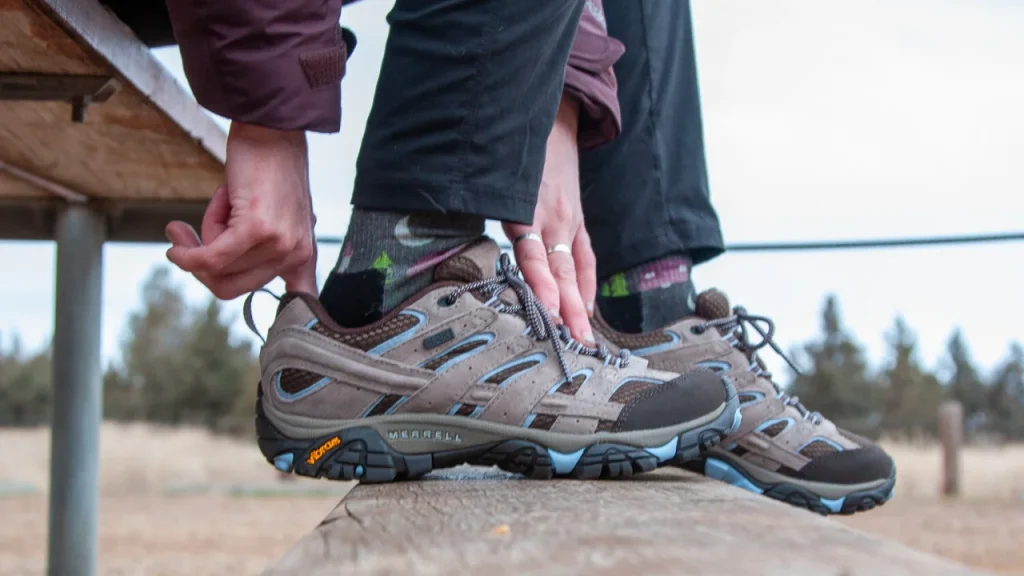
The timing and preparation are of the utmost importance when trying on hiking shoes. In order to get the best fit when trying on shoes, you should do so when your feet are swollen after a long day of walking. Wear the socks you plan to hike in, as well as any insoles you plan to use on the hike. It is a good idea to walk around in the shoes to see how they feel and how they fit. It is important to pay attention to how your toes, heels, and arches feel when you walk. It is essential to make sure that there is enough space in the toe box and that your heel will not slip out of it. In order to simulate hiking conditions as closely as possible, it may be a good idea to try walking on an incline. As a result of these rigorous testing procedures, it becomes easier to identify any possible fit issues before making a purchase decision.
Common Fit Issues and How to Address Them
It is possible that fit issues may arise even after care has been taken when measuring and testing. A shoe that is too tight can cause blisters and pain, while a shoe that is too loose can cause instability and injuries. It is common for people to develop blisters and hotspots on their feet, but they can be prevented by ensuring proper fitting and wearing quality socks. In case you suffer from bunions or hammertoes, it is advisable to choose shoes that have a roomy toe box. The use of custom insoles and specific lacing techniques can also be helpful in addressing fit issues. It is, for example, possible to secure your heel better with heel lock lacing, so as to prevent the shoe from slipping. It is crucial that you address these issues promptly in order to ensure your comfort and safety while hiking.
Types of Hiking Shoes and Their Fit
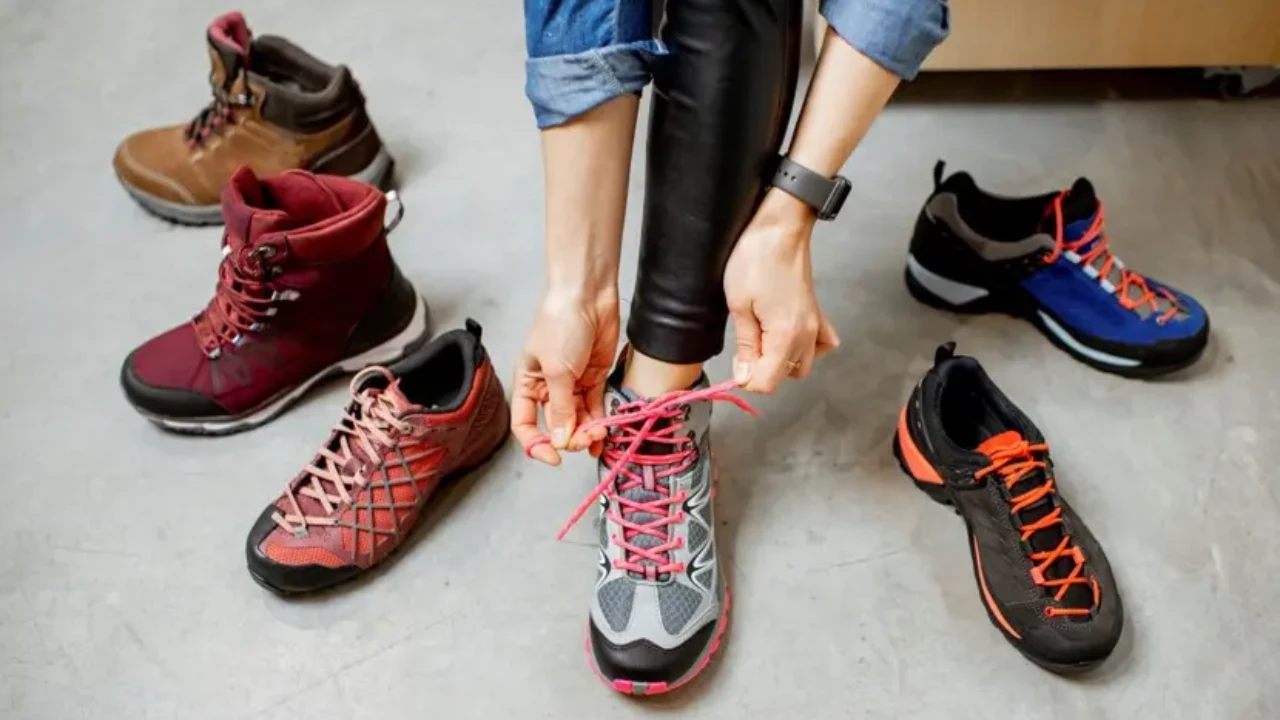
It is important to note that different types of hiking shoes have different characteristics in terms of their fit. Lightweight hiking shoes are designed for shorter hikes and typically provide more flexibility than heavy hiking shoes. It is best to use mid-weight hiking boots as they offer more support and are suitable for longer hikes with heavier loads. There is nothing better than heavy-duty hiking boots for challenging terrains as they provide maximum support and durability. A trail runner, on the other hand, is a lightweight shoe that is designed for hiking in a fast-paced manner. Depending on the type of shoe, there are specific things to consider when choosing the right fit. It is important to ensure that heavy-duty boots have a snug fit in order to prevent ankle injuries, whereas trail runners should provide enough flexibility and breathability to allow for fast movement.
Tips for Buying Hiking Shoes Online
It can be challenging to buy hiking shoes online, but with the right approach, it can be done. Read and understand sizing charts provided by manufacturers. Check the sizing chart and measure your feet. Make sure you can return or exchange the shoes if they don’t fit. Reviews and recommendations from other hikers can provide valuable insights into the shoes’ fit and performance. To minimize the risk of buying the wrong size, shop from reputable online retailers with flexible return policies.
Breaking in Your New Hiking Shoes
It’s essential to break in new hiking shoes. Wear your new shoes around the house for short periods, gradually increasing the time. It allows the shoes to mold to your feet. Take them on short walks or easy hikes. Whenever there is discomfort or pressure, address it immediately. To prevent blisters, wear quality hiking socks. Depending on the shoe material and type, the breaking-in period may vary. Your shoes will be more comfortable if you break them in properly.
Maintaining and Replacing Hiking Shoes
Maintaining your hiking shoes properly will prolong their lifespan and ensure that they remain comfortable for as long as possible. Make sure that your shoes are clean on a regular basis by removing dirt and debris that can degrade the materials in your shoes. After each hike, it is important to dry the shoes properly, but you should avoid direct heat sources, which can damage the shoes. It is essential to check your shoes for signs of wear and tear, such as worn-out soles or damaged uppers. Replace your hiking shoes when they no longer provide adequate support or comfort. Hiking shoes should be replaced every 500 to 750 miles, depending on terrain. Maintaining your hiking shoes and replacing them on time ensures their longevity.
Expert Tips and Recommendations
Hikers and outdoor experts offer valuable insights on choosing hiking shoes. Make sure the shoes are from a reputable brand. There is a lot of talk about Merrell, Salomon, and Keen. Choose shoes that are appropriate for hiking. Lightweight shoes are best for day hikes, while heavy-duty boots are ideal for rugged terrain. Leather provides durability, while synthetic materials provide breathability. Shoes that are too tight or not broken in properly are common mistakes. Expert advice helps make informed decisions.
Conclusion
It is important to understand that hiking shoes should fit comfortably snug and supportive for enjoyable hiking. You must measure your feet accurately and break in new shoes properly to ensure they provide comfort and support. Adjust the lacing for the righteous snugness that comforts your feet properly. Proper fit prevents injuries and enhances hiking performance. No matter what levels of hiker you are, It pays off to spend time finding the right fit.
Frequently Asked Questions
How do I know if my hiking shoes fit properly?
If your hiking shoes fit properly,there’s enough space in the toe box for your toes to move freely, the heel fits snugly without slipping, and the shoes provide good arch support. Proper fit ensures comfort, prevents blisters, and supports your feet on the trail.
What should I do if my hiking shoes are too tight?
If your hiking shoes are too tight, yes, you can try wearing thinner socks, loosening the laces, or using custom insoles. These adjustments can improve comfort and fit,preventing pain and blisters on the trail.
How long does it take to break in new hiking shoes?
Breaking in new hiking shoes typically takes a few short hikes or several hours of wear around the house. This process allows the shoes to mold to your feet, ensuring comfort and preventing blisters on longer hikes.
Can I buy hiking shoes online and still get a good fit?
Yes, you can buy hiking shoes online and still get a good fit by accurately measuring your feet, checking sizing charts, and reading reviews. Ensure the retailer has a good return policy to exchange if needed.
How often should I replace my hiking shoes?
Hiking shoes should be replaced every 500 to 750 miles or when signs of wear like worn-out soles appear. Regular replacement ensures continued support and comfort, reducing the risk of foot injuries on hikes.