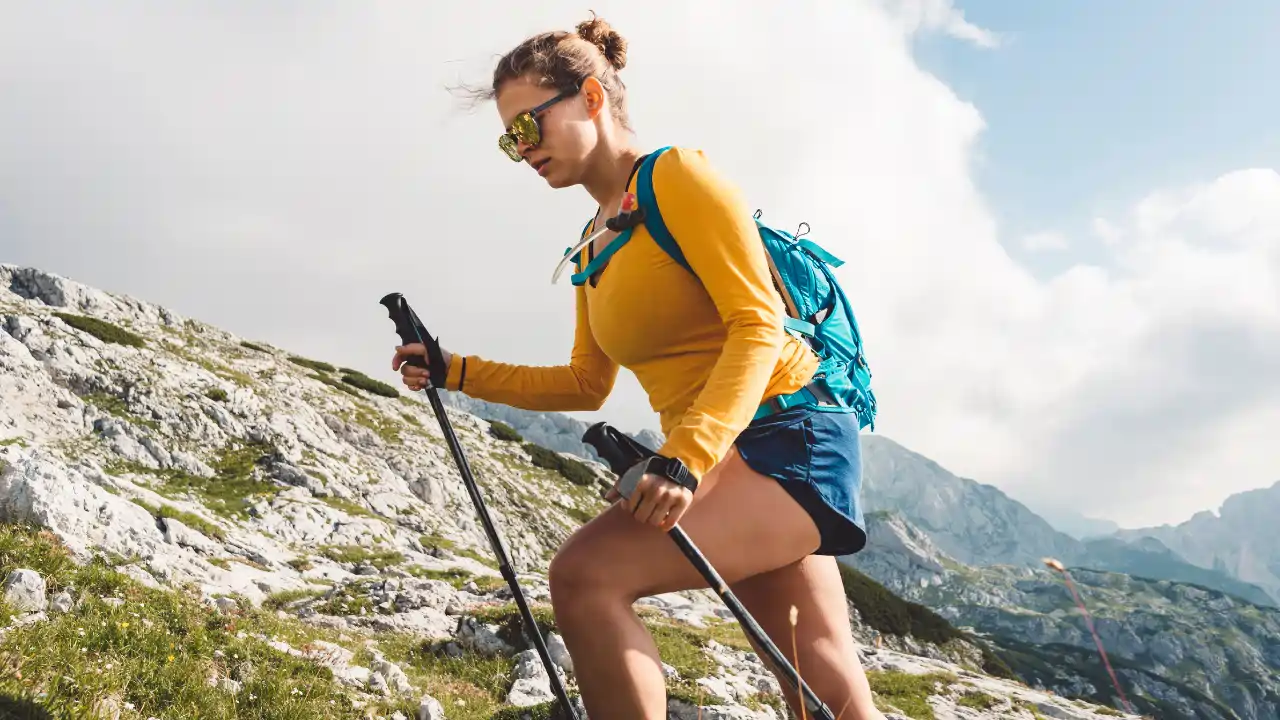
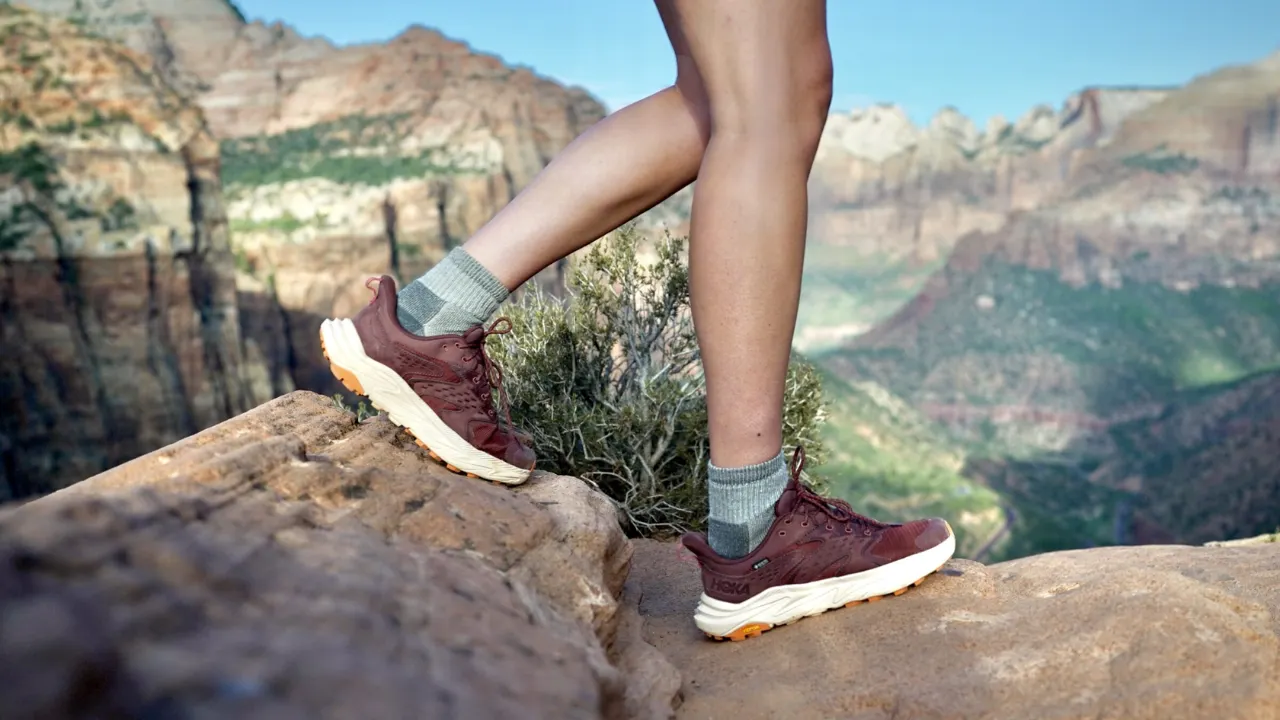
When it comes to choosing the right footwear for walking, you might wonder, “Are Hiking Shoes Good for Walking?” Hiking shoes are designed for rugged terrains and long hikes, offering support, durability, and protection. But are they suitable for your everyday walks or urban adventures? In this article, we will explore the features of hiking shoes, compare them to traditional walking shoes, and help you determine if they are the right fit for your walking needs.
In This Post
What are Hiking Shoes?
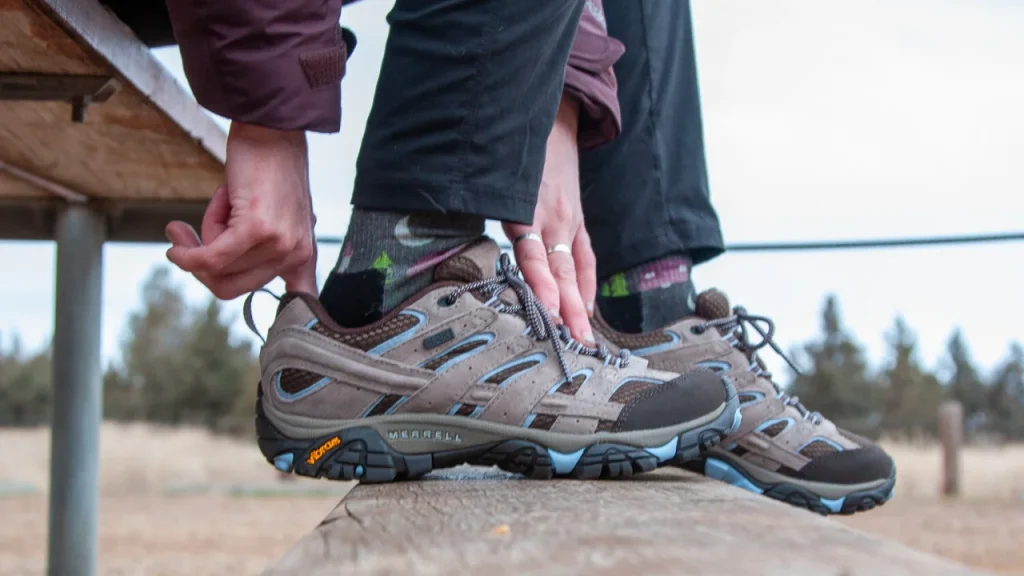
Generally, hiking shoes are footwear designed to withstand the rigours of hiking on various challenging and diverse terrains. To distinguish them from regular shoes, they are built with several key features that make them stand out from the crowd. Hiking shoes are available in two different styles: low-top and mid-top Most hiking boots are also designed for outdoor activities such as climbing, hunting, backpacking and mountaineering. Durability, traction, ankle support, and water resistance are some of the most notable qualities of hiking shoes. Leather and synthetic fabrics are used in hiking shoes to make them durable. Usually, their soles are designed with thick lugs and aggressive treads, which offer excellent traction on uneven surfaces and deep lugs. Moreover, if you are going on rocky trails, you must have ankle support to prevent injuries from occurring. A waterproof membrane keeps feet dry in wet weather. In summary, hiking shoes have a number of features that make them ideal for tackling the demanding conditions of hiking.
Benefits of Using Hiking Shoes for Walking
It is important to remember that hiking shoes can provide several advantages when used for walking, especially on varied terrains. Hiking boots usually have support on their sides to ensure your legs remain straight. A major advantage of these shoes is that they provide enhanced support and comfort, thanks to their sturdy construction and cushioning. For this reason, this type of support is particularly beneficial for long walks since it reduces fatigue in the feet and minimizes the risk of injuries. When walking on slippery or uneven surfaces, it is very important to wear hiking shoes with superior traction, which ensures better stability, which is crucial when walking in hiking boots. The durability of hiking shoes is another significant advantage, as they are made to last longer than regular walking shoes, making them a good investment as they are guaranteed to last for a long time. Further, they are versatile enough to perform well both on trails and in urban environments due to their versatility and adaptability. Walking enthusiasts can benefit from these features in hiking shoes.
Comparing Hiking Shoes to Regular Walking Shoes
Several differences arise when hiking shoes are compared to regular walking shoes. Hiking shoes are typically designed with more robust materials and heavier construction to withstand harsh conditions when hiking. In contrast, walking shoes are lighter and more flexible when being worn every day. In hiking shoes, the traction is more aggressive, which allows them to provide a better grip on uneven and slippery surfaces while walking shoes have a simpler tread pattern made specifically for flat surfaces. For preventing injuries on rough terrain, hiking shoes provide better ankle and arch support. However, if you are going to walk on paved paths, walking shoes are usually more comfortable and offer better breathability than road shoes. In addition to these differences, each type of shoe provides unique benefits for certain types of activities.
Situations Where Hiking Shoes are Ideal for Walking
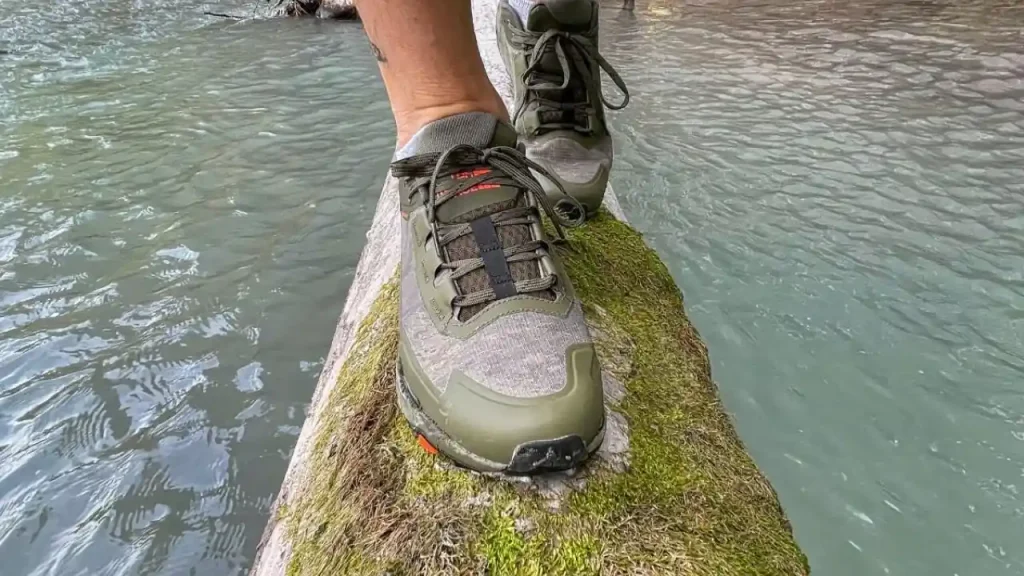
The hiking shoes are particularly suitable for walking in conditions that are specific to hiking. Their enhanced traction and support allow them to work well on uneven or rocky terrain, where they will prevent fall accidents and slips. Whether you are walking or trekking long distances, hiking shoes provide the durability and comfort you need to maintain your feet’s comfort and safety for long periods of time. As a result of their water-resistant qualities, hiking shoes are also an excellent choice for walking in wet or muddy conditions. Moreover, if you are carrying a heavy backpack, hiking shoes can also provide additional support to help distribute the weight more evenly, reducing the strain on your feet and ankles by distributing the weight evenly. Hiking shoes are not only good for walking in these situations but also ideal for walking in these situations.
Potential Drawbacks of Using Hiking Shoes for Walking
In spite of the many advantages of wearing hiking shoes when walking, there are also a few disadvantages that need to be considered. It has been reported that they tend to be heavier than regular walking shoes when compared to regular walking shoes, which can lead to quicker fatigue during casual walks due to their heavier weight. Due to their rigid construction, hiking shoes may offer a lower level of flexibility, making them less comfortable for everyday urban walking. Also, hiking shoes are more expensive, which might not be justified for those who only use them on occasional hikes. Furthermore, hiking shoes designed for rugged terrains might need to be more balanced on smooth, paved paths, whereas lighter and more breathable walking shoes would suffice, as hiking shoes are designed for rugged terrains. These factors should be considered when choosing the right footwear.
Tips for Choosing the Right Hiking Shoes for Walking

Several factors should be considered when selecting hiking shoes for walking to ensure maximum comfort and performance. First of all, you need to consider the type of terrain on which you will be walking most frequently. You should choose shoes with a versatile traction pattern if walking on mixed terrains.
If you want to get a realistic sense of how your feet will feel wearing the shoes, try them on in the afternoon when they are a bit swollen to understand how comfortable they are. The weight of the shoes should be checked, and if you are going to be walking for a long period, you may want to opt for lighter models. A well-ventilated shoe is also important, especially in warm weather, so look for a shoe with mesh panels that allow air to circulate. If you expect to encounter wet conditions, consider a product with waterproof features. The following tips will help you choose the right hiking shoes for walking that will meet your needs.
Alternatives to Hiking Shoes for Walking
When it comes to hiking shoes, there are several alternatives to consider if you feel that they are too robust or heavy for your walking needs. Trail running shoes offer a great balance between durability and lightweight comfort, making them a great choice. The shoes provide good traction and support, making them suitable for various terrains. Walking shoes with enhanced support and cushioning can also be an excellent choice, especially for those who live in urban environments.
In addition to combining the features of running shoes and hiking shoes, multi-sport shoes provide a wide variety of activities with comfort and support, and are designed to accommodate a range of activities. There are many alternatives to traditional hiking shoes that can provide the necessary comfort and functionality for walking without the heft of traditional hiking shoes.
Real-Life Experiences: Testimonials and Reviews
To provide a more integrated perspective, let’s take a look at some real-life reviews and experiences from individuals who have used hiking shoes for walking and compared them to those that they have used for running.
There are many outdoor enthusiasts and fitness experts who recommend hiking shoes for their durability and support, especially if the terrain is uneven. A number of podiatrists have been highlighting the benefits of hiking shoes, particularly the superior arch and ankle support provided by them, which means that a person will be less likely to suffer an injury during long walks. It is a common observation in hikers and casual walkers alike that hiking shoes are extremely comfortable and stable, even when used for extended periods of time. It is evident from these real-life experiences that hiking shoes are very practical for walking, reinforcing their value to both casual walkers as well as serious hikers.
Conclusion
In conclusion, hiking shoes are the best shoes for walking, especially under strict conditions. A hiking shoe provides excellent support, traction, and durability, making it suitable for a variety of terrains. Their heavier weight and less flexibility may not be ideal for urban walking all day. Consider your walking needs, terrain, and personal preferences when choosing footwear. Having hiking shoes in your wardrobe is a great way to add a bit of style and functionality to your outdoor adventures. It’s really well. It is recommended that you should wear hiking shoes if you are planning on going on a walk or hike especially.
Frequently Asked Questions(FAQs)
Are hiking shoes worth the investment for casual walking?
Yes, hiking shoes are worth the investment for casual walking if you often walk on uneven terrains. They offer excellent support, durability, and traction, making them ideal for varied conditions. However, for purely urban walks, they may be heavier and less flexible than regular walking shoes.
Can hiking shoes be worn every day?
Yes, hiking shoes can be worn every day, especially if you walk on varied terrains. They provide excellent support, durability, and traction. However, they might be heavier and less flexible compared to regular walking shoes, which may not be ideal for purely urban environments.
How to break in hiking shoes for maximum comfort?
To break in hiking shoes for maximum comfort, wear them gradually, starting with short walks. Increase the duration over time. Wearing thick socks and walking around the house can also help. This process allows the shoes to mold to your feet, reducing the risk of blisters and discomfort.
What are the best brands for hiking shoes suitable for walking?
Popular brands like Merrell, Salomon, and Keen are known for their comfortable, durable hiking shoes suitable for walking. These brands offer various styles and features tailored to different terrains and preferences, ensuring quality and reliability for outdoor enthusiasts.