
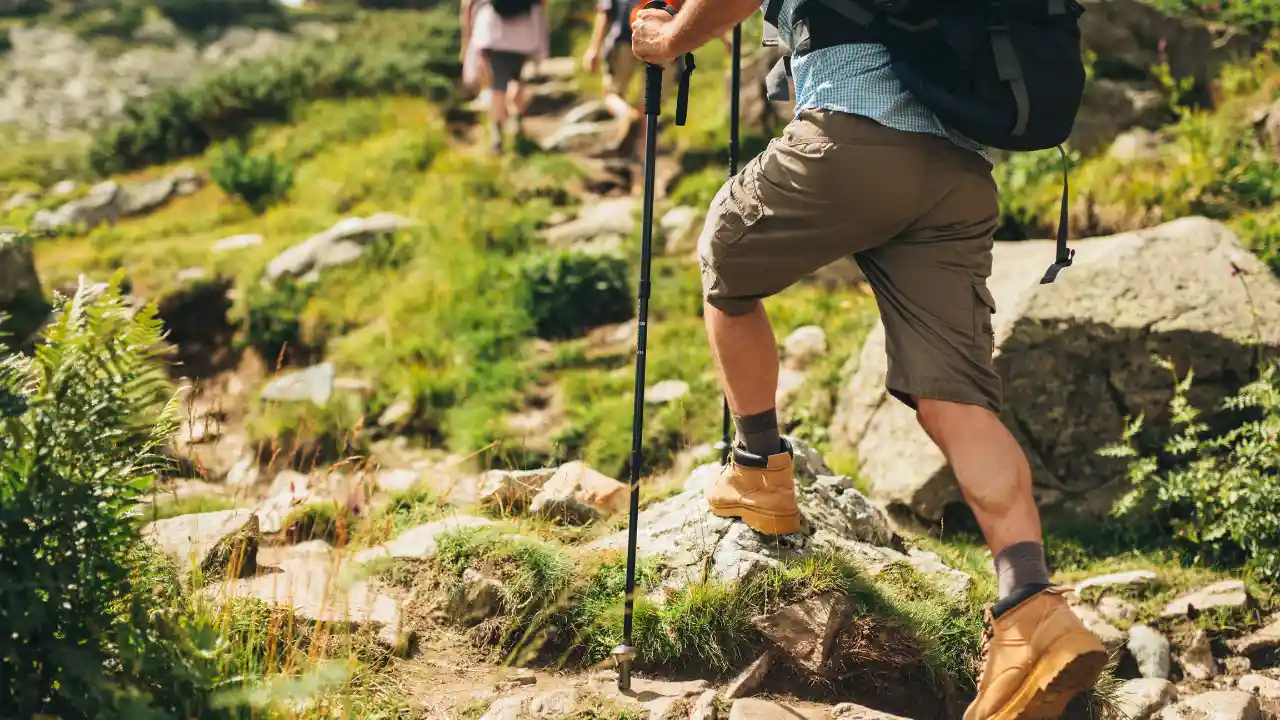
Hiking has become a popular way to stay fit and explore nature. Whether trekking through forest trails or climbing mountain paths, hiking offers a versatile workout. Is hiking good exercise? Absolutely! The benefits of hiking extend not only to physical health but also to mental wellbeing wellbeing. Hiking has numerous benefits, and this article offers practical tips to help beginners get started. By the end, you’ll understand why incorporating hiking into your fitness routine can lead to a healthier, happier you.
Key Takeaway
- Comprehensive Fitness: Hiking significantly boosts your cardiovascular health, strengthens your muscles, improves your flexibility, and enhances your balance.
- Mental Health Benefits: It effectively reduces stress, elevates your mood, and clears your mind.
- Community and Connection: Hiking also helps build strong social connections and fosters a sense of community among those who participate in it.
In This Post
Why hiking is a great exercise?
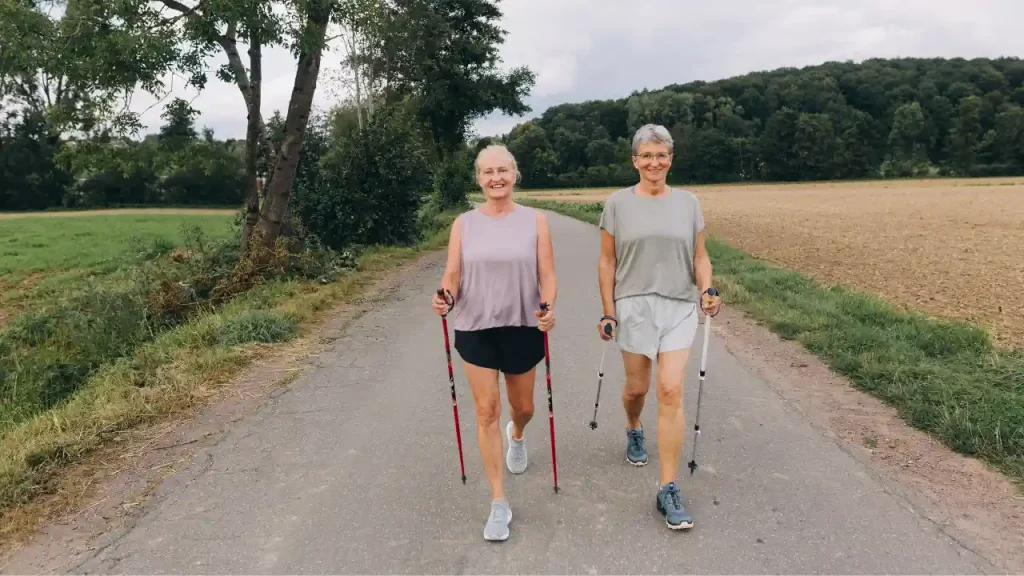
Hiking is a great exercise because it combines cardiovascular benefits with strength training. It works multiple muscle groups across different terrains. It’s a low-affected activity that improves heart health, boosts endurance, and strengthens the legs and core without stressing the joints. Hiking also promotes mental well-being by reducing stress and enhancing mood through exposure to nature.
It’s suitable for all fitness levels, with light trails and challenging climbs available. Plus, it offers scenic views and fresh air. Hiking is more than just a workout. It’s a holistic health experience that invigorates both body and mind.
Physical Health Benefits of Hiking
1. Cardiovascular Fitness
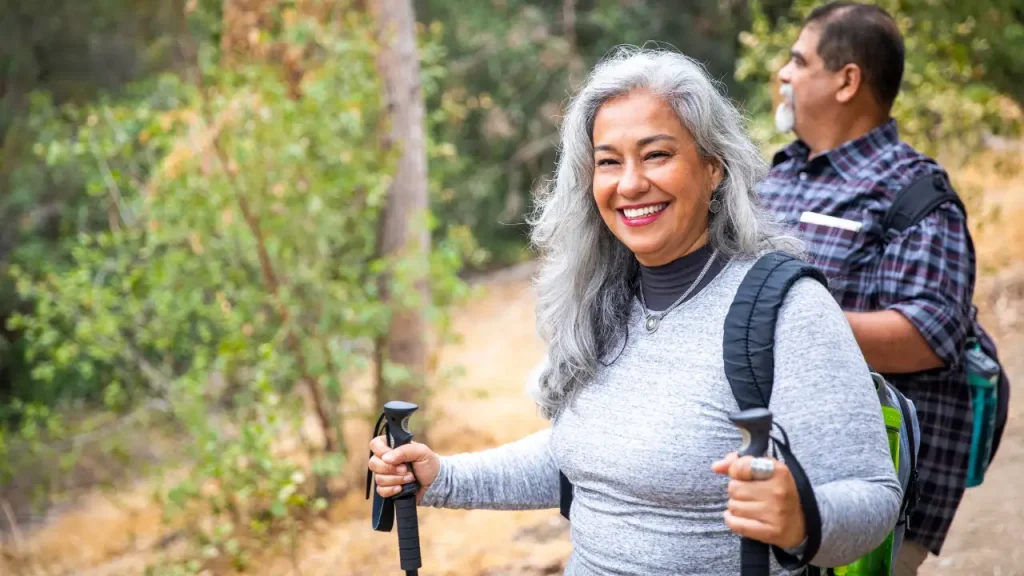
An excellent method of strengthening cardiovascular health is hiking. It increases heart rate as an aerobic exercise, strengthening cardiac function and endurance. Frequent hiking lowers the risk of high blood pressure, cholesterol, and heart disease. Hiking routes offer a range of fitness levels, from easy walks to strenuous ascents, so it’s possible to tailor your workout to your desired difficulty level. Hiking in the outdoors, as opposed to indoor workouts, frequently entails varying terrain, increasing cardiovascular benefits and keeping your body engaged. In short, “Is hiking good exercise for the heart?” is yes.
2. Muscle Strength and Endurance
Hiking provides a thorough workout by focusing on multiple muscle groups. Navigating trails continuously activates the leg muscles, such as the quadriceps, hamstrings, calves, and glutes. While hiking downhill increases muscle endurance, climbing hills increases muscle strength. Hiking strengthens your core since it requires you to use your abdominal muscles to balance on uneven terrain. Trekking poles help engage your arms and shoulders, adding to the upper body workout. As a result, hiking is a better option than many typical workouts to foster muscle strength and endurance.
3. Weight Loss and Management
Hiking is an excellent method to burn calories if you’re trying to lose weight. Hiking can potentially burn 400–700 calories per hour, depending on its effort and duration. Compared to a treadmill, it is more engaging, which makes a long-term commitment simpler. Hiking also increases metabolism, which aids in weight loss and control. The mix of muscular activation and cardiovascular exercise keeps your body burning calories long after your hike. Therefore, hiking is a great way to reach and maintain a healthy weight if you wonder, “Is good exercise for weight loss?”
4. Flexibility and Balance
A hike that takes you through rocky trails, uneven terrain, and different elevations improves your balance and flexibility. Frequent hiking improves the core stabilizing muscles that support balance and helps to increase the joint range of motion. This lowers your chance of falls and injuries, which is particularly beneficial as you age. Hiking is a fantastic way to maintain general physical health and an excellent cardio workout. Stretching before and after treks can further promote flexibility. Therefore, the answer to the question, “Is hiking a good exercise for flexibility and balance?” is unquestionably yes.
Mental Health Benefits of Hiking
1. Stress Reduction
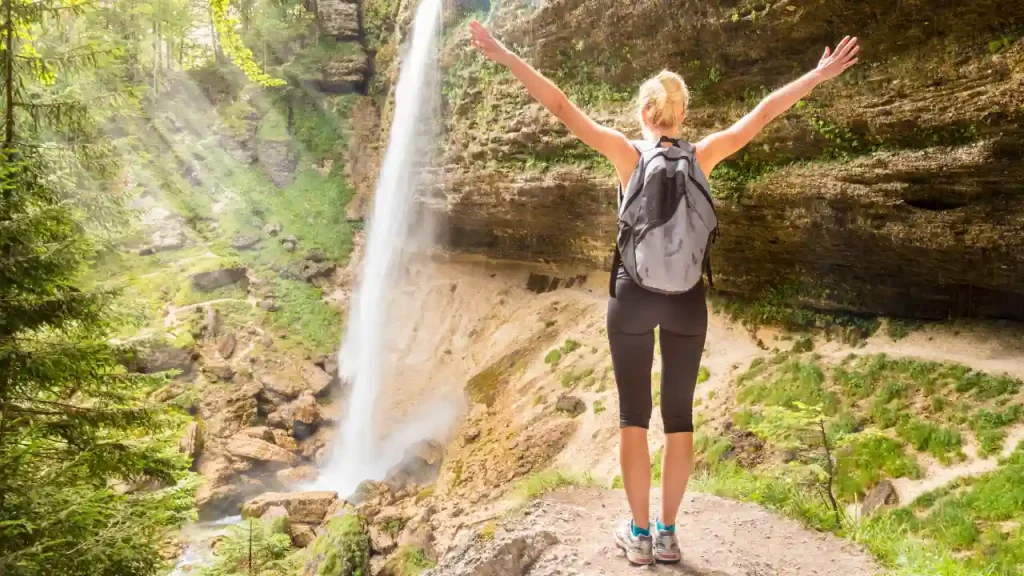
Reducing stress is one of hiking’s most important benefits for mental health. Being in nature has a calming impact that reduces stress and cortisol levels—regular walking motions and fresh air help to calm your mind and lessen worry. Hiking gives you a mental reset by enabling you to unplug from the stresses of everyday life and the digital world. Many people find hiking a physical and psychological haven due to this natural way of reducing stress.
2. Improved Mood and Mental Wellbeing
Hiking can significantly enhance your attitude and overall state of mind. Exercise emits endorphins, which are the body’s natural mood lifters. Furthermore, research has shown that spending time in nature lowers depressive and anxious symptoms. Physical activity and the beauty of nature come together to form a potent remedy for improved mental health. Since many hikers feel happier and more at ease after frequent trips, hiking enhances the body and mind.
3. Mindfulness and Mental Clarity
Hiking encourages mindfulness, the practice of being aware of being in the moment with your environment. Walking in the outdoors promotes mental clarity by getting you to concentrate on the sights, sounds, and fragrances around you. One can improve overall cognitive function and lessen negative thought patterns by exercising mindfulness. Hiking gives your mind a reprieve from the nonstop stimulation of city life, enabling it to refocus and become more apparent. For this reason, hiking is a great way to foster mindfulness and mental clarity.
4. Social Connection and Community
Hiking can be a social activity that facilitates interpersonal connections. By joining clubs or hiking groups, you can connect with people who share your interests and foster community—engaging in social connection. In contrast, hiking can improve your mood and offer psychological assistance, adding to the enjoyment and fulfilment of the activity. Hiking is a great way to build social networks and support systems, and it is also a great exercise since shared experiences on the trail often result in lifelong friendships.
Getting Started with Hiking

1. Essential Gear for Beginners
To guarantee comfort and safety, you’ll need a few essential items before you embark on your hiking adventure. Suitable hiking footwear is necessary for stability and injury avoidance. Wear layers of clothing to adjust to the changing weather, and always have a first aid kit, drink, food, and a map in your bag. Trekking poles can give more stability, particularly on challenging routes. Your protection from the sun may result from wearing a hat and sunscreen. Choosing the proper equipment may make hiking safer and more pleasurable, motivating you to continue this beneficial activity.
2. Choosing the Right Trail
Choosing the appropriate trail is crucial, particularly for novices. Start on more accessible, shorter trails to increase your fitness and confidence. Seek out signposted trails with smooth momentum and a moderate incline. Find hikes appropriate for your skill level by researching nearby locations and reading reviews. Many trails are available in both local nature reserves and national parks. As your fitness level rises, gradually extend and challenge your hikes. Selecting the appropriate trail lowers the chance of injury or overexertion while ensuring a pleasurable experience.
3. Safety Tips for New Hikers
When trekking, safety comes first. Tell someone, always, about your plans to go hiking and when you intend to return. Before departing, check the trail conditions and weather predictions. To help you stay on course, always have a map, compass, or GPS with you. Bring adequate food to keep up your energy levels and stay hydrated by consuming water regularly. Keep a look out for wildlife and be mindful of your surroundings. Wear layers to adapt to temperature variations and dress appropriately for the weather. You can lower the dangers and enjoy your hike using these safety suggestions.
4. Incorporating Hiking into a Busy Schedule
It can be not easy to find time to trek, but it is feasible to fit it into your daily life. Seek trails in your area to explore on the weekends or after work. Plan your hikes by blocking off particular times, just like you would make another reservation. Weekend getaways or quick walks over lunch breaks can be included in a busy schedule. Please invite friends and family to participate and make it a regular social activity. Include this vital activity regularly by prioritizing and organizing your hikes.
Real-Life Stories and Testimonials

1. Success Stories
Knowing about others’ accomplishments can be immensely inspiring. Hiking daily has improved the fitness and health of many people. For instance, by walking three times a week, 35-year-old Jane, an office worker, significantly decreased her stress levels and lost thirty pounds. Hiking has helped John, a 50-year-old man with a history of heart disease, increase his cardiovascular health and stamina. These accounts inspire others to embark on their hiking adventures by highlighting the critical beneficial impacts of hiking on mental and physical health.
2. Expert Opinions
Experts recommend hiking as an excellent way to get exercise. The cardiologist Dr. Smith highlights that hiking’s aerobic qualities make it an excellent activity for heart health. A fitness expert, Alex, points out that hiking works the entire body, increasing stamina and muscle strength. Dr. Lee, a psychologist, emphasizes the advantages of being outdoors for mental health, including lowered stress levels and elevated mood. These professional viewpoints support the notion that hiking is an effective exercise for the entire body and a recreational pastime.
Conclusion on Is Hiking Good Exercise
Hiking offers numerous benefits that extend far beyond simple physical exercise. As an all-encompassing activity, it not only boosts cardiovascular fitness and muscle strength but also significantly contributes to weight management and improves flexibility and balance. More than just a physical workout, hiking offers profound mental health benefits, reducing stress, enhancing mood, and fostering a sense of mindfulness and community among enthusiasts.
For those contemplating whether hiking is good exercise, this comprehensive guide provides all the confirmation needed. Hiking is indeed an excellent form of exercise, providing a unique combination of physical challenges and mental health benefits that other forms of exercise simply cannot match. With tips for beginners and insights into both the physical and psychological advantages, anyone can start to incorporate hiking into their fitness regimen and experience the transformative effects it has on the body and mind.
Frequently Asked Questions (FAQs)
How many calories can you burn while hiking?
Depending on the intensity and duration of the hike, hiking can burn between 400 and 700 calories per hour.
Is hiking suitable for beginners?
Yes, beginners can start with shorter, more accessible trails and gradually increase the difficulty as their fitness improves.
What should I bring on a hike?
Essential gear includes quality hiking boots, layered clothing, a backpack with water, snacks, a map, a first-aid kit, and trekking poles for stability.
How does hiking improve mental health?
Hiking reduces stress, enhances mood, promotes mindfulness, and provides opportunities for social interaction, all contributing to better mental wellbeing.
Can hiking help with weight loss?
Yes, hiking is an effective way to burn calories and boost metabolism, aiding in weight loss and weight management.
What safety precautions should I take while hiking?
Inform someone about your plans, check the weather, carry navigation tools, stay hydrated, and be aware of your surroundings to ensure a safe hiking experience.