

Hiking is an exciting new adventure! If you enjoy being outside, you may be familiar with the term but need clarification on what it means. The experience of hiking a long-distance trail from beginning to end in a single trip is known as “thru-hiking.” This guide aims to explain thru-hiking thoroughly and is appropriate for novice and experienced hikers.
You’ll learn about its special allure, preparation advice, necessary equipment, safety precautions, environmental commitments, and motivating testimonies from individuals who have accomplished these incredible expeditions. If you’re curious about embarking on a thru trek for the first time or want to know more about this amazing outdoor activity, this book is a great resource.
Key Takeaways
- Physical and Mental Challenge: It tests your endurance with long trails ranging from hundreds to thousands of miles.
- Preparation Necessity: You need to prepare thoroughly, both physically and with your travel logistics.
- Community and Solitude: It combines moments of solitude with a strong sense of community among hikers.
In This Post
Thru Hiking a beginner’s guide
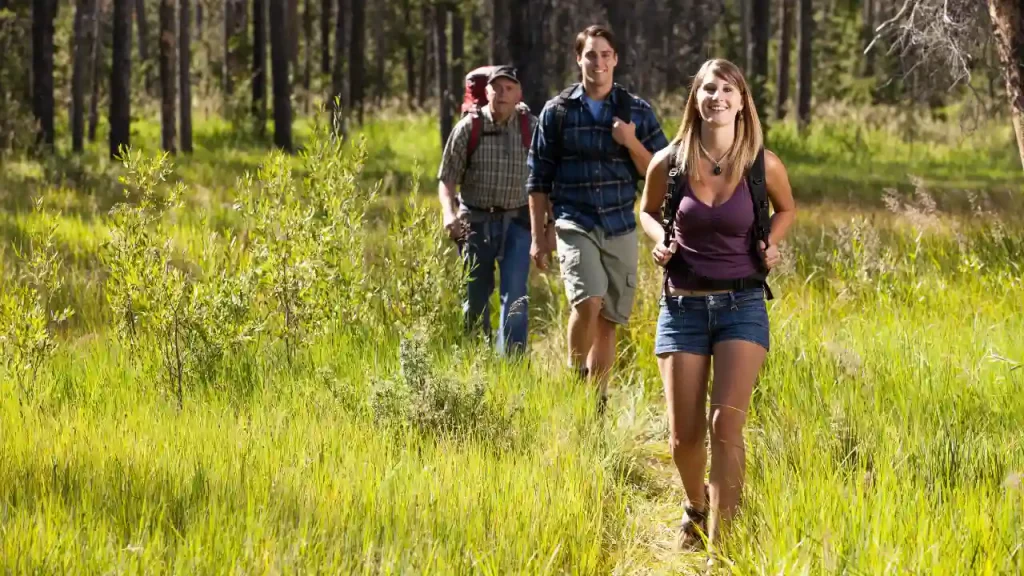
Thru-hiking involves hiking a long-distance trail from start to finish in a single uninterrupted journey. It is distinct from day hiking or section hiking, which includes tackling trails in smaller parts over time. Hiking is a challenge that tests physical stamina and mental resilience, as it involves completing trails ranging from several hundred to thousands of miles. Trails like the Appalachian Trail played a significant role in the historical rise of thru hiking’s popularity, and now it is a global phenomenon.
Those who embark on thru-hiking journeys often spend several months on the trail, enjoying a one-of-a-kind mix of solitude, companionship, and immersion in the natural world. Adequate preparation is crucial for this endeavor, encompassing physical training and logistical planning, to ensure that hikers are well-equipped to tackle the various terrains and weather conditions they may encounter. Thru-hiking is about pushing limits and achieving accomplishment.
The Appeal of Thru-Hiking
Thru-hiking is enticing due to its many rewards. People embark on this challenging journey for a great sense of achievement. Hiking lets you connect with nature and explore remote landscapes. Trail challenges foster resilience and personal growth, pushing hikers to overcome obstacles and discover inner strength. The thru-hiking community is famously close-knit. Hikers connect, sharing experiences, tips, and encouragement. The feeling of belonging and the support from others enrich the entire experience, transforming hiking into more than just a physical adventure but also a deeply emotional and social one.
Popular Thru-Hiking Trails

Several well-known hiking trails capture the imaginations of adventurers worldwide. American hikers love the Appalachian Trail, which stretches 2,190 miles from Georgia to Maine. The Pacific Crest Trail spans from Southern California deserts to snow-capped peaks. The rugged Continental Divide Trail spans from Mexico to Canada. Stretching from the top to the bottom of New Zealand, the Te Araroa Trail offers a distinct blend of cultural and natural wonders, making it a must-visit for travelers worldwide. In Spain, the Camino de Santiago offers a unique blend of spiritual pilgrimage and stunning hiking in Europe. Notable trails like the Bibbulmun Track in Australia and the Israel National Trail provide exceptional experiences for thru-hikers.
Preparing for a Thru-Hike
Properly getting ready beforehand is critical for a successful thru-hike. Physical and mental readiness forms the core. Planning and logistics carry the same level of significance. Choosing a trail that suits one’s experience level and desired outcomes is important. By creating a comprehensive timeline and itinerary, hikers can effectively manage their pace and stay on schedule. It is crucial to have a good grasp of permits and regulations to prevent legal complications. Balancing supplies and load practicality is essential in hikers’ resupply strategies and food planning. Part of the process is finding designated areas where supplies can be restocked along the trail. A well-rounded preparation paves the way for a safer, more enjoyable, and ultimately successful hiking journey.
Essential Gear for Thru-Hiking
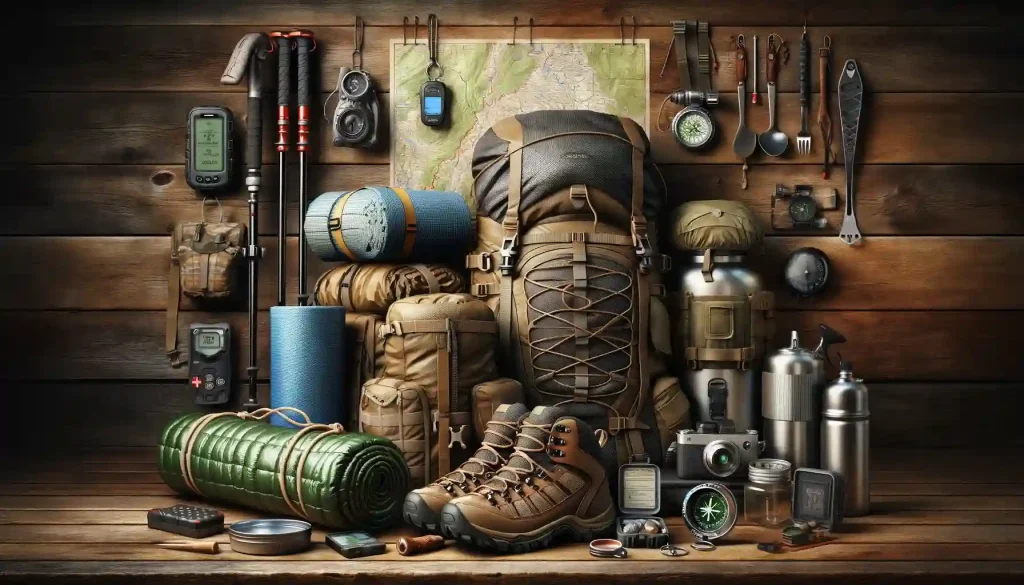
Picking the appropriate equipment is of utmost importance when it comes to thru-hiking. The foundation of a well-prepared journey lies in a backpack that fits perfectly, ensuring comfort and ample room for all the essentials. Options for shelter, like lightweight tents or hammocks, can keep you safe from the elements. Ensuring restful nights involves having a trustworthy sleep system, which includes a sleeping bag and sleeping pad suitable for your needs. It is crucial to have clothing that can adapt to changing weather conditions and durable hiking boots to keep your feet safe. Hiking equipment such as portable stoves and water filters enable hikers to cook meals and stay hydrated. Route-finding and safety can be enhanced with navigation tools like maps and GPS devices. A complete first aid kit is vital for addressing emergencies. Quality gear tailored to thru-hiking improves comfort, safety, and success on the trail.
Safety Tips and Considerations
Hiking places a strong emphasis on prioritizing safety. Being well-prepared for various weather conditions is of utmost importance. Being familiar with wildlife behaviors and having a bear spray can help minimize the risks of encountering bears. Suitable footwear, proper hygiene, and early recognition of blisters or fatigue are all key to preventing injuries. The ability to navigate effectively is of utmost importance. Although solo hiking provides solitude, group hiking can improve safety by sharing resources and offering mutual support. Consistently checking in with a reliable contact can help guarantee that someone is informed of the hiker’s location. These collective precautions ensure a safer and more enjoyable hiking experience.
Environmental Responsibility
Hikers should take steps to reduce their environmental footprint. It is crucial to adhere to Leave No Trace principles to protect the pristine beauty of trails. This entails appropriately getting rid of waste, carrying all garbage with you, and using biodegradable soap at a safe distance from water sources. To protect wildlife, observing animals from afar and avoiding providing them with food is important. Sticking to the designated trails is important to prevent erosion and vegetation damage. Sustainable hiking practices, like employing reusable equipment and minimizing the impact of campfires, further decrease the ecological impact. In addition to other considerations, hikers should always respect local cultures and communities, ensuring their presence does not disrupt the natural environment. Following these guidelines helps preserve natural areas for future generations.
Stories from the Trail
Insights and inspiration from seasoned thru-hikers are incredibly valuable. Numerous individuals share personal stories of triumphing over obstacles, such as extreme weather conditions or physical injuries, emphasizing the mental strength needed for hiking long distances. These tales frequently showcase unforgettable moments of breathtaking natural beauty, close encounters with wildlife, and the simple pleasures of living on the trail. Thru-hikers commonly describe a strong sense of fulfillment after finishing their trek. Furthermore, they communicate the knowledge acquired, including the value of managing one’s energy and being open to change. These narratives inspire future thru-hikers and cultivate a sense of togetherness among adventure enthusiasts. Sharing their experiences through blogs, books, and social media, hikers play a significant role in enriching the collective knowledge and spirit of the hiking community.
Tips for Beginners
A suggested approach for beginners is to start with shorter hikes and gradually improve their endurance. To enhance your hiking experience, consider becoming part of hiking groups and online communities where experienced hikers can offer support and valuable advice. Guidebooks, online forums, and instructional videos are useful tools for gaining information about specific trails and enhancing overall hiking abilities. When starting, beginners should prioritize acquiring and testing essential gear to ensure comfort and functionality. Confidence is built by practicing important skills like tent setup and navigation with a map and compass. It is important to recognize and respect one’s limitations to avoid burnout. Preparation for a safe and enjoyable first-thru hike involves a step-by-step approach and leveraging available resources.
Conclusion on What Is Thru Hiking
Thru-hiking is not just about physical endurance; Whether you’re seeking adventure, a sense of accomplishment, or a way to disconnect from the digital world, thru-hiking offers a unique and rewarding experience. Anyone can undertake this amazing adventure by adequately preparing, having the appropriate equipment, and prioritizing safety and environmental responsibility. Don’t be afraid of the challenge; take the first step and unlock the transformative potential of thru-hiking. We encourage you to share your adventures or plans in the comments – the trail is ready for you!
Frequently Asked Questions (FAQs)
How long does it typically take to complete a thru hike?
The duration varies. Thru hikes can take from a few weeks to several months, depending on the trail and individual pace. For example, the Appalachian Trail typically takes 5-7 months to complete, while shorter trails may be finished in a matter of weeks.
What are the essential items for a thru hike?
Essential items for a thru hike include a well-fitted backpack, shelter (tent or hammock), sleeping bag, layered clothing, cooking gear, water filtration system, navigation tools, and a first aid kit. These items are crucial for safety, comfort, and survival during long-distance hiking adventures.
How do thru hikers resupply food and gear?
Thru hikers resupply food and gear by stopping at towns along the trail or arranging mail drops. They plan resupply points in advance to pick up essentials, ensuring they have enough provisions to continue their hike. This careful planning helps them manage their supplies effectively.
Is it safe to thru hike alone?
Yes, it is safe to thru hike alone if you are well-prepared. Solo thru hiking offers solitude and independence. Ensure safety by researching the trail, carrying essential gear, checking in regularly with a trusted contact, and staying aware of your surroundings. Proper preparation and caution are key to a successful solo hike.
Useful Links