
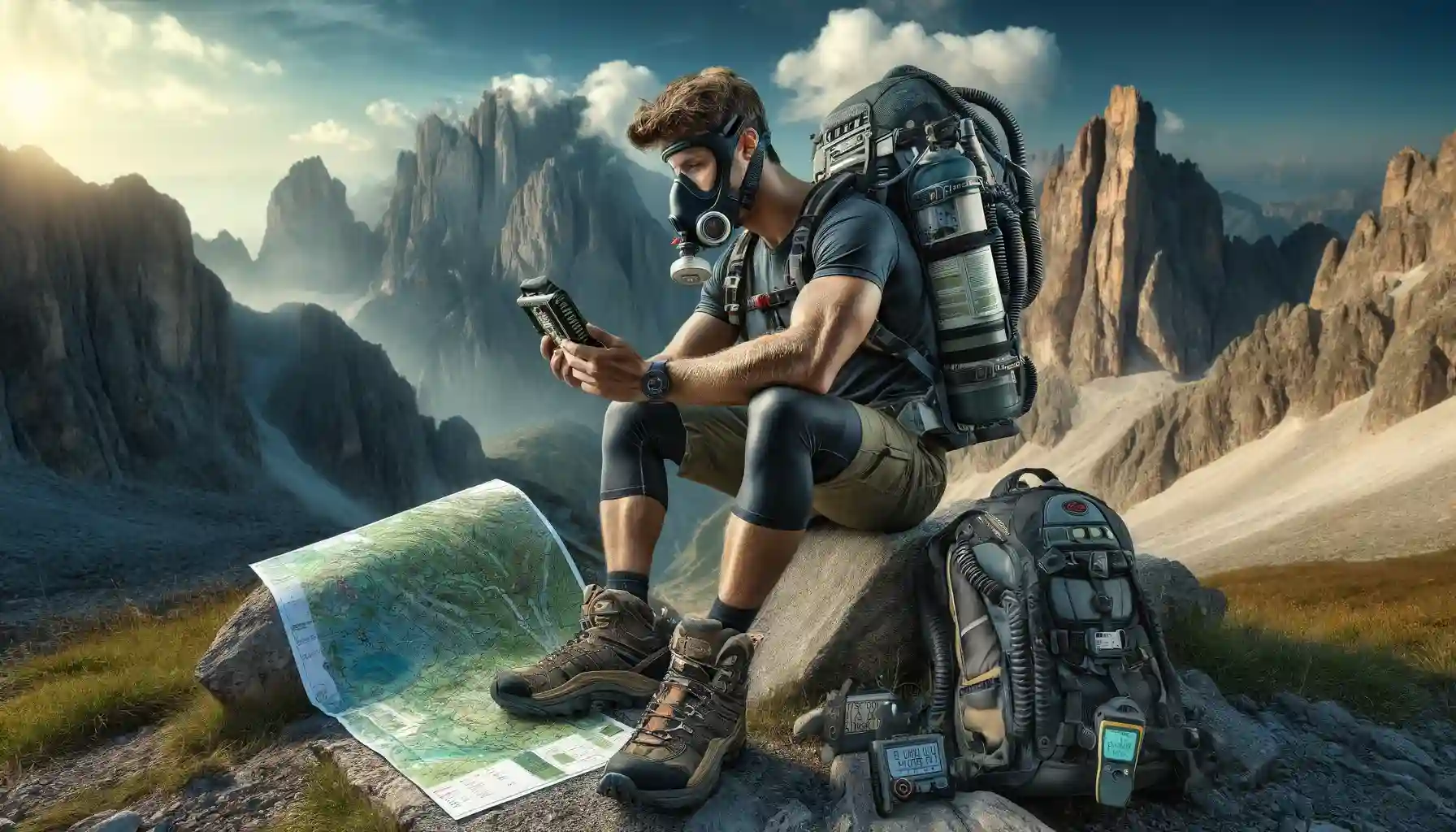
Hiking at high altitudes is an exhilarating challenge that tests physical and mental endurance. Standing at the top of a mountain peak, surrounded by breathtaking vistas, must feel incredible. More than a passion for hiking is required; meticulous preparation is essential. You must train properly to avoid altitude sickness and to ensure your body can handle the reduced oxygen levels and increased physical demands. This article will teach you everything from physical conditioning and acclimatization techniques to nutrition and mental preparation. You can use this guide to ace Kilimanjaro, Machu Picchu, or any other high-altitude destination.
In This Post
What is High Altitude Hiking?
A high-altitude hike is generally defined as a trek above 8,000 feet (2,438 meters) above sea level. The most popular destinations include the Himalayas, the Andes, and the Rockies. At these heights, where the air is thinner, there is a lower level of oxygen available due to the thinner air. Preparing properly for such situations is important since they can lead to various physiological challenges. It is not just the physical terrain that makes high altitude hikes so challenging, but also how well your body can adapt to the decreased oxygen levels that come with it. The more you know about these conditions and what to expect ahead of time, the better prepared you will be and the more you can enjoy your experience.
Why is Training for High Altitude Hiking Important?
Altitude significantly decreases the body’s performance, so training for high-altitude hiking is essential. Preparation improves cardio and muscular systems, making the climb easier. Altitude sickness can cause mild symptoms like headaches and severe conditions like high altitude pulmonary oedema (HAPE). High-altitude hiking can be both mentally and physically challenging. A proper training program will ensure you are well-prepared to handle various unexpected situations and allow you to make the most of your hike.
Physical Preparation for High Altitude Hiking
1. Cardiovascular Training
Improving your cardiovascular fitness before embarking on a hiking trip at high altitudes is extremely important. Running, cycling, and swimming are some of the best activities for building cardiovascular endurance. The time you spend exercising should be at least 30 minutes per day, five days a week. As you continue to work out, gradually increase your intensity and duration to build stamina as you go along. The first step is to jog for 20 minutes, then gradually build up to running or cycling for an hour. Exercise that alternates between high-intensity and low-intensity can also help improve cardiovascular efficiency.
2. Strength Training
Strength training targets all body muscles used during hiking, including the legs, the core, and the upper body. Squats, lunges, planks, and push-ups are effective. Strength training should be included three times a week. Squats, lunges, push-ups, and planks for 30 seconds each could be part of a routine. It comes with the added benefit of building muscle and enhancing your balance and stability, both of which are essential for easily navigating uneven terrain. Keeping up a regular strength training routine will help you reduce fatigue while hiking and improve your performance on the trail.
3. Endurance Training
Hiking at high altitudes can be difficult without endurance, which is crucial for long hikes. Adding longer hikes and backpacking trips to your training routine will allow you to build endurance. Aim for at least one long hike per week, gradually extending the duration and complexity of the hike with each passing week. A key aspect of ensuring you get the most out of your workouts is slowly increasing their intensity. By adapting your body to the demands of high-altitude hiking, you will maintain energy levels and reduce fatigue during your trek.
Acclimatization Techniques
1. Understanding Acclimatization
Acclimatization involves your body adjusting to low oxygen levels. Altitude sickness can cause headaches, nausea, dizziness, and shortness of breath. An effective acclimatization program can help mitigate some of these effects. When you plan your ascent, it is essential to understand how your body reacts to high altitudes and how you can adjust accordingly. Gradual acclimatization is crucial to prevent altitude sickness and ensure a safe and enjoyable hike.
2. Gradual Exposure
For effective acclimatization, you must expose yourself gradually to the environment. This principle is simple and based on giving your body the time to adjust slowly as you ascend. You must spend a day acclimatizing whenever you gain 1,000 feet (300 meters) of elevation. This can involve hiking at a higher altitude during the day and returning to a lower altitude in the evening to sleep at a lower altitude. This method will reduce the chance of altitude sickness, and your body will naturally adjust to the changing altitude. Planning your hiking itinerary to include rest and acclimatization days is important. It will enhance the safety and enjoyment of your hike.
3. Hypoxic Training
Hypoxic training simulates conditions found at high altitudes by reducing oxygen concentrations during workouts. This is accomplished using altitude masks, hypoxic tents, and even training at high-altitude training centres using the latest equipment. Knowing that the abovementioned techniques will help you adapt to the low-oxygen environments before hiking is important. The benefits of hypoxic training are obvious, but they should be approached cautiously and with the help of a trained professional. To determine whether this method suits your training needs, you need to consider the pros and cons, such as the cost and accessibility. By using hypoxic training in the right way, you can enhance your performance and reduce the risk of altitude sickness as well.
Nutrition and Hydration for High Altitude Hiking
1. Diet for High-Altitude Hiking
Proper nutrition is essential for high-altitude hiking. Your body needs more energy to adapt to lower oxygen levels. A balanced diet with carbs, proteins, and fats is crucial. Carbs are vital because they give you a quick burst of energy. Ensure your diet includes whole grains, fruits, vegetables, lean meats, and dairy. Fatigue can be avoided by moderating your intake of fatty and sugary foods. Strategic meal planning guarantees that you will have enough energy and nutrients for both training and the hike.
2. Hydration Strategies
Staying hydrated is essential at high altitudes due to increased respiratory water loss and dehydration. Stay hydrated before, during, and after your hike. Drink 3-4 liters of water daily. Include drinks with electrolytes to replenish minerals. Check your urine colour to gauge hydration. Stay away from alcohol and caffeine, which dehydrate you. Proper hydration prevents altitude sickness and boosts energy levels for a better hike.
Mental Preparation
1. Building Mental Resilience
High-altitude hiking requires strong mental resilience. Practices like meditation, visualization, and positive affirmations can aid in the development of mental resilience. Meditation is beneficial for maintaining a calm and focused state, while visualization exercises help mentally prepare for the hike by imagining successful outcomes. Positive affirmations heightened confidence and motivation. Regular practice of these techniques builds a strong mindset for high-altitude hiking. Mental resilience allows you to handle unexpected difficulties and enjoy the experience fully.
2. Dealing with Altitude Sickness
Altitude sickness can be challenging, but employing mental strategies can assist in managing it. Keep a calm and positive attitude while identifying symptoms early on. Use controlled breathing techniques to help manage symptoms. The ability to decide when to persevere or give up is vital. Take care of your body and avoid overexertion. Embrace the fact that it’s alright to step back if needed. Ensuring mental readiness for these possibilities allows you to make wise decisions and approach high-altitude hiking with a positive mindset, thus improving your overall experience.
Gear and Equipment for High Altitude Hiking
1. Essential Gear for High-Altitude Hiking
Proper gear is crucial for a successful high-altitude hike. Invest in durable footwear, clothing, and accessories for tough conditions. Essential items are hiking boots, moisture-wicking layers, waterproof outerwear, and a backpack. Specialized gear like trekking poles, oxygen systems, and GPS devices can improve your safety and comfort. It’s important to check that all your gear fits correctly and is suitable for the specific conditions of your hike. Quality gear enhances your performance and ensures a safe and comfortable journey.
2. Training with Your Gear
The most important thing you can do before you go on a hike is to familiarize yourself with your gear. To prevent blisters and to ensure that all equipment fits properly, you should break in your boots before you set out. Incorporate your backpack, trekking poles, and other hiking gear into your training sessions to mimic actual hiking scenarios. Before using them, practice setting up and using any specialized equipment, like tents and cooking systems. It ensures comfort and efficiency with gear, reducing stress during the hike. Properly preparing your gear enhances confidence and readiness for high-altitude hiking.
Planning Your High Altitude Hike
1. Research and Preparation
A successful high-altitude hike requires thorough research. Research terrain, weather conditions, and local regulations for your chosen route. Be aware of the risks and challenges at your destination. Travel arrangements, permits, and emergency contacts should be included in your plan. Research and planning ensure you’re well-prepared for any situation. By preparing properly, you increase the chance of safety and enjoyment, as well as being able to focus on the experience and the breathtaking views.
2. Logistics and Itinerary
A detailed itinerary is one of the most important elements of planning the logistics of your hike. Travel arrangements, accommodations, and support systems should be included in the plan. Plan some rest and acclimatization days to give your body time to adjust. Each hike’s distance, elevation gain, and difficulty should be considered when planning your daily hikes. Ensure you have all the necessary permits and are familiar with the local regulations. A well-planned itinerary will ensure a smooth and enjoyable hike, allowing you to focus on the adventure and the region’s scenic wonders.
Conclusion
To summarize, thorough training for high-altitude hiking involves various aspects such as physical fitness, acclimatization methods, adequate nutrition, and mental strength. Adhering to these recommendations can improve your performance, minimize the chances of altitude sickness, and have a safe and fulfilling hiking experience at high altitudes. Commence your training now and embrace the thrill and magnificence of high-altitude escapades. We encourage you to share your experiences and tips in the comments section below so we can embark on this journey together.
Frequently Asked Questions (FAQs)
How long should I train for a high altitude hike?
You should train for a high altitude hike for at least 8 weeks. This duration allows your body to gradually adapt to higher elevations, enhancing your endurance and acclimatization, which are crucial for a successful and safe hiking experience at high altitudes.
What should I eat during my high altitude hike?
You should train for at least three to six months before a high altitude hike. This preparation period allows your body to build the necessary cardiovascular and muscular strength, enhances endurance, and helps you acclimate to lower oxygen levels, reducing the risk of altitude sickness.
How can I prevent altitude sickness?
You can prevent altitude sickness by acclimatizing gradually, staying hydrated, and avoiding alcohol and caffeine. These measures help your body adjust to lower oxygen levels, reducing the risk of symptoms like headaches, nausea, and dizziness. Consider medications like acetazolamide if needed.
Is hypoxic training necessary?
No, hypoxic training is not necessary but can be beneficial. It simulates high altitude conditions, helping your body adapt to lower oxygen levels. While useful, it’s best done under professional guidance and if you have access to proper facilities. Most people can prepare adequately without it
What gear is essential for high altitude hiking?
Essential gear includes sturdy hiking boots, moisture-wicking clothing, waterproof outerwear, and a reliable backpack. These items ensure safety and comfort. Specialized gear like trekking poles, oxygen systems, and GPS devices can enhance your experience and help you navigate challenging terrains effectively.