
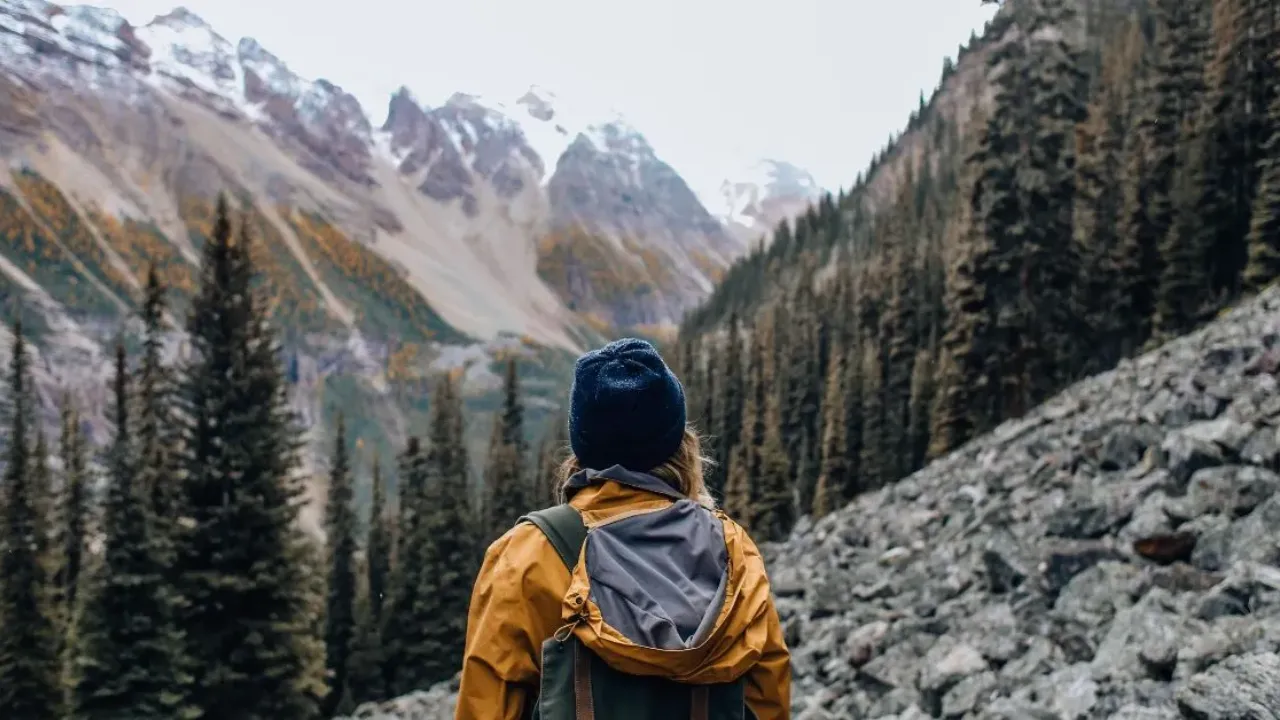
Hiking offers a unique blend of adventure, fitness, and nature connection. Whether you hike through dense forests, scale mountain trails, or walk along coastal paths, hiking can be both invigorating and therapeutic. Providing a balanced view of hiking advantages and disadvantages, this blog post explores Hiking advantages and disadvantages comprehensively. In order to enjoy hiking more fully, it is crucial to understand the full spectrum of hiking experiences. Hiking offers physical and mental benefits as well as potential risks and environmental impacts. You will gain valuable insight and practical tips in this article that you can use to enhance your hiking experiences, regardless of where you are on your hiking journey.
In This Post
Advantages of Hiking
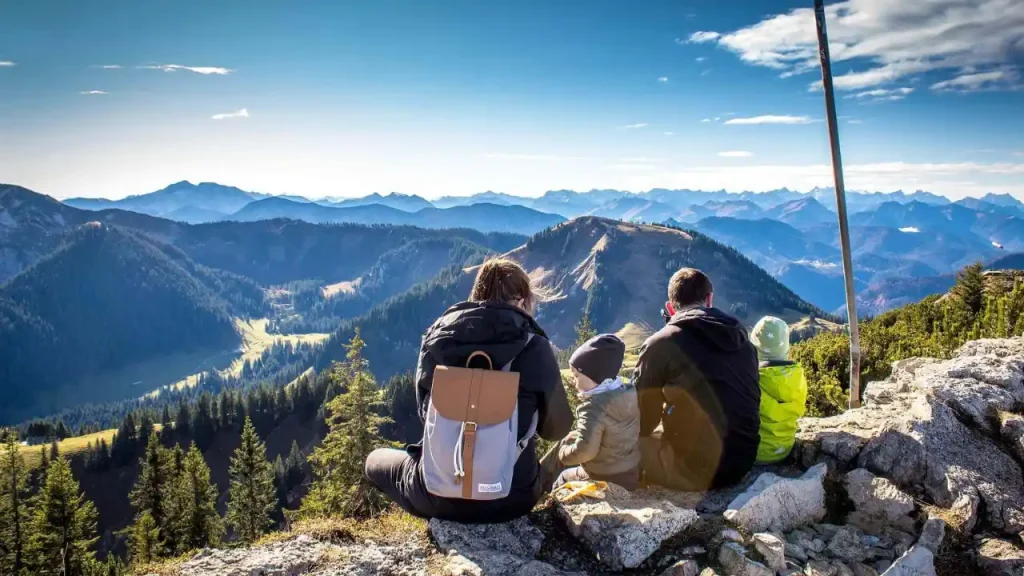
1. Physical Health Benefits
Taking part in hiking is one of the best ways to improve one’s cardiovascular health. The benefit of hiking regularly is that you will be able to strengthen your heart, improve blood circulation, and lower your blood pressure. Additionally, this form of exercise can be used to enhance muscular strength, since it targets muscles in the legs, core, and even in the upper body, depending on the terrain. Furthermore, hiking has been shown to be an effective tool for managing your weight.
As it burns a significant amount of calories as well as reducing the risk of obesity-related diseases by maintaining a healthy weight, it helps to maintain a healthy weight. Aside from boosting bone density, hiking helps to strengthen bones and joints by putting weight on them through weight bearing activities. Adapting to the different surfaces of the terrain while hiking also improves balance and coordination. Overall health and fitness are supported by these combined benefits of hiking.
2. Mental Health Benefits
Hiking offers equally compelling benefits in terms of mental health as it does in terms of physical health. There are numerous benefits associated with spending time in nature, such as reducing stress and anxiety, as well as providing a calming effect that will last for a long time. A healthy dose of endorphins is released during this activity, resulting in a sense of wellbeing in the body. The act of hiking can also boost creativity and the ability to solve problems in a creative manner.
The presence of natural surroundings away from the distractions of the daily grind allows the mind to wander freely, promoting creative thinking and improving cognitive functions as a result. Furthermore, hiking contributes to better sleep quality by increasing the physical exertion and exposure to natural light that occurs during the hike. By improving sleep patterns, we are further enhancing our mental well-being, thereby creating a positive cycle of benefits for our mental health. As a result, hikes are a valuable activity for those who are seeking to enhance their psychological well-being because of their mental health benefits.
3. Social Benefits
It is also important to note that hiking has significant social benefits as well. Shared experiences strengthen relationships between friends and family. A hike together can provide valuable time spent together, free of distractions from technology, allowing deeper connections to be forged. Hiking can also serve as a great way to build community, especially if you join hiking groups or clubs, where you can meet new people who share similar interests besides hiking.
Social interactions can lead to lasting friendships and the development of a supportive network over the course of time. Moreover, the cooperative aspects of group hiking, such as navigating trails and overcoming challenges together as a team, encourage the building of teamwork and camaraderie among hikers. As a result of these social dynamics, hiking becomes a fulfilling and enjoyable experience.
4. Environmental Awareness
One of the positive outcomes of engaging in hiking is the increased awareness and concern for the environment that it fosters. When hikers venture into natural landscapes, their appreciation for the environment and its conservation grows stronger. This connection often encourages individuals to take part in activities that ensure the protection and preservation of nature.
Exploring nature through hiking not only provides an enjoyable experience but also offers a chance to learn about the local ecology, including the diverse plant and animal life. A comprehension of the environment cultivates a feeling of duty and motivates the implementation of sustainable practices. Hiking plays a crucial role in environmental stewardship by promoting nature conservation and educating hikers on ecological matters.
Disadvantages of Hiking

1. Physical Risks and Challenges
Despite its numerous benefits, hiking does come with physical risks and challenges. Common injuries such as sprains, strains, and fractures can occur, especially on uneven or slippery terrain. Additionally, hikers may face health issues like dehydration, heatstroke, or hypothermia, depending on weather conditions and preparedness. The physical exertion required for hiking can also be demanding, necessitating a certain level of fitness and stamina. Those with pre-existing health conditions or limited physical abilities may find hiking particularly challenging. It’s crucial to be aware of these risks and take necessary precautions to ensure a safe hiking experience.
2. Environmental Concerns
Hiking can have negative impacts on the environment. Trail erosion, littering, and disturbances to wildlife are common issues associated with increased foot traffic. These environmental concerns can degrade natural habitats and disrupt ecosystems. Overuse of popular trails can lead to significant damage, necessitating efforts to restore and protect these areas. Responsible hiking practices, such as adhering to the Leave No Trace principles, are essential to minimize environmental impact. Awareness and education about sustainable hiking practices can help mitigate these negative effects and preserve natural landscapes for future generations.
3. Practical Challenges
Hiking also presents several practical challenges. Weather dependency is a significant factor, as adverse weather conditions can disrupt plans and create hazardous situations. Accessibility is another challenge, particularly for individuals with disabilities or limited mobility. Many trails are not designed to accommodate all physical abilities, limiting opportunities for some people. Additionally, the cost of hiking gear and accessories can be a barrier for some. Proper footwear, clothing, backpacks, and safety equipment are essential for a safe and enjoyable hiking experience, and these items can be expensive. Balancing these practical challenges is important when planning a hike.
4. Personal Disadvantages
On a personal level, hiking can have certain disadvantages. The time commitment required for planning and undertaking hikes can be considerable, especially for those with busy schedules. Physical limitations due to health issues or fitness levels may also restrict the ability to hike. Safety concerns, such as the risk of getting lost or encountering dangerous wildlife, can deter some individuals from hiking. These personal disadvantages need to be weighed against the benefits to determine if hiking is a suitable activity.
Tips for Safe and Enjoyable Hiking

1. Health and Safety
It is crucial to stay properly hydrated and nourished while hiking. Maintaining hydration and energy can be achieved by ensuring you have enough water and high-energy snacks with you. It is equally important to be aware of your physical limits and to recognize signs of fatigue or distress. Pushing yourself too hard can lead to physical injuries or other health-related complications. Ensuring the well-being and safety of oneself leads to a positive hiking adventure.
2. Gear and Equipment
Hiking requires the right gear and equipment to be successful. To be well-prepared, it is important to have the right footwear, comfortable and weather-appropriate clothing, as well as a backpack that fits well. It is important to have navigation tools like maps and compasses, as well as safety equipment such as first-aid kits and emergency shelters. Making sure you are equipped with all the required gear can make your hiking experience smoother and decrease potential dangers.
3. Preparation and Planning
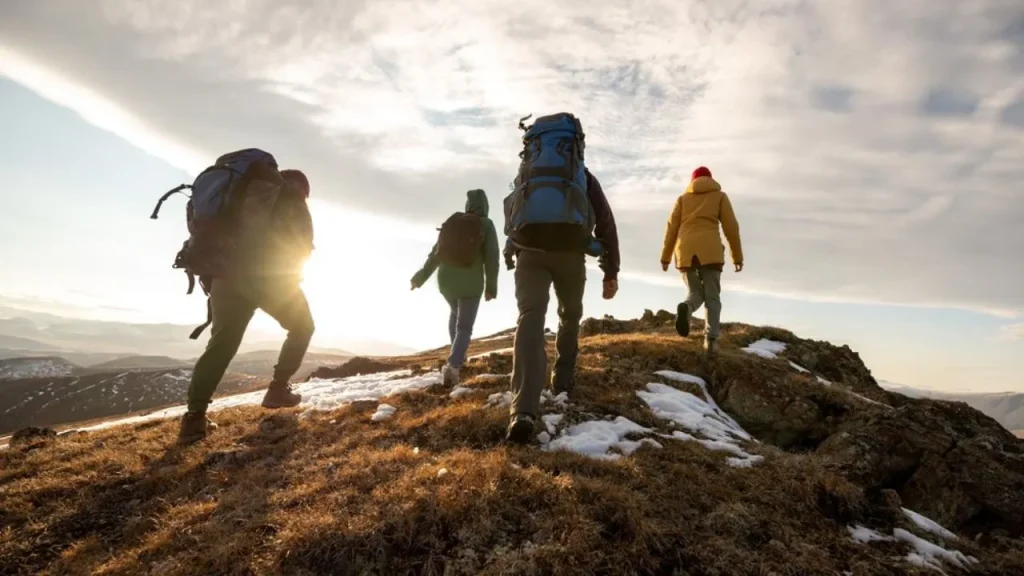
To ensure a safe and enjoyable hiking experience, it is crucial to properly prepare and plan ahead. Two important steps to ensure a successful hike are researching trails that suit your fitness level and staying updated on weather forecasts. Having knowledge about the trail conditions and anticipated weather enables you to make suitable plans and prevent any potential risks. Furthermore, letting someone know about your hiking plans and when you expect to be back provides an added measure of safety.
4. Environmental Responsibility
Environmental responsibility is a must when engaging in hiking activities. Preserving the natural landscapes can be achieved by practicing the Leave No Trace principles, which encompass packing out all trash and reducing the impact on trails. Another important aspect is to demonstrate respect for wildlife by keeping a safe distance and refraining from disturbing them. By abiding by these guidelines, hikers can relish in the splendor of nature while preserving it for future generations.
Conclusion
In conclusion, there are countless advantages to hiking, such as boosting overall health, fostering social connections, and increasing environmental awareness. Nonetheless, it has its downsides, including physical hazards, environmental issues, practical obstacles, and personal restrictions. By gaining an understanding of the benefits and drawbacks of hiking, individuals can make informed decisions and take necessary precautions to ensure their experience is both safe and enjoyable. Regardless of your level of expertise in hiking, it’s crucial to consider both the pros and cons and embrace hiking as a gratifying outdoor endeavor. Feel free to share your hiking experiences and tips in the comments below, so that others can benefit from your wisdom while exploring the trails.
Frequently Asked Questions (FAQs)
What are the main physical benefits of hiking?
Hiking offers many physical benefits. It strengthens muscles, improves cardiovascular health, enhances balance, and promotes weight loss. Additionally, hiking boosts bone density and reduces the risk of chronic diseases. The varied terrain and natural environment make hiking an effective full-body workout.
How does hiking benefit mental health?
Hiking reduces stress, improves mood, boosts creativity, and enhances overall well-being. The natural surroundings and physical activity help release endorphins, making you feel happier and more relaxed.
What are the common risks associated with hiking?
Hiking has common risks that include injuries like sprains, dehydration, altitude sickness, and encounters with wildlife. Weather changes and getting lost are also concerns. Proper preparation and awareness help mitigate these risks.
How can hiking negatively impact the environment?
Hiking can negatively impact the environment. It can lead to soil erosion, disturb wildlife, and cause littering. Trampling on vegetation and creating unofficial trails harm ecosystems. Responsible hiking practices help minimize these effects.
What gear is essential for a safe hike?
Essential hiking gear includes sturdy boots, a map, a compass, and plenty of water. Also, pack a first aid kit, weather-appropriate clothing, snacks, a flashlight, and a multi-tool. These items ensure safety and preparedness on the trail.
How can I prepare for a hike?
You can prepare for a hike by planning your route, checking the weather, and packing essential gear. Wear suitable clothing and sturdy boots. Bring water, snacks, a first aid kit, and a map. Tell someone your plans and start with a manageable trail to ensure a safe hike.
What is the Leave No Trace principle?
The Leave No Trace principle is about minimizing your environmental impact. It includes packing out all trash, staying on trails, respecting wildlife, and leaving natural objects undisturbed. This ensures natural areas remain pristine for future generations.
Is hiking suitable for everyone?
Yes, hiking is suitable for everyone. It can be adapted to all fitness levels with easy trails for beginners and challenging ones for experts. Always choose a trail that matches your ability, wear proper gear, and take necessary precautions for a safe, enjoyable experience.