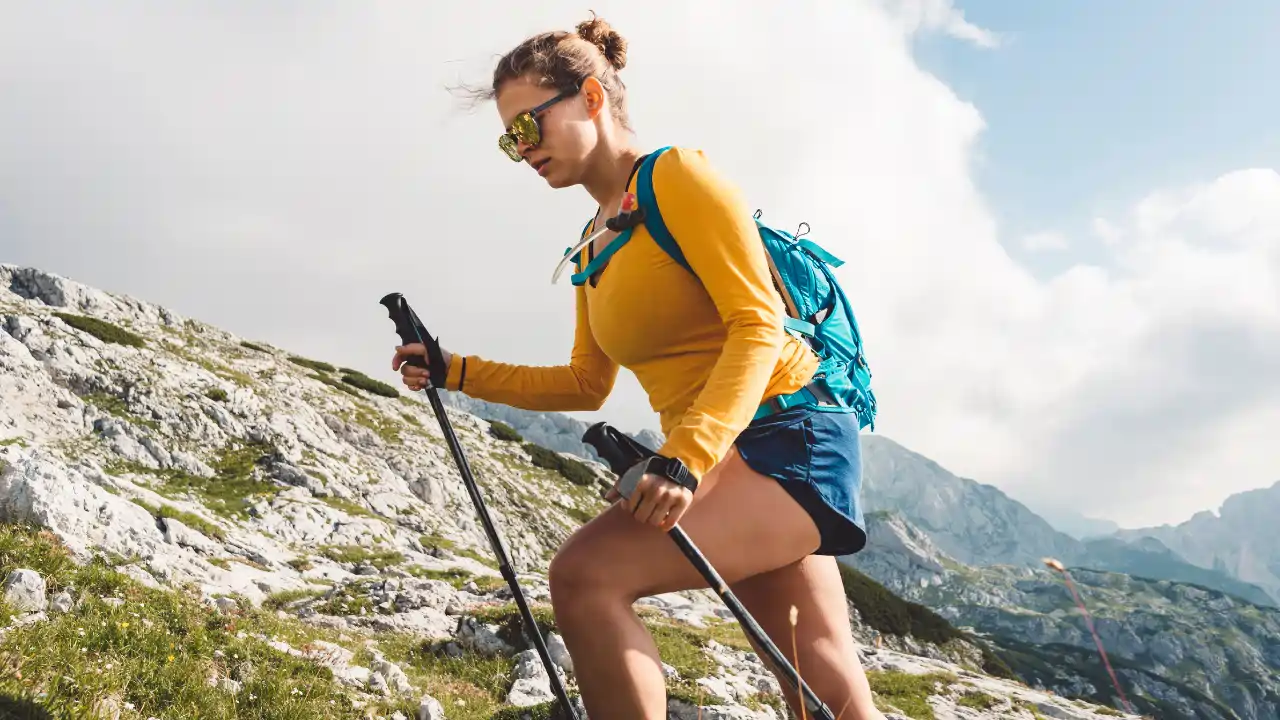

Hiking and trekking are both more than just physical endeavors; allow for recreation and pushing limits. Each step on the trail offers the act of immersing ourselves as a powerful antidote to the challenges. Hiking and trekking offer benefits beyond scenic views and Instagram-worthy moments. These activities have been proven to improve cardiovascular health, muscle strength, and mental wellness. In today’s world, finding an escape from stress is valuable. By exploring the advantages of hiking and trekking, this article offers a detailed understanding of their benefits. Knowing the benefits mentioned here can greatly alter your perception and approach to every hiking experience, whether you’re a seasoned hiker or new to the activity.
In This Post
The Physical Benefits of Hiking and Trekking
Regular hiking and trekking improve physical health. Walking on different terrain challenges and strengthens the cardiovascular system. Studies show that frequent hikes improve heart health by reducing blood pressure and the risk of heart disease. Moving on uneven surfaces strengthens legs, hips, and lower back while balancing enhances core strength and flexibility. Hiking is not solely about endurance. Furthermore, the flexibility of hiking as a workout enables people with varying fitness levels to take part in it and derive advantages, thereby making it a form of enhancing physical health accessible to everyone.
Mental Health Advantages
The psychological advantages of hiking and trekking are just as significant as the physical ones. Taking a hike and immersing oneself in nature can greatly alleviate stress, thanks to the tranquil environments, the soothing sounds of animals, and the breeze rustling through the foliage. Endorphins released during physical activity enhance natural stress relief. The sense of accomplishment and empowerment can foster a deep sense of personal growth and self-confidence. Trekking encourages a state of mindfulness and provides cognitive benefits. Completing a hike promotes emotional well-being and combats depression and anxiety. Regular hikers frequently mention improved emotional well-being and a more optimistic perspective on life, demonstrating the significant influence that engaging with nature can have on mental well-being.
Connection to Nature
Hiking and trekking offer a profound connection to nature, which is incredibly enriching. Not only does this connection benefit personal well-being, but it also promotes a heightened appreciation and respect for the environment. When hikers immerse themselves in natural environments, they develop a greater appreciation for conservation. They are more inclined to practice sustainability, such as respecting trails and minimizing their environmental impact. Heightened ecological awareness can extend the effect of hiking on daily life through eco-friendly choices. Experiencing natural landscapes enhances understanding of environmental issues and promotes proactive attitudes towards tackling them.
Social Benefits
While hiking and trekking are often seen as solitary activities, they can also be enjoyed in the company of others, making them social experiences. By joining hiking clubs and participating in group treks, individuals are provided with opportunities to build relationships. Hiking, as an activity, frequently involves social interaction, thus fostering camaraderie among nature enthusiasts. Individuals can make a strong community and receive the support they need by engaging in these activities, as the trail experiences frequently cultivate enduring friendships. Hiking allows families to bond, promote healthy habits, and work together. Hiking with family teaches children about nature and fosters respect for the environment through physical activity. Group hikes promote networking and camaraderie. Social interactions enhance the enjoyment of hiking and trekking.
Personal Growth and Life Skills
The act of hiking and trekking has been proven to contribute to personal growth and the acquisition of important life skills. Facing trial challenges is known to foster the development of resilience and perseverance. Through these experiences, hikers have the opportunity to acquire skills that can benefit them throughout their lives. Problem-solving abilities can be boosted through trail navigation. Engaging in these activities also encourages introspection and offers a respite from the overwhelming presence of technology in our daily lives, enabling individuals to reconnect with their inner thoughts and aspirations in a serene environment. Hiking and Trekking boost happiness, combat depression, improve sleep quality and build bone density.
Health and Safety Tips for Beginners
Proper preparation is crucial for those new to hiking and trekking, as it can make all the difference between a safe and enjoyable adventure and a potentially hazardous one. Investing in the right equipment is vital, such as durable shoes, clothing suitable for the weather, and a well-prepared backpack containing water, snacks, and a first aid kit. It is recommended for beginners to start with less demanding trails and gradually move on to more difficult ones as they gain confidence and improve their fitness levels. Safety and respect for fellow hikers can be ensured by learning navigation basics and trail etiquette. Knowing how to handle risks ensures a safe hiking experience.
How to Get Started with Hiking and Trekking
Beginning a hiking journey may seem overwhelming, but it’s possible with the right resources. Local hiking clubs and online communities provide valuable information and support for beginners. Start easy with lightweight essential equipment. It would help if you kept it simple and easy. Well-marked trails in multiple regions help build confidence by accommodating various skill levels. Regular walks and light strength training can be added to your routine to establish a solid foundation to enhance your physical fitness before tackling tough hikes. Interacting with a seasoned hiker or participating in a guided hike can offer valuable knowledge and enrich the initial hiking experience.
Conclusion
Hiking and trekking offer a wide range of advantages that go beyond just improving physical health. These activities also contribute to mental well-being, social connections, personal development, and a stronger bond with nature. Whether you’re seeking a reprieve from the busy pace of daily life, a way to boost your physical and mental health, or an opportunity to revel in the wonders of the natural world, hiking is the perfect choice. Considering the numerous advantages of engaging in these activities, it becomes evident that embarking on a journey on foot through nature is not merely a means to an end but a transformative experience that can enhance all aspects of life. Strap on your boots, set off on the path, and explore the profound advantages ready to be discovered.
FAQs
What should I bring on a hike?
You should bring essentials on a hike. Pack water, snacks, a map, a first-aid kit, and extra clothing. These items ensure you stay hydrated, energized, oriented, and prepared for emergencies.
Is hiking safe for all ages?
Yes, hiking is safe for all ages. It offers physical activity, fresh air, and nature exposure. Ensure safety by choosing appropriate trails, wearing proper footwear, and carrying essentials like water and snacks. Always consider individual fitness levels and health conditions.
How often should I hike to see health benefits?
Hike at least once a week for health benefits. Regular hiking improves cardiovascular fitness, strengthens muscles, and boosts mental health. Consistency is key, so aim for weekly hikes to maximize these benefits.
Can hiking help with weight loss?
Yes, hiking can help with weight loss. It burns calories, improves cardiovascular health, and builds muscle. Regular hiking, combined with a balanced diet, effectively aids in weight management and overall fitness.