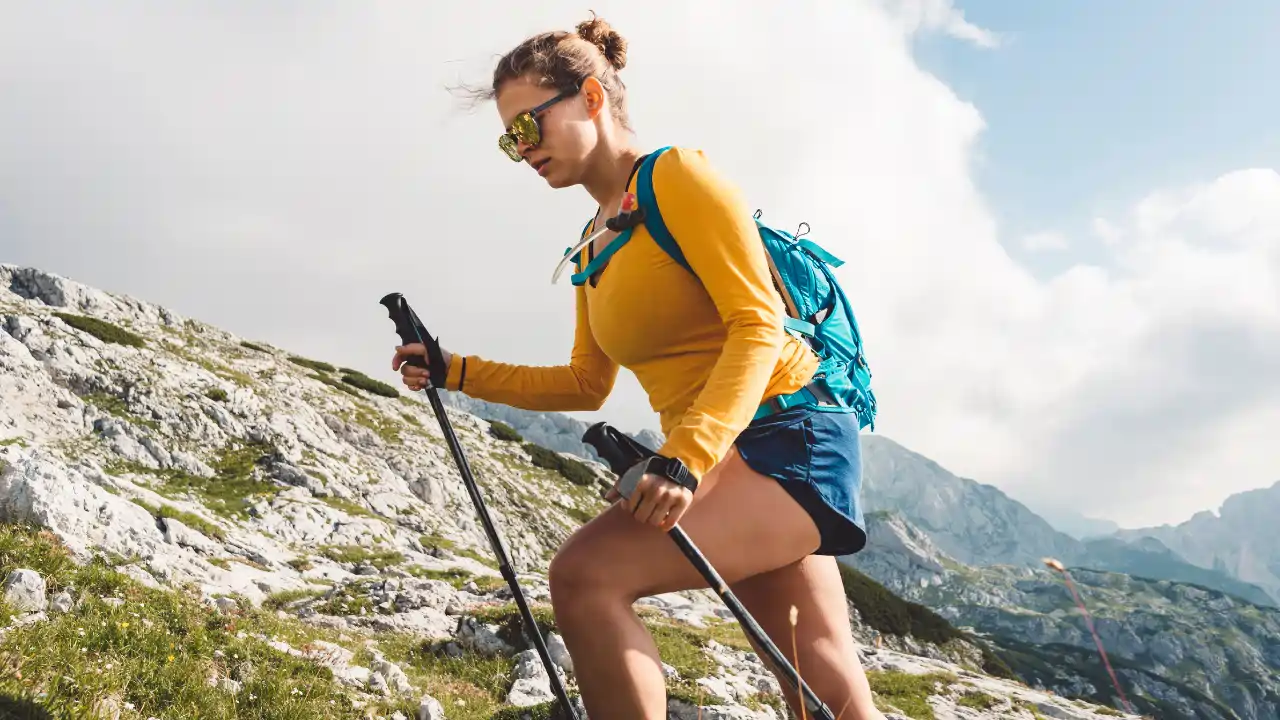
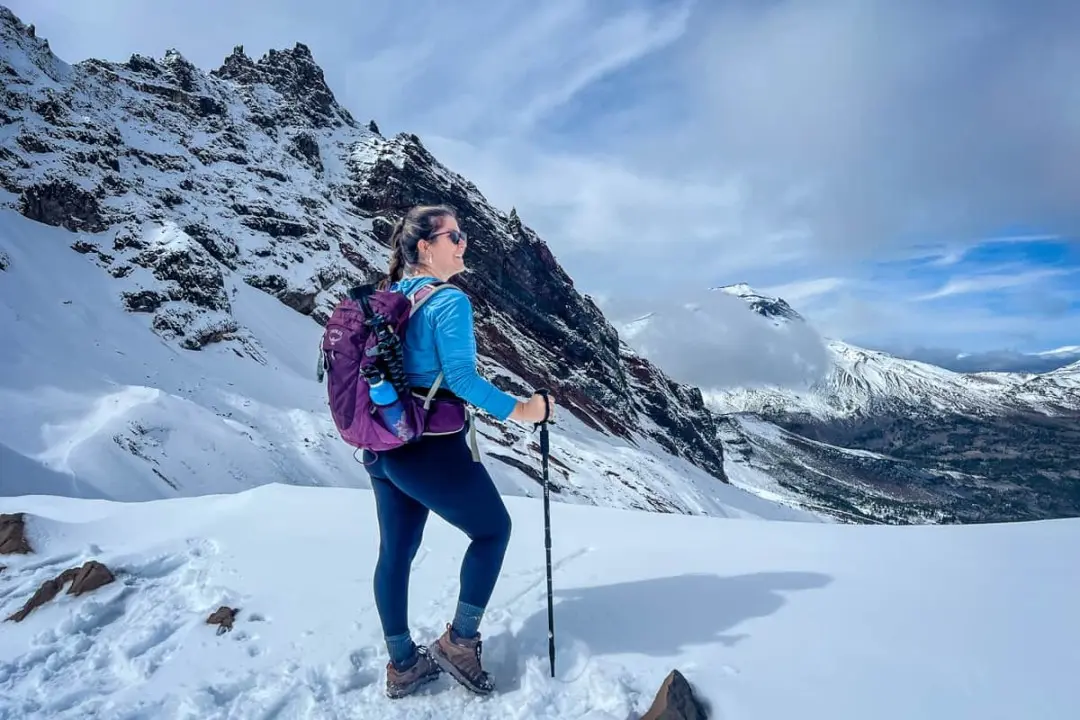
In today’s fast-paced society, finding ways to detach ourselves from the constant noise of technology and, instead, re-establish a connection with the natural world is becoming increasingly important. Hiking is the ideal choice when finding an activity that can offer a perfect escape while simultaneously providing a wide range of health and wellness benefits. Hiking allows us to engage fully and appreciate the stunning natural landscapes of the great outdoors, serving as a valuable escape from our predominantly inactive routines. The focus of this article will revolve around the significance of incorporating hiking into one’s lifestyle as we delve into the vast array of benefits it brings for promoting overall physical and mental well-being.
In This Post
Physical Health Benefits of Hiking
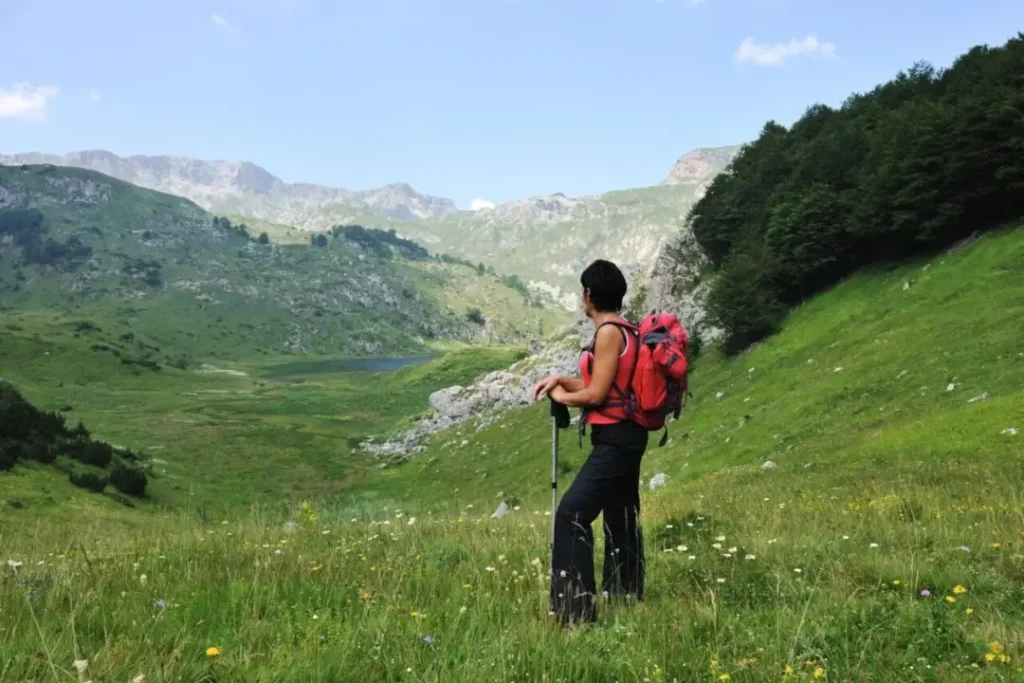
Hiking is not merely a leisure activity where you stroll through the woods; it encompasses much more than that. The most crucial benefit of hiking is that it stands out as an exceptional way to engage in cardiovascular exercise, which contributes to strengthening the heart and improving overall cardiovascular well-being. The act of hiking involves utilizing various muscle groups, which in turn leads to the development of improved muscle tone and endurance. Furthermore, hiking offers a dual advantage when it comes to weight management.
Not only does it help burn calories, but it also aids in the building of lean muscle mass. It strengthens the muscles and reduces hyperpigmentation. With hiking, your body can set new fitness levels. Firstly, you may feel fatigued when you go outside for a short hike, but you will also be able to face challenging situations or longer hikes without feeling fatigued. Moreover, the different types of terrain that hikers face while hiking serve to improve their balance and coordination, thus contributing to their overall physical stability.
Mental Health Benefits of Hiking

The benefits of hiking for mental health are equally as compelling as its benefits for physical health. Numerous studies have demonstrated that dedicating time to being in natural environments can profoundly impact reducing stress levels, decreasing cortisol levels, and fostering an overall feeling of tranquility and serenity. By immersing oneself in the sights and sounds of the natural world, one can find solace and respite from the hectic and frenetic pace of modern life, providing a necessary break for the mind.
In addition, it has been found that hiking is associated with enhanced mood and increased happiness. This is because engaging in physical activity and being exposed to sunlight during hiking stimulates the release of endorphins and other hormones that promote a positive emotional state. Furthermore, the benefits of hiking extend beyond physical exercise. Hiking has been found to enhance creativity and cognitive function, as it provides a meditative environment that allows individuals to clear their minds and gain fresh perspectives.
Social Benefits of Hiking

Although hiking is often enjoyed as a solo activity, it also offers numerous chances for social interaction. By hiking with friends and family or joining a hiking group, individuals can come together and share the experience of exploring the great outdoors, which has the potential to strengthen bonds and foster meaningful relationships. It creates the factor of happiness. Another advantage of hiking is meeting fellow nature enthusiasts and outdoor adventurers, allowing for a strong sense of community and belonging. The bond with family and friends becomes stronger. You will enthusiastically meet and greet your family or friends when you feel fresh, even after hiking.
Moreover, you can collaborate with stranger hikers to achieve common goals. If you are an introvert, hiking opens you up to the world. Plan a hike with your friends and family, and you will notice that your bond will strengthen with your fellow hiker’s loved ones.
Environmental and Sustainability Aspects
Apart from the personal advantages, hiking activities cultivate a profound appreciation for the natural world and encourage individuals to take responsibility for protecting the environment. A considerable aspect of sustainable hiking is proper planning, firstly choosing your gear. You must know about the weather, time of the year, and environment. When we fully immerse ourselves in the natural world, we can develop a deeper appreciation for its inherent beauty and delicate nature, which motivates us to actively engage in efforts to safeguard and conserve it for the well-being of future generations. Many hikers become passionate advocates for conservation efforts, actively supporting various initiatives focused on preserving our precious natural landscapes and protecting the habitats of our diverse wildlife.
Practical Tips for Getting Started
It is crucial for those who are enthusiastic about beginning their hiking adventure to ensure they start on the right foot. To start, make sure you select the right gear for this activity. This includes choosing sturdy footwear, dressing appropriately for the weather, and ensuring you have all the necessary safety equipment. Following this, it would be beneficial to conduct some research on the local hiking trails to identify the ones best suited to your skill level and individual preferences. Make sure to prioritize your safety during outdoor activities by maintaining hydration and nourishment and staying updated on trail conditions and possible hazards. Lastly, it is essential to respect the environment and adhere to Leave No Trace principles to minimize adverse effects on the natural world.
Inspirational Stories and Testimonials
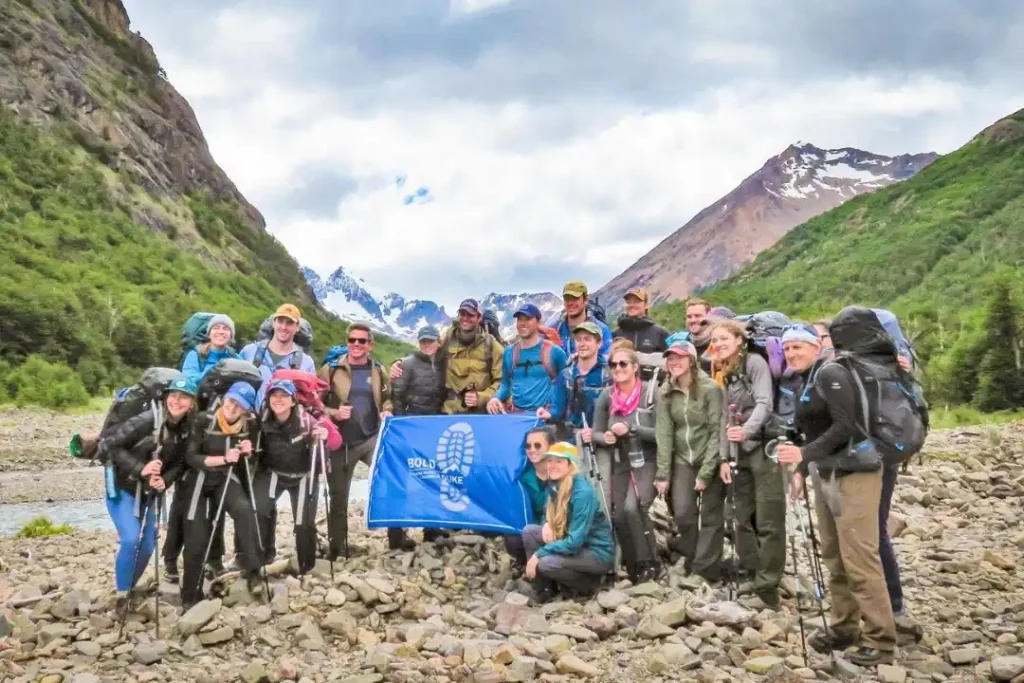
The impact of hiking on people’s lives is truly awe-inspiring, as evidenced by the countless individuals who have experienced profound changes simply by putting one foot in front of the other. Hiking can heal, inspire, and uplift individuals, as evidenced by numerous weight loss success stories and stories of overcoming mental health challenges. Through sharing these stories, we aim to motivate and empower others to embark on their own hiking adventures and uncover the wonders of the trails.
Conclusion
To wrap up, highlighting the value of hiking is of utmost importance. Hiking is a versatile activity that provides physical health benefits, positively impacts mental well-being, and facilitates social connection, making it an ideal choice for people of all backgrounds. In our journey through the intricacies of contemporary existence, it is crucial to find moments to detach ourselves from the chaos and immerse in the tranquility of nature, thus rediscovering our connection with the surrounding world. Take a moment to grab your trusty backpack, venture onto the picturesque trails, and personally witness the awe-inspiring and life-changing effects of hiking.
Frequently Asked Questions (FAQs)
Is hiking suitable for beginners?
Yes, hiking is suitable for beginners. Hiking offers trails for all fitness levels, from easy to challenging. Beginners can start with short, flat paths and gradually progress to more difficult terrain. It’s a versatile activity that provides opportunities to connect with nature and improve physical fitness without requiring specialized skills.
Do I need special equipment to go hiking?
Yes, special equipment is needed for hiking. Basic gear like sturdy shoes, weather-appropriate clothing, and a backpack is essential. However, you don’t need expensive or technical equipment to start. Just ensure your gear is comfortable, durable, and suitable for the terrain you’ll be hiking on.
Can hiking help with stress relief?
Yes, hiking can help with stress relief. Being in nature and engaging in physical activity releases endorphins, reducing stress levels. The serene surroundings and rhythmic movement promote relaxation and mindfulness, offering a natural remedy for stress and anxiety.
How can I find hiking trails near me?
You can find hiking trails near you easily. Use apps like AllTrails or websites like TrailLink. National and state parks often provide trail maps and information. Local outdoor stores and visitor centers may also have resources. Additionally, joining hiking groups or asking locals for recommendations can help you discover hidden gems.
.