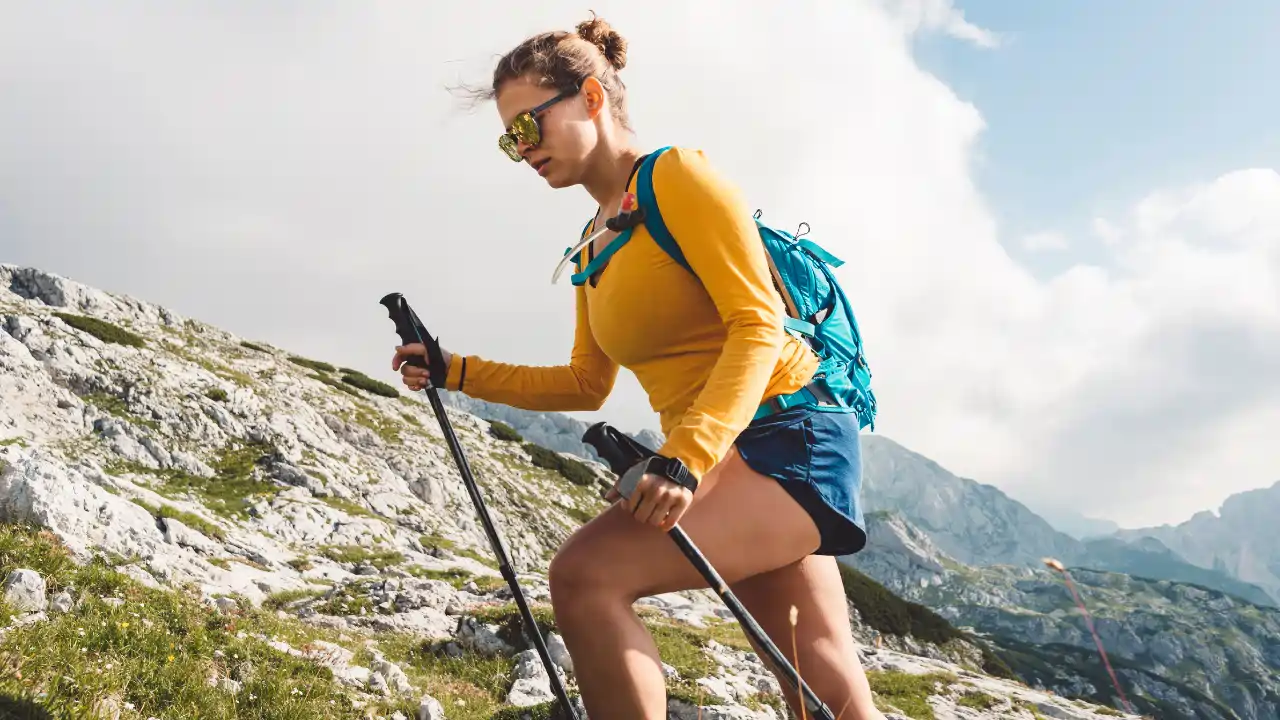

Hiking and walking are popular forms of physical activity to achieve fitness that offer countless health benefits. Hiking is a relatively long walk in the countryside, and walking is a shorter walk on reasonably smooth paths. While they may seem similar, each has its unique characteristics and advantages. This blog post aims to delve into the distinctions and benefits of hiking and walking, helping you decide which might be the best fit for your lifestyle and fitness goals. If you’re a seasoned outdoor enthusiast or just looking for a healthy lifestyle to add a little more movement to your day, understanding the differences between hiking and walking can maximize your enjoyment, and you may receive additional benefits.
Key Takeaways
- Health Improvements: Both activities enhance cardiovascular health, but hiking tends to burn more calories due to rougher terrain.
- Mental Clarity: Regular engagement in hiking or walking can reduce stress and improve mental health.
- Accessibility: Walking requires minimal equipment, making it accessible to a wider range of people, whereas hiking may require more gear.
In This Post
Understanding Hiking and Walking
What is Walking?
Walking is a physical exercise that adapts at a casual or moderate pace. Walking is one of the most fundamental forms of physical exercise and can be enjoyed by almost everyone, regardless of fitness level. Generally, walks are shorter in duration and can be enjoyed by anyone at any age group. Walking can also be boosted by power or speed walking, where the walker maintains a brisk pace to increase heart rate and calorie burn. Urban walking is not only good for the soul but could save humanity, where pedestrians navigate city sidewalks and crosswalks, which offer its own set of challenges and benefits, providing both physical and mental health improvements through accessibility and simplicity.
What is Hiking?
Hiking is a typically practised form of physical training, more demanding than walking and involves traversing natural landscapes on varied terrains. It can range from short, local day hikes to long-distance backpacking trips and even ambitious thru-hikes that span several weeks or months. It constitutes a large part of climbing. It does not only require basic physical fitness but also demands greater preparation in terms of gear and knowledge of the environment. you must have prepared for hiking mentally and physically. The activity engages the whole body and offers mental health benefits by immersing participants in nature, away from the urban hustle and bustle.
Physical Benefits
Benefits of Walking
Walking is highly acclaimed for improving or maintaining overall health, which includes enhancing cardiovascular fitness, improving circulation, and building endurance. Walking can be done at any time, preferably in an open area like a park. Regular walking can help maintain a healthy weight, reduce body fat and risk of heart disease, and strengthen bones and muscles with minimal risk of injury. You can go for a walk without worrying about the risks linked with vigorous forms of exercise. It is particularly beneficial for beginners or those with health concerns because it can be easily adjusted to suit individual fitness levels and can be done anywhere at any time.
Benefits of Hiking
Hiking offers a great way to get all the cardiovascular benefits and get some exercise. Due to the often buggy and challenging terrains, hiking typically burns more calories, improves circulation, and strengthens your legs, hips, and core muscles more intensively than walking. Moreover, hiking improves your sense of balance and boosts your mood. Trails are frequently located in serene natural areas, which can significantly improve mental health by reducing stress, anxiety, and depression through natural scenic views and the calming sounds of wildlife.
Mental and Emotional Health Benefits
Psychological Benefits of Walking
Regular walking maximizes energy and a positive mind while reducing the symptoms of stress and boosting mood-enhancing endorphins. Walking has a profound impact on mental health. It can deeply help to increase feelings of well-being. It also helps to relax from chronic mental health conditions. It lessens depression. The rhythmic nature of walking helps to induce a meditative state, clearing the mind and creating a sense of calm. Moreover, regular walkers often report better sleep patterns and increased mental alert, contributing to overall psychological flexibility.
Psychological Benefits of Hiking
Hiking can help alleviate stress and alleviate stress andity, exposure to nature and environmental change. Research suggests that spending time in green spaces can improve mood and boost self-esteem. It strengthens muscular immunity by stimulating adrenaline that changeschanges your mood and energy level.Being away from digital screens and immersed in nature can help reset your mental state. Physical activity allows you to maintain your endurance. The challenge of navigating trails also stimulates the brain, improving problem-solving skills and focus.
Equipment and Gear
Walking Gear
When we talk about walking, the gear required is relatively simple and affordable. A good pair of supportive walking shoes or any comfortable shoes,walking poles, a water bottle, and appropriate clothing for the weather are generally all that’s needed. However, people who walk in urban settings benefit from reflective clothing like comfortable shorts for hot days. At the same time, rural walkers might need waterproof gear or additional layers for protection against the elements.
Hiking Gear
Depending on the length and difficulty of the hike, hiking requires more specialized gear than walking. Essential items include a sturdy pair of hiking boots, a backpack, water bottles, hydration system, and possibly trekking poles. Additional equipment such as navigation tools, a first-aid kit, and weather-appropriate clothing will be necessary for longer hikes to ensure safety and comfort throughout the journey.
Safety Considerations
Safety Tips for Walkers
Safety is paramount when walking, especially in urban environments. Walkers should always be aware of their surroundings, stick to well-lit paths and be cautious at crossings. Find a buddy with whom you can enjoy yourself more and motivate yourself. Wear reflective gear, vary your route and walk by abiding traffic. Always choose low-speed, low-traffic roads. Walk on the side of the road. Appropriate clothing and footwear are crucial in adverse weather conditions to prevent accidents and injuries. It’s also beneficial to inform someone of your route and expected return time.
Safety Tips for Hikers
Hiking presents challenges like changing weather conditions, difficult terrains, and potential wildlife encounters. Hike with a friend or family member to avoid any inconvenience. Don’t walk off-trail. Bring enough food and water to hydrate yourself. It’s essential to prepare adequately by checking weather forecasts, packing the right gear, and informing someone of your plans. Understanding basic navigation and first-aid can also greatly enhance safety on the trails.use sunscreen to prevent sunburns that can be dangerous for your skin.
Choosing Between Hiking and Walking
Hiking and walking enable you to work up, but each impacts in a unique way. Factors such as personal health, fitness levels, available time, and environmental preferences should guide your choice between hiking and walking. While hiking may provide a more intense workout and the allure of natural landscapes, walking offers simplicity and the flexibility to be incorporated into daily routines without special equipment or travel. A fascinating fact about walking is that any age group can enjoy it.
How to Get Started
Getting Started with Walking
Starting a walking routine is as simple as stepping out the door. You can begin by incorporating small walks as 20 minutes into your daily schedule, gradually increasing the duration and intensity as your fitness improves. You should walk at a steady pace and swing your arms freely. Joining a walking group or club can also provide motivation and social interaction.
Getting Started with Hiking
For those new to hiking, start with easy trails and gradually build up to more challenging hikes. Researching trails that match your fitness level and investing in good quality gear can lead to a more enjoyable and safe hiking experience. Many communities offer hiking groups or clubs that can provide guidance and companionship.
Conclusion on Hiking Vs Walking
Both hiking and walking are the best ways to get exercise. Depending on what type of trail or road you find yourself on, your whole body works out. Both offer invaluable health benefits and opportunities for exploring the outdoors. Whether you choose a gentle stroll through a local park or a rigorous trek through mountainous terrain, both activities can enhance your physical and mental well-being. Consider your preferences, fitness level, and lifestyle to choose the right option.
Frequently Asked Questions (FAQs)
Is hiking better than walking for weight loss?
Hiking generally burns more calories than walking due to the challenging terrain and additional weight carried. However, the best exercise for weight loss is the one you can perform consistently.
Can I hike if I have never been very active?
Absolutely! Start with short, easy trails and gradually increase the distance and difficulty as your fitness improves. Always consult with a healthcare provider before starting any new exercise regimen.
What are the best times of year for hiking and walking?
While you can walk year-round, the best times for hiking depend on the region and weather conditions. Spring and fall typically offer mild weather and less crowded trails.
How do I find hiking trails near me?
Websites and apps like AllTrails, the National Park Service, or local hiking clubs can provide detailed information on trails in your area, including difficulty levels and visitor reviews.
What should I do if I encounter wildlife while hiking?
Remain calm, make yourself appear larger, speak in a calm, loud voice, and slowly back away. Always research wildlife in the area before your hike to be prepared for any encounters.