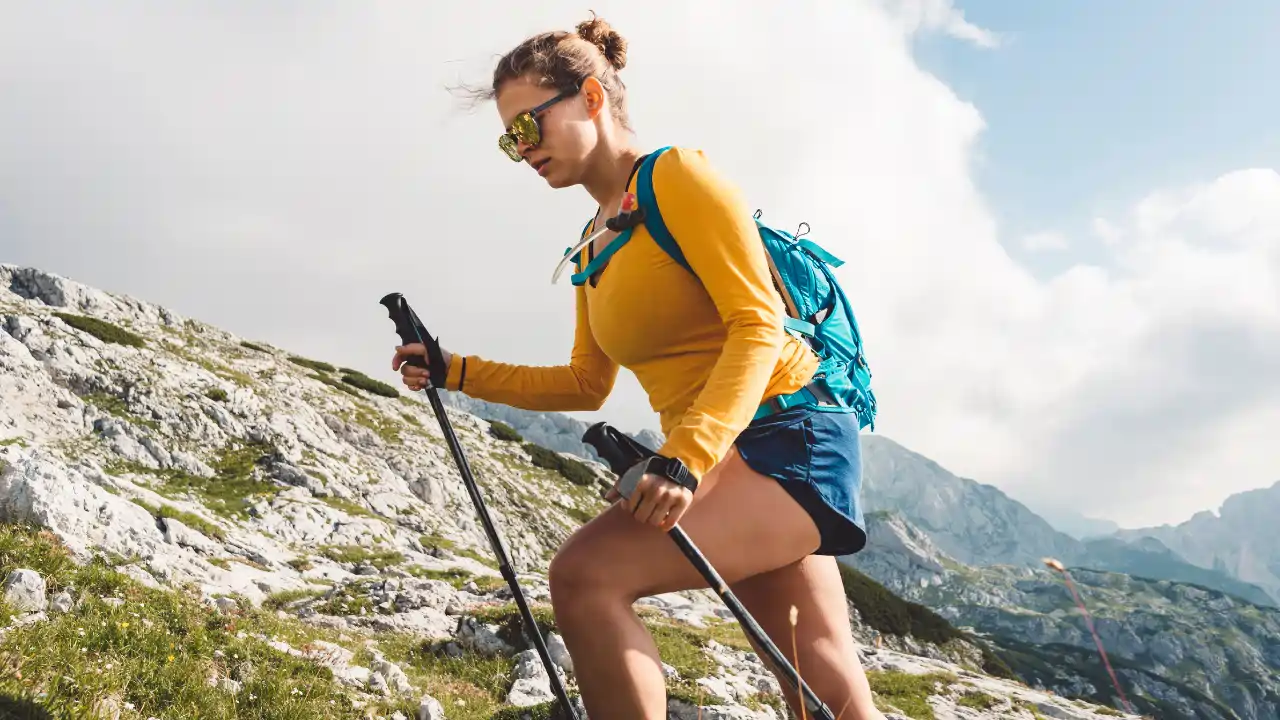
Blisters have the power to transform a delightful hike into a painful ordeal, causing numerous hikers to end their adventures prematurely. Nature lovers need to learn how to prevent blisters when hiking. This extensive guide offers practical advice and valuable insights to help you prevent blisters during your hiking adventures. From footwear selection to mastering on-trail techniques and post-hike recovery, we will cover it all. This article will equip you with all the knowledge required to maintain the comfort and health of your feet during hiking, enabling you to fully savor your outdoor experiences.
In This Post
Understanding Blisters Causes and Risks
The skin is capable of developing blisters, which are small sacs filled with fluid that are often caused by rubbing, high temperatures, or moisture when the skin is exposed to the elements. Hikers are known to suffer from blisters on their feet because of the repetitive walking they do and the pressure their shoes exert on their feet.
Generally speaking, the best way to avoid blisters is to educate yourself about the causes and risks associated with them as soon as possible. Blisters form when the outermost layer of skin separates from the inner layers, causing fluid to accumulate between the outermost and innermost layers. There can be situations where your feet can come into contact with the inside of your shoes, especially if your shoes don’t fit properly or if your feet are wet, which can cause this situation to arise. To prevent infections and more severe foot problems, it is imperative to address blisters promptly and effectively in order to prevent them from getting worse.
Choosing the Right Footwear
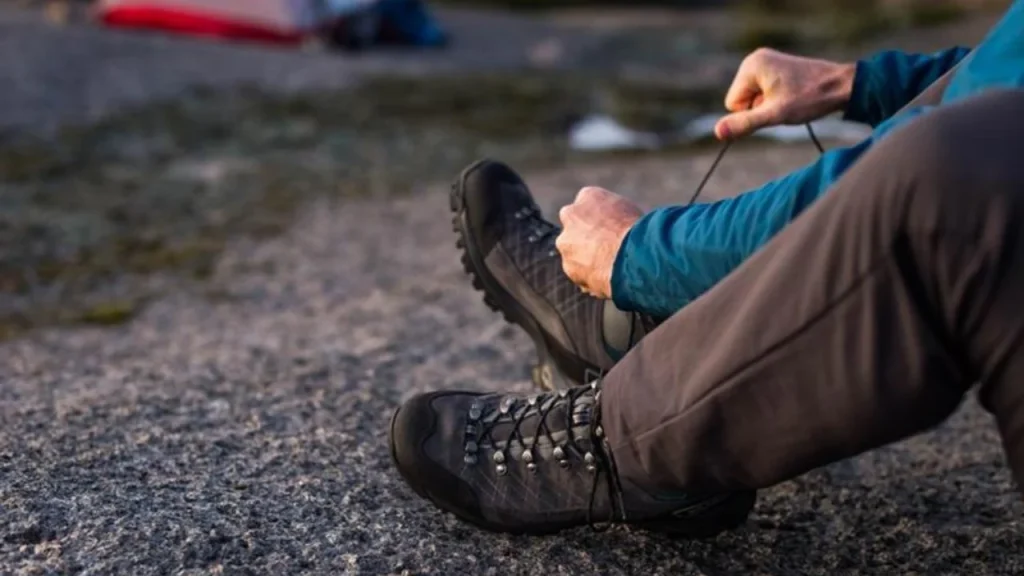
Selecting the appropriate shoes is arguably the most crucial aspect of avoiding blisters. It is important that your hiking boots fit comfortably, offer enough support, and are suitable for the type of terrain you will be trekking. Shoes that don’t fit properly can lead to blisters because they create too much friction. When picking out hiking boots, ensure they provide a comfortable fit, neither too tight nor too loose, to allow your toes to move freely without any sliding. To prevent blisters, it is important to properly break in new boots before a lengthy hike. Use them indoors or for short walks to break in the material and conform them to your feet. Devoting time to finding the right boots can spare you the pain of blisters down the road.
Selecting the Right Socks
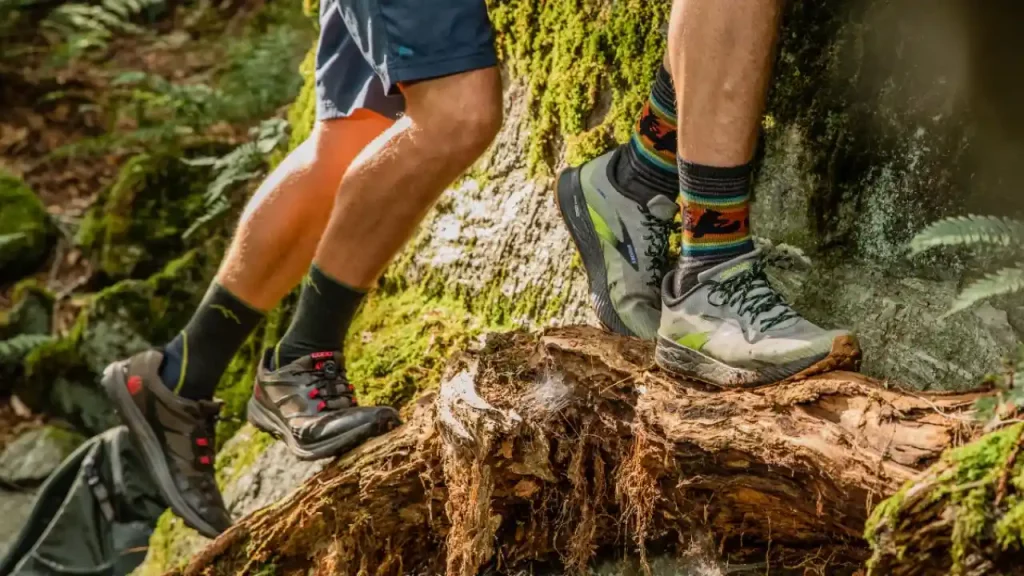
Selecting the appropriate shoes is arguably the most crucial aspect of avoiding blisters. It is important that your hiking boots fit comfortably, offer enough support, and are suitable for the type of terrain you will be trekking. Shoes that don’t fit properly can lead to blisters because they create too much friction. When picking out hiking boots, ensure they provide a comfortable fit, neither too tight nor too loose, to allow your toes to move freely without any sliding. To prevent blisters, it is important to properly break in new boots before a lengthy hike. Use them indoors or for short walks to break in the material and conform them to your feet. Devoting time to finding the right boots can spare you the pain of blisters down the road.
Foot Care Tips Before Hiking
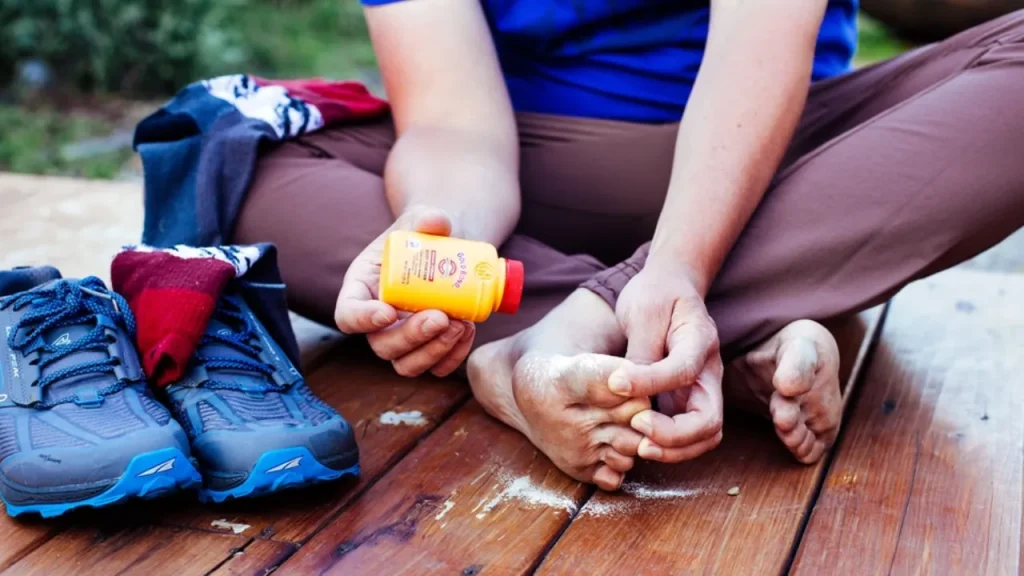
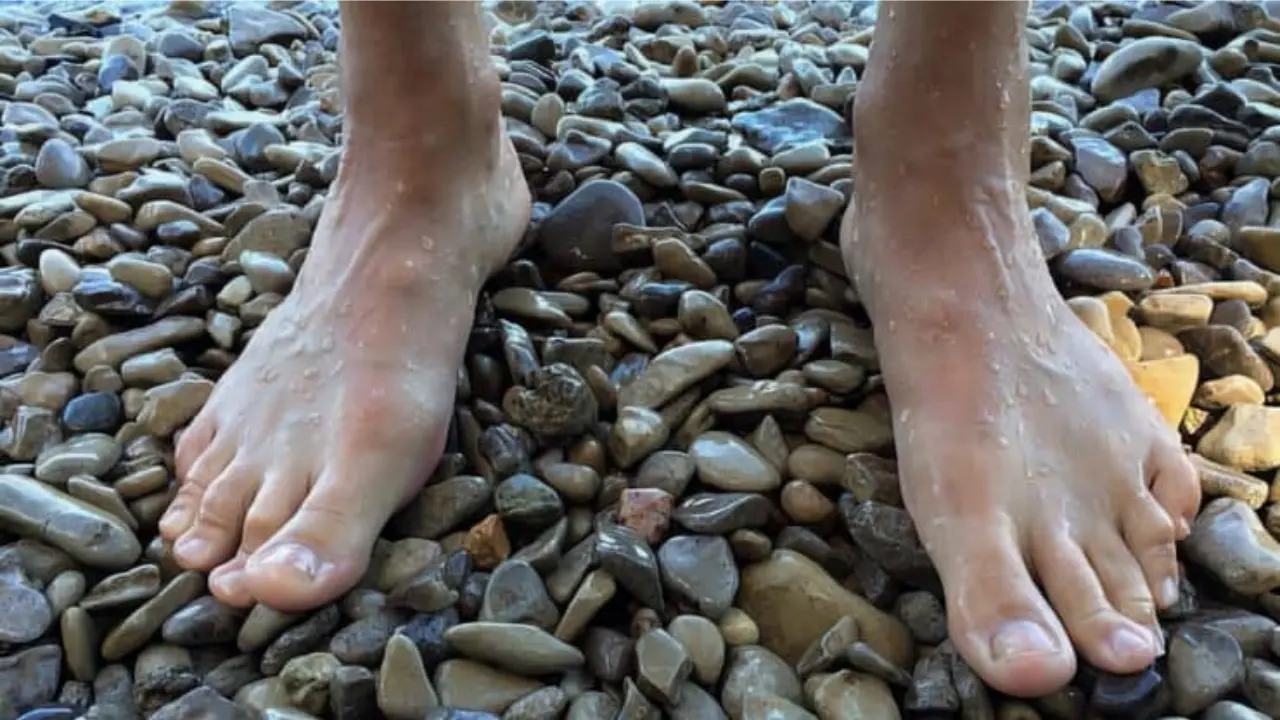
Preventing blisters from forming on the soles of your feet is very important before you begin hiking. To minimize the likelihood that you will develop blisters, it is important to practice good foot hygiene, such as regularly washing your feet and thoroughly drying them afterwards. You can help maintain supple skin on your feet by moisturizing them regularly, but take care not to overdo it, as excessively soft skin is more prone to blisters, so be careful not to overdo it. As you increase the distances you hike, you will also be able to develop fluency in the language as you progress. You should pay attention to the health of your toenails if you wish to keep them in good condition. In order to avoid foot blisters, it is important to make sure that you are properly prepared.
On-Trail Blister Prevention Techniques
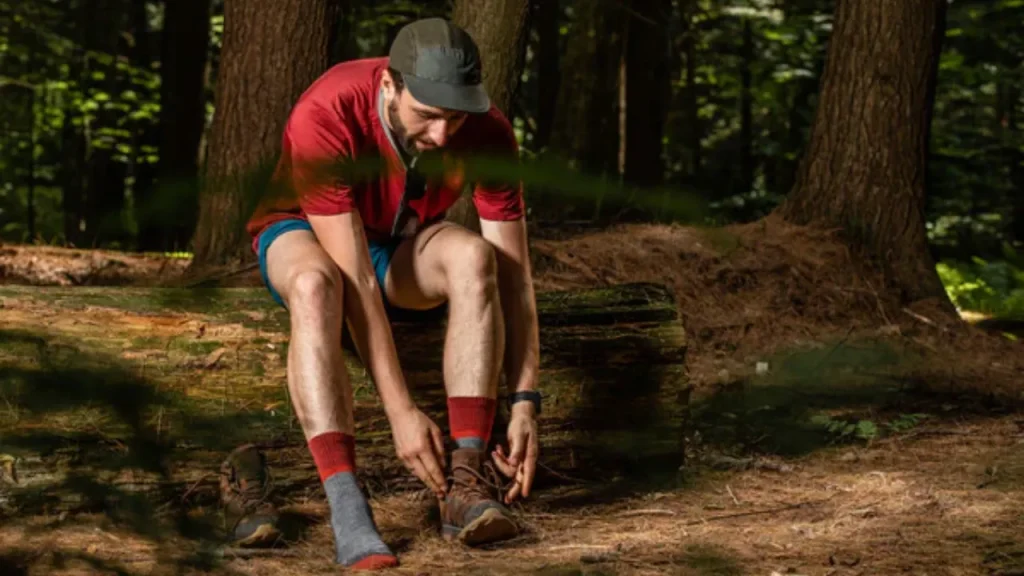
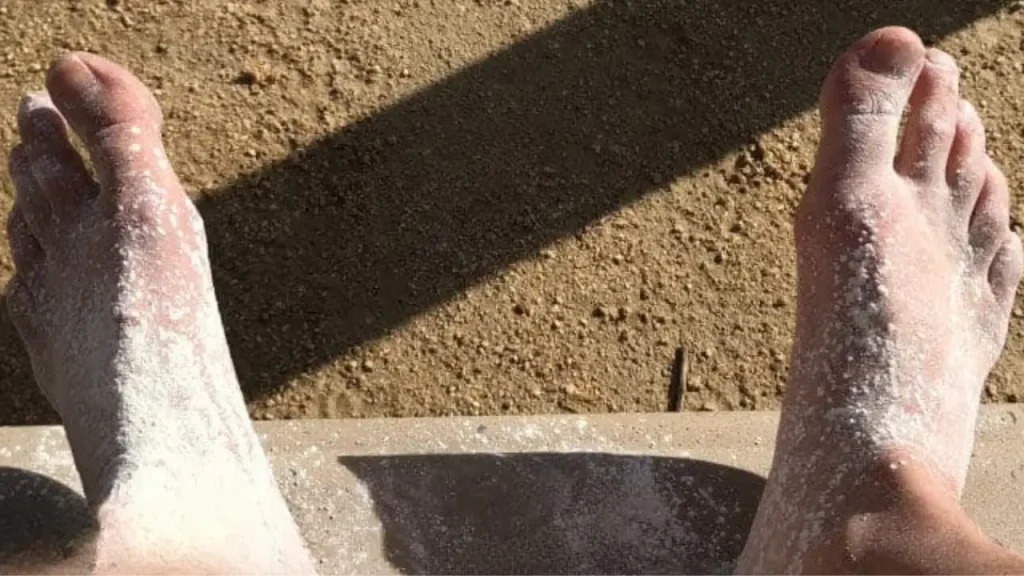
While you’re on a hiking trail, there are several strategies you can utilize to protect yourself from blisters. To enhance protection, it is recommended to apply blister prevention tapes or pads to areas at high risk of blister formation. By creating a barrier, these products minimize friction and effectively prevent blisters. Additionally, lubricants and powders can come in handy. To prevent blisters, it’s important to promptly address any hot spots by either applying tape or changing your socks. Neglecting hotspots can result in blisters developing rapidly, so it’s crucial to take proactive measures. By utilizing these on-trail techniques, you can prevent potential blister problems.
Post Hike Foot Care
Giving equal importance to post-hike foot care as you did to the preparation beforehand is essential for the overall hiking experience. If blisters do occur, it is crucial to administer appropriate treatment to avoid infection and promote faster healing. Begin by cleaning the blister area using antiseptic, and then proceed to cover it with a sterile bandage. When dealing with more severe blisters, it is worth considering the utilization of specialized products that are specifically formulated for treating blisters.
Taking the necessary steps to provide your feet with the opportunity to rest and recover is absolutely crucial. To reduce swelling, it is recommended that you soak your feet in cool water. Additionally, applying a moisturizing cream regularly will help keep your skin healthy. By practicing appropriate foot care after a hike, you can ensure that you’re in optimal condition for your next exciting adventure, avoiding any prolonged foot problems.
Product Recommendations
Properly allocating your resources towards the right products can have a profound impact on decreasing the likelihood of blister formation. If you are looking to prevent blisters while hiking, some of the top hiking boot brands that offer supportive and well-fitting options include Salomon, Merrell, and Keen. When it comes to socks, it is worth considering brands such as Smartwool, Darn Tough, and Injinji, which have built a reputation for using high-quality materials that effectively wick away moisture.
When it comes to hiking, it’s important to include blister-prevention products in your kit. Items like Leukotape, Moleskin, and BodyGlide can be essential for keeping your feet comfortable and blister-free. By incorporating features that offer both protection and comfort, these products are ideal for ensuring worry-free hikes, allowing you to fully enjoy your outdoor adventures.
Advanced Tips for Blister Prevention
Conditioning Your Feet
In order to reduce the risk of blisters and prepare your feet for longer hikes, it is advisable to gradually increase both the intensity and duration of your hiking sessions. To enhance your resilience and endurance, it is recommended that you incorporate foot-strengthening exercises into your daily routine.
Using Specialized Gear
Enhancing your hiking experience can be achieved by incorporating specialized gear that is tailor-made to provide optimal comfort and minimize friction. It is worth considering the use of items such as insoles, orthotics, or toe caps. By utilizing their special capabilities, these products can offer additional support and ensure enhanced protection against blisters.
Conclusion
In conclusion, the key to avoiding blisters while embarking on a hiking trip lies in being proactive, selecting appropriate gear, and diligently tending to your feet. By diligently incorporating the carefully devised strategies and valuable tips that are meticulously outlined in this comprehensive guide, you can effectively mitigate the potential hazards associated with blisters while simultaneously amplifying your overall gratification and delight during your exhilarating escapades in the great outdoors. Remember, happy feet make for happy hikes!
Frequently Asked Questions (FAQs)
How can I prevent blisters on long hikes?
Yes, you can prevent blisters on long hikes. Proper preparation and gear are key. Choose well-fitted, broken-in hiking shoes and moisture-wicking socks. Take breaks to air out your feet and manage moisture. Use blister prevention products like moleskin or blister pads as needed. Regularly inspect and care for your feet before, during, and after hikes to minimize friction and discomfort.
What should I do if I get a blister while hiking?
If you get a blister while hiking, it’s essential to address it promptly. Stop and clean the affected area with mild soap and water. Apply a blister pad or moleskin to reduce friction and protect the blister from further irritation. Adjust your footwear or socks if necessary to alleviate pressure. Monitor the blister for signs of infection and keep it clean and dry during your hike.
Are two pairs of socks better for preventing blisters?
No, wearing two pairs of socks is not necessarily better for preventing blisters. While some hikers find that layering socks can reduce friction, it’s more important to choose high-quality, moisture-wicking socks that fit well. Properly fitting hiking footwear and regular foot care are crucial factors in blister prevention.
What are the best materials for hiking socks?
Merino wool and synthetic blends are among the best materials for hiking socks. These fabrics offer moisture-wicking properties to keep feet dry and reduce friction, minimizing the risk of blisters. They also provide cushioning and durability, enhancing comfort during long hikes. Opt for socks that fit snugly without being restrictive, ensuring optimal performance and protection for your feet on the trail.
How do I break in new hiking boots?
Breaking in new hiking boots is crucial to prevent blisters and discomfort. Start by wearing them around the house to identify any potential rubbing points. Gradually increase wear time on short hikes to allow the boots to mold to your feet. Use proper socks and adjust lacing for a snug fit without pressure points. This process ensures your boots are comfortable and supportive for longer hikes.