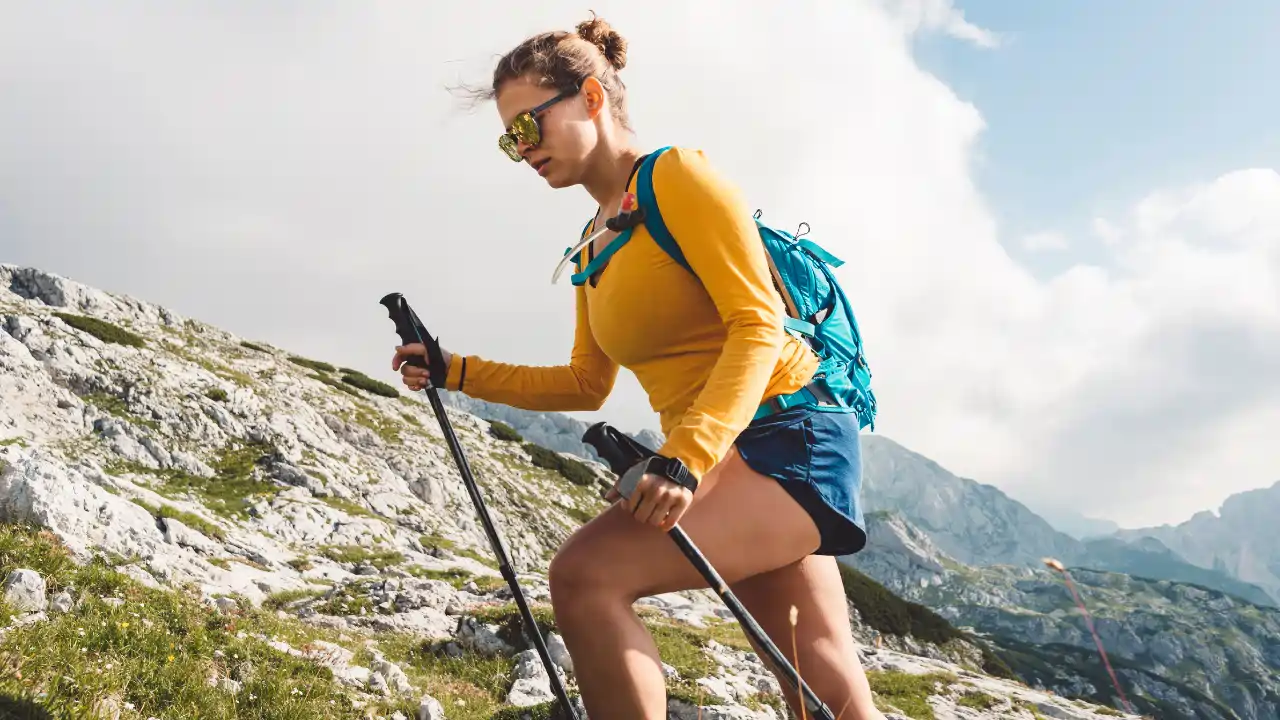
Hiking is a wonderful way to connect with nature, get some exercise, and explore the great outdoors. If you’re new to hiking, it can seem a bit daunting at first, but with a little preparation and the right mindset, it can be an incredibly rewarding experience. This guide, “Hiking for Beginners,” is designed to help you get started on your hiking journey with confidence and enjoyment. Our guide covers hiking benefits, attire, gear, and first-hike tips. We’ll explore beginner-friendly trails and common challenges. Ensure a safe and enjoyable hike by being well-prepared, whether solo or with a group. This article will leave you feeling confident and ready to hit the trails. Let’s explore the hiking world and discover why it’s beloved by all.
In This Post
Benefits of Hiking
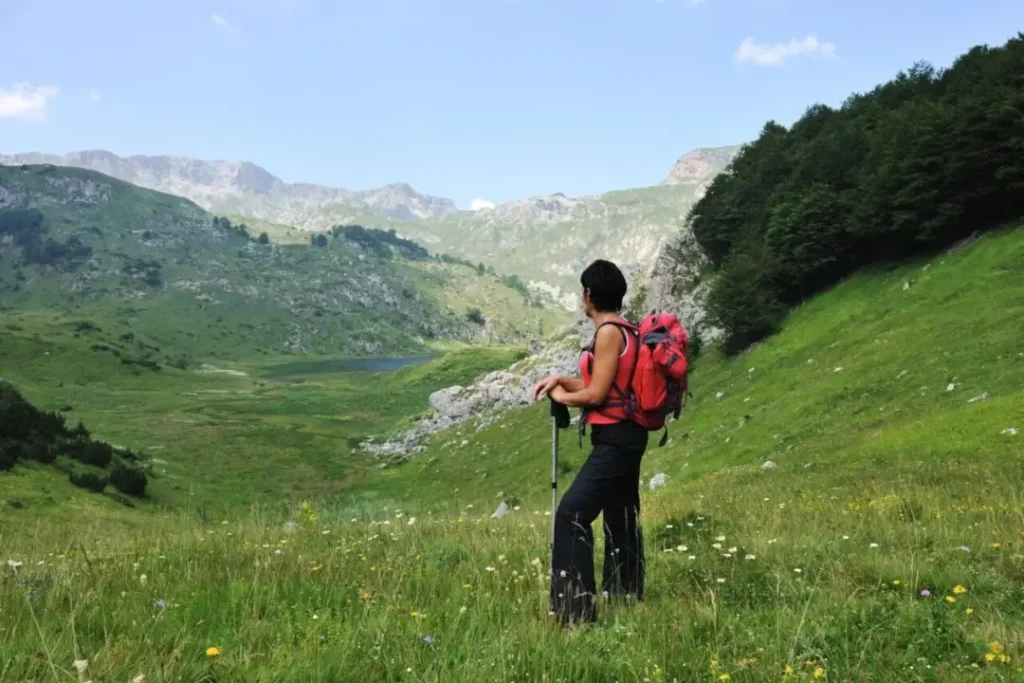
Hiking is a great activity for beginners because it offers many advantages. Hiking is a fantastic option for improving cardiovascular health, building muscle strength, and enhancing endurance. It’s a comprehensive workout that can be adapted to your fitness level, making it an excellent choice for beginners. In terms of mental well-being, hiking offers a natural means to reduce stress, declutter the mind, and uplift one’s spirits. The calm environment and steady rhythm can be extremely therapeutic, easing feelings of anxiety and depression.
Hiking is a powerful way to connect with nature and often brings people closer. Joining a hiking group or going with friends is an excellent opportunity to communicate through a shared adventure. Moreover, dedicating time to outdoor experiences nurtures a heightened sense of gratitude towards the environment, thus stimulating efforts towards conservation and instilling a deeper reverence for the natural world. In general, hiking provides more than just physical fitness benefits; it promotes overall well-being and enhances your quality of life.
Preparing For Your First Hike
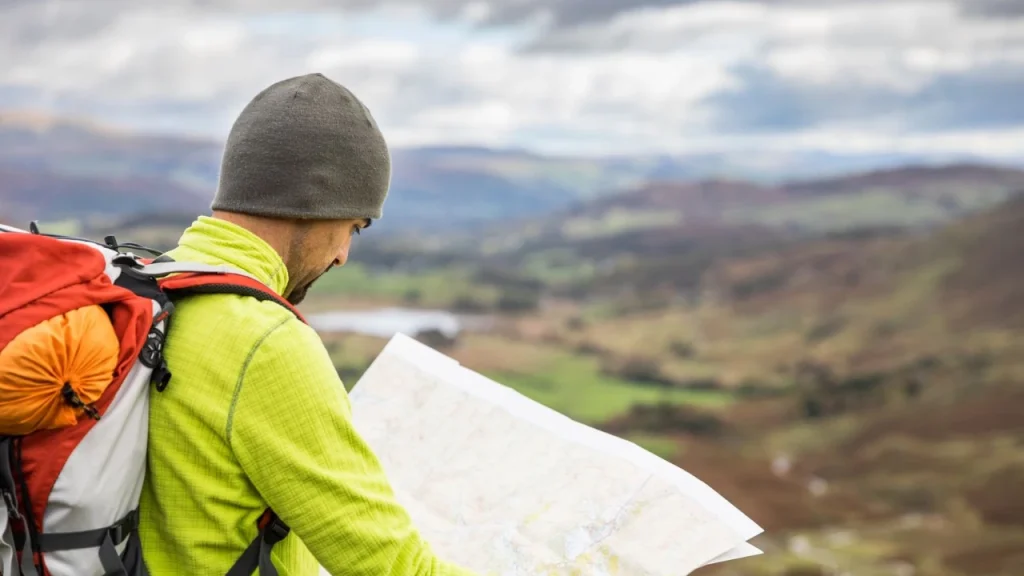
Adequate preparation is crucial for a successful hike, especially for those who are new to it. The first step is to pick the correct trail. Finding trails that are beginner-friendly is of utmost importance. Familiarizing yourself with trail ratings and difficulty levels will enable you to steer clear of overly challenging routes. The top priority when choosing clothing is comfort. Wear clothes made of moisture-wicking fabrics and layer them to adjust to different weather conditions. It is necessary to have appropriate footwear.
Having the correct gear is also a significant factor in being prepared. To ensure a comfortable experience, a daypack is necessary with essentials like water, snacks, a first aid kit, and navigation tools. Ensure you know how to read maps and don’t forget to bring a compass or GPS device. To prioritize safety, carrying items such as a multi-tool or knife, sunscreen, and insect repellent is important. Effective planning enhances your hiking experience and guarantees your safety while trekking.
Packing Essentials
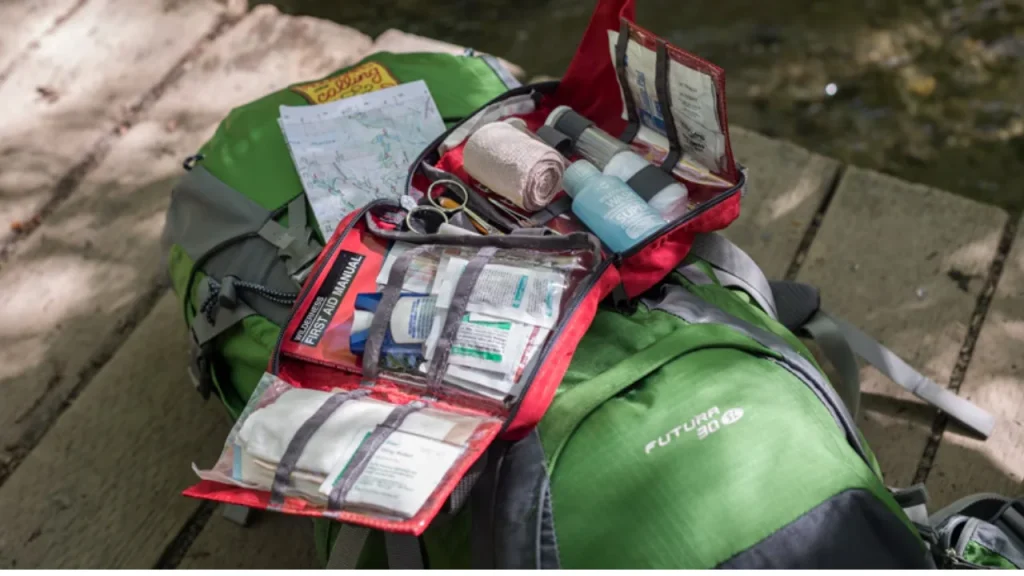
Properly packing essential items can greatly impact your hiking adventure. Hydration plays a vital role in maintaining overall well-being; it is essential to prioritize staying hydrated. Snacks can be as crucial as any other factor in keeping your energy levels. Remember to bring easy-to-carry, nutritious snacks such as trail mix, granola bars, and fresh fruit. It is crucial to have safety and navigation tools. Both maps and compasses are tried-and-true tools, while GPS devices can offer an extra layer of certainty.
A comprehensive first aid kit should consist of bandages, antiseptic wipes, pain relievers, and any personal medications that you may require. Protecting yourself from the elements is possible with sunscreen and insect repellent, while a multi-tool or knife can serve multiple purposes. By packing efficiently, you can ensure that you are prepared for any situation and have a safe and enjoyable time on the trail. Always remember that being excessively prepared is preferable to being inadequately prepared, particularly when you’re new to something.
Hiking Tips For Beginners
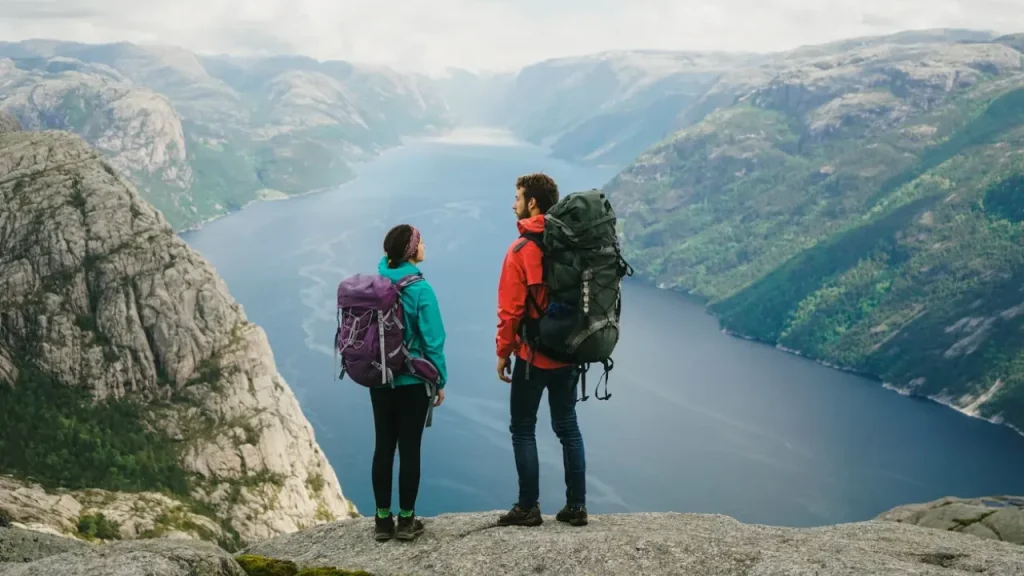
Prior to starting your hike, it’s important to remember a few crucial tips. Make sure always to check the weather forecast and wear suitable clothing. It is important to communicate your plans to someone, providing details about the trail you’ll be taking and the approximate time you plan to return. To prevent fatigue, it’s important to pace yourself while on the trail. Start slowly and gradually increase your speed as you gain more confidence. It’s crucial to observe proper trail etiquette.
Prioritizing safety is of utmost importance at all times. It is important to be mindful of your surroundings, stay vigilant for any wildlife, and be knowledgeable about how to safely handle any encounters. In case it becomes necessary, remember to carry a whistle or make use of loud noises as a means to deter animals. One should make an effort to become acquainted with emergency procedures, especially those that outline the necessary actions to take if one finds themselves lost or injured. The key to enjoying your hike and staying safe is to be prepared and maintain mindfulness throughout the journey.
Top Beginner Friendly Hiking Trails
Enhancing your hiking experience is possible by finding the right trail. Local trails in your vicinity can be an excellent place to begin exploring, as they are typically easily accessible and well-kept. Famous beginner hiking trails throughout the country, like the ones in national parks, provide breathtaking views and easy-to-navigate paths. Trails like the Great Falls Park in Virginia or the Muir Woods National Monument in California are excellent for beginners. Websites and apps like AllTrails offer a wealth of trail options, allowing you to find new ones based on feedback from fellow users and difficulty rankings.
Consider factors like distance, incline, and terrain type when selecting a trail. Begin by tackling shorter and easier trails, gradually progressing to more difficult hikes as your fitness improves. By exploring various trails, you can keep your hiking adventures thrilling and progressively boost your confidence.
Overcoming Common Challenges
Beginner hikers face unique challenges, but with the right approach, these obstacles can be conquered. Many people commonly experience physical strain and fatigue. To tackle this challenge, be sure to do stretching and warm-up exercises before you start your hike. Give heed to your body’s needs and pause for breaks when required. If you encounter common hiking injuries such as blisters or muscle cramps, make sure to address them promptly to avoid additional discomfort.
Navigating rough terrain can feel overwhelming. Utilize trekking poles to increase stability and proceed with caution on steep or uneven parts. Adequate preparation is crucial when it comes to coping with changes in weather. Just remember, it’s okay to go back if the weather becomes too extreme or if the trail becomes too difficult to handle. The top priority is ensuring your safety.
Building Confidence as a Beginner Hiker
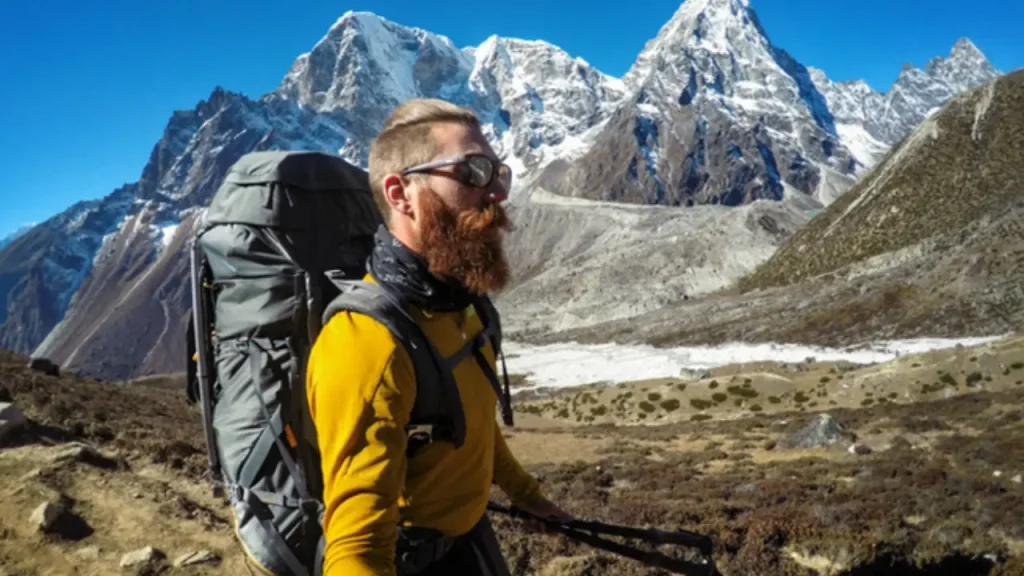
Gaining confidence as a novice hiker takes time and happens gradually. Commence by establishing practical targets. Opt for easier trails initially and progressively advance to more difficult ones as you become more experienced. Engaging with hiking groups or communities can be a source of encouragement and assistance. Hiking alongside others not only amplifies the overall experience but also provides an added layer of safety in case of emergencies.
Gaining knowledge from seasoned hikers is priceless. To enhance your knowledge, you can gather tips and advice by reading blogs, watching videos, and actively engaging in online communities. Narratives and personal accounts have a special way of inspiring, reminding us that every person starts as a novice. As you accumulate more experience, you will witness an enhancement in your self-assurance, resulting in a greater sense of enjoyment and satisfaction during each hike.
Capturing And Sharing Your Hiking Experience
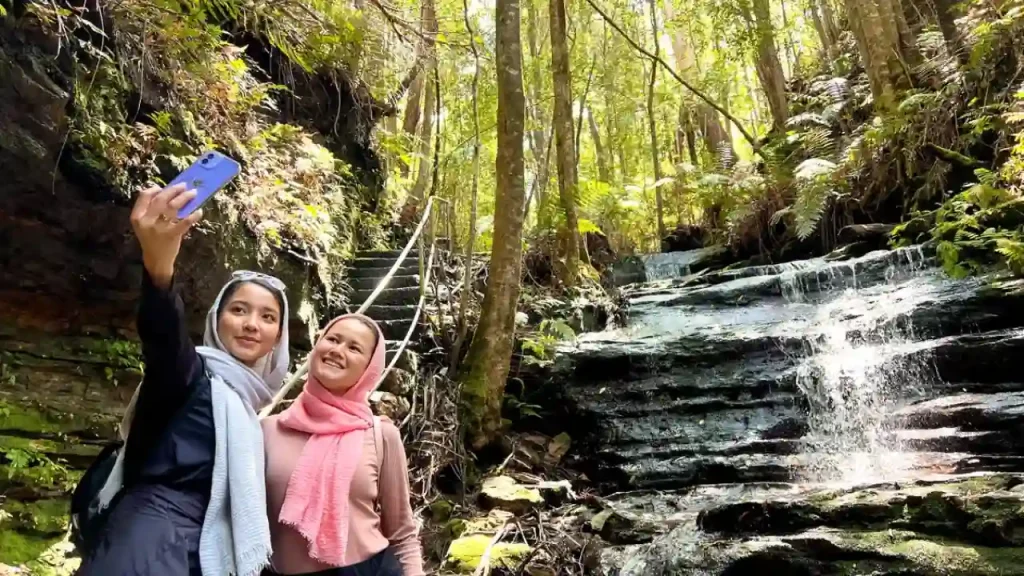
Documenting your hiking escapades can amplify your enjoyment and encourage others. Photography offers a wonderful opportunity to preserve the beauty found in nature. Employ a camera or smartphone and apply basic composition guidelines to capture awe-inspiring photographs. Utilize social media platforms like Instagram and Pinterest to share your experiences. Create captivating social media posts by pairing your hiking photos with vivid descriptions. Utilize appropriate hashtags to engage with fellow hikers and expand your reach.
By sharing your hiking adventure, you not only keep your memories alive but also make a positive impact on the hiking community. Your narratives and images have the power to motivate others to embrace hiking and discover unfamiliar paths. Furthermore, interacting with fellow hikers on the internet can offer valuable insights and recommendations for upcoming hiking trips.
Conclusion
Hiking is a fulfilling adventure for those new to the activity, offering a wide range of physical, mental, and social advantages. To have a safe and enjoyable time, it is crucial to prepare well, pack the right essentials, and follow practical suggestions. Begin with trails that are suitable for beginners and gradually push yourself to more challenging ones as you gain confidence. By conquering typical obstacles, you can enhance your resilience as a hiker, and by recording and sharing your adventures, you can motivate others.
Keep in mind that every skilled hiker began as a novice. Embrace the journey of learning and find joy in the process. Prepare yourself to start your hiking journey by utilizing this guide as the trails patiently await your exploration. Have a joyful and exhilarating hiking experience!
Frequently Asked Questions (FAQs)
What should I wear for a beginner hike?
Wear moisture-wicking clothing and layers for weather conditions. Comfortable hiking boots or trail shoes are essential. Moisture-wicking fabrics keep you dry, layers help you adjust to temperature changes, and proper footwear ensures support and traction. This setup keeps you comfortable and safe on your hike.
How much water should I bring on a hike?
Bring at least 2 liters of water for a day hike. Hydration is crucial for maintaining energy and preventing dehydration. Adjust the amount based on hike length and intensity. Staying hydrated ensures a safe and enjoyable hiking experience.
What are some good beginner hiking trails?
Some good beginner hiking trails include local parks, nature reserves, and national parks with well-marked paths. Trails like Great Falls Park in Virginia and Muir Woods in California are perfect for beginners. These trails offer manageable terrain and beautiful scenery, ideal for new hikers.
Is it safe to hike alone as a beginner?
No, hiking alone as a beginner isn’t advisable. Safety is paramount, and hiking with a companion or group reduces risks. It provides support in emergencies and enhances enjoyment. Always share your hiking plans with someone and stick to well-traveled trails for added security.
What should I do if I encounter wildlife on the trail?
Stay calm if you encounter wildlife on the trail. Make yourself appear larger and slowly back away without turning your back. Avoid sudden movements or loud noises that might startle the animals. Maintain a safe distance and observe their behavior from afar. If necessary, use a whistle or other loud sound to deter them from approaching.