
Camping offers an escape from the daily grind while providing significant health benefits. Going camping is a great way to get away from it all and take care of your health. In today’s fast-paced world, choosing hobbies that support mental and physical well-being is imperative. Camping provides a comprehensive approach to well-being. Camping offers diverse and comprehensive health benefits regarding psychological and physical well-being.
This post examines several ways camping can enhance your health, offering various perspectives and valuable advice for integrating camping into your daily routine. Regardless of how experienced you are or how new you are to camping, knowing these advantages can improve your outdoor experiences and general well-being.
In This Post
Physical Health Benefits
1. Boosts Physical Fitness
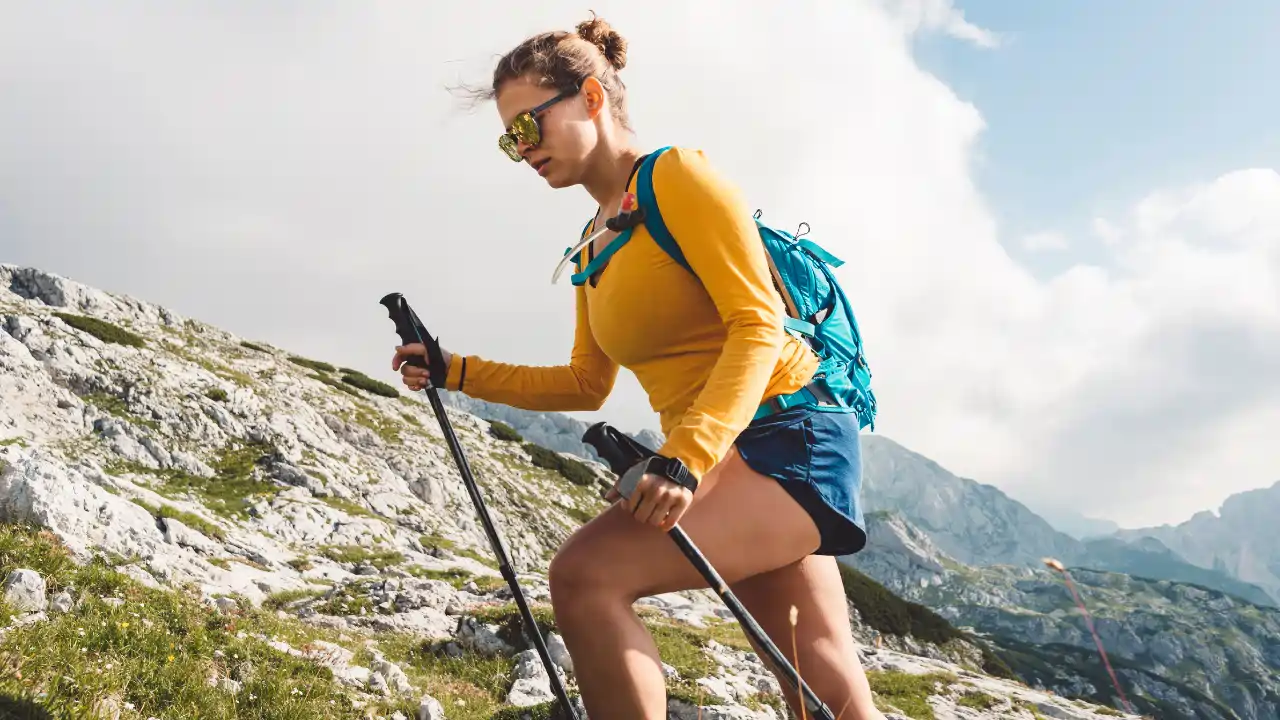
Camping, hiking, swimming, and tent setup are all great ways to stay physically fit. In contrast to sedentary lifestyles, camping promotes mobility and works various muscle areas. Acquiring firewood enhances strength and flexibility, while hiking on diverse terrain improves cardiovascular health. Taking a vacation from the gym is a welcome approach to maintaining physical health. Camping is a great way to increase your fitness level because it may help with muscular tone, endurance, and general physical health when done regularly.
2. Improves Sleep Quality
Camping significantly boosts the quality of sleep. Better sleep patterns result from the body’s circadian cycle being more balanced by exposure to natural light. Electronic gadgets and artificial illumination also lessen sleep disruptions. Engaging in outdoor activities can also facilitate a deeper, more restful sleep and help you fall asleep more easily. Going camping is one of the finest methods for restarting your sleep cycle and feeling rejuvenated after a restful night’s sleep. In the long run, this natural way to improve sleep quality will benefit your energy levels, mental clarity, and general health.
3. Boosts Immune System
Spending time outside helps boost the immune system because of the fresh air and healthy bacteria. Reducing stress and engaging in physical activity strengthen the immune system. Being outside also increases exposure to sunlight, a free form of vitamin D. As everyone knows, vitamin D is essential for keeping the immune system healthy. Consequently, frequent camping excursions might result in a more active lifestyle and a healthier body. Engaging in outdoor activities daily can help you maintain long-term health and boost your immune system by strengthening your immune defenses.
Mental Health Benefits
1. Reduces Stress and Anxiety
Camping offers a tranquil setting to relax and unwind from the hectic pace of modern life. Natural surroundings, fresh air, and nature’s sounds reduce stress. Meditative activities like hiking, fishing, or sitting by a campfire can reduce anxiety and clear the mind. Immersion in nature has been shown to lower cortisol levels, the body’s primary stress hormone, allowing for calm and relaxation. If you are suffering from high levels of stress and anxiety, camping can be an extremely therapeutic and reviving experience.
2. Enhances Mood and Mental Well-being
Physical activity, fresh air, and sunlight experienced during camping can significantly boost mood. Outdoor activities release the body’s natural mood lifters endorphins. A serene environment and natural beauty can also inspire awe and happiness. Camping with friends or family also promotes social interactions, which are vital for mental health. All of these factors contribute to a happier and more positive outlook. Incorporating camping into your routine will enable you to see profound improvements in your mental and emotional well-being as a result of integrating it into your routine.
3. Encourages Mindfulness and Presence
Camping allows individuals to disconnect from the digital world. Simple outdoor living allows mindfulness practices like observing nature, listening to wildlife, or practicing yoga by a lake. Presence in the moment helps reduce mental clutter. Mindfulness cultivates mental health and overall well-being for campers by focusing on the here and now. The mindful approach to camping enhances the experience and offers lasting benefits for the mental health of campers in the long run.
Social Benefits
1. Strengthens Relationships
Camping is frequently a social activity that offers a great way to improve ties with friends and family. Shared experiences, like camping, cooking, or hiking routes, promote cooperation and communication. These activities strengthen participant bonds, fostering trust and providing enduring memories. Campers may have greater connection and meaning without technological distractions, which is crucial for preserving solid, long-lasting relationships. Camping has positive social effects that last beyond the vacation, strengthening bonds and fostering priceless memories.
2. Builds Social Skills and Community
Camping trips often involve meeting new people, whether they’re fellow campers or park rangers. A child who experiences these interactions can significantly benefit from them, as they teach them good cooperation skills, sharing with others, and working in a team. A group activity, such as campfire storytelling or taking part in a group hike, is a great way to interact with others and form new friendships. A sense of belonging and community is essential for mental and emotional well-being. Camping fosters a supportive environment where individuals can develop social skills and build a sense of camaraderie.
Cognitive Benefits
1. Improves Focus and Cognitive Function
There is no doubt that the break from digital devices and the constant notifications that camping provides can make a significant difference in your ability to focus and function cognitively. The study of attention span and problem-solving skills has shown that spending time in nature enhances both abilities. It is a quiet and distraction-free environment that allows the brain to rest and recharge, leading to increased mental clarity and creativity. In particular, the effects of this cognitive boost can be particularly beneficial to individuals who experience mental fatigue due to excessive screen time and stress at work. Engaging in outdoor activities like camping can be a great way to refresh your mind and improve your cognitive performance.
2. Encourages Learning and New Skills
Campers often learn new skills like putting up tents, starting fires, and using a map and compass to navigate. These activities promote lifelong learning and cognitive stimulation. Children can learn about nature, wildlife, and environmental protection through camping excursions. Adults can develop self-sufficiency and practical skills. Lifelong learning and skill improvement are necessary for maintaining cognitive health. Including camping in your daily routine encourages a growth mentality.
Environmental Benefits
Promotes Environmental Awareness and Stewardship
Camping fosters a deeper connection to nature. It often leads to individuals adopting eco-friendly habits and advocating environmental conservation. Campers can practice the Leave No Trace principles by understanding human impact on natural habitats. Developing an awareness and sense of responsibility towards the environment can lead to positive changes in behavior. Individuals can protect and preserve nature through camping.
Practical Tips for a Healthy Camping Experience
1. Choose the Right Location
Select the best location for an enjoyable and healthful camping trip. Keep an eye on the terrain, the weather, and the water sources. To ensure your safety, research the local laws and hazards. Campgrounds, state parks, and national parks are the best places to go. These places offer all the amenities needed, beautiful surroundings, and well-marked pathways. Choosing a site that promotes health benefits enhances the camping experience. Preparation and planning are crucial for a camping trip to be enjoyable and safe.
2. Pack Healthy and Nutritious Food
Camping requires proper nutrition. Pack well-balanced meals and a range of nutrients to maintain energy levels. The best foods are lean proteins, whole grains, fruits, and vegetables. Steer clear of sugary snacks and highly processed foods. Cooking meals together may be entertaining and enjoyable as well. Maintaining proper hydration is equally crucial, so always have access to clean drinking water. A healthy diet will benefit your general well-being and increase your camping enjoyment. Making healthy food choices is essential to getting the most out of camping and reaping its benefits.
3. Stay Safe and Prepared
The safety of your family is paramount when you are camping. Preparing by packing a first-aid kit, understanding basic first-aid procedures, and being aware of local wildlife and potential dangers before your trip is essential. Wear appropriate clothing and gear for varying weather conditions, and ensure you have a reliable navigation tool in your backpack. It is always a good idea to inform someone about your camping plans and expected return time. Get familiar with the area’s emergency procedures. By being well-prepared, you can fully enjoy the health benefits of camping without unnecessary risks. Your camping trip will be both fun and healthy if you prioritize safety.
Conclusion on health benefits of camping
Camping offers many benefits, including physical fitness, improved sleep, and reduced stress. It also builds social skills, fosters environmental awareness, and strengthens relationships. Integrating camping into your regular lifestyle can enhance your well-being. Whether you want to boost your physical fitness, improve your mental health, or enjoy nature, camping is an excellent choice. Take the first step towards a healthier, happier life by camping. Your camping experiences and tips can inspire others to join you.
Frequently Asked Questions (FAQs)
Is camping good for your health?
Yes, camping is good for your health. It promotes physical activity, reduces stress, and improves mood. Fresh air, nature exposure, and unplugging from technology contribute to overall well-being.
Why does camping reduce stress?
Camping reduces stress. Nature exposure lowers cortisol levels, promoting relaxation. Physical activities like hiking boost endorphins, and unplugging technology improve mental clarity. These factors together create a calming environment.
What is the rule #1 of camping?
The rule #1 of camping is to respect nature. Leave no trace by cleaning up all trash, minimizing campfire impact, and avoiding disturbing wildlife. This ensures a pristine environment for future campers and protects the ecosystem.
Is camping good for anxiety?
Yes, camping is good for anxiety. It provides a calming environment in nature, reduces stress hormones, and boosts mood. Physical activities like hiking release endorphins, promoting relaxation and mental clarity.
Does camping make you happier?
Yes, camping makes you happier. Immersing in nature reduces stress, boosts mood, and increases endorphins from physical activities like hiking. Unplugging from daily routines also enhances mental well-being and relaxation.