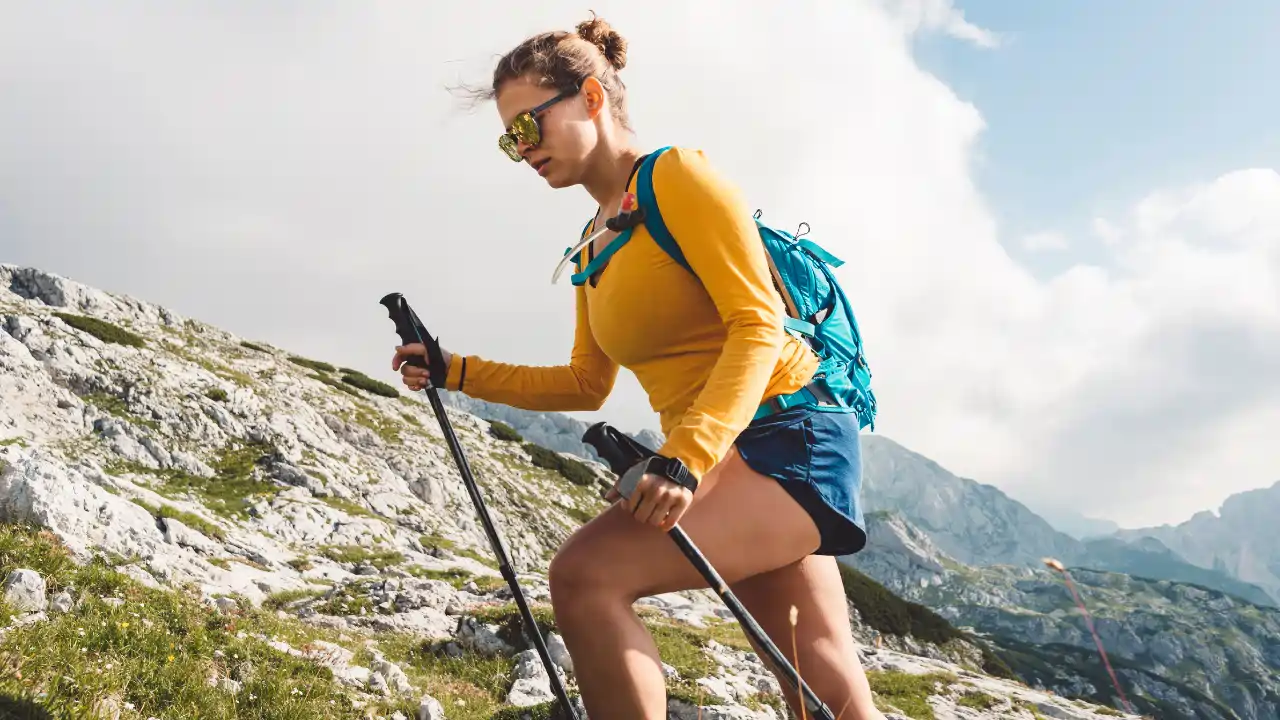
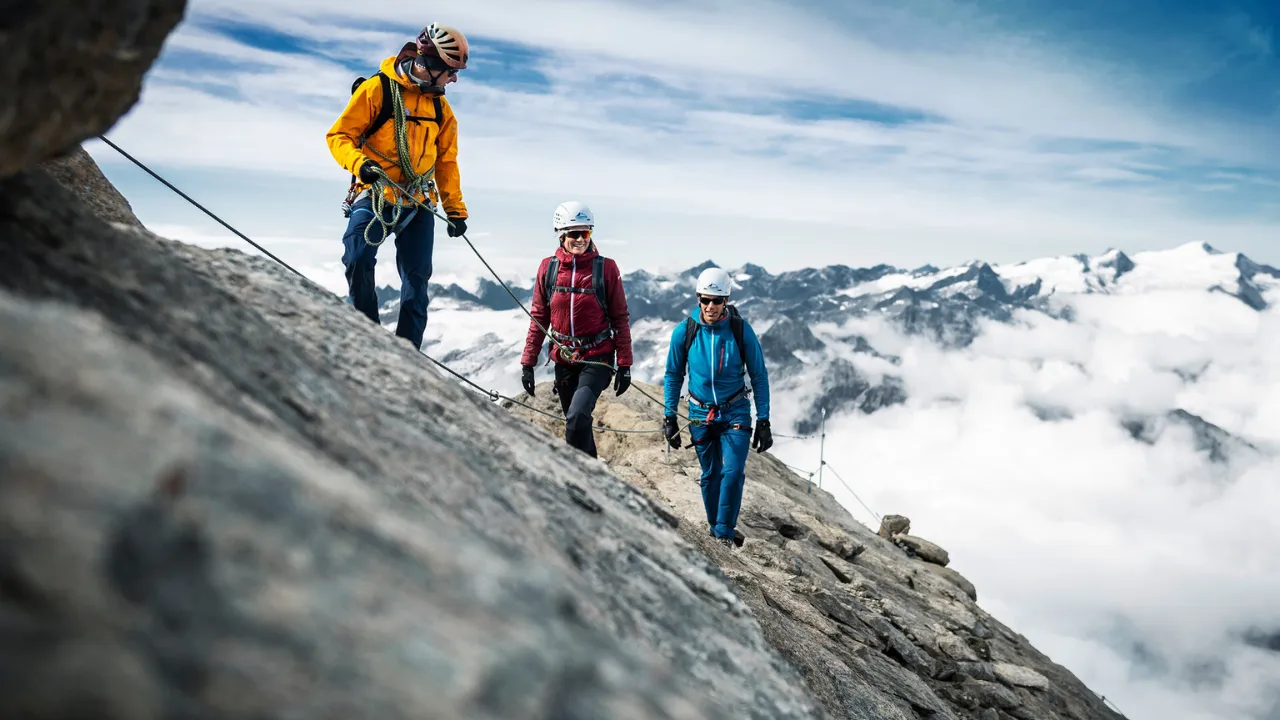
The experience of hiking up a mountain is not just walking up a slope; it is an adventure that tests your endurance, refreshes your spirit, and provides unparalleled views of nature’s magnificence. Irrespective of whether you’re a seasoned hiker or a novice, taking on your first mountain will be an exhilarating experience that offers a thrilling blend of challenges and rewards for everyone. The purpose of this guide is to give you the necessary information and tips to make your mountain hike safe and enjoyable. Whether choosing the right gear or understanding the terrain, we’ll cover all the essentials you need to know to embark on a mountain hiking trip confidently and efficiently.
In This Post
Understanding Mountain Hiking:
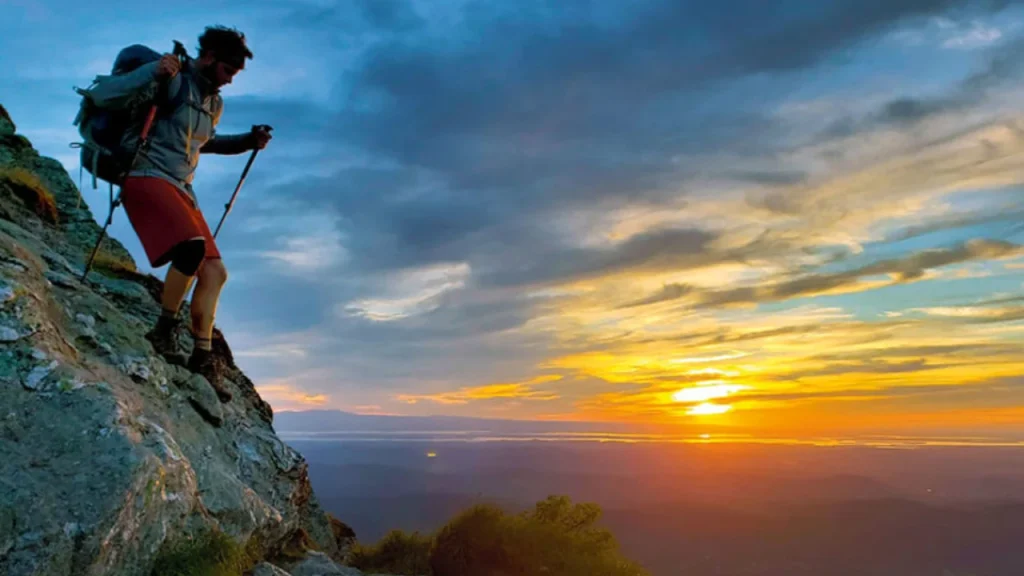
What is mountain biking, and what does it entail? Hiking up a mountain is very different from walking a trail casually since it involves traversing more rugged, often steeper terrain. It requires you to be both physically and mentally prepared. Hiking in the mountains has always attracted people because it combines the benefits of a physical workout with a mental release. The feeling of accomplishment and peace climbers usually experience when they reach the top of a mountain is life-changing. Hiking in the mountains is also a great way to experience nature, as it offers breathtaking landscape and wildlife views. Hiking is also a great way to bond with nature, as it provides an opportunity to observe and appreciate the wonders of the natural world. Hiking is also a great way to clear the mind and reduce stress. It can also help improve physical health, increase heart rate, and strengthen muscles.
Preparing for Your Hike:
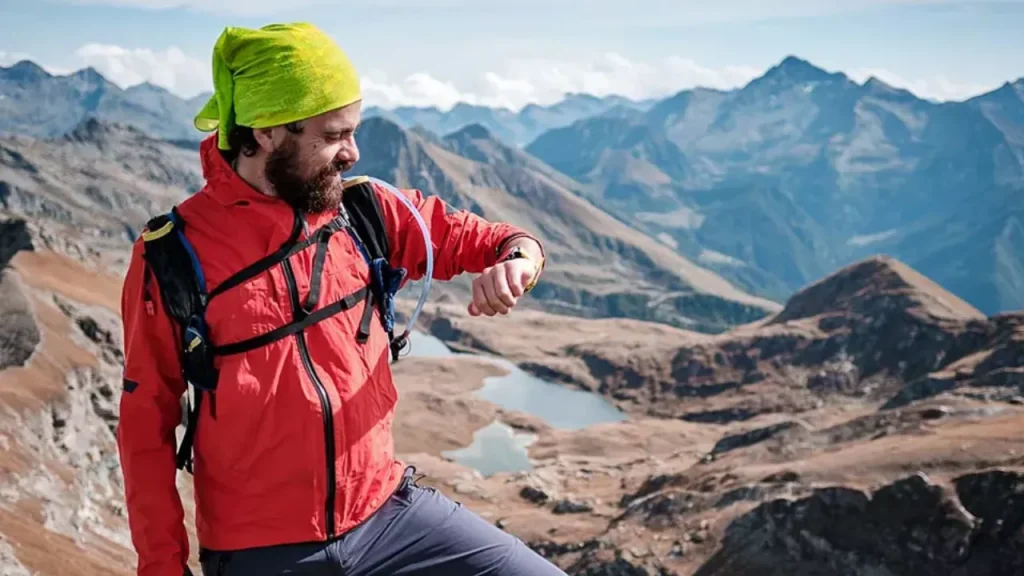
If you plan to hike up a mountain, it is essential to prepare in advance. You should engage in regular cardio exercises, such as running and cycling, and build your endurance by engaging in strength training exercises. Prepare your mind mentally for the psychological challenges that a strenuous climb will bring by becoming familiar with the mountain’s trails. Several essential skills can be learned before hiking, such as reading maps, basic first aid, and responding to wildlife encounters, which can significantly enhance your safety and confidence on the trail. Additionally, it is essential to pack the necessary items for the hike, such as food, water, and a basic first-aid kit. It is also essential to practice good hiking etiquette, such as leaving no trace and respecting the rights of others.
Choosing the Right Mountain:
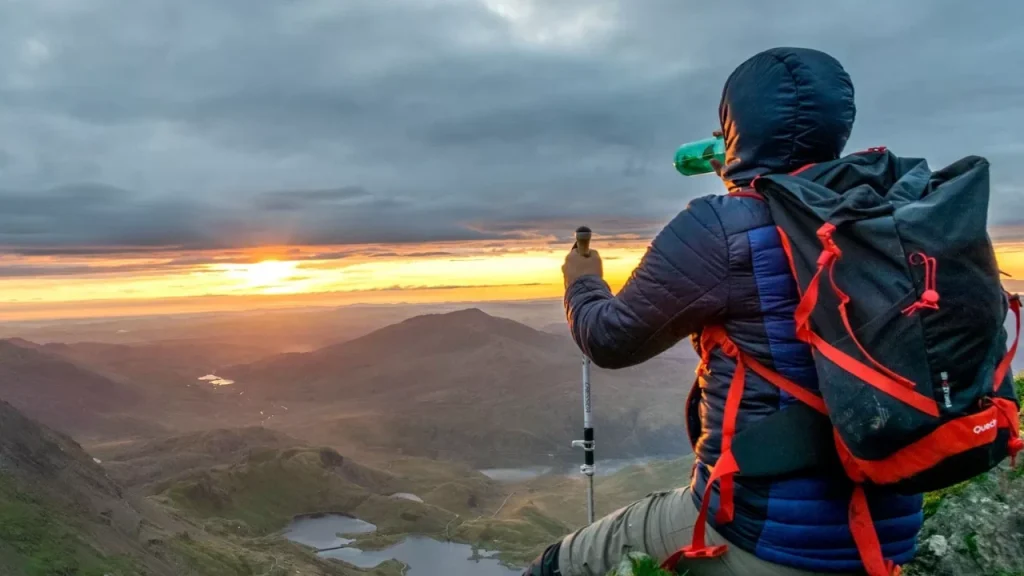
The choice of the proper mountain is crucial if you want to have a satisfying hiking experience. Your choice should be influenced by elevation, trail difficulty, and fitness level. The less challenging trails might be appropriate for beginners as they gradually build up to the more difficult peaks. Consider aspects such as when the best time to hike is, the available scenic views, and the best times to go hiking and consider whether the areas are famous for walking in your area or globally. Planning your hike carefully will help ensure that both your hiking skills and interests will be matched with your hike to ensure that it is both safe and enjoyable. Before you go, research the hiking trails and areas and be aware of any potential risks. Pack the right supplies and gear, and always hike with a partner or group. Enjoy the experience!
Gear Guide:
You can have the best hiking experience if you have the right gear with you. You will need a sturdy backpack, a pair of hiking boots with good traction, a pair of moisture-wicking clothing, and a jacket that is appropriate for the weather. The choice of footwear is critical; make sure you wear boots with good ankle support and grip that can be used in rocky and uneven terrain. Furthermore, it is vital to have some tech equipment on hand in an emergency, such as a GPS device and a fully charged smartphone. Sunscreen and a hat are also essential items. You should also bring insect repellent, a flashlight, and a first aid kit. Finally, remember to pack plenty of water and snacks. A map and compass are also essential items when venturing into the wilderness. A backpack or travel bag is convenient for transporting all these items.
Safety First:
Safety is something that should never be compromised at any time. You should be aware of your area’s weather conditions and ensure you are prepared for them; sudden changes can pose significant risks to your health. Ensure you know what kind of wildlife is around you and how to coexist with it safely. You should always carry a basic first aid kit with you on your hikes and familiarize yourself with some of the common injuries that may be encountered. Additionally, always tell someone where you are going and when you expect to return. Make sure to stay on the trails and follow all safety instructions. Finally, always be prepared in case of an emergency. Always respect the wildlife and be aware of your surroundings. If an animal approaches you, stay calm and slowly back away. If you feel threatened, you should seek professional help.
Navigation and Trail Tips:
For a mountain hike to succeed, you must have practical navigation skills. The more you understand how to read topographic maps and use a compass, the easier it will be to stay on course and avoid getting lost. Next, you should know how to mark trails and set up temporary camps in case your hike lasts for several days. It is also essential to have proper gear such as food and water, a map and compass, and a first-aid kit in an emergency. Additionally, it is necessary to know the weather conditions and prepare accordingly.
Leave No Trace:
Taking part in responsible hiking means enjoying the natural world without hurting it. Maintaining the beauty and integrity of wilderness for future visitors can be achieved by adhering to the Leave No Trace principles. You should pack out all your trash, stay on designated trails, and minimize your campfire’s environmental impact. Additionally, it is important to respect wildlife, leave plants and other natural objects undisturbed, and mitigate your visual impact. Taking part in responsible hiking practices is essential to preserve nature. Visitors should also be aware of the effects of their actions on natural resources and use sound judgment when making decisions. It is necessary to leave no trace and be mindful of the impact they have on the environment.
Enhancing Your Hiking Experience:
Mountain hiking is not only about reaching the summit but also about capturing memories that will last a lifetime. You can beautifully document your journey by using photography. Further, to enrich your hiking experience, consider joining a hiking club or online forum where you can engage with other hikers and interact with their experiences. Additionally, you can search for trails that offer a variety of activities, such as camping, fishing, and bird-watching. You can also plan to make stops at scenic spots to capture the views with your camera. You can also explore different hiking routes and discover unique places. Planning can help you make the most of your hiking and outdoor adventures. Finally, remember to take breaks and enjoy the scenery.
After the Hike:
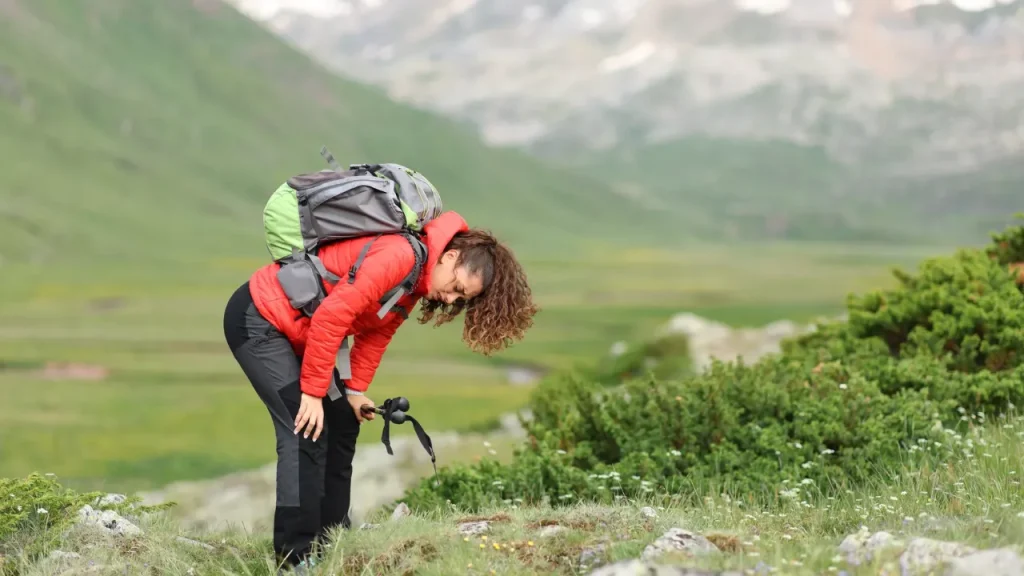
Recovery after a hike is just as necessary as the preparation process. During your hike, you should take some time to rest your body, paying attention to any strains or injuries that you may have sustained. You should drink plenty of water and consider gentle stretches or yoga to ease muscle tension. Through your blogs and social media accounts, you can inspire others and provide yourself with a platform to reflect on your achievements and future hiking goals, as well as provide a platform for you to share your experiences with others. Additionally, checking in with yourself and assessing your mental and physical progress is essential. Regular breaks and admiring the scenery can also help reset and refocus. Finally, remember to practice self-care and be mindful of your energy levels.
Conclusion:
A hike up a mountain offers a unique combination of challenges and rewards, allowing you to test your physical limits and reconnect with nature. Each hike can be a fulfilling experience if it is prepared correctly, equipped with the right gear, and treated with respect for the environment. With confidence and enthusiasm we encourage you to gear up, step out, and embrace the trails ahead with the confidence and enthusiasm you deserve. Enjoy the fantastic views, the fresh air, and the physical exertion, knowing that with each trek, you are taking a step towards a healthier and fitter life. Enjoy the journey, and take in the sights and sounds around you. Take in the beauty and wonder of the outdoors. Enjoy the sense of accomplishment you feel after each hike. Take time to reflect on the lessons you have learned and the growth you have experienced. Relish in the joy of living a healthy and active life. Appreciate the serenity of nature and the power of your own will. Celebrate the successes you have achieved and the growth you have experienced. Enjoy the sense of accomplishment and the feeling of contentment.
Frequently Asked Questions(FAQs)
What is the best time of year to hike up a mountain?
The optimal time for mountain hiking is during the late spring to early fall months. These periods typically offer more stable weather conditions, reduced snow on trails, and longer daylight hours, making for safer and more enjoyable hiking experiences.
What should I bring on a mountain hike?
For a mountain hike, pack a sturdy backpack, plenty of water, high-energy snacks, navigation tools such as a map and compass, a comprehensive first aid kit, weather-appropriate clothing, and durable hiking boots. These essentials ensure safety and comfort throughout your hike.
How do I choose a mountain suitable for my hiking level?
Select a mountain that matches your fitness level by researching trail difficulty, elevation gain, and distance. Beginners should opt for mountains with well-marked trails and moderate ascents, gradually advancing to more challenging peaks as their skills improve.
Why is it important to train before hiking up a mountain?
Training for a mountain hike is crucial as it builds endurance, strengthens muscles, and enhances cardiovascular health, enabling you to handle steep inclines and long distances. Regular physical training reduces the risk of injuries and increases your enjoyment and success on the trail.
What are the safety tips for encountering wildlife while hiking?
When encountering wildlife, maintain a safe distance, avoid feeding animals, and store all food securely. Familiarize yourself with the behaviors of local wildlife species and carry bear spray if hiking in bear country. These precautions help prevent potentially dangerous interactions and protect both you and the animals.