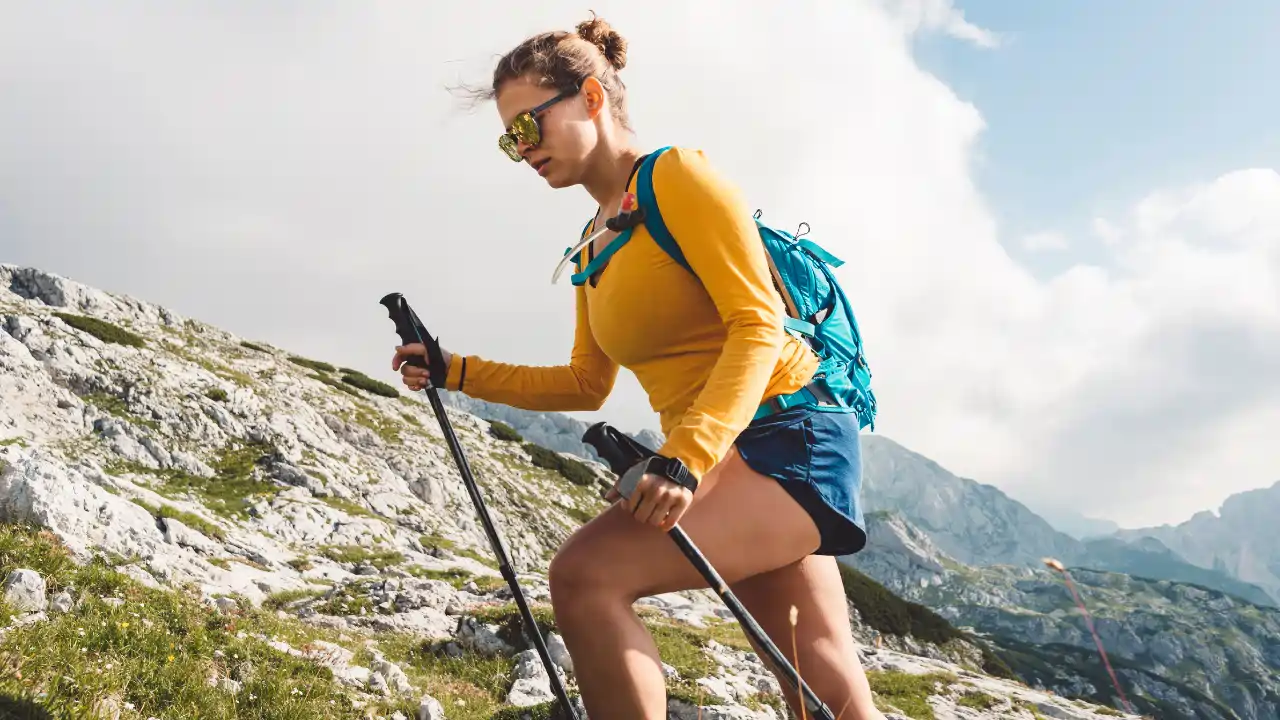
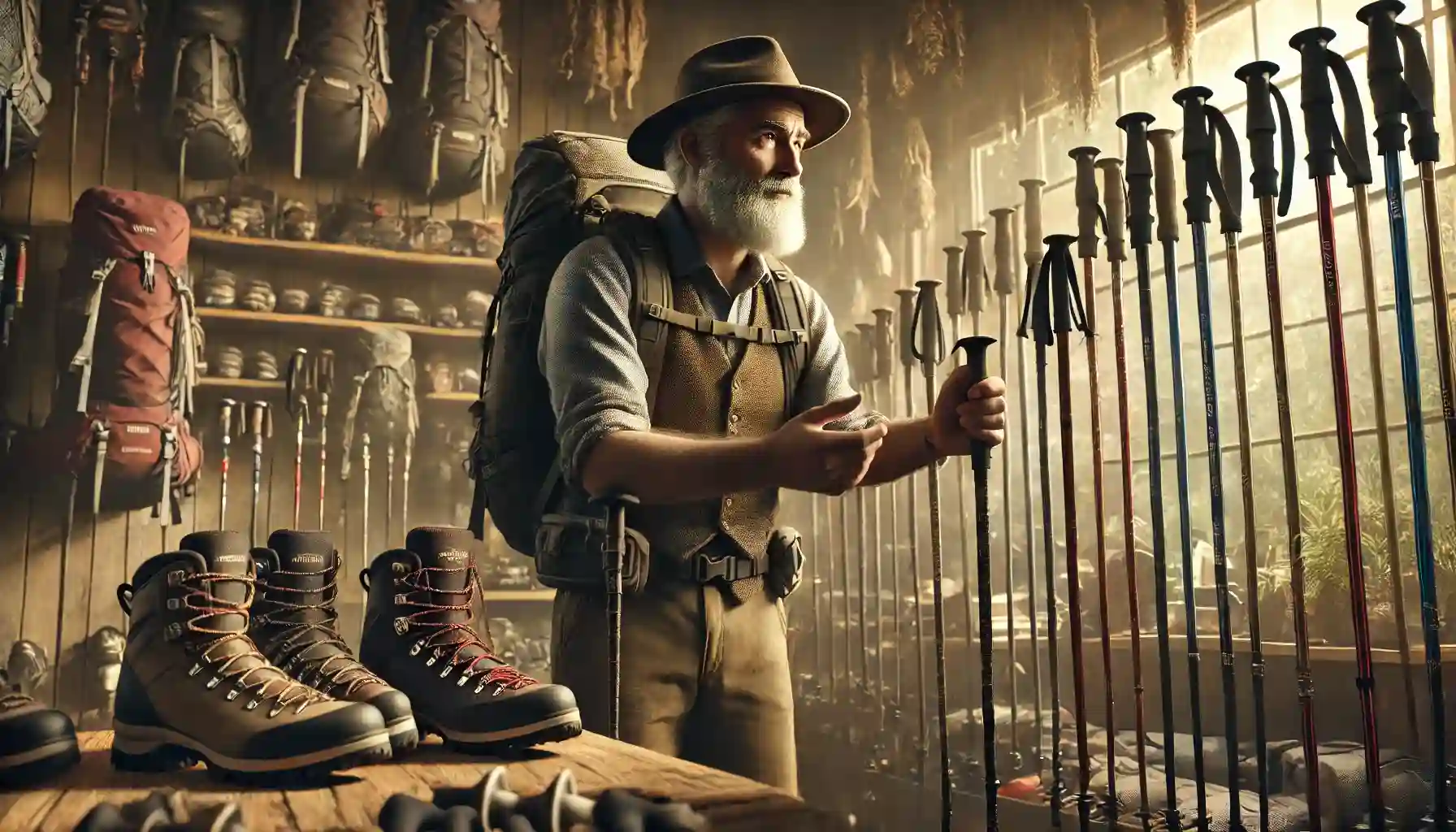
Choosing suitable trekking poles is vital in enhancing your hiking experience, so make sure you choose the right ones. Many novice hikers need to pay more attention to the importance of trekking poles, which provide significant support over various terrains, help distribute weight evenly, and reduce the impact on their joints. We are glad to present this guide on “How to Choose Trekking Poles,” which will guide you through the different types, features, and applications of trekking poles, enabling you to make an informed decision tailored to your hiking needs.
No matter what kind of trail you’re on, the suitable poles can increase your stability and endurance regardless of whether you’re on a rugged or gentle hike. This guide will cover everything you need about the various pole materials and advanced features, such as shock absorption, which will help novice and seasoned hikers find the perfect pole for their hiking needs.
In This Post
Understanding Trekking Poles
Trekking poles, sometimes referred to as hiking poles or walking sticks, are designed to provide stability and assistance to walkers on rough terrain and help with their rhythm. Two main types of trekking poles are available on the market: fixed-length poles and adjustable-length poles. Poles with fixed lengths are lighter and more robust but do not offer the same flexibility as poles with adjustable lengths, which can be adjusted to fit different terrains and personal heights, making them ideal for hikers who face varied landscapes during their hike.
Through-hikers and ultralight backpackers often choose folding poles for their compact storage and portability because of their compact size and portability. Several factors determine the functionality of a pole: the material it is made from plays an integral role in its durability: aluminum poles are lightweight and durable, but they are more susceptible to snapping if bent, which is ideal for rugged terrain.
Key Features to Consider
There are a few things to consider when choosing trekking poles, such as the material and the construction. Aluminum poles are sturdy and less expensive, thus making them suitable for use in rugged terrains and conditions where heavy usage is expected. It is important to note that although carbon fiber is more expensive, it can offer significant weight savings and reduce the impact on joints since it is naturally shock-absorbing. For long hikes, the weight of the poles is crucial, as heavier poles can become fatigue-inducing after a certain period.
Another essential feature to consider is the type of grip; you can choose between cork, foam, or rubber depending on how comfortable it is and how well it absorbs sweat. With the cork handles, your hands will mold to the shape of the handle over time, preventing odors from accumulating. Foam handles are softer and absorb moisture, while rubber grips are durable and ideal for cold weather use. It is essential to consider the locking mechanism when choosing an adjustable pole, as external lever locks can be easy to use and offer more excellent reliability than twist locks, which can be prone to slipping.
Special Features and Accessories
Having an understanding of the additional features and accessories available with trekking poles can enhance your hiking experience to a great extent. It is possible to swap the tips of the poles based on the terrain you will be climbing; carbide tips are standard and provide a good grip on ice and rock, whereas rubber tips offer a better grip on asphalt or sensitive surfaces. If you want to prevent sinking into soft ground or snow, baskets can be attached near the tips of the skis.
Luckily, some trekking poles come with shock-absorbing features that can be turned on and off, which helps reduce the strain put on the lower body during descents. Several hiking poles now include camera mounts on their handles, making it easier for hikers to attach action cameras or smartphones to their poles to capture moments without unpacking their gear whenever they stop for a break.
How to Use Trekking Poles Effectively
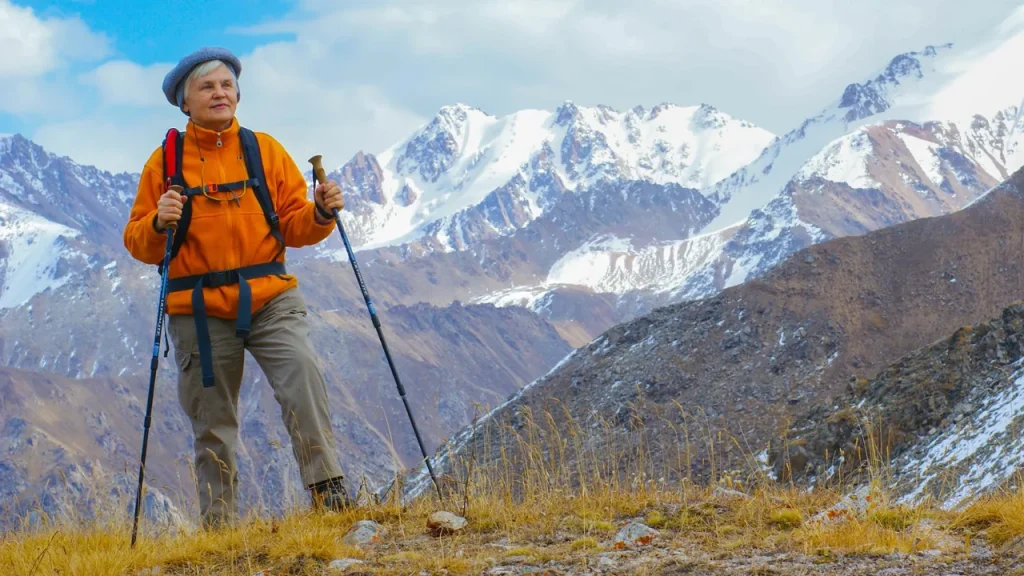
To use trekking poles effectively, setting them at the perfect height and learning how to walk with them using the correct techniques is essential. Generally speaking, the rule of thumb for pole length is that when you set the poles on the ground, your elbows should be at a 90-degree angle with your shoulders. The size should be adjusted to shorter for uphill walks to push down more forcefully and longer for downhill walks to control and stabilize yourself better.
As you walk, the poles should be touching the ground opposite your forward foot, with your arms swinging naturally while your forward foot is on the ground. The benefits of this are that you maintain your balance and propel yourself forward, conserving energy over a long distance. To fine-tune the adjustments of your poles and to get used to the rhythm of using them before you embark on a big hike, it is advisable to practice with them before the hike.
Maintenance and Care
If you take the time to maintain your trekking poles properly, you will extend their life and ensure their functionality. I recommend that after each hike, especially if you have been in muddy or wet conditions, you extend the poles fully and clean them with a soft, damp cloth after every hike. Before collapsing them, make sure that they are scorched before collapsing them to prevent rust or corrosion from occurring.
To ensure optimal machine operation, maintain optimal performance by periodically checking the locking mechanisms and replacing worn-out parts, such as tips or baskets. In the case of poles that have shock-absorbing features, regularly check the internal mechanisms to ensure they are working correctly and keep them in good working order. It would help if you stored your poles in a relaxed, dry environment to prevent degradation of the materials, particularly the grips and straps, over time.
Choosing the Right Trekking Poles for You
When choosing suitable trekking poles, it is essential to consider your specific needs and conditions of use. Consider your body weight, height, the type of terrain you will be hiking through, and the number of times you plan on using them. The budget is also a key factor. At the same time, more expensive poles offer advanced features and lighter materials, but mid-range poles can also provide excellent durability and comfort for most hikers who prefer them.
While walking poles, it is best to try several styles to find the one that feels the most natural and comfortable for the way you hike. If you are having difficulty deciding on the best hiking shoes, online reviews, in-store experts, and hiking forums can provide additional insights and recommendations.
Conclusion on How to Choose Trekking Poles
When enhancing your hiking experience, you must invest in the right trekking poles. When you consider the types, features, and personal fit of trekking poles, you can find a pair that will support you when you embark on many adventures. There is no doubt that the best trekking poles are suitable for your body, your budget, and your hiking needs, so remember that. You can increase the stability of your hike, reduce joint strain, and enhance your hiking performance by equipping yourself with suitable hiking poles.
Hiking poles are also essential for safety and comfort, as they help provide better balance and stability when walking on uneven terrain. Trekking poles are also a great way to help you explore more trails and enjoy more challenging hikes. Hiking poles are also a great way to explore new terrain, as they provide support when crossing streams and climbing hills. Trekking poles are also a great way to explore your surroundings, as you can use them as walking sticks to explore areas you couldn’t reach before.
Frequently Asked Questions (FAQs)
What is the difference between trekking poles and hiking sticks?
There is a difference between trekking poles and hiking sticks. Trekking poles are generally used in pairs, designed to aid stability and reduce the load on your legs while hiking across varied terrains. In contrast, a hiking stick is typically a single stick used primarily for balance rather than support.
How long should my trekking pole be for my height?
There is an ideal length for trekking poles based on your height. Your trekking poles should be adjusted so that when you hold them with the tip touching the ground, your elbow forms a 90-degree angle. This length ensures optimal support and efficiency while hiking.
Are folding or telescoping trekking poles better?
Yes, there is a difference in preference between folding and telescoping trekking poles. Folding poles are best for those who value compactness and easy transport, making them ideal for travelers. Telescoping poles offer adjustable lengths, which provide versatility and customization for different terrains and personal preferences.
What is the best type of trekking pole?
The best type of trekking pole depends on your specific needs. Carbon fiber poles are ideal for those seeking lightweight and shock absorption, reducing fatigue on long hikes. Aluminum poles are preferred for their durability and cost-effectiveness, suitable for rugged terrain and heavy use.
Which trekking poles are best for reducing joint strain?
Trekking poles with shock-absorbing features are best for reducing joint strain. These poles are designed to absorb the shock that would otherwise impact your knees and hips, especially beneficial when descending or traversing long distances, thus helping to prevent joint pain and fatigue.