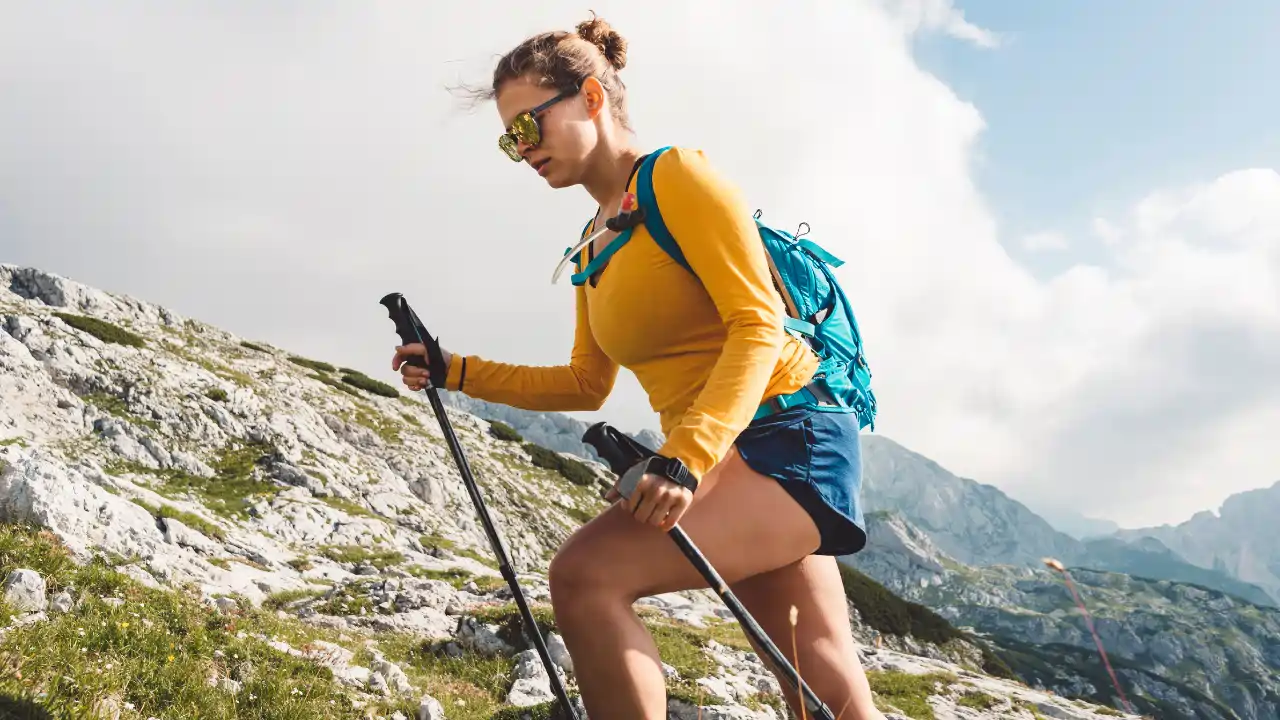
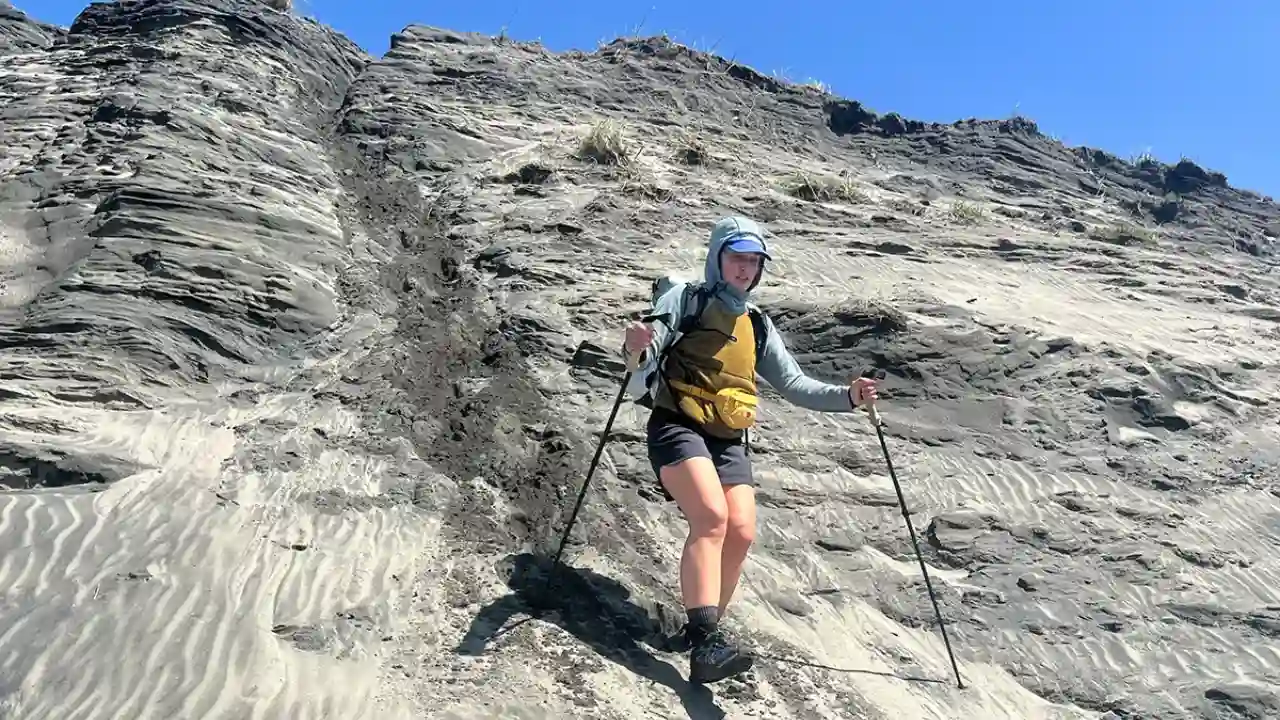
The trekking pole is a vital part of any hiker’s kit, offering comfort, stability, reduced strain on joints, and increased efficiency in the hiking process. Trekking poles improves your posture and maintains your balance on uneven trails.These poles can be very helpful if you face any kind of obstacle in or around the trail.You must aim to bend your elbow at 90 degree, when the pole tip touches the ground. When you’re on a hike, whether negotiating rugged terrain or embarking on a multi-day expedition, it can significantly enhance your experience when you’re out in nature.
In This Post
Choosing the Right Trekking Poles
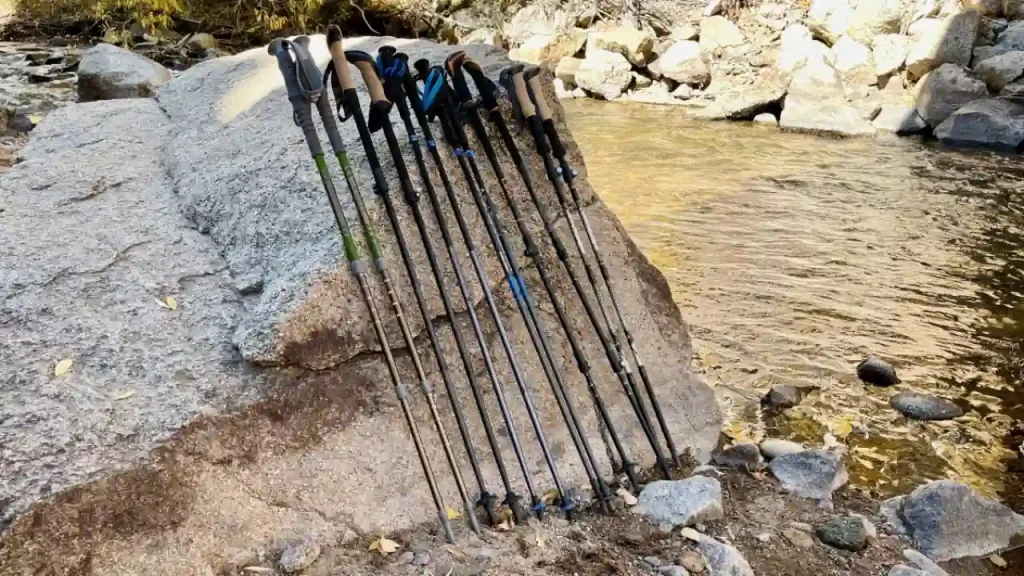
Choosing the best trekking poles starts with understanding your hiking needs and preferences to make the right choice. You can customize the length with adjustable poles to suit different terrains and conditions. Regarding weight and durability, materials such as aluminum or carbon fiber can provide varying trade-offs regarding weight and strength. There are three types of grips: cork, foam, and rubber. Each gives you a different level of comfort and moisture-wicking properties. It is designed with adjustable straps to ensure the proper wrist support and distribution of the pole weight, which enhances comfort on long hikes as well.
Adjusting Your Trekking Poles
Adjusting the trekking pole length to maximize their benefits correctly is crucial. The poles should be adjusted so that your arms form a 90-degree angle when holding the grips when riding on flat terrain. Shortening the poles slightly for uphill climbs so that you can engage your upper body and improve your climbing stability. It is recommended that the poles be lengthened for downhill descents to reduce the impact on knees and joints. Various locking mechanisms offer varying degrees of ease and security in adjusting the pole length on the fly, such as twist and lever locks.
Using Trekking Poles on Different Terrains
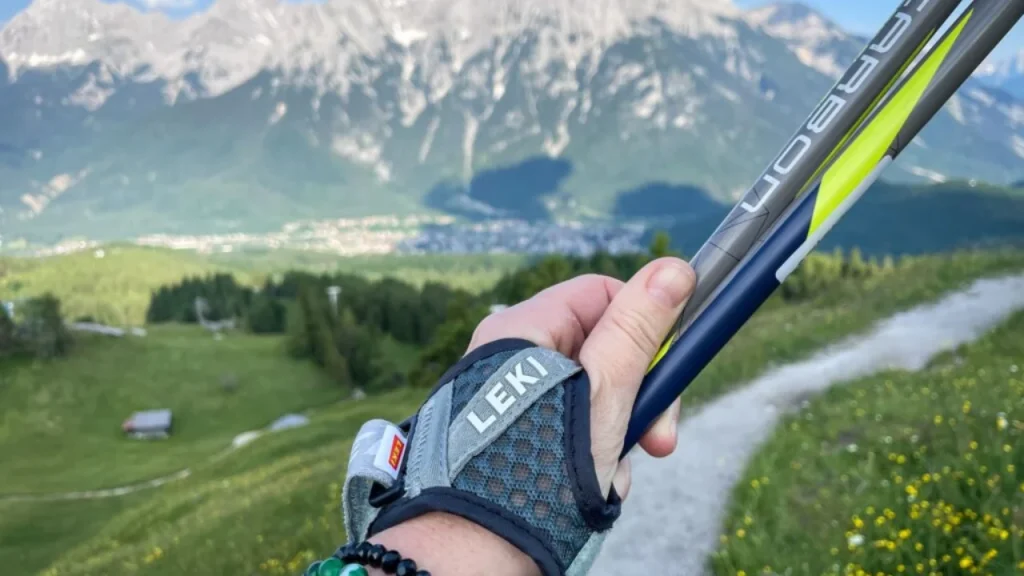
When practicing trekking pole techniques on various terrains, you can enhance your safety and efficiency. When moving forward on flat terrain, you should maintain a natural arm swing rhythm with each step, using your poles as stabilizers and propellants. To distribute your effort across the entire body when climbing uphill, it is beneficial to plant your poles slightly ahead and use them to push off as you ascend. A pole is needed for downhill descents to brace and support your weight, reducing the strain placed on your knees and ankles on the way down. Maintain your balance and stability as you walk up and down slopes by adjusting the length of your pole as you go.
Trekking Pole Techniques
Using trekking poles effectively is essential for optimizing your hiking performance, and you need to learn the crucial techniques for doing this. This method of hiking uses one pole primarily as a means of stabilization, with the hiker alternating sides as he walks. In the double pole technique, both poles are engaged simultaneously, improving balance and reducing the overall impact on the joints. When using alternate poles, the stride becomes more rhythmic, a particularly useful feature on long hikes, where stamina and pace are important factors to keep when hiking.
Integrating Trekking Poles with Other Gear
The trekking poles can be easily integrated with your backpack and other hiking gear for a seamless outdoor experience with your trekking poles. You can use specialized loops or quick-release mechanisms to keep the poles secure when not in use. Most trekking poles can also be used as tent supports, reducing the weight of your pack by serving two purposes at once. It is important to adjust pole length or grip quickly when using cameras or navigating tricky terrain to maintain balance and ensure stability while capturing moments that will last a lifetime.
Common Mistakes to Avoid
The best way to maximize the benefits of trekking poles and avoid unnecessary strain is to avoid the common pitfalls. Choosing the wrong pole length when adjusting your poles can lead to discomfort or inefficiency, so it is important to adjust your poles according to the terrain and your height. Blisters and wrist strain may occur if you do not use the straps correctly or grip them incorrectly; ensure that you adjust the straps to support your wrists without restricting their movement. To boost the quality of your hiking experience, you should use poles as aids rather than crutches to enhance your experience rather than overly relying on them for balance.
Maintenance and Care
It is important to regularly maintain your trekking poles so they last a long time and perform reliably on every hike you take. The poles should be cleaned after each use so that dirt and debris cannot cause premature wear. You should inspect the locking mechanisms to ensure there is no dirt or damage that may compromise their function, and you should lubricate them as necessary to maintain smooth operation. Storing your poles in a cool, dry place between hikes is a good idea to prevent corrosion and retain their structural integrity. Maintain optimal grip and stability on various terrains by regularly inspecting pole tips and baskets for wear and replacing them to ensure maximum grip and stability.
Recommendations for Trekking Poles
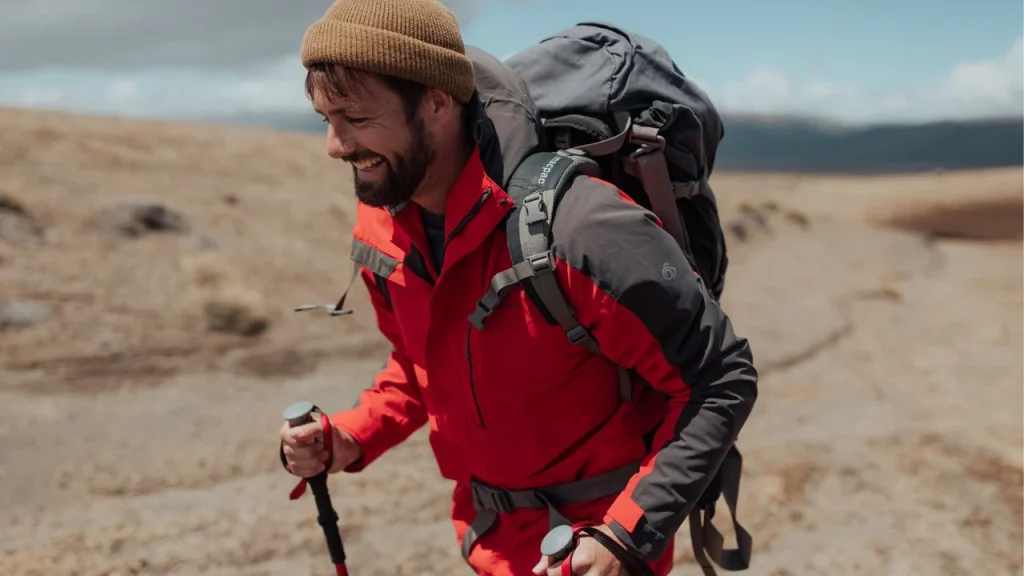
The top-rated trekking pole brands and models will help you find the perfect pole for your hiking style and preferences. If you’re an occasional hiker or a beginner, consider options that are budget-friendly but offer durability and basic functionality. A high-end hiking backpack may feature advanced materials and ergonomic designs suitable for serious hikers or those who plan to go on extended treks. You must read user reviews and expert recommendations on trekking poles before you select one that meets the needs of your outdoor adventures in terms of comfort, performance, and durability.
Personal Stories and Testimonials
Explore the experiences of fellow hikers who have mastered the art of using trekking poles by learning from their experiences. Seasoned hikers share valuable insights and tips on adapting pole techniques to different terrains and weather conditions based on their observations and experience. Beginners describe their learning curves and how incorporating trekking poles into their hiking experiences transformed them, inspiring confidence and enhancing their enjoyment of the great outdoors.
Conclusion
It is vital to learn how to use trekking poles to be safe and have a good time while on hiking adventures of any length or level of difficulty. To reduce fatigue, prevent injuries, and extend hiking stamina, hikers must choose the right poles, adjust them accurately, and master essential techniques to effectively use them. Hikers can use trekking poles to help them navigate steep trails or explore gentle paths, providing crucial stability and support, allowing them to investigate further and with greater confidence in their ability.
For more detailed guidance on using trekking poles and enhancing your hiking experience, explore additional resources such as online tutorials, gear reviews, and hiking forums. Connect with outdoor enthusiasts and experts to exchange tips and recommendations on selecting, using, and maintaining trekking poles for your next outdoor adventure.
Frequently Asked Questions(FAQs)
What are the benefits of using trekking poles?
Trekking poles offer several benefits. They improve balance, reduce joint stress, and stabilize uneven terrain. Trekking poles also help with weight distribution, making hiking less strenuous. They enhance posture and can boost endurance during long hikes.
How do I know what length trekking poles to use?
Knowing the correct length of trekking poles is crucial. Adjust them so your elbow forms a 90-degree angle when holding the pole. For uphill, shorten by 5-10 cm; for downhill, lengthen by 5-10 cm. This ensures optimal support and comfort.
Can trekking poles be used on all types of terrain?
Yes, trekking poles can be used on all types of terrain. They provide stability on rocky paths, support on steep inclines, and balance on muddy or snowy trails. Versatile and adjustable trekking poles enhance safety and comfort across diverse hiking conditions.