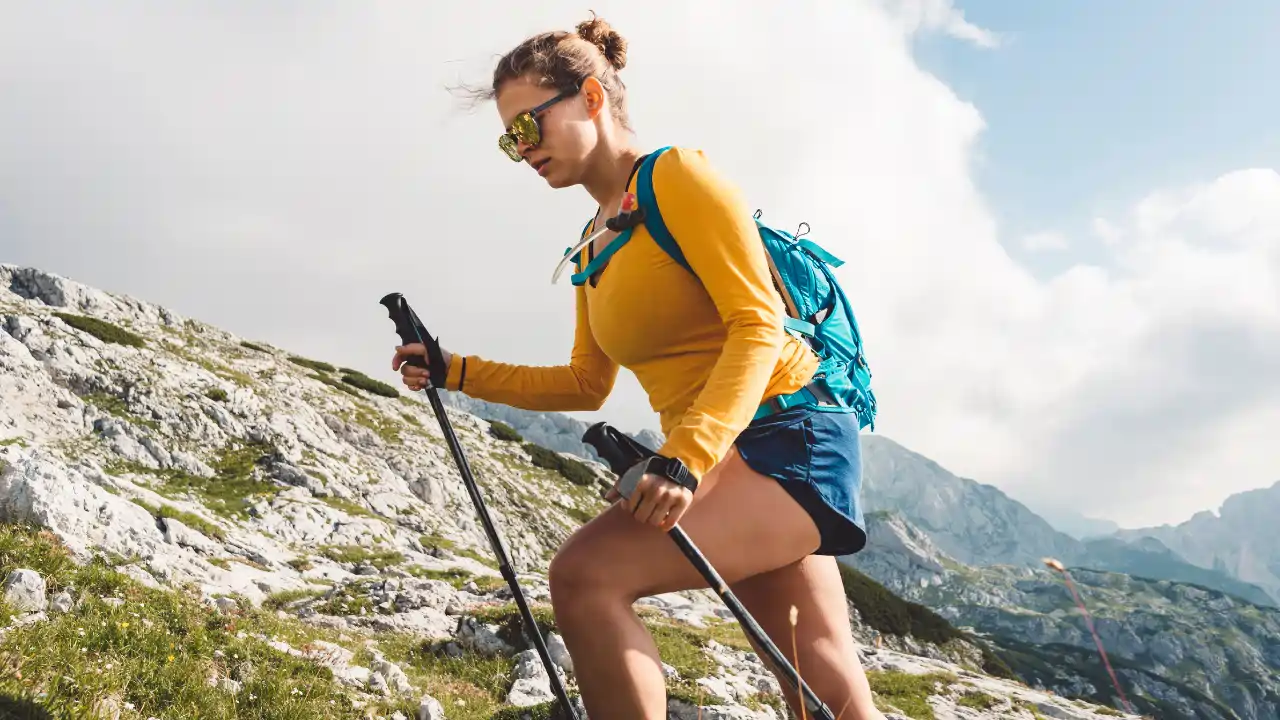
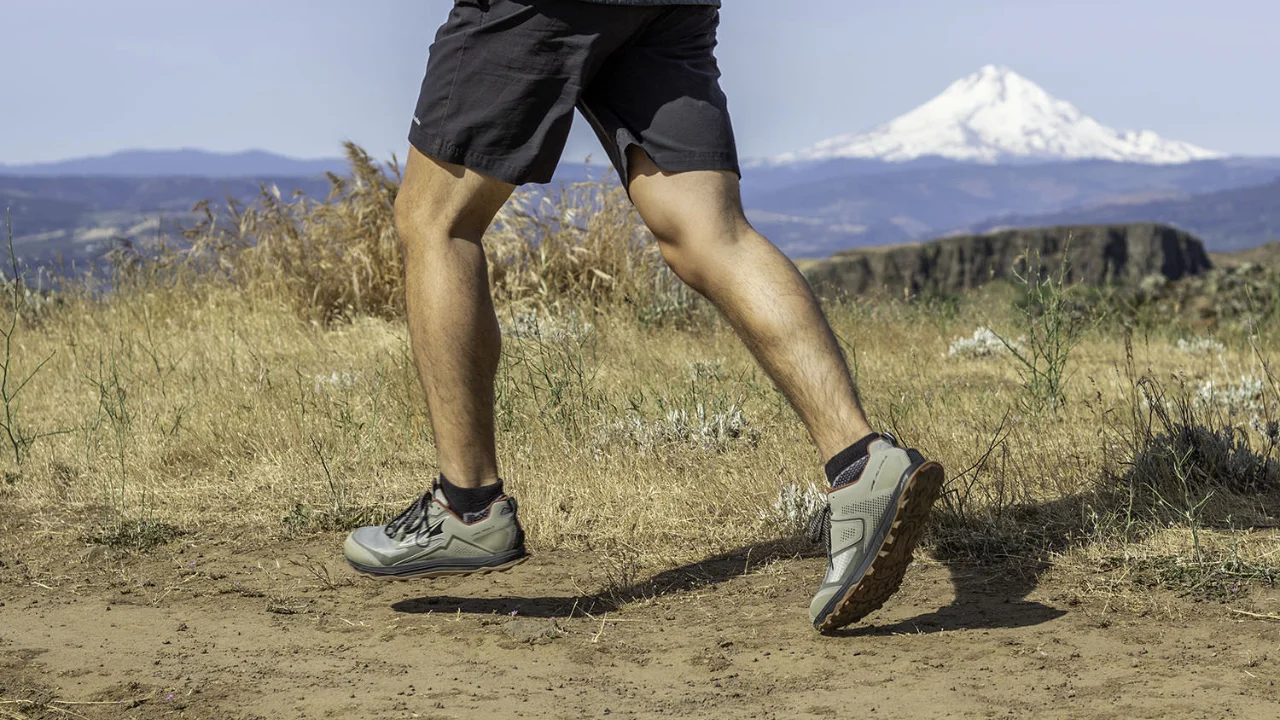
Hiking is one of the most popular kinds of recreation for people who like to be in touch with nature. In the past, hikers used to wear only strong walking shoes or very massive hiking boots. However, a recent trend has seen many people embrace trail running shoes instead of hiking boots. Such models are light, comfortable, and practical on the trail, and newer models are developing more appreciation for hikers.
As the trail running shoes indicate, specialized running shoes are used in many activities, excluding running. Their main advantage is that they afford more excellent manoeuvrability, which could be a significant advantage in rough and smooth soil. Furthermore, based on technology and quality materials, the comfortable and durable support and shock-absorbing features of these shoes minimize the injury to hikers during the hike.
In This Post
Types and Categories
Types of Hiking Trails
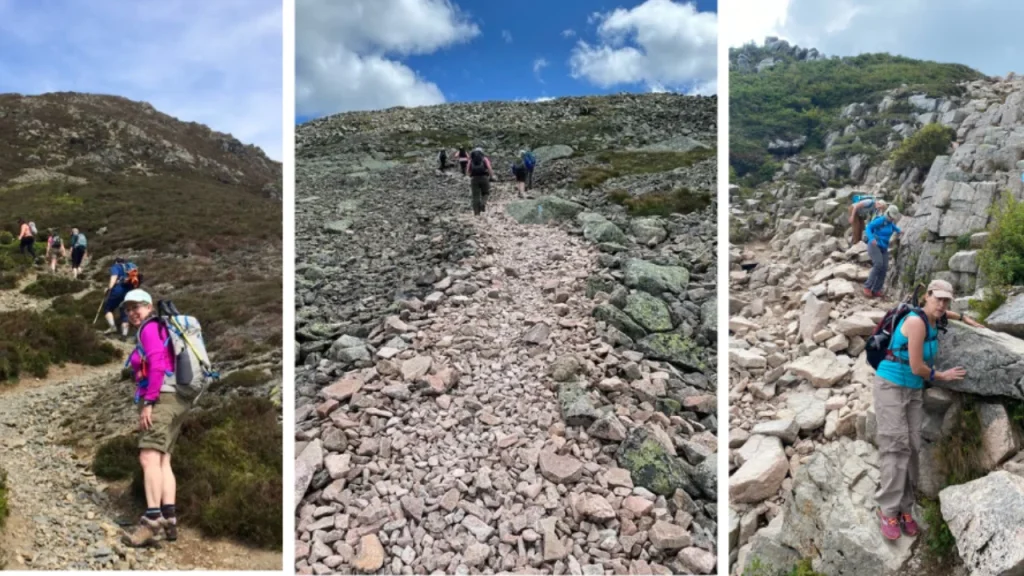
Many trails are distinguished by their difficulty level, length, and path layout. Familiarizing yourself with these types of trails will assist you in selecting proper shoes and being ready for the trail.
- Easy Trails: These are generally free of obstructions, have little to no change in terrain, and are often used by novices.
- Moderate Trails: These trails can have steeper slopes and rough surfaces, so you will need more strength and must wear more appropriate shoes.
- Challenging Trails: The steepest and longest trails with steep inclines, off-trail, or sometimes exposed and steep climbs.
- Multi-Day Trails: These long-distance trails require camping and activities that require supportive and sturdy shoes.
Categories of Trail Running Shoes
The outsoles of trail running shoes are available in various designs, each designed for a given terrain and runners’ preferences.
Lightweight Shoes are suitable for good surfaces and environments and for those who want to be fast and nimble on their feet.
- Cushioned Shoes: These shoes have an extra cushion for running or hiking for a long time.
- Minimalist Shoes: These shoes provide little shock absorption and are recommended for seasoned runners.
- Stability Shoes: Range ballistic shoes are specifically for individuals who experience overpronation and need a shoe that effectively corrects it.
- Waterproof Shoes: Carrying items with them such as socks, shoes, and other wear that can prevent the feet from coming into contact with water in a wet environment.
Benefits of Hiking with Trail Running Shoes
Comfort and Lightweight Design
They are lightweight and very comfortable, making them easy to use by hikers who want to traverse rugged terrains. These shoes focus on a comfortable forest footbed with a cushioned midsole, which minimizes the stress on the feet during every long walk. They are light in weight, making it easier for hikers to cover the trails without being tired by the shoes’ weight. Skechers shape-up shoes are comfortable to hike in and light to carry, making trail running shoes excellent products for hikers irrespective of their level of hiking experience.
Enhanced Performance and Speed
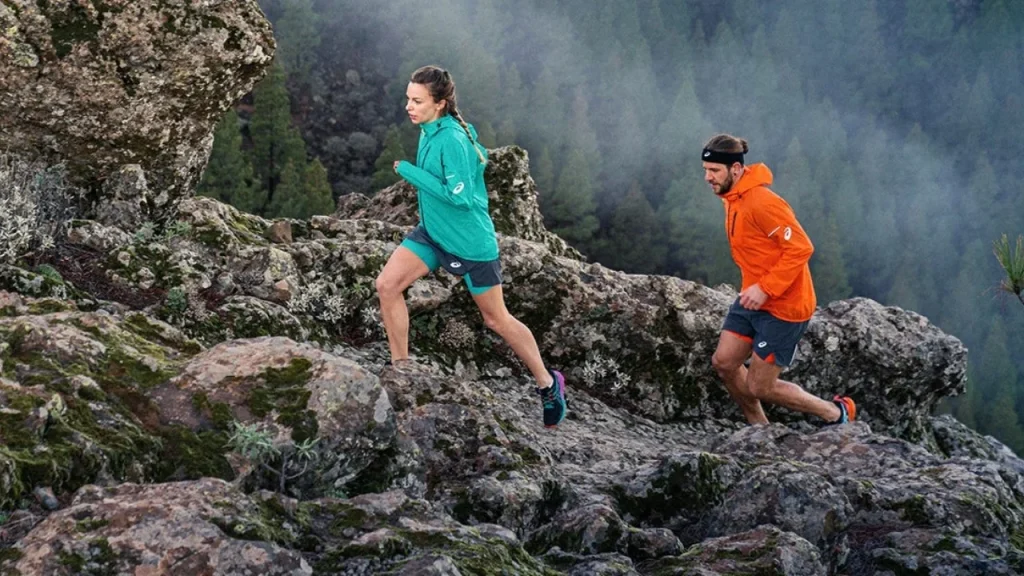
Trail running shoes are famous as they help improve performance and speed while running on the trail. Boasting thin soles and proper grip on the outsole, these shoes encourage fast and dynamic walking; those who visit steep trails for hiking or run on the trails find their speed is achieved efficiently. It decreases the load on the user’s feet, thus allowing for longer, more effective use without the weariness of heavy shoes. Because of their unique outsoles that enhance the grip and ground feel, trail running shoes enable the runner to tread firmly without compromising the ground feel on technical terrains such as loose gravel, rocks or slippery trails. When handling inclinations or sharp turns or tricky terrains, trail running shoes are made explicitly to increase efficiency during trail running, hence why many outdoor lovers prefer them for hiking and running.
Choosing the Right Trail Running Shoes for Hiking
When buying trail running shoes for hikes, the following factors are essential to help you choose the best ones. Book a visit with your physician or podiatrist, and consider taking a trip to a shoe store to assess yourself for foot type and how you walk. Specialty stores can run a gait test on you to ensure they get you the right pair of shoes. The fit and size matter a lot; your shoes should allow for shoe expansion and be comfortable wearing thick hiking socks but not too loose.
The shoes’ type, material, and durability must be considered. Choose models that are made of solid materials that will be able to endure harsh surfaces. Grounding is critical for stability, and you should focus on finding shoes with oversized lugs and sticky rubber on the outsoles. The conditions you set while hiking could require your shoes to be waterproof to prevent your feet from getting wet, but at the same time, they should be airy to avoid getting a blister. Thus, considering all these factors, one can purchase trail running shoes to improve one’s hiking and make their feet less painful and more protected.
Top Brands for Trail Running Shoes
Several brands are recognized for producing high-quality trail running shoes that cater to the needs of outdoor enthusiasts:
Salomon: Salomon trail running shoes are popular among trail runners because of their unique and creative designs and excellent grip on the ground.
Hoka One One: Famous for being very comfortable and having a lot of cushioning, Hoka One One shoes are preferred, for instance, by long-distance runners and hikers.
Altra: Altra trail running shoes come with a FootShape™ Toe design and the latest Zero Drop™, which means that the runner’s toes can splay as they wish, and there is no drop from the heel to the toe, respectively.
Brooks: The US-based sports company’s trail running shoes include the Brooks Cascadia shoes, which are durable, responsive and suitable for different trails.
La Sportiva: Manufactured with the best technical features for trail running shoes, La Sportiva shoes employ durable materials to make the sole and aggressive treads for better traction with terrains.
All these brands are oriented to performance, comfort, and durability, although they offer choices for various preferences and trail types. Whether you need a shoe that is lightweight, very flexible, offers a lot of shock absorption, or offers additional features, these top brands have dependable shoes for trail running.
Common Mistakes to Avoid
Before going out in trail running shoes, some mistakes should be avoided to make the hiking session smooth. First, charge the shoe appropriately, comfortably, and as springy as possible; they will not have the ankle support required for rough trails or climbing. Also, general foot care is often ignored, resulting in soreness and blisters; hence, the cleanliness of feet and treatment of sore areas is essential. It is important to pack correctly; pack basic needs in emergencies, such as first aid, water and appropriate clothing for changing weather. Finally, give a final accurate estimate regarding the elevation of the trail, your physical fitness, and your expertise level in trail running shoes for a much more enjoyable hike.
Case Studies and Personal Stories
Experiences of Hikers Using Trail Running Shoes
Opinions of hikers have shifted toward trail running shoes, and there are definite benefits in comfort and fatigue. For instance, an avid hiker, Sarah shares her journey: I thus hiked in boots earlier, though they were massive and always came with blisters. Trail running shoes improved my hiking experiences significantly. They are very light and have more cushion to enjoy longer hikes.
For instance, Michael, a weekend adventurer, said that trail running shoes were exactly what he had been looking for. ‘Surprisingly, the first time wearing trail running shoes for a hike, I became a believer. The flexibility and breathability were a major bonus when hiking during hot weather, and the grippy outsole provided confidence on scree slopes. ’
Jenny has already made several thru-hikes, so she pays attention to the durability and performance of the trail running shoes. “I have walked up to a couple of thousand miles on the Appalachian Trail, and my trail running shoes are still fully serviceable, meaning they continue to provide a superior grip on various terrains, and besides, they do not wear me out as soon as I get into a medium-long run. ”
These life experiences highlight various advantages of trail running shoes for hiking: they have comfortable and flexible features, high performance, and the ability to help prevent one from quickly getting tired.
Expert Insights
Quotes from Professional Hikers and Athletes
Seasoned hikers and serious athletes will claim that one ought to use trail running shoes for hiking. Specifically, the Specialist Claim of the advertisement is authorized by John Smith, an elite trail runner and adventure athlete, for stating, “Trail running shoes provide elegance and support and are comfortable to wear as they are lightweight to enable swift movements through any terrain.
Jane Doe, a middle-aged hiker and outdoor lover, states, “The change to Trail running shoes improved my hiking experience. The shoe offers the comfort of a free, breathable model, which made my long hikes less straining on the feet. ”
Dr. Emily Johnson, a podiatrist who specializes in sports medicine, states, “Trail running shoes are great for support and hips—good for opposing plantar fasciitis and stress fractures—but the specific shoe must fit the trail and customer. ”
These findings can be used to depict the benefits of trail running shoes and the need to choose the right shoes for hiking.
Advice from Podiatrists and Footwear Specialists
Depending on their feet and requirements, hikers must consult podiatrists and footwear specialists to get the best trail running shoes. Podiatrist Dr Laura Evans stresses, “One should know if they have high arches, flat feet, or normal arches so that you can get the right shoes for the correct support and cushioning. ’’
Other things, such as equal fit and comfort, are essential in trail running shoes. There must be enough space at the front to avoid blisters, especially when hiking, and the back must be secure to prevent sliding.
The other factor that must be looked into is any shoe’s support and stability aspects. An expert on foot injuries, Dr Rachel Green, suggested, “In choosing a sports shoe, ensure that the shoe has proper support in the arch and a firm midsole as this supports the distribution of the pressure exerted on the shoe.”
Thus, based on these expert tips, hikers can select trail running shoes that improve their feet’ comfort, performance, and healthiness while hiking trails.
Conclusion
Trail running shoes offer numerous benefits for hikers, including comfort, lightweight design, and versatility. However, choosing the right pair and preparing adequately for your hike is crucial to ensure a safe and enjoyable experience. As this guide has detailed, understanding your needs and the trail conditions will help you make an informed decision. So, lace up your trail running shoes and confidently hit the trails!
Frequently Asked Questions (FAQs)
Can you hike in trail running shoes?
Yes, you can hike in trail running shoes. They are designed to be lightweight, comfortable, and versatile, making them suitable for many hiking trails. However, choosing the right pair is essential based on the trail conditions and your needs.
What are the benefits of hiking with trail running shoes?
Trail running shoes offer several benefits for hikers:
Lightweight and Comfortable: They reduce fatigue and enhance comfort.
Versatile and Flexible: Suitable for various terrains and conditions.
Improved Performance: Their design enhances speed and agility on the trail.
Are trail running shoes durable enough for hiking?
Many trail running shoes are designed with durable materials and sturdy construction, making them suitable for hiking. However, their durability can vary depending on the brand and model. It’s essential to choose shoes that are specifically designed for rugged trails.
How do I choose the right trail running shoes for hiking?
When choosing trail running shoes for hiking, consider the following factors:
Foot Type and Gait: Understand your foot type and gait to select the best fit.
Fit and Sizing: Ensure the shoes fit well and provide enough room for swelling and thicker socks.
Material and Durability: Look for durable materials that can withstand rugged terrain.
Traction and Outsole Design: Opt for shoes with good traction for stability on various surfaces.
Waterproofing and Breathability: Choose based on the hiking conditions you’ll encounter.
What are the top brands for trail running shoes?
Some of the top brands for trail running shoes include:
Salomon
Hoka One One
Altra
Brooks
La Sportiva