
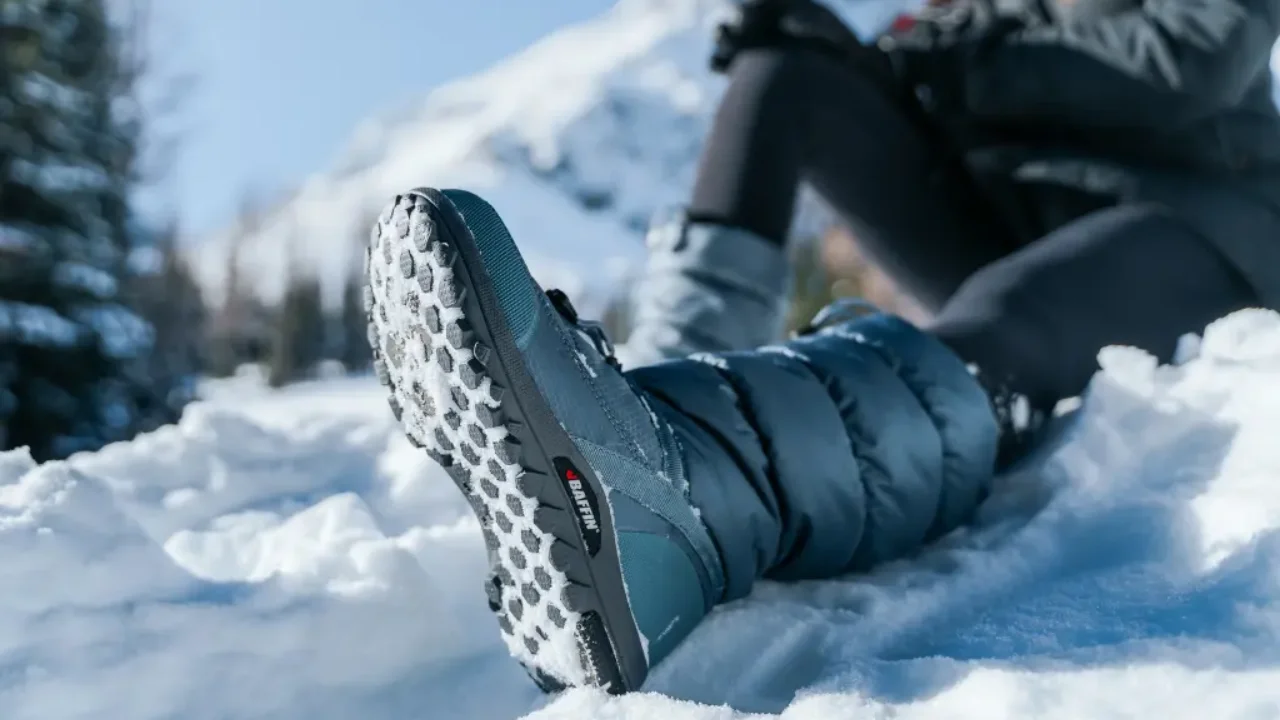
Everything is transformed into a winter wonderland when the first snowfall blankets the ground. As much as you’d like to enjoy it, there’s an important question: Are hiking boots Good for snow? Proper footwear is crucial for keeping your feet warm, dry, and comfortable. You don’t want to cut short your winter adventure because of cold, wet feet. The experience of hiking in the snow can be exhilarating, but it can also be challenging. A hiking boot is designed for rugged terrains and long walks, but deep drifts and icy patches present obstacles in the snow. While hiking boots are typically sturdy and offer good support, they may lack insulation and waterproofing when snowing.
We’ll explore whether your hiking boots are up to handling snowy conditions or if you should consider alternatives. We’ll compare the pros and cons of hiking boots and snow boots and offer tips for enhancing hiking boots for winter. By the end, you’ll know whether hiking boots are a good option for your snowy adventures or if snow boots are worth investing in.
In This Post
Understanding Hiking Boots
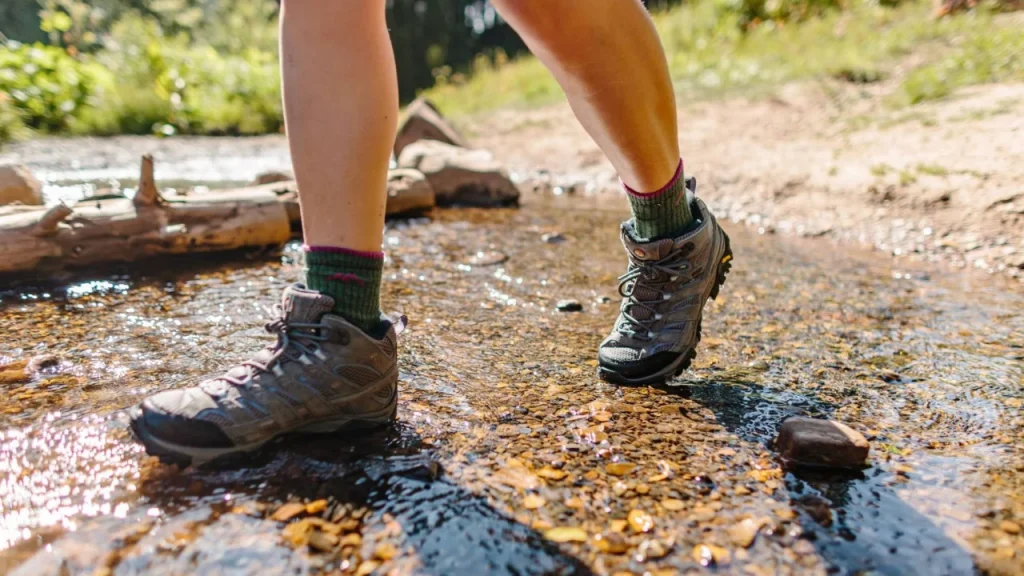
Definition and Purpose of Hiking Boots
During long hikes, hiking boots keep your feet comfortable and safe by providing support and protection against rough and uneven terrain. In addition to providing excellent grip and stability, they often feature ankle support to reduce the risk of sprains. Combining leather and lightweight synthetic materials makes hiking boots durable and lightweight. You can navigate rocky trails or trek through forests in these boots, which ensure your feet are protected and supported throughout your journey.
Key Features of Hiking Boots
Solid and durable soles are essential for navigating challenging terrains in hiking boots. During hikes, ankle support provides stability and reduces the risk of injuries such as twists and sprains. Typically, leather and synthetic materials are combined to balance toughness and weight. Despite the rugged conditions, these boots remain lightweight enough for comfortable long-distance walking. As a result, hiking boots offer protection and performance on various trails, making them a good choice for outdoor enthusiasts.
Understanding Snow Boots
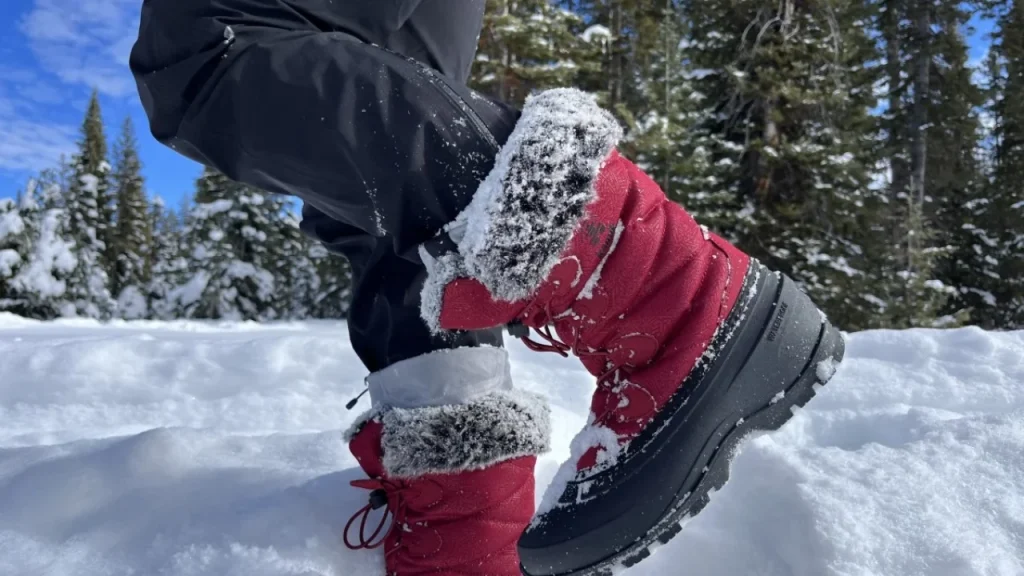
Definition and Purpose of Snow Boots
The snow boot is footwear designed to perform well in cold, wet, and snowy conditions. They are designed to keep your feet dry and warm, regardless of the depth of the snow. The outer surfaces of these boots are waterproof and constructed with insulation materials to keep you warm and dry in cold weather. Snow boots prioritize thermal comfort and weather resistance over durability and traction, making them ideal for winter activities like snowshoeing, skiing, or simply negotiating snowy sidewalks. Winter boots ensure feet remain protected and comfortable in harsh winter conditions, making them essential gear for anyone exposed to prolonged cold and snow.
Key Features of Snow Boots
During prolonged exposure to cold temperatures, snow boots are designed with thick insulation to retain heat. In addition to keeping feet dry and protected from snow and slush, their waterproof exteriors repel moisture effectively. Also, snow boots feature specialized soles with deep treads or lugs, which provide excellent traction on slippery surfaces. Snow-covered terrain offers stability and confidence when walking due to the grip, which prevents slips and falls. Snow boots provide a cozy fortress for your feet, combining insulation, waterproofing, and superior traction to fight harsh winter conditions.
Comparing Hiking Boots and Snow Boots
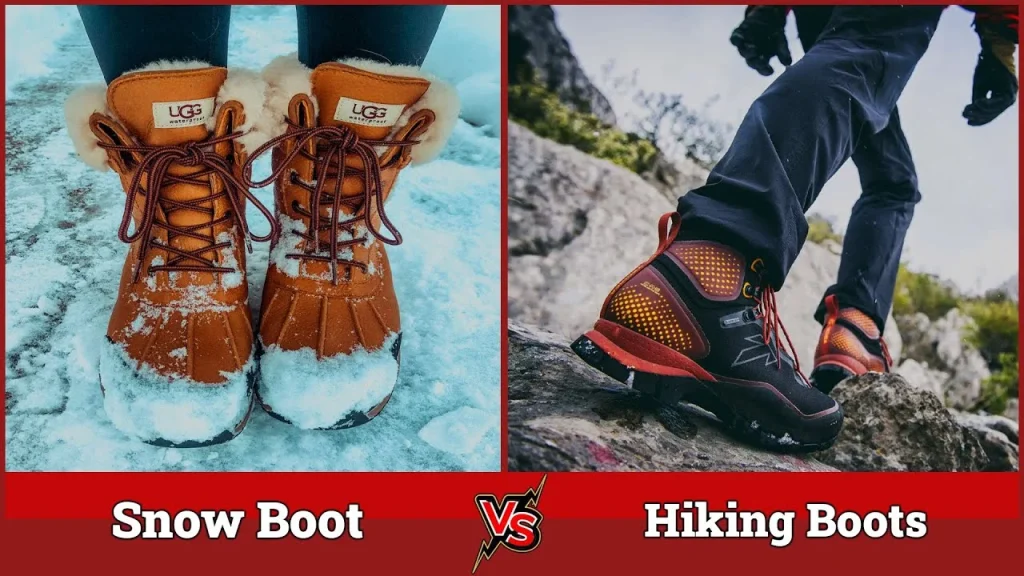
Material and Insulation
Snow boots are typically more insulated than hiking boots. When temperatures drop below freezing, they may not be sufficient to provide adequate warmth. When hiking boots are worn during strenuous activities, their insulation is usually lighter to maintain breathability and comfort. As a result, snow boots are specifically designed to keep feet warm in frigid climates. For this reason, when choosing footwear for winter adventures, it’s essential to consider both the temperature range and level of insulation required to ensure comfort and protection.
Waterproofing and Breathability
Almost all hiking boots are water-resistant, which helps keep you dry as you hike in light rain. However, they are not 100% waterproof, so moisture may eventually seep through, especially when exposed to wet conditions for a prolonged period. The purpose of snow boots is to provide full waterproofing. Advanced materials and construction techniques prevent snow and moisture from entering your shoes and reaching your socks. Keeping your feet dry in snowy conditions is crucial for warmth and comfort. Consider your comfort and performance in winter weather when choosing hiking or snow boots based on their waterproofing capabilities.
Traction and Sole Design
Maintaining traction when navigating slippery surfaces is crucial, especially in winter. Hiking boots are designed with rugged soles that provide excellent grip on rocky and dirt trails, providing stability and preventing slips. Snow boots, on the other hand, excel in icy and snow-covered terrain thanks to their specialized sole designs. These soles feature deep treads or lugs that enhance traction on ice and snow. With their specialized traction capabilities, snow boots provide secure footing and reduce the risk of slipping, making them ideal for snowshoeing, winter hiking, and navigating icy sidewalks. Exploring winter landscapes safely and confidently requires appropriate footwear with adequate traction.
Pros of Using Hiking Boots in Snow
Despite their primary design for other terrains, hiking boots offer several advantages in snow:
- Versatility: Hiking boots are versatile and suitable for various terrains, including light snow. They are ideal for mixed winter conditions where heavy snow is not a concern.
- Lightweight Design: Compared to bulkier snow boots, hiking boots are lighter, making them easier to maneuver and more comfortable for extended wear.
- Better for Mixed Terrain: Hiking boots provide robust support and traction for transitioning between snowy paths and drier areas, making them ideal for diverse winter landscapes.
Wearing full, waterproof hiking boots in snow may be optional for short hikes or in urban settings.
Cons of Using Hiking Boots in Snow
Using hiking boots in the snow has some limitations despite their general versatility:
- Lack of Insulation: Hiking boots often need more insulation in dedicated snow boots, which can lead to colder feet in freezing temperatures and prolonged exposure to snow.
- Limited Waterproofing: While hiking boots offer some water resistance, they are not typically fully waterproof like snow boots. This can result in wet feet if exposed to prolonged snow or slush.
- Possible Slipperiness: Hiking boots may not have specialized soles for maximum traction on ice and packed snow, increasing the risk of slips and falls in slippery conditions.
- Less Warmth: Without adequate insulation, hiking boots may not keep feet sufficiently warm during prolonged exposure to cold and snowy environments, leading to discomfort and potential frostbite.
Considering these factors, while hiking boots can handle light snow and mixed winter conditions, they may need more warmth, waterproofing, and traction for more challenging snowy terrains.
Personal Stories and Experiences
Using hiking boots in snowy conditions can present practical challenges and successes. As a result of their adventures, many outdoor enthusiasts share mixed experiences. Those who appreciate hiking boots’ versatility and comfort on varied terrain find them suitable for light snow hikes. For example, hikers in milder winter climates enjoy hiking boots’ freedom and agility, allowing them to quickly navigate trails and occasionally snow-covered paths. There have been instances, however, where the lack of insulation or specialized traction has led to discomfort or slips on icy surfaces. During winter outings, it is critical to understand footwear capabilities and choose the right gear based on specific weather conditions and terrain types.
Expert Opinions
Depending on specialized knowledge and experience, footwear choices for snowy conditions vary. Footwear specialists and seasoned hikers often stress the importance of selecting appropriate gear. Experts highly recommend snow boots for their superior insulation and waterproofing, making them ideal for prolonged exposure to cold and wet conditions. Snow boots with specialized soles enhance traction on icy surfaces, reducing the risk of slips and falls. In addition, hiking boots can provide adequate support and comfort for shorter outings in lighter snow or mixed terrain. To ensure safety, comfort, and optimal performance outdoors, expert opinions emphasize matching footwear to specific winter activities and environmental conditions.
Practical Tips for Snow Hiking
Practical tips for snow hiking can significantly enhance your experience and safety in winter conditions:
- Layer Clothing: Dress in layers to manage body temperature and moisture. Start with a moisture-wicking base layer, add insulating layers like fleece or wool, and finish with a waterproof and windproof outer layer.
- Choose Waterproof Gear: Wear waterproof and insulated snow boots to keep your feet warm and dry. Pair them with moisture-wicking socks to prevent dampness.
- Use Trekking Poles: Trekking poles provide stability on uneven and slippery terrain, helping to reduce strain on your legs and maintain balance.
- Pack Essentials: Carry a map and compass, extra food and water, a headlamp or flashlight, a first aid kit, and a multi-tool. In winter, include hand warmers, a thermos with a hot drink, and extra layers.
- Check Weather Conditions: Before heading out, stay updated on weather forecasts and trail conditions. Be prepared for sudden changes in weather and plan accordingly.
- Practice Safety Measures: Inform someone of your hiking plans and expected return time. Stay on marked trails and be aware of avalanches or unstable snow hazards.
By following these practical tips, you can ensure a safer and more enjoyable snow hiking experience, making the most of winter’s outdoor beauty while staying prepared for its challenges.
Conclusion
To conclude, hiking boots are adequate for light snow and mild conditions but inadequate for extreme cold and deep snow. Regarding serious winter adventures, snow boots are a superior choice. In addition to waterproofing treatments and thermal insoles, hiking boots can become versatile options for mixed terrain. Hikers can extend the usability of their hiking boots by upgrading them with gaiters and appropriate socks, making them a practical choice for varying weather conditions. Investing in adaptable hiking boots, along with the necessary accessories, can provide a balanced solution for those who frequently encounter a variety of environments.
FAQs
When hiking in icy conditions, is it reasonable to wear hiking boots?
It can be slippery to wear hiking boots on ice. Use ice cleats or snow boots with specialized soles for better traction.
Is it possible to wear hiking boots while snowshoeing?
The answer is yes, but pair them with warm socks and ensure they are waterproof. You can also wear hiking boots with snowshoes for an extra layer of insulation.
In the snow, how do you keep your hiking boots warm?
Wearing thermal socks and adding insulation-filled insoles can be helpful. Keeping your circulation going is also important.
Is there a specific brand of hiking boots that are suitable for snow?
Merrell, Salomon, and Columbia offer hiking boots with good water resistance and traction for light snow conditions.
What is the best way to maintain hiking boots after using them in the snow?
Maintain their performance by cleaning them thoroughly, drying them properly, and applying waterproof treatments regularly.