

Choosing the proper footwear can be challenging, and many outdoor enthusiasts are curious whether hiking shoes can also be used as running shoes when selecting the appropriate footwear. It should be noted that both activities demand shoes that provide support and durability and can enhance performance. What if there was a shoe that could do it all? Can one kind of shoe do it all? This article aims to explore the nitty-gritty details to determine if hiking shoes can be successfully used as running shoes simultaneously. This article will discuss the key differences, benefits, drawbacks, and everything you should consider before deciding. So, lace up and find out if your trusty hiking shoes can also handle the running track.
In This Post
Critical Differences Between Hiking and Running Shoes
Structure and Design
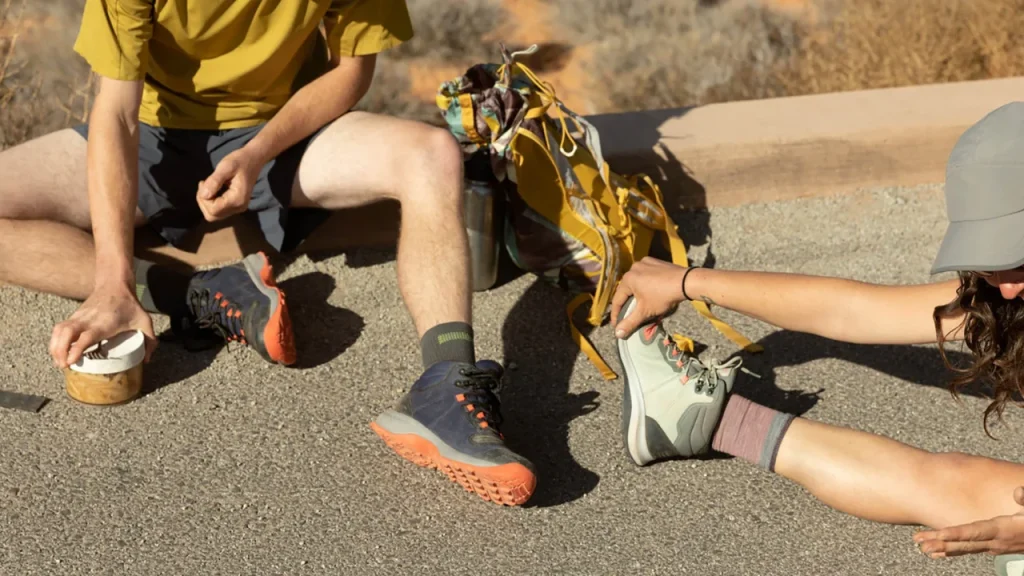
Hiking shoes are made from sturdy materials and provide excellent ankle support. They can be worn on rugged terrain to ensure stability and safety. As a result, they are often equipped with reinforced toe caps, thick midsoles, and durable outsoles to withstand the challenges associated with uneven surfaces.
In contrast, running shoes are lighter and more flexible, specifically designed to enhance the forward motion of the feet as they run. A vital feature of these running shoes is that they are made with breathable materials and prioritize cushioning to absorb the repetitive impact of running. A running shoe with a streamlined design is designed to facilitate a smooth and efficient stride, ensuring that the shoes have a minimum amount of weight to prevent fatigue during long runs. As a result of the differences in design and structure, each activity has its unique demands, which is why it is often recommended to wear specialized footwear for each activity.
Cushioning and Support
High-impact activities such as running require running shoes that provide ample cushioning and shock absorption. Runners’ knees, hips, and ankles need this cushioning to avoid repetitive stress injuries. Its lightweight, responsive materials offer a comfortable, bouncy feel.
Hiking shoes, however, are designed to provide more support to prevent ankle injuries on uneven terrain. They have stiffer midsoles and more robust constructions to provide stability and protect against rocks, roots, and other obstacles. Maintaining balance and avoiding ankle sprains is crucial when navigating challenging terrain.
Traction and Grip
A hiking shoe’s aggressive tread provides traction on various surfaces, such as rocks, mud, and steep slopes. The tread is deep and multidirectional, ensuring stability and preventing slips in rugged terrain.
Running shoes, on the other hand, prioritize grip and responsiveness on paved surfaces. Their flat, streamlined outsoles enhance speed and agility on roads and tracks, providing excellent traction. Running shoes are designed to maintain a secure grip while allowing for quick, smooth movements, which is essential for effective running.
Can Hiking Shoes Be Used for Running?
Considerations for Short Distances
Hiking shoes can be an excellent option for occasional short runs over flat terrain, especially if they are flexible and cushioned enough to provide the runner with enough comfort. If they are relatively lightweight and comfortable, your hiking shoes could be used for short jogs without causing significant discomfort. It can benefit runners who want a shoe that can be used for hiking and casual running, removing the need to change footwear for different activities such as hiking and running. As a result, it is generally recommended that dedicated running shoes be worn for regular running or longer distances because they offer an optimized level of support and performance.
Impact on Performance
When you use hiking shoes for running, it can have a significant impact on your speed and agility. As a result of their heavier weight and less flexible design, they can slow you down and make quick movements more challenging. As a result, this can be especially problematic when competing in a setting where every second counts. In addition to the rigidity of hiking shoes, they may also cause discomfort and less efficient running forms, leading to fatigue and reduced performance. Even though they can be used for occasional, casual runs, there are better options for people looking to achieve peak performance in running activities.
Benefits of Hiking Shoes for Running

A hiking shoe offers several advantages when it comes to running, especially when there is a specific condition involved:
Durability and Longevity: Hiking shoes are built to withstand rough terrain, making them more durable than running shoes. They can withstand harsh conditions, so they may last for a more extended period, which in turn will save you money in the long run.
Versatility in Terrain: Hiking shoes are excellent footwear for runners who encounter gravel trails, dirt trails, and even obstacles on their way through the wilderness. They provide outstanding protection and stability, allowing you to run comfortably on various surfaces.
Ankle Support: Hiking shoes come with a sturdy design that provides superior ankle support, reducing the risk of injury, especially when hiking on uneven terrain.
Traction: The aggressive treads on hiking shoes provide exceptional traction on slippery or loose surfaces, ensuring a secure grip and minimizing the chances of slipping.
Hiking shoes are not the perfect choice for every running scenario, but they are excellent for trail runs and other off-road activities.
Drawbacks of Using Hiking Shoes for Running
Even though hiking shoes are perfect for running, they do come with some notable disadvantages:
Lack of Flexibility: Hiking shoes are generally stiffer and less flexible than running shoes, which can restrict natural foot movement and lead to discomfort during a run. This rigidity will hinder your stride, reducing your running efficiency.
Weight and Bulkiness: Hiking shoes are typically heavier and bulkier than running shoes, which can slow you down and make running more cumbersome. The extra weight also causes fatigue more quickly, which affects your performance overall.
Reduced Speed and Agility: The design of hiking shoes prioritizes stability and durability over speed and agility. In terms of speed, this can be a disadvantage if you’re devoting yourself to faster times or need to make quick directional changes.
Less Breathability: Hiking shoes often have more robust materials and less ventilation than running shoes, potentially leading to overheating and sweaty feet during runs.
Limited Cushioning: While hiking shoes offer good support, their cushioning is often firmer and less responsive than running shoes. This can result in a less comfortable experience, especially when traveling a long distance.
Due to these factors, hiking shoes are not ideal for regular running, especially on paved surfaces or for long runs.
Choosing the Right Footwear
Consider your running style, the terrain you will be running on, and the importance of comfort and performance when selecting the proper footwear. The support you need depends on your gait, stride length, and foot strike pattern to determine what type of support you need. It is essential to evaluate the surfaces you usually run on—pavement, trails, or a mix of both—and choose appropriate shoes. You should consult a footwear specialist or sports professional for personalized recommendations so you prefer running shoes that will enhance your running experience while minimizing the risk of injury. Ultimately, the proper footwear should be able to balance support, flexibility, and cushioning to meet your specific running requirements.
Tips for Running in Hiking Shoes
If you decide to run in hiking shoes, here are some tips to ensure a comfortable and enjoyable experience:
Break Them In: Before embarking on longer runs, wear your hiking shoes for shorter distances to allow them to mold to your feet and prevent discomfort or blisters.
Adjust Lacing: Experiment with different techniques to achieve a secure fit that supports your foot arches and minimizes movement within the shoe.
Foot Care: Maintain good foot hygiene by wearing moisture-wicking socks to reduce friction and prevent blisters. As soon as you finish a run, inspect your feet for any signs of irritation and treat them promptly to prevent complications.
The steps mentioned above will help you run more comfortably and enjoyably in your hiking shoes.
Best Practices for Foot Care
Importance of Proper Socks
There is no doubt that choosing the right socks when running in hiking shoes is crucial. To prevent blisters and discomfort during extended runs, opt for moisture-wicking socks that manage sweat effectively and reduce friction, making you less likely to get blisters. As a result of their ability to draw moisture away from the skin, these socks provide a more comfortable and hygienic experience by keeping your feet dry and cool. A good pair of socks can improve the health of your feet, and they can also improve your performance when you are running by minimizing the risk of common foot problems associated with prolonged use of hiking shoes.
Post-Run Foot Care Routine
The most important thing to remember after completing a run in hiking shoes is to prioritize foot care after your run. First, you should thoroughly inspect your feet for any signs of irritation, redness, or blisters, especially in areas with a lot of friction, such as your toes and heels. It is essential to treat any blisters that appear as soon as possible by cleaning them with mild soap and water, applying appropriate blister pads or bandages, and avoiding the temptation to pop them. To reduce the risk of overuse injuries, it is important to hydrate well, elevate your feet to prevent swelling, and allow adequate rest to aid your recovery. Taking care of your feet after a run is vital to your foot’s health and will improve overall running comfort and performance in hiking shoes.
Conclusion
Hiking shoes can be a viable option for running depending on personal preference, running habits, and the type of terrain encountered. Even though hiking shoes offer durability and adaptability across diverse terrains, their heavier weight and less flexible design may adversely affect speed and agility during a run. Choosing the proper footwear for running requires careful consideration of these factors, emphasizing a combination of comfort and performance to enhance the overall running experience. Suppose you are opting for hiking shoes or dedicated running shoes. In that case, it is important to prioritize a comfortable fit and suitable design to ensure that you will enjoy your running experience and perform at your best.
FAQs
When I run long distances, can I wear hiking shoes or do I need running shoes?
Since hiking shoes are heavier and less flexible, they are not ideal for long-distance running. If worn for an extended time, they can cause fatigue and discomfort.
How much cushioning does a hiking shoe provide when it comes to running?
In comparison to running shoes, hiking shoes tend to have firmer cushioning. This cushioning may not be adequate to absorb impact during high-impact activities like running, which is why hiking shoes tend to have firmer cushioning.
What is the best way to know if my hiking shoes suit running?
Consider factors such as the type of terrain, the frequency of running, and the runner’s level of comfort. It is best to test them on shorter runs first to determine if they are suitable for your needs.
How are hiking shoes different from running shoes in terms of their main differences?
Unlike running shoes, hiking shoes emphasize lightweight, flexibility, and cushioning for forward motion, while running shoes focus on durability, ankle support, and traction.
Is it possible to run on trails in hiking shoes?
Hiking shoes are undoubtedly suitable for trail running, especially in rugged and unpredictable terrain, as they provide the stability and protection needed.