Hiking is a refreshing way to get outside and enjoy nature while exercising and calming mentally. But being well-prepared is essential if you want to enjoy your trekking trip to the most. Having the right gear for a hike might mean the difference between an amazing experience and a difficult slog. This in-depth guide will assist you in understanding the personal supplies, safety equipment, and necessary gear for a successful trip. Regardless of your level of hiking experience, this list will make sure you’re prepared for anything. Everything from navigational aids and hydration to backpacks and shoes will be covered. Read on to find out what essentials you’ll need to improve your outdoor experience and ensure your safety and comfort before hitting the trails. Let’s examine the specifics.
Key Takeaways
- Proper Gear: Selecting the right backpack and footwear is essential for comfort and safety during your hike.
- Navigation Tools: Mastering the use of a map, compass, and GPS is crucial to ensure you never lose your way.
- Safety Measures: Carrying critical safety items like a first aid kit and emergency shelter can be lifesaving.
In This Post
Essential Gear for a Flawless Hiking Trip
1. Backpack
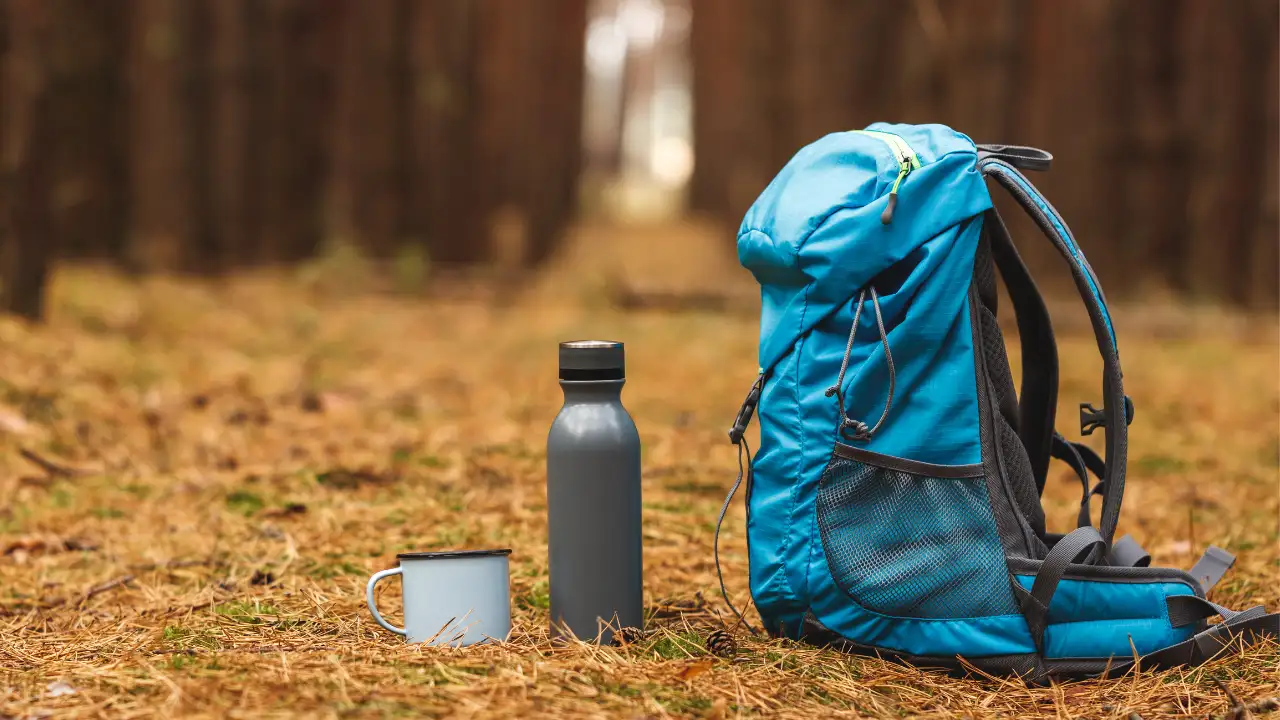
The first step in getting ready for a hike is selecting a proper backpack. A daypack that contains 20 to 30 liters is perfect for day walks because it offers just enough room for basics without being overly large. Choose a backpack with a bigger capacity—roughly 50–70 litres—for multi-day hikes. A supportive hip belt, padded shoulder straps, and numerous compartments for stowing your gear are all desirable features. Try a few alternatives to select one that fits your body type; comfort and fit are the most critical factors. Weight can be distributed evenly with a well-chosen backpack, easing strain and improving the enjoyment of your journey. Make sure the straps are adjustable so you can modify the fit, and consider other features like rain coverings and compatibility for hydration bladders.
2. Footwear
Proper footwear is vital for a comfortable and safe hiking experience. Both trail runners and hiking boots are standard options, and each has benefits. Hiking boots provide ankle support and are ideal for rugged terrains, offering stability and protection. Trail runners, on the other hand, are lightweight and flexible, perfect for well-maintained trails and shorter hikes. Ensure a proper fit to avoid blisters and discomfort regardless of your choice. Your footwear should have good traction to prevent slips and falls. Pair your shoes with moisture-wicking, padded socks to enhance comfort and reduce the risk of blisters. Remember, breaking in new footwear before a long hike is essential to ensure a comfortable fit.
3. Clothing
When it comes to hiking clothing, layering is essential. To keep humidity off your skin, start with a base layer that drains away moisture. For insulation, add a mid-layer, like a down jacket or fleece. To shield against the weather, an outer layer should also be windproof and waterproof. For optimum comfort, wear apparel made of breathable, quick-drying materials. It’s important to dress for the weather; in colder climates, bring extra layers, gloves, and a cap; in hot climates, choose lighter, more breathable clothing. Versatility is provided by convertible pants, which can be changed into shorts. Steer clear of cotton in cold weather as it takes in moisture and can cause hypothermia.
Navigation Tools for Hiking
1. Map and Compass
Even though GPS devices are widely used, a map and compass are still necessary equipment for any hiker. They are dependable even in isolated locations because they don’t rely on batteries or signals. Acquiring the ability to utilize a map and compass is a crucial skill that guarantees safe navigation. Topographic maps give you entire details about the geography, which is beneficial for planning your route and landmark identification. You can find your way with a compass, particularly on poorly marked routes. Always have a compass and a map of the area you’re hiking in, and spend some time learning the fundamentals of navigation.
2. GPS Device/Smartphone
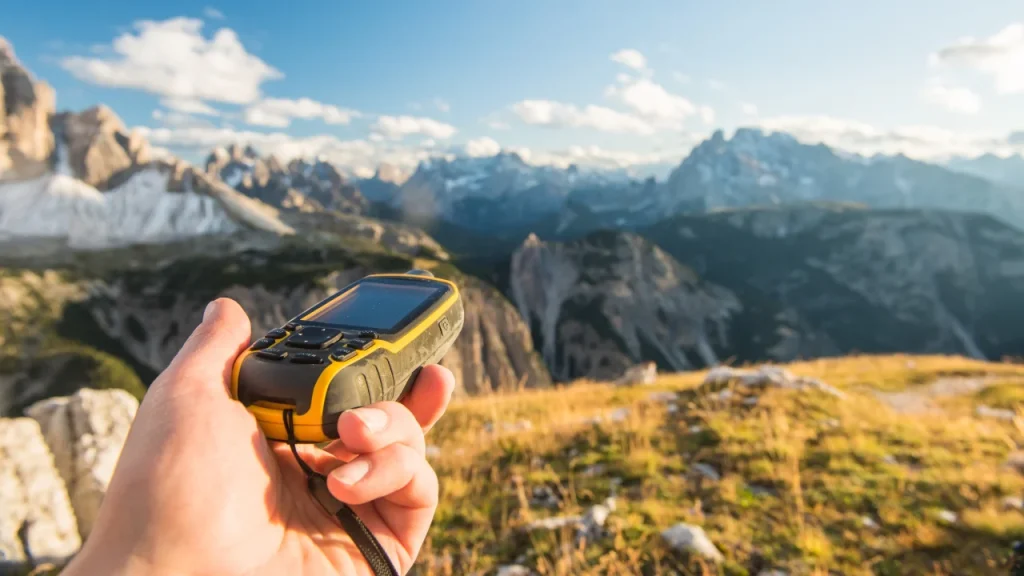
Even while standard tools are still necessary, contemporary technology can greatly improve trekking. Precise location monitoring and comprehensive maps are provided by GPS equipment and smartphones loaded with hiking apps. They are particularly beneficial on difficult treks or in low light. A map and compass should be used in addition to them, not instead of them. Well-known hiking applications feature offline maps, tracking your progress, and trail information. Make sure your gadget is completely charged, and think about keeping a portable charger on you. Recall that technologies might malfunction, so you should always have a fallback plan.
3. Trail Guidebook
A trail guidebook is an invaluable tool that offers thorough details on trails, topography, and sites of interest. It provides guidance and data to improve your hike in addition to your map and technology equipment. Trail descriptions, difficulty ratings, and historical or natural history details frequently appear in guidebooks. They are especially helpful in helping you plan multi-day strolls by letting you know what to expect and how to get ready. Having a hard copy handbook guarantees that you have constant access to information, even if your digital gadgets aren’t working.
Safety and Emergency Items for hiking
1. First Aid Kit
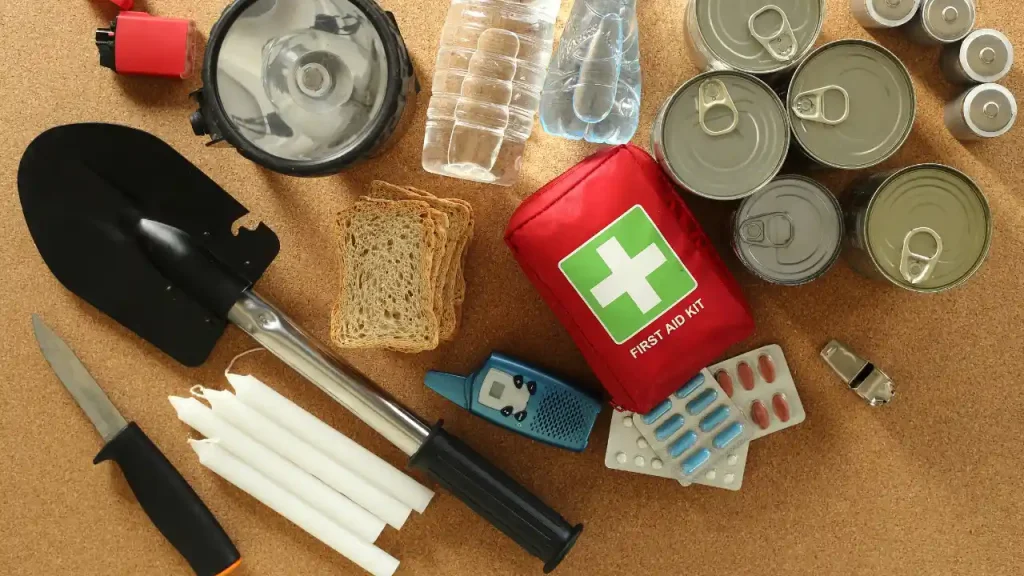
A well-stocked first aid kit is essential for addressing minor injuries and medical issues on the trail. Include bandages, antiseptic wipes, adhesive tape, tweezers, pain relievers, and personal medications. Customize your kit based on the hike’s duration and the group size. Knowing basic first aid skills can make a significant difference in an emergency. Pack the kit in a waterproof container to protect its contents, and place it in an easily accessible part of your backpack. Regularly check and replenish your supplies, and familiarize yourself with the contents and their uses.
2. Emergency Shelter
Carrying an emergency shelter can be a lifesaver in unexpected situations. Options include bivy sacks, space blankets, or lightweight tarps. These items protect you from the elements if you’re stranded or need to spend an unplanned night outdoors. Emergency shelters are compact and lightweight, making them easy to pack. They can help prevent hypothermia and provide a sense of security. Please familiarize yourself with how to set up your shelter quickly, and always carry it as a precaution, especially on longer or remote hikes.
3. Multi-tool/Knife
A multi-tool or knife is versatile for various tasks, from preparing food to making repairs. Choose a model with essential tools like a knife blade, scissors, pliers, and a can opener. A multi-tool is handy for cutting rope, opening packaging, or performing minor gear repairs. Ensure it’s easily accessible in your pack. A reliable multi-tool can be invaluable in emergencies, helping you adapt to unexpected situations and solve problems on the trail.
4. Fire Starter
In an emergency, fire starters—such as waterproof matches, lighters, or fire starter sticks—are essential for cooking and staying warm. Even in damp conditions, always use various fire-starting techniques to start a fire. Understand fire prevention concepts and learn how to build a fire safely. In survival situations, fire can be a source of warmth, a signal for assistance, and a source of morale. Your fire-starting supplies should be packed in a waterproof container and a convenient spot inside your bag.
5. Whistle
A whistle is a simple but effective tool for signaling in an emergency. Its sound carries farther than a human voice, making it easier for rescuers to locate you. Three short blasts are the universal signal for help. Attach a whistle to your backpack or wear it around your neck for quick access. In addition to emergencies, a whistle can help keep group members in contact if you become separated. Ensure everyone in your hiking group knows how to use it.
Hydration and Nutrition Prevention Items
1. Water
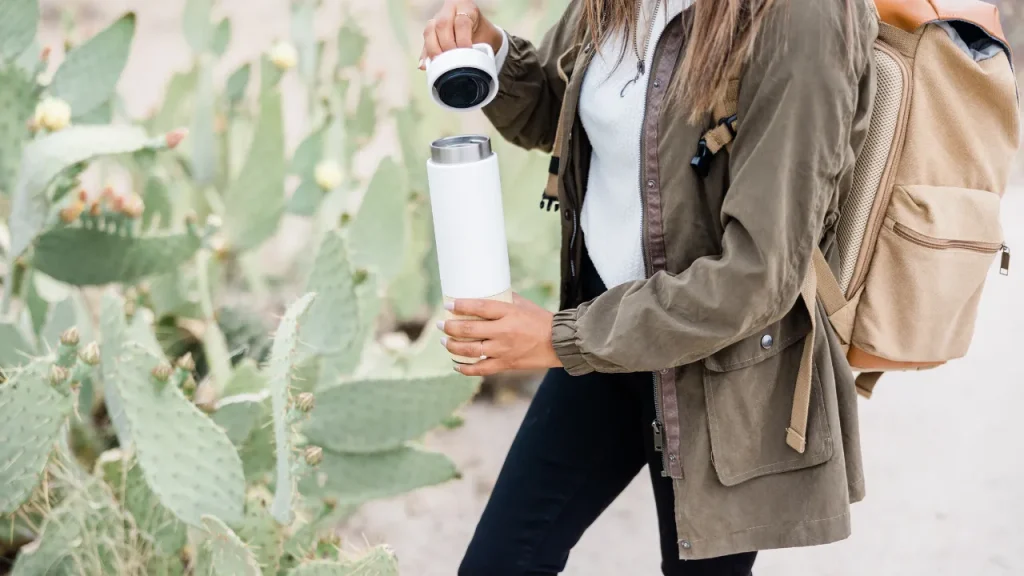
Maintaining hydration is essential for avoiding dehydration and sustaining energy. It is usually recommended to bring around half a litre of water for every hour of moderate exertion, so make sure you have plenty for the entire trip. Consider using UV purifiers, purification pills, or filters to purify the water when going on longer hikes. You can use natural sources of water safely with the help of this equipment. Hydration bladders are helpful for quick access to water on the go. When the water supply is unpredictable, always have a fallback plan for purification and water sources.
2. Food
Maintaining energy levels when mountaineering requires proper energy. Carry high-energy snacks like energy bars, dried fruit, and trail mix for on-the-go energy boosts. Bring easy-to-pack meals for expanded trips, including jerky, sandwiches, or dehydrated dinners. To maintain energy, strive for a balance between proteins, lipids, and carbohydrates. When organizing your meal, consider the length and difficulty of your trip. Bring extra food in case there are any delays or crises. Foods that don’t need much preparation and are portable should be packed.
3. Hydration Systems
There are various advantages to using hydration devices, such as bottles and bladders. Staying hydrated is made easier with the help of hydration bladders, which let you drink continuously. Bottles may be swiftly refilled and are multipurpose. Select a system based on your tastes and style of hiking. Bottles are more straightforward to clean and refill than bladders, which frequently have handy hose attachments. For flexibility, think about carrying both. Make sure the hydration system fits appropriately within your backpack and is sturdy.
Personal Items
1. Sun Protection
Protecting yourself from the sun is essential to prevent sunburn and reduce the risk of skin cancer. Apply sunscreen with at least SPF 30, and reapply throughout the day, especially after sweating or swimming. Wear sunglasses with UV protection to safeguard your eyes. A wide-brimmed hat can provide additional shade for your face and neck. Choose lightweight, breathable clothing with UPF protection for extra defence against the sun. Sun protection is crucial even on cloudy days, as UV rays can penetrate the clouds.
2. Insect Repellent
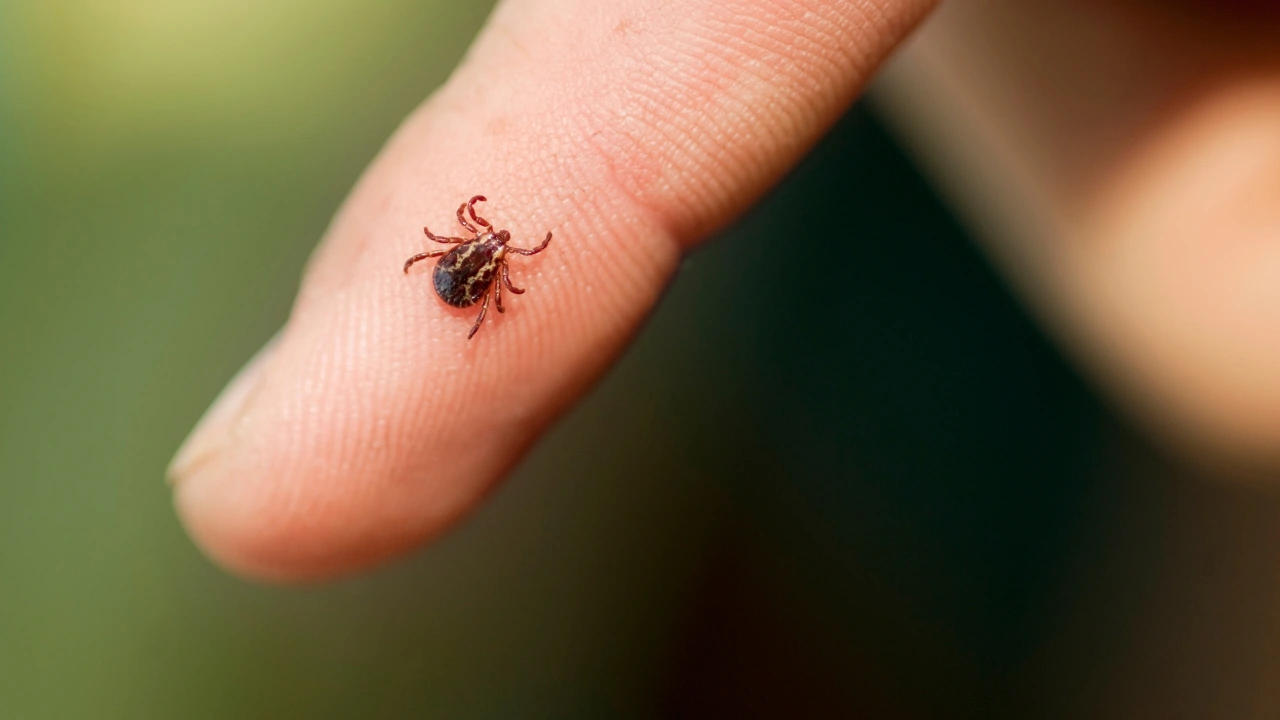
To prevent bites and potential diseases brought by insects, it is essential to use insect repellent. Although repellents containing DEET are pretty efficient, natural options such as picaridin and oil of lemon eucalyptus also work well. Administer repellant according to the manufacturer’s directions on exposed skin and clothing. Consider donning long sleeves and pants to reduce the amount of exposed flesh. A head net can offer extra protection in locations where there are a lot of insects around. Check frequently for insects and ticks, particularly in grassy or forested areas. a
3. Personal Identification
Always carry personal identification and emergency contact information, such as a driver’s license or ID card. This information is crucial for first responders in case of an accident or emergency. Include any pertinent medical information, such as allergies or medical conditions. Keep your ID and contact information in a waterproof container or ziplock bag to protect it from moisture. Consider wearing a medical alert bracelet if you have specific health conditions.
4. Cash/Credit Card
Carrying a small amount of cash and a credit card can be helpful in unexpected expenses, such as park fees, emergency supplies, or transportation. While many areas accept cards, some remote locations may only take cash. Store your money and card in a secure, waterproof pocket or pouch. Financial resources provide peace of mind and flexibility in various situations.
Optional but Useful Items for easy hike
1. Trekking Poles
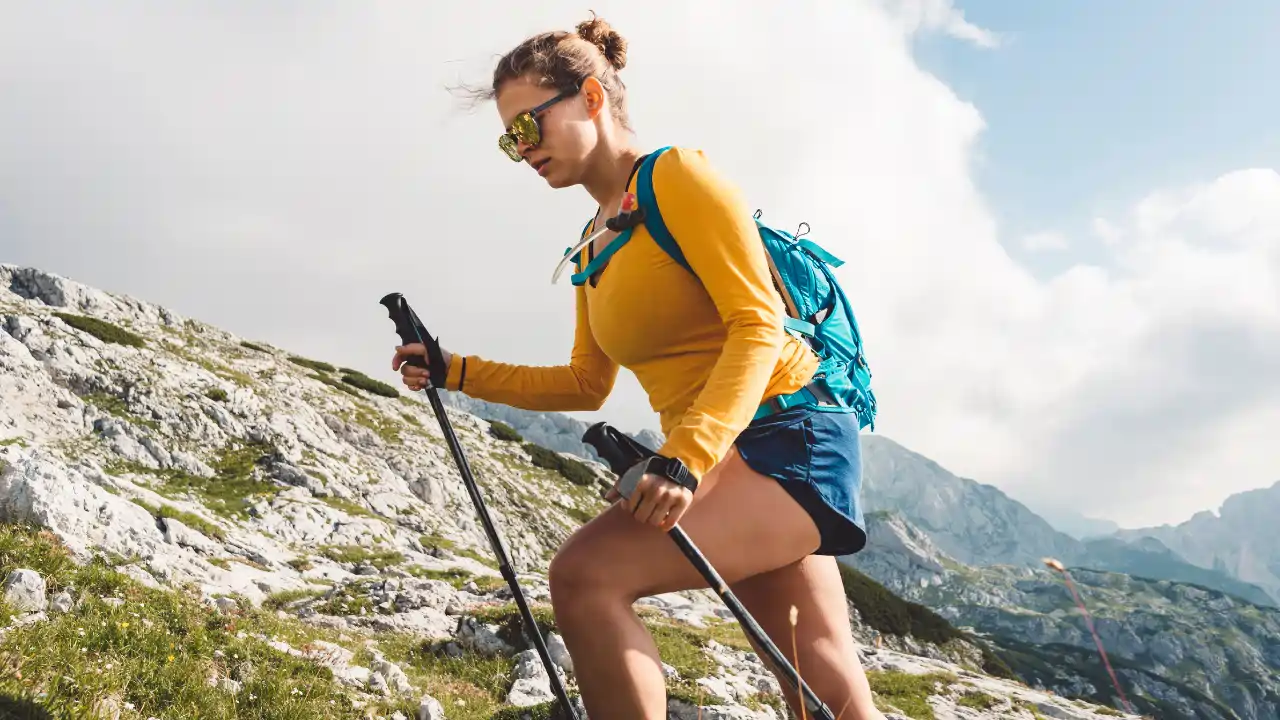
Trekking poles can enhance stability and reduce strain on your knees and legs, especially on uneven terrain or during long hikes. Adjustable poles are versatile, allowing you to change the length based on the terrain. They can also help with balance and support when crossing streams or navigating steep descents. Choose lightweight, durable poles with comfortable grips. Trekking poles can improve your hiking efficiency and reduce the risk of injury.
2. Camera/Smartphone:
Hiking offers the gratifying experience of capturing the beauty of nature. Carry a camera or a smartphone to document your adventures with pictures. In addition to having excellent camera quality, modern cell phones may also be used as navigation devices. Ensure your gadget is ultimately charged, and think about packing a portable charger. Use a waterproof cover or bag to safeguard your phone or camera. By journaling your hike, you can share your experience with others and make lasting recollections.
3. Notebook and Pen:
A notepad and pen can be handy for recording observations, trail conditions, or introspective thoughts. They can also be useful for making maps or leaving messages for people in an emergency. Select a waterproof pen and a compact, lightweight notebook. Composing a hiking report might improve your experience and offer useful insights for future adventures.
Packing Tips for flawless hiking
1. Packing List
Creating a customized packing list ensures you remember all the essentials. Tailor the list to your hike’s duration, terrain, and weather conditions. Prioritize items based on their importance and pack weight. A checklist can help you stay organized and ensure you have everything you need. Review and update your list regularly based on your experiences and changing needs.
2. Packing Techniques
A well-prepared backpack can enhance the comfort and enjoyment of your journey. As you equally distribute your weight, put heavier items at your back and the bottom. To arrange more minor things:
- Use fill packs or packing cubes.
- Keep things you use often close at hand, such as water, food, and a map.
- Make sure your backpack is well-balanced to avoid pain and strain.
To choose the most comfortable configuration, work through the packing and unpacking your backpack.
Conclusion on What to Bring on a Hike
Having a safe and enjoyable hiking experience depends on being well-prepared. Knowing what to pack on a trek will help you be prepared for anything that may come up. Everything you need is included in this extensive guide, from personal supplies and optional additions to safety equipment and necessary gear. Always be ready for the unexpected and tailor your packing list to the details of your hike. You can concentrate on the delights of trekking and the magnificent beauty of the natural world if you prepare correctly. Happy adventures!
Frequently Asked Questions (FAQs)
How much water should I bring on a hike?
It is recommended to bring about half a litre of water per hour of moderate activity. For longer hikes, consider using water purification methods to access natural water sources.
What type of footwear is best for hiking?
The choice between hiking boots and trail runners depends on the terrain and hike duration. Hiking boots offer more support and protection, while trail runners are lighter and more flexible.
How can I protect myself from the sun while hiking?
Use sunscreen with at least SPF 30, wear sunglasses with UV protection, and consider clothing with UPF protection. A wide-brimmed hat can also provide additional shade.
What should be included in a first aid kit for hiking?
Essential items include bandages, antiseptic wipes, adhesive tape, tweezers, pain relievers, and personal medications. Customize your kit based on the hike’s duration and group size.
Why is it essential to carry a map and compass?
A map and compass are reliable navigation tools that don’t depend on batteries or signals. They are essential for navigating confidently, especially in remote areas.