Outdoor enthusiasts often opt for Blundstones as their go-to hiking footwear due to their renowned durability and comfort. While Blundstones have traditionally been associated with style and practicality in clothing choices, they have now gained popularity beyond city environments and are favored by those seeking more adventurous experiences. This article thoroughly examines the use of Blundstones for hiking, assessing how well their features align with the requirements of various hiking environments.
In This Post
Key Features of Blundstones for Hiking
Durability and Build Quality:
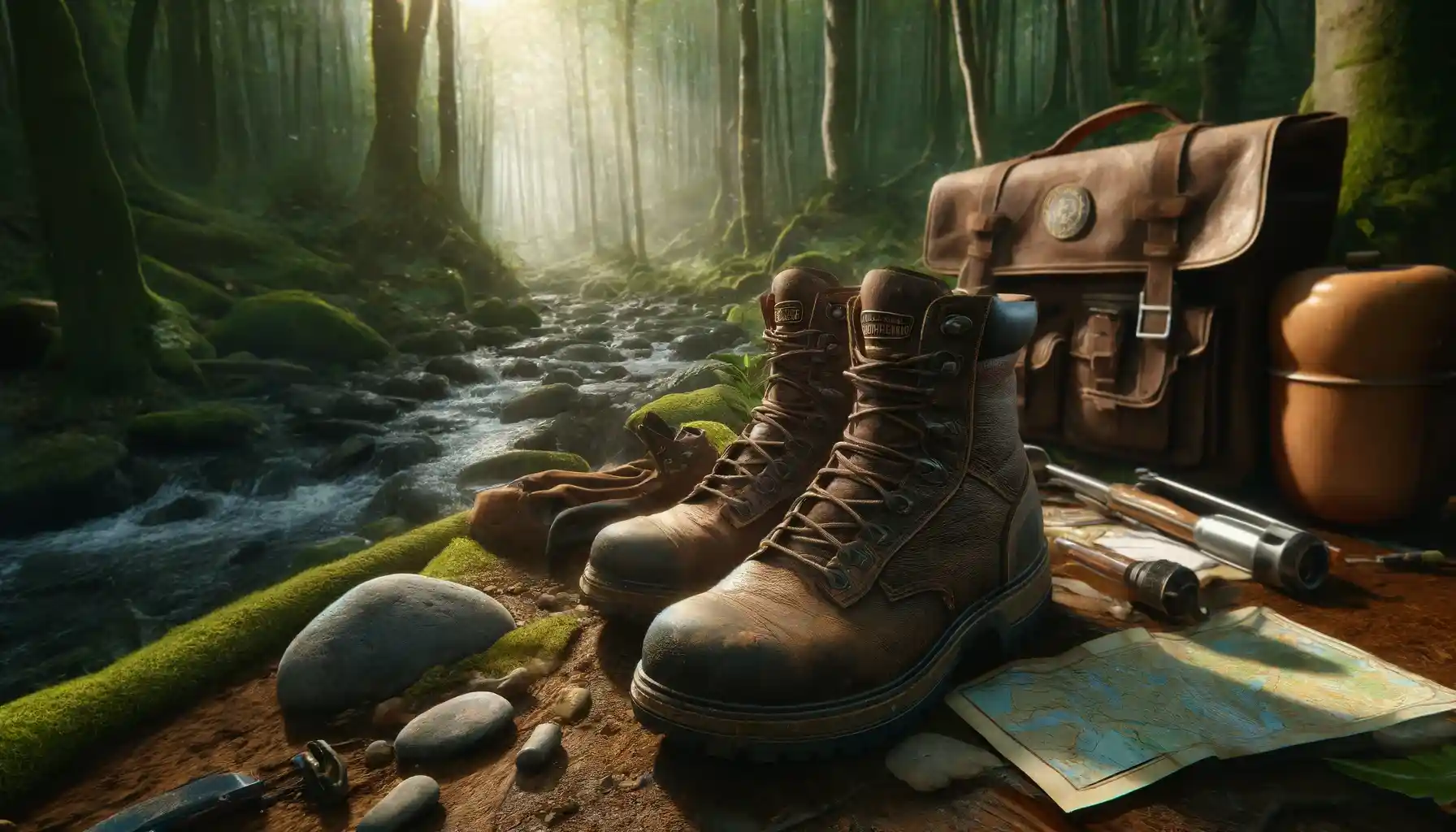
When it comes to hiking boots, Blundstones stand out because of their exceptional construction. Carefully crafted with high-quality leather, these boots withstand even the toughest terrains. The leather offers both durability and protection from water. Moreover, the reinforced stitching and durable construction make these boots capable of withstanding the demands of hiking trails.
Comfort and Fit:
The comfort of Blundstones is one of their distinguishing characteristics. With an ergonomically engineered to spring and an EVA footbed that absorbs shocks, these boots are ideal for long walks as they minimize fatigue. These hiking boots have a snug fit that is comfortable, reducing the likelihood of blisters that are common with many boots during long treks.
Sole and Traction:
Blundstones have a TPU outsole that provides excellent traction, making them perfect for hiking on slippery and uneven surfaces. Furthermore, the outsole is specifically engineered to withstand oil, acid, and fat, ensuring the boots remain durable against different outdoor elements.
Lightweight and Versatility:
In contrast to heavy traditional hiking boots, Blundstones are lightweight, making them ideal for reducing strain on your legs while hiking. Not only are they impressive, but their versatility is also quite noteworthy.
Water Resistance and Weather Suitability:
While Blundstones cannot be considered entirely waterproof, they offer sufficient water resistance to handle wet conditions that are light to moderate. When you go on hikes in areas where there may be shallow streams or wet grass, Blundstones are a reliable choice for ensuring sufficient protection. For heavy rain or crossing deeper bodies of water, it is recommended to wear a specialized waterproof hiking boot.
Blundstones vs. Traditional Hiking Boots
Weight and Flexibility:
When comparing traditional hiking boots to Blundstones, the latter are lighter and offer greater flexibility. Blundstones can be a more suitable choice for individuals who are considering less challenging and shorter hikes or those who are new to hiking and would rather not spend money right away on specialized hiking equipment.
Style and Utility:
Blundstones are renowned for their ability to effortlessly switch from outdoor adventures to casual urban settings, setting them apart from other footwear brands. Individuals who prioritize both efficiency and style frequently choose these products due to their dual functionality.
Protection and Support:
While traditional hiking boots excel in providing ankle support and thick soles for rugged terrains, it is worth mentioning that Blundstones are more than capable of offering adequate protection for light to moderate trails. The importance lies in assessing the terrain you plan to explore so that you can ensure your footwear is a perfect match for the hiking demands.
Conclusion on Are Blundstones Good for Hiking
To sum up, Blundstones can be considered as a practical choice for hiking, especially for individuals who prefer lighter or moderate hiking trails. Hikers who prioritize both style and the option to wear their boots in non-hiking situations will find them an excellent choice because of their durability, comfort, and versatility. For rugged terrains and tough conditions that require greater levels of protection and support, it may be more advisable to opt for traditional hiking boots.
Frequently Asked Questions (FAQs)
Can Blundstones be used for hiking?
Yes, Blundstones can be used for hiking. They are particularly suitable for light to moderate trails due to their durable construction and comfort. While they offer good water resistance and traction, they may not be the best choice for more technical or challenging hikes that require specialized footwear.
Are Blundstones waterproof enough for hiking in wet conditions?
Blundstones are water-resistant but not fully waterproof. They are capable of handling light to moderate wet conditions, such as damp trails or light rain. For hiking in more extreme wet conditions, such as heavy rain or deep water crossings, a fully waterproof hiking boot would be more appropriate.
What makes Blundstones comfortable for hiking?
Blundstones feature several design elements that enhance comfort for hiking, including a shock-absorbing footbed, ergonomic toe spring, and a cushioned midsole. These features help to reduce foot fatigue and provide support during long walks, making them a comfortable choice for hiking.
How durable are Blundstones for outdoor activities?
Blundstones are highly durable, crafted from premium leather with strong elastic sides and reinforced stitching. The thermo-polyurethane outsole is resistant to oil, acid, and microbial attack, making these boots robust enough for various outdoor activities, including hiking.
Do Blundstones provide sufficient traction for hiking?
Blundstones have a thermoplastic polyurethane (TPU) outsole that provides good traction on various surfaces. The outsole features multi-directional lugs that offer grip on slippery and uneven terrains. However, for hiking on more rugged or steep trails, boots with specialized soles designed for such conditions might offer better traction.