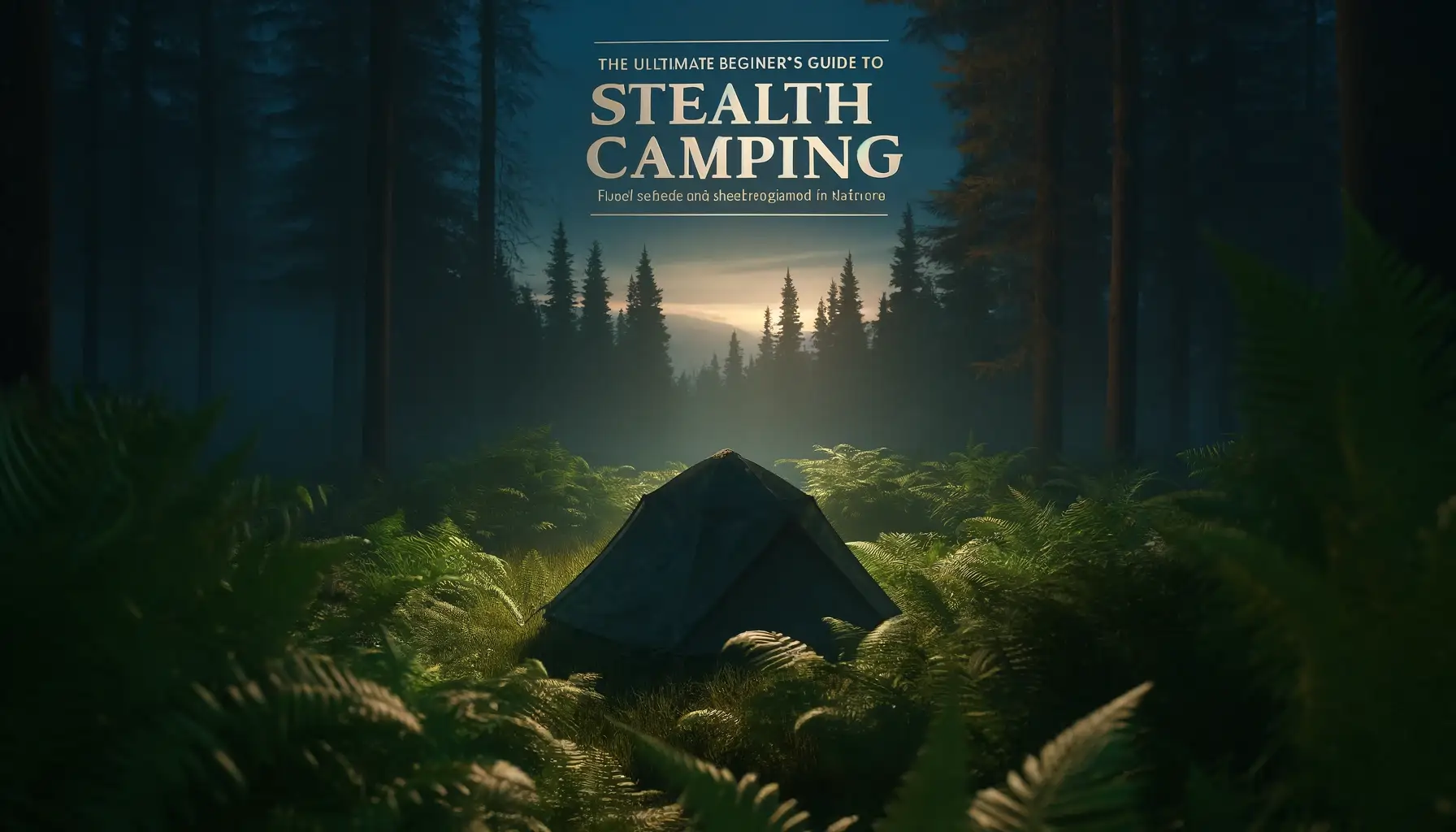
A stealth camping trip is an adventurous and budget-friendly way to keep in touch with nature while avoiding crowded campsites and high accommodation prices that come with traditional camping trips. Set up a campsite discreetly, usually away from designated camping areas, and blend in with the surroundings to remain unnoticed. Those seeking solitude and a deeper connection to the outdoors will enjoy this form of camping. Finding hidden spots and staying under the radar make stealth camping exciting and rewarding.
If you’re looking for new adventures or want to try something different, stealth camping offers excitement and tranquility. This guide aims to help you master the art of stealth camping by explaining the benefits, planning tips, gear, techniques, and best practices.
In This Post
Benefits of Stealth Camping
Stealth camping is one of the best ways to experience solitude, as it provides excellent privacy. Choosing to camp in a secluded location away from traditional campsites can allow you to enjoy the tranquility of nature without having to deal with the distractions of other campers. In this peaceful environment, you can make a deeper connection with the natural world, providing you with a perfect escape from the hustle and bustle of everyday life. A significant advantage of this method is that it is also very cost-effective.
The advantage of stealth camping is that it eliminates the need for expensive campsite fees, making it a very affordable means of traveling and exploring. As stealth campers typically adhere to leave-no-trace principles, it promotes sustainable living. The low-impact approach ensures the area’s natural beauty remains undisturbed for future adventurers.
Planning Your Stealth Camping Trip
For a successful stealth camping experience, choose the correct location. Consider privacy, safety, and accessibility when choosing a site. Natural cover, such as forests or hills, can help conceal your campsite. The legalities and ethics of stealth camping are also necessary.
Ensure you are familiar with your local laws and regulations to prevent legal issues, and camp responsibly by respecting private property and nature—plan for emergencies by packing a first aid kit and informing someone where you are. Choose your location carefully and prepare adequately for a safe and enjoyable stealth camping trip.
Essential Gear for Stealth Camping
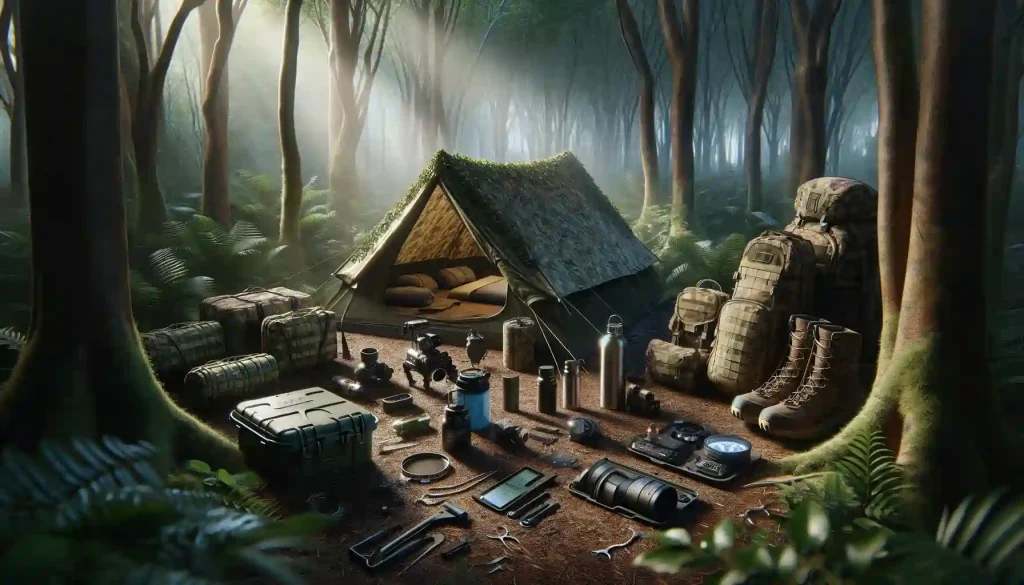
For a successful stealth camping trip, you need the right gear. Get lightweight and compact camping equipment, such as a small tent and a sleeping bag suitable for the climate. Items that help you blend into the environment, like camouflage materials and quiet cooking tools, make stealth gear more effective.
You can also enhance your experience with technology; GPS devices and mobile apps are invaluable for navigation, and solar chargers keep your devices powered. Gear tailored to stealth camping needs will make your trips more enjoyable and hassle-free. The right equipment can make all the difference in camping, from tents to gadgets.
Techniques for Effective Stealth Camping
It takes careful planning and subtle techniques to carry out practical stealth camping. Set up camp when you can arrive late and leave early to minimize the chances of finding out that you have arrived late. Ensure you have natural cover such as bushes or trees to conceal your campsite. Do not use bright lights or make loud noises at night.
You should choose low-profile methods that produce minimal smoke and odors to cook effectively. Be sure to pack all food and waste into and out of your home to leave no trace of your presence. It is possible to have a safe and discreet camping experience when using these techniques, allowing you to fully immerse yourself in nature without disturbing the environment or attracting unwanted attention by utilizing these techniques.
Stealth Camping Best Practices
Adhere to best practices for responsible and enjoyable stealth camping. Leave no trace principles emphasize the importance of leaving the campsite as you found it. Waste disposal and environmental protection are essential. Keep a safe distance from wildlife and don’t disrupt their behavior. Protecting natural habitats preserves the beauty and integrity of the area.
Additionally, always respect local communities and private property by camping on designated public lands. These best practices will help you camp ethically and sustainably. All trash, food, and litter should be removed from the premises. All posted regulations and signs should be respected. Keep the noise levels down whenever possible, and avoid making campfires during your stay.
Personal Stories and Experiences
Personal stories and experiences can provide valuable insights and inspiration to help you plan and prepare for your stealth camping adventures. Experienced stealth campers often have stories about unique locations, challenges they had to overcome, and lessons they learned. These stories usually highlight essential aspects of preparation, adaptability, and respect for nature.
Reading about other people’s experiences can provide good information and advice on planning your trip. Whether discovering a hidden gem or overcoming an unexpected obstacle, personal anecdotes are a great way to bring the world of stealth camping to life and provide a wealth of knowledge to beginners and experienced campers alike.
Gear Reviews and Recommendations
Gear selection can significantly enhance stealth camping. I have compiled a list of my top picks and recommendations for essential equipment you need. For tents, consider models like the MSR Hubba Hubba NX, which is known for its lightweight design and durability, and is known for its durability. A sleeping bag like the REI Co-op Magma 15 offers a combination of warmth and compactness, making it ideal for stealth camping.
The Jetboil Flash Cooking System is one of the most reliable and efficient appliances you can use to cook food. High-tech gadgets like the Garmin eTrex 32x GPS device and Anker PowerCore Solar 20000 power bank can make navigation and charging your devices more accessible. ALPS Mountaineering, which offers quality products at affordable prices, is an excellent place to start. Comfort and convenience are assured with the right gear.
Safety Tips and Precautions
Stealth camping requires utmost safety. Be aware of your surroundings and avoid areas with potential hazards, such as unstable terrain. Know basic first aid procedures in case of injuries. Pepper spray or a whistle can add an extra layer of security.
Stay hydrated, pack nutritious food, and dress appropriately for the weather. It is essential to prevent and treat camping ailments. If you prioritize safety, you can enjoy a worry-free stealth camping experience and be prepared for anything coming your way.
Interactive Resources and Tools
Use interactive resources to enhance your stealth camping adventures. A customized packing guide and checklist can help you prepare for your trip. Finding and exploring new stealth camping spots is more accessible with online maps.
Join online communities to connect with fellow stealth campers, share experiences, and gain insights. These platforms provide a wealth of information and support, making stealth camping easier. By leveraging these resources, stay informed and prepared and connect with the stealth camping community.
Conclusion
Stealth camping is a unique experience that offers an exceptional combination of adventure, tranquility, and affordability. By choosing secluded spots, following best practices, and using the right gear, you can enjoy a rewarding and sustainable camping experience. The joy of exploring the outdoors and connecting with nature is at the heart of stealth camping, whether you like the solitude of nature or the thrill of hidden adventures.
Sleet camping provides endless opportunities for exploration and connection with nature. As you embark on your stealth camping journey, armed with the knowledge and tips provided in this guide, we encourage you to take the plunge and go for it. Join the growing community of stealth campers dedicated to preserving the beauty and serenity of the natural world by sharing your experiences.
Frequently Asked Questions (FAQs)
Is stealth camping legal?
No, stealth camping is generally illegal. It involves camping in areas without permission, often on private or restricted public land. Laws vary by location, but it typically results in trespassing violations and fines. Always check local regulations before camping.
What do I do when wildlife appears?
Stay calm and avoid sudden movements. Make noise to scare off animals, and keep your distance. Secure food and trash to prevent attracting wildlife. Always be prepared with safety measures and know the local wildlife guidelines.
Is there an excellent place to stealth camp?
No, because stealth camping is often illegal and risky. However, if you must, choose secluded, out-of-sight spots away from private property and public paths. Always follow local regulations and prioritize safety and minimal impact on the environment.
What do you need for stealth camping?
You need minimal, lightweight gear: a compact tent, sleeping bag, camouflage clothing, and a small cooking kit. Choose items that are quiet and blend in with surroundings. Prioritize stealth, safety, and leave-no-trace principles.
What can I do to ensure I leave no trace?
Yes, follow these steps: pack out all trash, avoid disturbing natural habitats, use a portable stove instead of a campfire, and stick to established trails. Minimize your impact to preserve nature for future visitors.