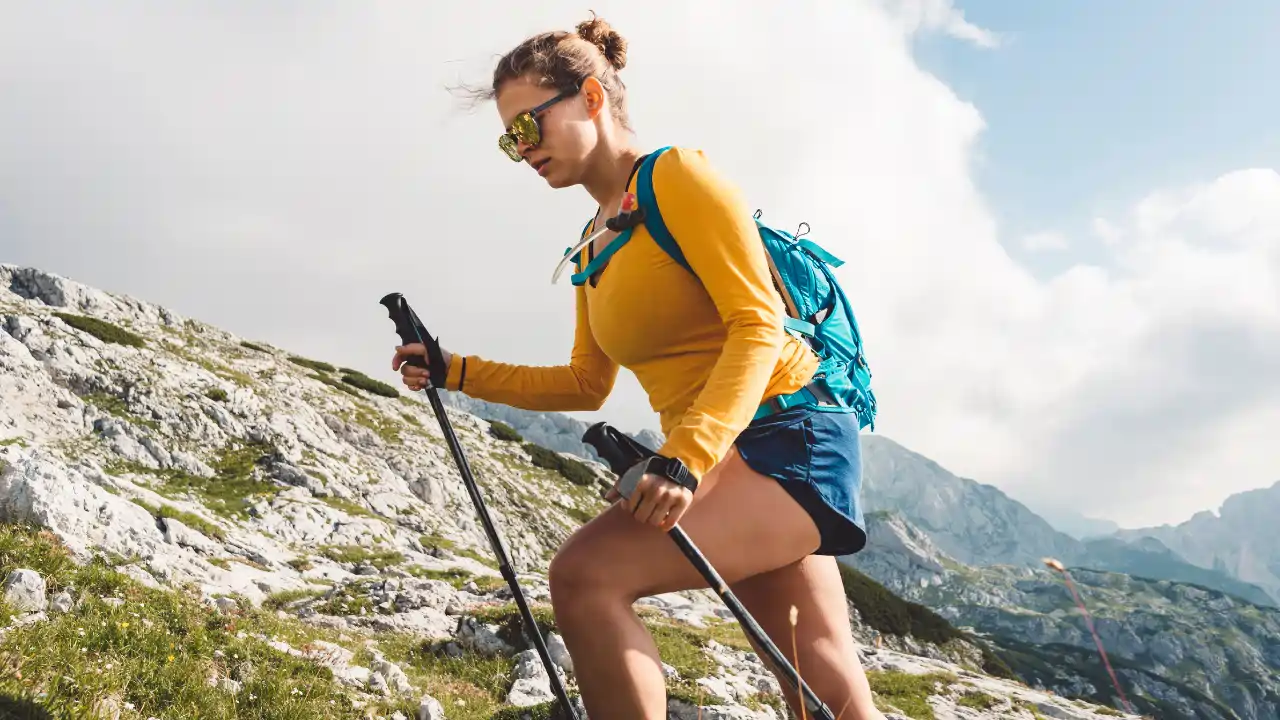

Backcountry camping, sometimes primitive or wild, focuses on minimalism and survival in natural settings. Unlike traditional Camping, primitive Camping lacks modern conveniences like flush toilets, running water, and easy access by car. Primitive Camping allows you to get the most out of your camping experience by reducing it down to the essentials. Campers who enjoy this form must sacrifice luxury and return to basics in secluded areas instead of luxury. A more profound connection with nature can be achieved by bringing all the necessary equipment and leaving no trace of one’s presence behind. Preparing adventurers for primitive Camping prepares them for a rewarding experience that tests their survival skills and enhances their awareness of the environment.
In This Post
The Essentials of Primitive Camping
Typically, primitive Camping involves Camping in a remote area without built-in facilities to enjoy nature at its best. You have no access to toilets, showers, or picnic tables in the wilderness, so the only thing available is the wilderness. There must be an entirely self-sufficient camper, bringing in everything they need and carrying out all the waste. Among the significant characteristics that differentiate primitive Camping from developed campgrounds are the sense of solitude, the deeper immersion into nature, and the lack of amenities often found at developed campgrounds. There is an essential distinction between primitive and urban Camping, and understanding them helps to clarify what to expect and how to prepare. For potential primitive campers, knowing what gear to pack, including tents, water purification systems, and appropriate food storage containers to keep wildlife away, is essential.
Preparing for Your Primitive Camping Trip
The preparation and planning that goes into preparing for a primitive camping trip require a great deal of attention to detail. It would help if you started by choosing the right equipment. This isn’t the place to bring bulky, unnecessary items that won’t be useful. A lightweight tent, a sleeping bag suitable for the temperature, a reliable water filter, and a portable stove are all essentials for Camping. By researching several primitive camping sites in your area and understanding the region’s specific regulations and weather conditions, you can choose your location wisely. For your safety, you should obtain any permits that may be required and inform someone of your itinerary as soon as possible. It is recommended to practice setting up your primitive camping gear at home before you go out in the field to ensure everything works properly and you can use it efficiently.
Skills Needed for Primitive Camping
It is essential to have survival skills to succeed at primitive Camping. The skills required to live in the wild include:
- Being able to build a shelter out of natural materials if needed.
- Making a fire without matches (using a fire starter or flint).
- Finding and purifying water from natural sources.
Navigating is also essential since GPS devices can malfunction at any time. Learning to use a map and compass can save your life if you get lost. For safety purposes, it is also essential to understand basic first aid and how to respond during an encounter with wildlife. It is important to note that these skills aid in survival and enrich the camping experience, allowing the camper to feel a great sense of accomplishment.
Choosing the Right Spot
A primitive camping experience can be made or broken by your chosen location. An excellent place to camp is usually away from popular trails and offers a variety of natural resources such as water and shelter from the elements. There is a need to consider the potential impact your presence might have on the environment. You must adhere to Leave No Trace principles, choose sites with durable surfaces, avoid locations where impacts are just beginning to appear, and ensure you camp at least 200 feet away from water bodies to protect riparian areas. Moreover, you should also assess the site’s safety regarding wildlife and potential hazards such as falling trees or flash flooding, if any.
Setting Up Camp
The next step after finding a suitable spot to set up camp is to ensure it is done efficiently. Start by clearing the ground of debris so that your tent can rest on a flat surface. If you are in a group, you should arrange the site so that tents are clustered to minimize the impact on the environment. Ensure you set up a cooking area downwind of your sleeping area to keep food odors away from where you will be sleeping. It is crucial to manage food properly during primitive Camping to avoid attracting wildlife; when necessary, use bear-proof containers to prevent food from being eaten by animals. Ensure you have a waste disposal plan that follows Leave No Trace guidelines, and ensure that all trash and leftovers are disposed of following these guidelines.
Safety and Emergency Preparedness
In primitive Camping, safety is of the utmost importance. Ensure you have a first aid kit, a communication method like a satellite phone or a personal locator beacon, and an understanding of the signs of common illnesses and injuries before entering the wilderness. If an emergency occurs, you should have a plan for getting to safety if necessary. There are many kinds of weather, so it is essential to be prepared for all conditions with appropriate clothing and shelter in case the weather changes suddenly. Please become familiar with the potential hazards specific to your camping site, such as poisonous plants, dangerous animals, or unstable terrain, to avoid them.
Benefits of Primitive Camping
Primitive Camping offers a wide range of benefits. The physical challenges of hiking and carrying supplies will challenge your body and provide a great workout. It allows for a better connection to nature and provides a respite from the fast pace of modern life, allowing for a deeper reflection and an escape from the hectic pace of contemporary life. This is also an opportunity for you to develop new skills and to become more self-reliant. On an emotional level, the quiet and solitude of the countryside contribute to a greater sense of well-being and a reduction of stress. A further benefit of primitive Camping is that it fosters a profound respect for nature, as campers are taught firsthand the importance of conserving the environment and behaving responsibly outside.
Challenges and Considerations
While primitive Camping can be an enriching experience, it can also come with several challenges. Due to the lack of facilities in the area, you will need to be well-prepared and self-sufficient to survive. Depending on the time of year, weather conditions can change dramatically, from intense heat to sudden cold snaps, and it is imperative to prepare for unpredictable changes in the weather. A lot of physical demands are associated with carrying all the supplies you need. There are, however, ways to manage these challenges by carefully planning and preparing for them as early as possible. It is also essential to keep in mind your impact on the environment; always strive to minimize your footprint and preserve the natural beauty of your surroundings for future generations to enjoy.
Resources for Primitive Campers
There are numerous resources available, whether you are new to primitive Camping or you are looking to deepen your knowledge of it. There are many books available for packing and preparing for backcountry adventures, including “The Ultimate Hiker’s Gear Guide” by Andrew Skurka. Many websites provide information on camp responsibly, such as Leave No Trace. Furthermore, you can connect with experienced campers willing to share their experience and advice by joining online forums and community groups. Many outdoor retailers in your local area often host workshops on outdoor skills, which are an excellent way for beginners to learn essential skills.
Conclusion on What is Primitive Camping
It is an enriching experience to go on a primitive camping trip because it offers a chance to escape from the ordinary and get back to nature’s basics. If you know what primitive Camping is and embrace its challenges and rewards, you will be able to have unforgettable adventures in the great outdoors if you know what primitive Camping is. Besides testing your survival skills, this type of camping gives you a deeper appreciation for the natural world, teaches you important lessons about sustainability and resilience, and increases your appreciation of its beauty. It also allows you to explore nature more intimately, as you must rely more on your skills and instincts. Primitive Camping can be a fantastic experience that will leave you with a sense of accomplishment and a stronger connection to nature.