Packing a hiking backpack correctly is essential for a successful hike. You can make a significant difference on the trail if you know how to distribute weight, organize Gear, and ensure easy access to essentials. An efficiently packed backpack not only enhances comfort but also prevents injuries.
In this guide, we will walk you through how to pack a hiking backpack, covering everything from choosing the right backpack to avoiding the common packing mistakes you want to avoid. You’ll be well-prepared for your next outdoor adventure if you follow these tips and strategies regarding outdoor safety.
In This Post
Understanding Different Types of Hiking Backpacks
Selecting a hiking backpack means understanding the different types available to you. Daypacks are suitable for short hikes since they hold up to 30 liters of water, snacks, and basic hiking gear. Single-night backpacks range in size from 30 to 50 liters. They are ideal for single-night excursions since they accommodate sleeping bags and cooking gear. If you need extra Gear, packs with at least 50 liters should be carried on multi-day hikes. You must align your hiking plan with your backpack. The right backpack depends on understanding these distinctions.
Features to Look for in a Hiking Backpack
Choosing the right hiking backpack features can greatly enhance your hike. Ensure the bag has enough capacity, typically measured in liters. Frames provide structure and support, with internal frames more common in modern packs. A ventilated back panel and padded shoulder straps enhance comfort during long hikes. Multiple compartments, pockets, and zippers facilitate organized packing and easy access to essentials. Weight and durability are also important; lightweight materials can withstand rough terrain and weather conditions, ensuring your backpack lasts for years.
Essential Gear and Supplies
1. Shelter and Sleeping Gear
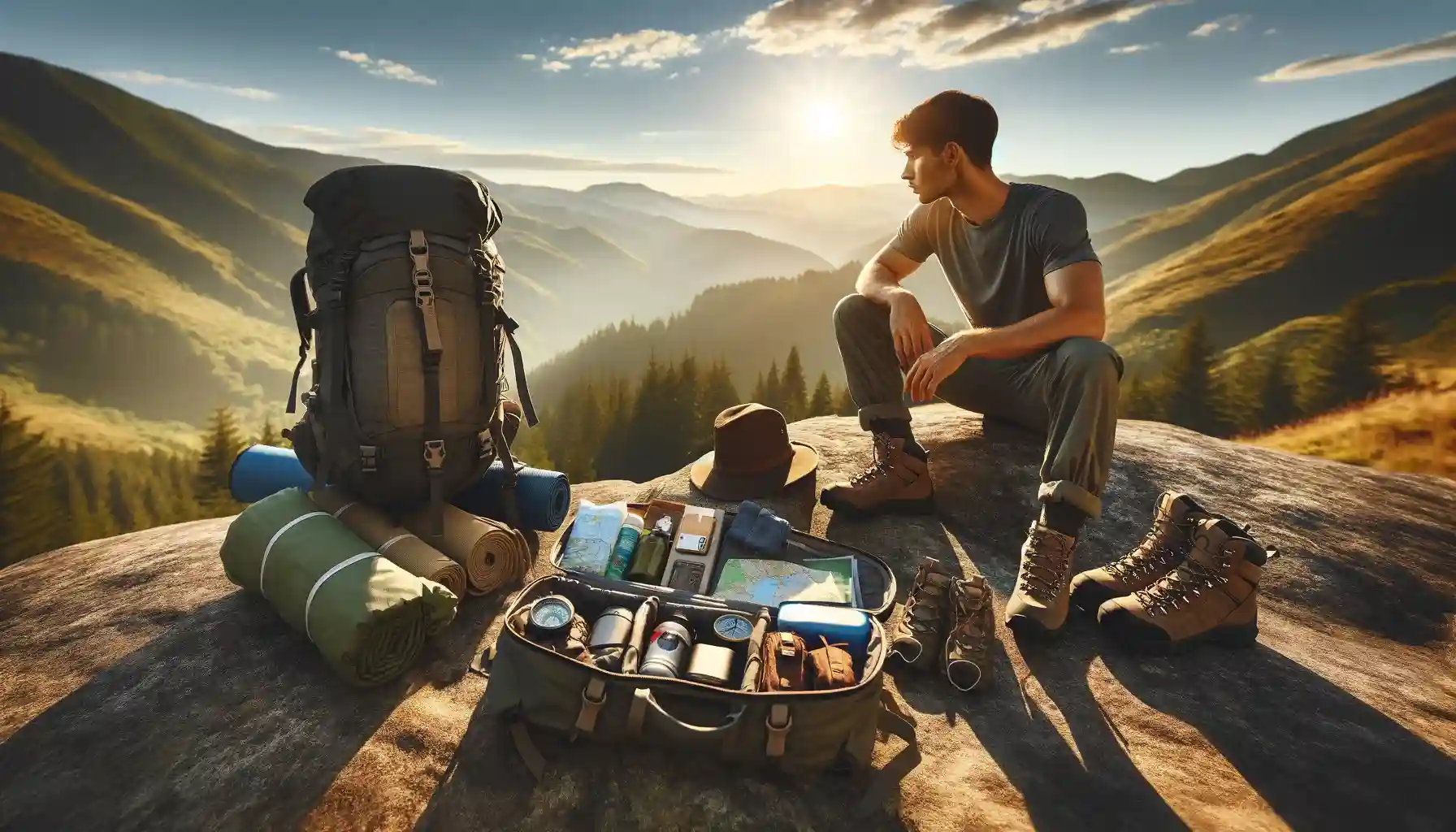
A comfortable night’s rest in the wilderness requires shelter and sleeping gear. Lightweight, durable tents or bivy sacks provide shelter. Pair this with a sleeping bag rated for the weather to ensure comfort and insulation. Pack these items compactly and place them in your backpack for a balanced weight distribution. This setup provides a good night’s sleep and conserves energy for the next day’s hike. To maximize the space in your backpack, you should pack these essentials efficiently to minimize bulk and maximize space.
2. Cooking and Food Supplies
Energy levels must be maintained during hikes with efficient cooking and food supplies. Cooking hot meals requires a lightweight stove, appropriate fuel, and compact cookware. Dehydrated meals, nuts, and energy bars are easy-to-cook, high-energy foods. Pack these items in waterproof containers to prevent them from spoiling, and make sure they are easy to access at meal times to use as needed. A mug, utensils, and a lightweight pot should all be included in your camping gear. You can keep yourself fueled and ready for the trail by properly organizing and packing your cooking supplies.
3. Clothing and Footwear
Clothing and footwear that are both comfortable and protect the body on the hiking trails are crucial for a good hike. Use a layering system to keep you warm:
- A moisture-wicking base layer.
- An insulating mid-layer.
- A weather-resistant outer layer. Packaging
An extra pair of socks and underwear is advisable to keep your feet warm and dry. Wear hiking boots or shoes appropriate for the terrain you will be hiking in. Keep a hat and gloves if you are exposed to the elements. Pack clothing that dries quickly and is versatile so you will stay comfortable. Place heavier clothing items closer to your back to maintain balance.
4. Navigation and Safety Gear
Navigation and safety gear are essential for hiking. Keeping track requires a map, compass, or GPS device. Bandages, antiseptics, and necessary medications are crucial to a first aid kit. Multi-tools or knives are useful for preparing food and cutting rope. Headlamps and flashlights with extra batteries ensure visibility in low light. Personal locator beacons (PLBs) and emergency whistles can also save lives. You will need these items to ensure your well-being and safety in the wilderness.
5. Hydration and Water Filtration
Every hiker knows that staying hydrated is one of the most important things to do. Be sure to bring enough water with you using water bottles or a hydration reservoir. If water sources are unreliable, you should include a water filter or water purification tablets to ensure that the water you drink from natural sources is safe. Maintaining energy and focus on strenuous trails requires water. Keep water containers easily accessible in your backpack. Pack electrolyte tablets to replenish lost minerals. Hydration management prevents dehydration and helps you maintain optimal performance. For health and safety, clean water is essential.
6. Miscellaneous Items
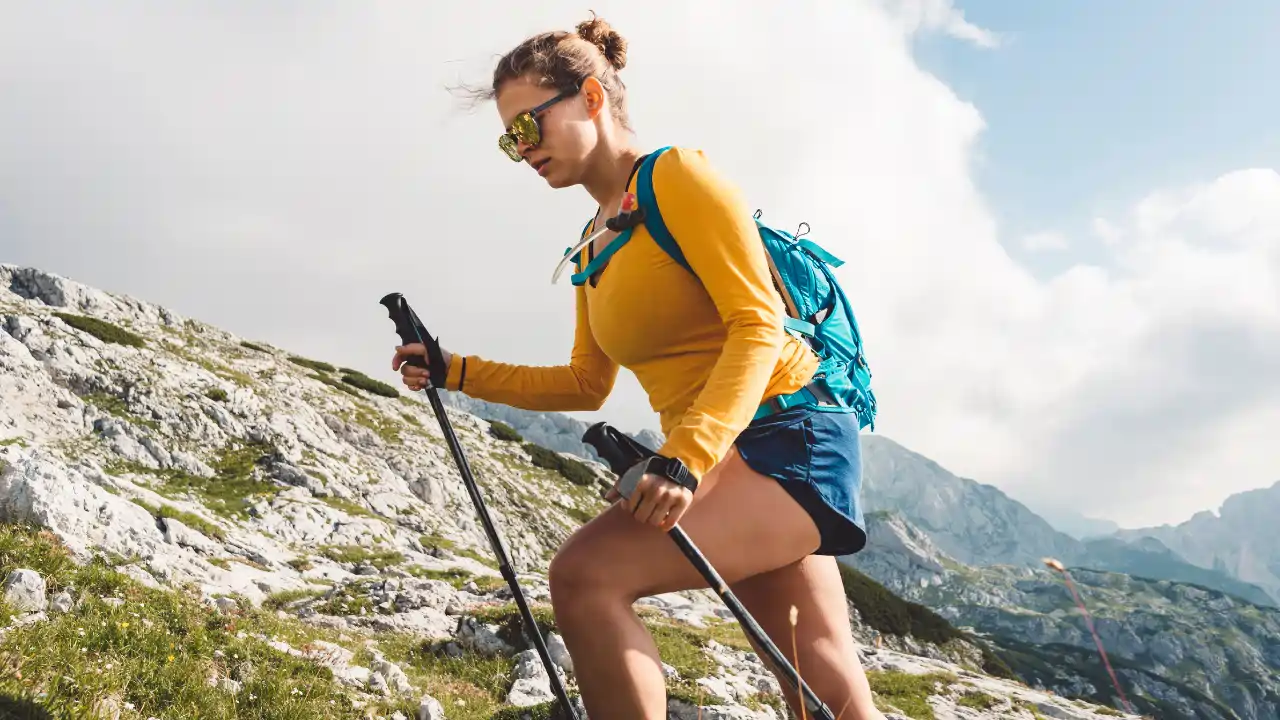
A few miscellaneous items can enhance your hiking experience. It reduces knee and leg strain when walking on uneven terrain with trekking poles. A small duct tape, needle, and thread repair kit is invaluable. Leave No Trace principles are adhered to when you carry trash bags. An insect repellent, bandana, and buff for sun protection are also helpful. Though small, these items can make hiking more enjoyable and hassle-free by improving comfort and safety.
Tips and Tricks for Efficient Packing
1. Minimalist Packing Tips
Embracing minimalist packing is one of the best ways of reducing the bulk and weight of your backpack. Start by assessing what you need versus what you want, and focus on only essential things. It is best to opt for equipment with multiple uses, such as a bandana that can be used as a head cover, towel, or sling. Ensure that your equipment is lightweight and compact, and avoid duplicating items if possible. Consider the specific needs of your hike and prioritize items that offer the most utility. Packing only the essentials makes hiking more enjoyable and less exhausting, enhancing flexibility and reducing fatigue.
2. Seasonal Considerations
Adapting your packing strategy based on the season is crucial. Avoid heat by wearing lightweight, breathable clothing. Gear for snow and ice, such as gaiters and crampons, should be carried in winter. Spring and fall hikes require versatile Gear to handle unpredictable weather. Your shelter and sleeping gear should also be rated for the weather; make sure they are. The best way to prepare for each hiking environment is to pack according to the season.
3. Packing for Different Hike Durations
It is important to adjust your packing strategy depending on the duration of the hike. A small daypack with a few essentials, such as water, snacks, and a first aid kit, will be sufficient for day hikes. Overnight hikes require sleeping bags, shelters, and cooking equipment. A multi-day hike requires more planning and packing, including extra food, clothing, and backup navigation tools. Remember the principles of adjustments, no matter the duration, to ensure you carry enough supplies without overloading. You can make your adventure safe and enjoyable by tailoring your packing list to the length of your hike.
Common Mistakes to Avoid
1. Over Packing and Under Packing
One of the most common mistakes hikers make is that they need to pay more attention to their Gear. When we overpack, we carry unnecessary weight, which can result in fatigue and strain, while when we underpack, we need to prepare for unexpected situations. To avoid these pitfalls, you should create a comprehensive packing list tailored to the duration of your hike and the hiking environment. To minimize weight, choose multifunctional Gear. Adapt your packing list as you hike. By balancing overpacking and underpacking, you can carry all essential items without excess weight, improving safety and comfort.
2. Ignoring Weight Distribution
During hiking, improper weight distribution can result in discomfort and injury if the weight is not distributed correctly. Most hikers need to correct the mistake of placing heavy items either on the top of the pack or far away from their back, causing an imbalance in their back. Pack heavy items close to your back and in the middle of your backpack. You maintain your center of gravity and stabilize the load, reducing back and shoulder strain. Lighter items and those required frequently should be accessible but not disrupted. To move efficiently on the trail, you need proper weight distribution.
3. Not Testing Your Pack
You need to test your backpack on a hike to avoid unpleasant surprises. Try hiking with your fully loaded backpack to identify weight distribution, comfort, or accessibility issues. You can adjust the fit of your backpack by aligning the straps and padding. Also, it allows you to see if any items need to be repositioned. Testing your pack beforehand minimizes the risk of discomfort or gear malfunctions during your hike. The proactive step enhances your readiness and confidence on the trail as a result of this proactive step.
Conclusion on How to Pack a Hiking Backpack
Hiking backpack packing efficiently enhances safety and enjoyment on the trail. You can ensure a comfortable and balanced load by understanding backpack types, selecting essential Gear, and employing strategic packing techniques. Overpacking and disregarding weight distribution are common mistakes hikers make. Practicing and refining your packing strategy prepares you for various hiking conditions. Well-packed backpacks prepare you to take on any outdoor challenge, confident in your preparedness.
Frequently Asked Questions (FAQs)
How do I choose the backpack of the right size for my hike?
You can choose the right backpack size by considering the hike length and your Gear. For day hikes, 20-30 liters is ideal. For multi-day trips, 50-70 liters works best. Ensure it fits well and distributes weight evenly for comfort.
What should I do if my backpack feels uncomfortable?
If your backpack feels uncomfortable, adjust the straps and redistribute the weight. Ensure the hip belt carries most of the load. Check for proper padding and balance. Make adjustments until it feels comfortable.
How can I keep my Gear dry during a hike?
You can keep your Gear dry during a hike. Use waterproof bags or pack covers for electronics and clothing. Opt for a waterproof backpack or line it with a waterproof liner. Avoid submerging your bag in water and keep it tightly sealed in rainy conditions.
What are some minimalist packing tips for hiking?
Minimalist packing tips for hiking include choosing lightweight Gear, multi-purpose items, and essentials only. Opt for compact items like a lightweight tent, sleeping bag, and stove. Use clothing layers for versatility and pack only what you need to reduce weight and bulk on the trail.
How do I maintain proper hydration on the trail?
Maintaining proper hydration on the trail is crucial. Carry a hydration bladder or water bottles. Drink regularly, even if you’re not thirsty. Monitor urine color; it should be pale yellow. Plan water sources ahead and treat water if necessary to avoid dehydration and maintain energy levels