Hiking is not just a form of exercise; it’s a pathway to connect with nature and explore the beauty of the outdoors. For beginners, understanding what to pack and how to prepare can significantly influence the quality and safety of your hiking experience. In this guide, we’ll explore the essential gear, clothing, and tips that every beginner hiker needs to know before hitting the trails. This isn’t just about avoiding discomfort; it’s about ensuring safety, maximizing enjoyment, and making your first hike a memorable adventure. By the end of this guide, you’ll be equipped with the knowledge to confidently embark on your hiking journey, understanding that preparation is key to enjoying the vast, unfolding landscapes that await you.
In This Post
Understanding the Basics of Hiking
What is hiking? Hiking involves walking in natural environments on marked paths or trails and is considered one of the most accessible forms of outdoor activity. It’s an excellent way to improve cardiovascular health, enhance mental well-being, and connect with nature. The beauty of hiking lies in its simplicity and the minimal equipment required, making it a universally accessible activity that offers profound rewards.
Benefits of hiking for beginners For beginners, hiking presents numerous benefits. It is an activity that can be scaled in difficulty, which means that no matter your fitness level, you can find trails that are both challenging and rewarding. Physically, hiking improves muscle tone, cardiovascular health, and endurance. Mentally, it reduces stress and anxiety through natural exposure, often referred to as ‘forest bathing’. The repetitive nature of walking also offers meditative benefits, helping to clear the mind and improve focus.
Core Hiking Gear
The Backpack – Choosing the Right Size and Fit Selecting the right backpack is crucial for a comfortable hiking experience. A good backpack distributes weight evenly, reducing strain on any one part of the body. For day hikes, a pack ranging from 20-30 liters is typically sufficient. It should have multiple compartments for easy organization and external straps for additional gear like a jacket or a sleeping mat. Fit is equally important; make sure the backpack sits comfortably on your shoulders with most of the weight resting on your hips, which should be supported by a padded belt.
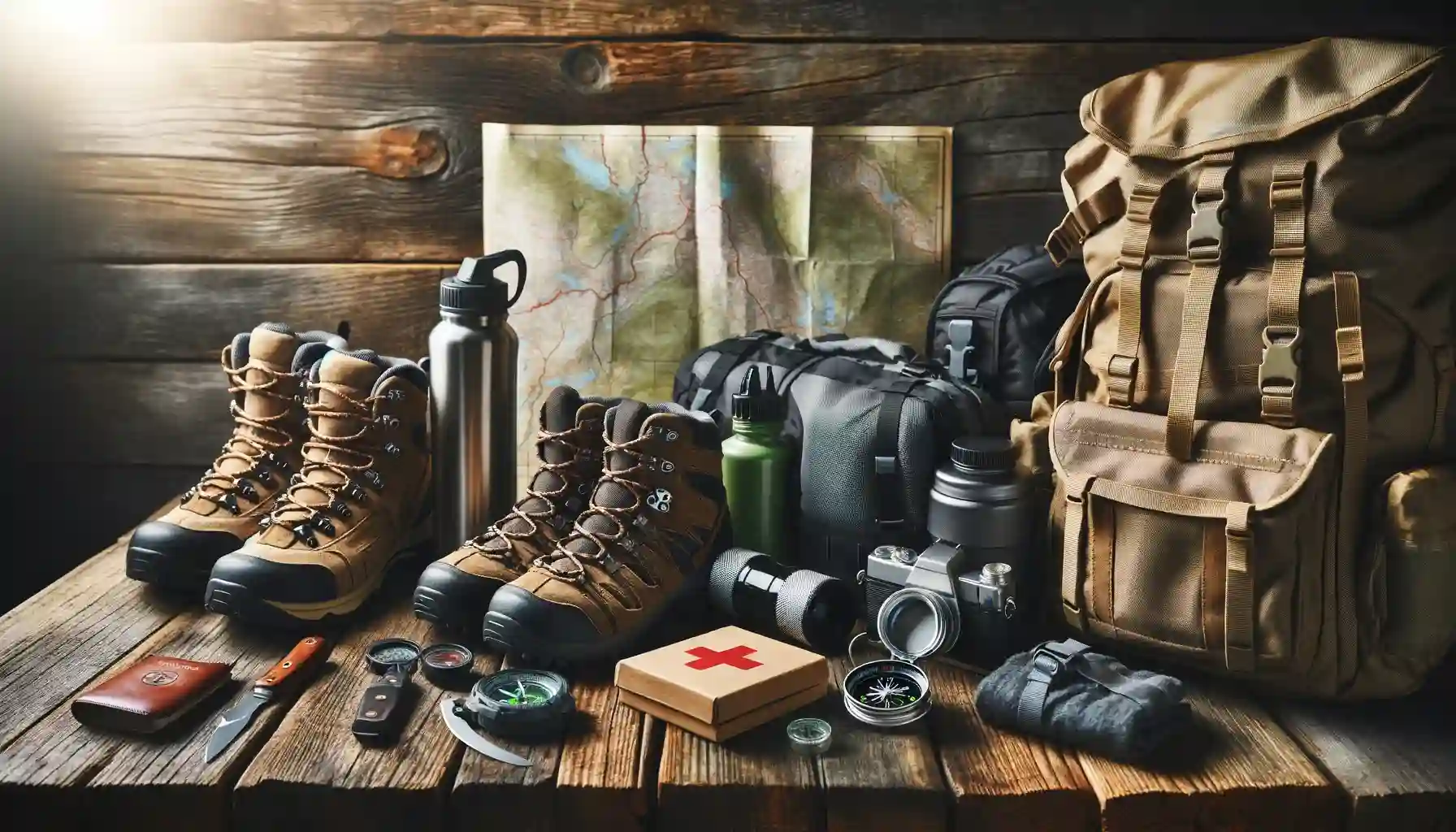
Footwear – Selecting Durable and Comfortable Hiking Boots Footwear is arguably the most critical piece of equipment for a hiker. The right pair of boots or shoes can prevent injuries and blisters and provide necessary support and traction on different terrains. For most beginners, a pair of waterproof, breathable, and ankle-supporting hiking boots will be ideal. They should fit well with thick socks, providing enough room to wiggle your toes but tight enough to prevent sliding. Break them in by wearing them on shorter walks before your main hike to avoid discomfort.
Clothing for Hiking
Layering for Different Weathers The key to staying comfortable while hiking is layering. Start with a base layer that wicks sweat away from your body. Add an insulating layer, like a fleece or lightweight down jacket, which you can remove if you heat up. Top this with a waterproof and windproof layer. This system allows you to adapt to changing weather conditions and maintain a comfortable body temperature.
Importance of Moisture-Wicking Fabrics Moisture-wicking fabrics are essential for any layer that touches your skin (like your base layer). These materials keep you dry by moving sweat to the fabric’s outer surface where it can evaporate. This helps regulate your body temperature, prevent chafing, and keep you comfortable throughout your hike.
Navigational Tools
Maps and Compass – The Essentials While many trails are well-marked, having a map and compass as navigational tools is essential for safety. A map will not only help you stay on the right path but also help you identify landmarks and link to your surroundings. A compass, although it seems old-fashioned, is invaluable if you lose your trail or if visibility is poor. Knowing how to use them in tandem is a critical skill every hiker should develop.
Using a GPS – A Modern Aid A GPS device can enhance your navigation capabilities, especially on less-defined trails or if you plan to venture off-trail. Modern GPS devices can provide you with real-time location data, map overlays, and even weather updates. However, they should complement rather than replace traditional navigation skills.
Hydration and Nutrition
Water Bottles vs. Hydration Packs Staying hydrated is crucial while hiking. Water bottles are easy to refill and can be conveniently accessed from the side pockets of your backpack. Hydration packs, on the other hand, offer the convenience of hands-free drinking through a tube. This can encourage more frequent hydration, which is essential during long or strenuous hikes.
Essential Snacks and Meals for Energy For energy throughout the hike, pack nutrient-dense, high-calorie foods that don’t weigh much. Good options include nuts, dried fruits, jerky, and energy bars. If you’re on a longer hike, consider more substantial meals like sandwiches or even a pre-cooked meal that can be eaten cold.
Safety Gear
First Aid Kits – Preparing for Minor Injuries A well-stocked first aid kit is essential for addressing minor injuries on the trail. This should include bandages, antiseptic wipes, blister treatment supplies, and medications for common ailments like headaches and allergies. Adjust the contents of your kit based on the length of your hike and your medical needs.
Emergency Shelters and Whistles In case of an unexpected overnight stay or emergency, having an emergency shelter (like a lightweight bivy sack or emergency space blanket) and a whistle for signaling can be life-saving. These items are compact and lightweight, making them easy to carry without taking up much space or adding significant weight.
Additional Tools and Accessories
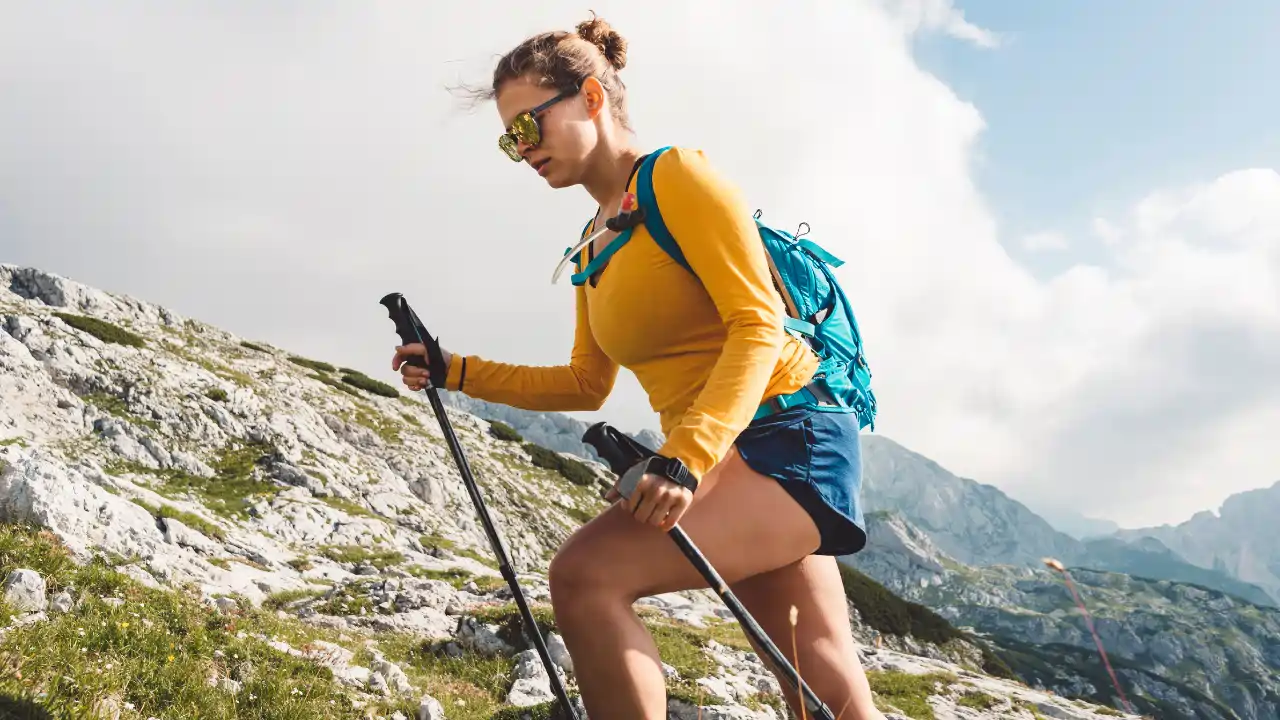
Trekking Poles – Are They Necessary? Trekking poles can reduce the impact on your knees and help maintain balance on uneven terrain. They are particularly useful on long descents or when navigating through rocky or slippery surfaces. For beginners, they can also provide an extra confidence boost by enhancing stability.
Headlamps and Flashlights – Lighting Your Path If your hike might extend into the evening, a headlamp or flashlight is essential. Not only do they help you find your way, but they also make you visible to others on the trail. Ensure your light source is reliable, and always pack extra batteries.
Weather Protection
Rain Gear and Sun Protection Appropriate clothing and gear to protect against the elements are crucial. A lightweight, waterproof rain jacket will keep you dry during unexpected downpours, while a brimmed hat and sunglasses will shield you from the sun. Applying sunscreen regularly, even on cloudy days, is also essential to protect your skin.
Understanding Weather Forecasts and Preparing Accordingly Before you head out, always check the weather forecast for your hiking area. Weather in the mountains can change rapidly, and being prepared for all conditions is vital. This includes knowing when to turn back to avoid dangerous weather situations.
Leave No Trace Principles
Respecting the environment is a fundamental aspect of hiking. Familiarize yourself with the Leave No Trace principles, which include guidelines for minimizing your impact on the environment. These include packing out all your trash, staying on trails to avoid damaging native flora, and being considerate of wildlife and other hikers.
Planning Your Hike
Choosing the Right Trail When planning your hike, choose a trail that fits your fitness level and experience. Research the trail beforehand to understand its length, elevation gain, and terrain type. This preparation will help ensure that your hike is enjoyable and safe.
Understanding Trail Difficulty Ratings Trail ratings vary from easy to difficult and are often marked on maps and trail guides. Understanding these ratings can help you choose an appropriate trail and prepare adequately for what lies ahead.
Common Mistakes to Avoid
One common mistake beginners make is overpacking. While it’s essential to be prepared, carrying too much can lead to fatigue and reduce your enjoyment of the hike. Another mistake is ignoring weather conditions and trail advice, which can lead to dangerous situations. Always prepare for the worst-case scenario and heed local advice and signs.
Tips for a Successful First Hike
Starting Small For your first few hikes, choose shorter, less challenging trails that will allow you to build your stamina and confidence. Gradually increase the difficulty as your skills improve.
Listening to Your Body Always listen to your body during a hike. If you feel tired, take a break. If you’re struggling, there’s no shame in turning back. It’s better to enjoy a series of successful short hikes than to push yourself too hard and have a negative experience.
Conclusion
Embarking on your hiking journey can be one of the most rewarding experiences. With the right preparation and mindset, you can explore stunning landscapes, improve your physical and mental health, and develop a deeper connection with nature. Remember, every hiker was once a beginner, and each step you take is a step towards becoming a more experienced adventurer.
FAQs
- What is the best time of year to start hiking?
- The best time of year to start hiking depends on your location and the climate. Generally, late spring through early fall provides the most favorable weather conditions for hiking. However, some regions offer great hiking opportunities year-round. Check local climate guides for the best times in your area.
- How do I find hiking trails near me?
- Finding hiking trails near you can be done through apps like AllTrails, which offers detailed information on trails around the world. Local hiking books, websites, and nature centers are also excellent resources.
- What should I do if I get lost?
- If you get lost, stay calm and stay put. Use your map and compass to attempt to reorient yourself. If that fails, use your whistle to signal for help, and stay in place to conserve energy and increase your chances of being found.
- How often should I take breaks?
- The frequency of breaks can depend on the terrain and your physical condition. A good rule of thumb is to take a short break every hour to rest, hydrate, and enjoy the surroundings. Listen to your body’s needs and adjust as necessary.
- Is hiking safe for all ages?
- Yes, hiking is an activity that can be enjoyed by people of all ages. However, the key is to choose trails that are appropriate for the fitness level and mobility of all participants. Always ensure that everyone is properly equipped and informed about the hike.