The first time I went camping with friends, I packed what I thought was everything. The tent? Check. Sleeping bag? Check. Snacks? Plenty. By sunset, though, I realized I had forgotten several little things that would have made the trip much easier. My flashlight batteries died, my phone was almost out of power, and I spent nearly twenty minutes looking for my cooking spoon because I had tossed it into a random bag.
That weekend taught me something important: camping isn’t only about buying expensive gear. The small tricks you learn over time often make the biggest difference. After many camping trips—some smooth, some full of funny mistakes—I started collecting simple hacks that save time, reduce stress, and make every outdoor adventure more enjoyable.
Quick Answer
Clever camping hacks include packing by activity, freezing water bottles instead of using ice, carrying a headlamp, organizing gear with packing cubes, preparing fire starters at home, downloading offline maps, and keeping a small repair kit. These simple tips make camping easier, safer, and more enjoyable.
If you’re planning your first camping trip or you’ve already spent a few nights under the stars, these camping hacks can make your next adventure a lot more comfortable.
In This Post
Pack by Activity, Not by Item
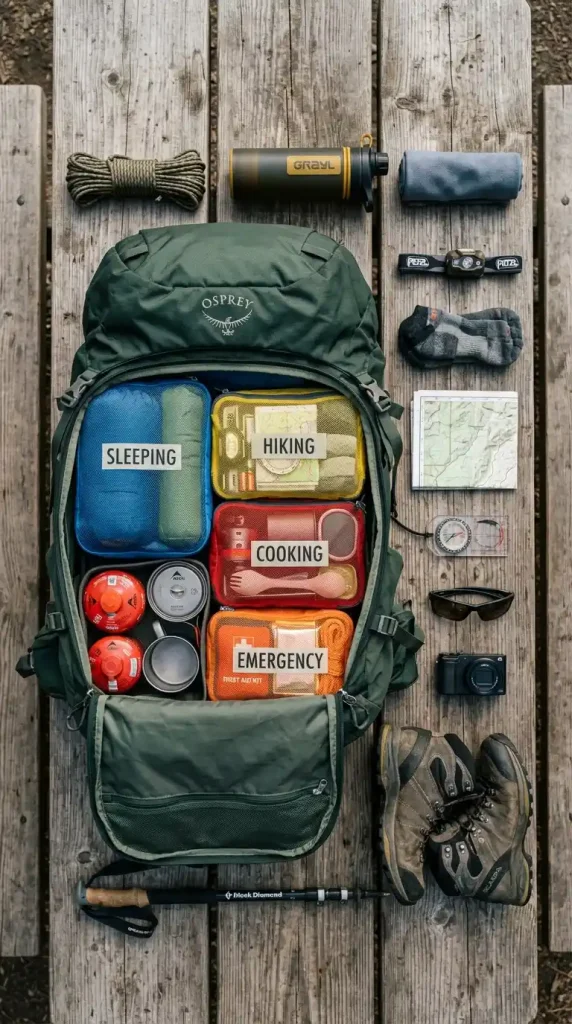
One mistake many beginners make is packing everything by category.
For example, all clothes go into one bag, all cooking supplies into another, and all tools somewhere else. It sounds organized until you actually need something.
Instead, pack according to activities.
Create separate bag
- Morning essentials
- Cooking
- Sleeping
- Hiking
- Emergency supplies
When breakfast time comes, you only need one bag instead of digging through your entire campsite.
Freeze Water Bottles Instead of Carrying Ice
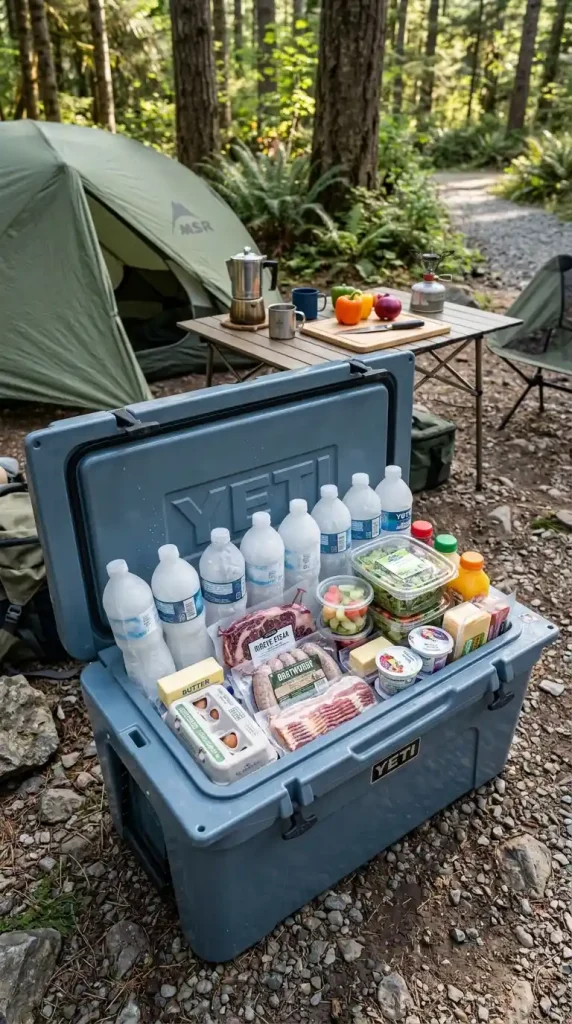
Ice melts quickly, especially during summer camping.
A better option is freezing large water bottles before leaving home.
They keep your cooler cold for hours while slowly turning into drinking water.
By the second day, you’ll have cold water without dealing with a cooler full of melted ice.
It’s one of those simple tricks I now use on every camping trip.
Keep a Headlamp Around Your Neck
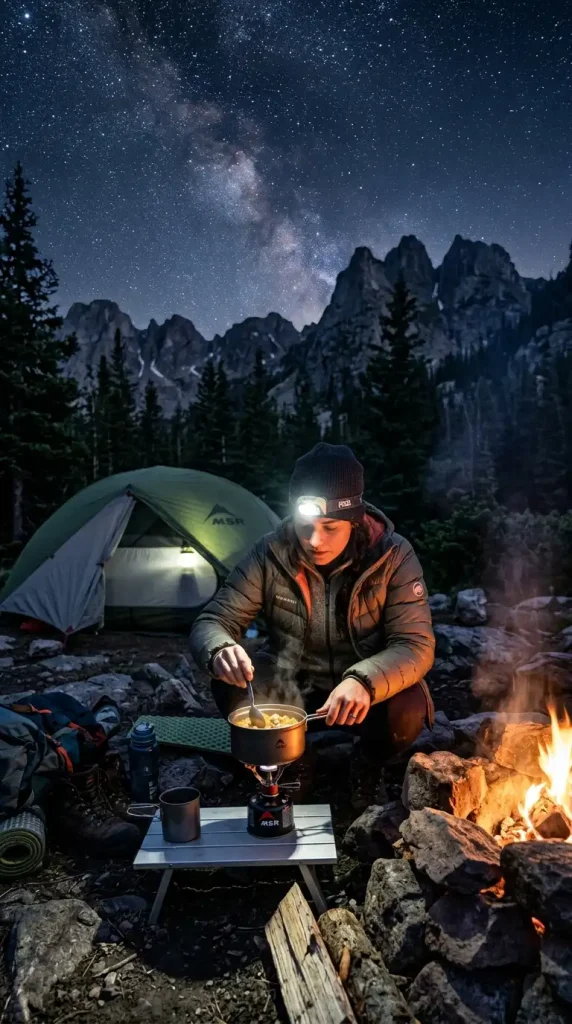
Many campers throw their flashlight into a backpack.
After sunset, finding it becomes another adventure.
A lightweight headlamp worn around your neck or kept inside your jacket pocket is much easier to access.
It also leaves both hands free while:
- Cooking
- Setting up a tent
- Finding gear
- Walking to the restroom at night
Store Toilet Paper in a Waterproof Bag
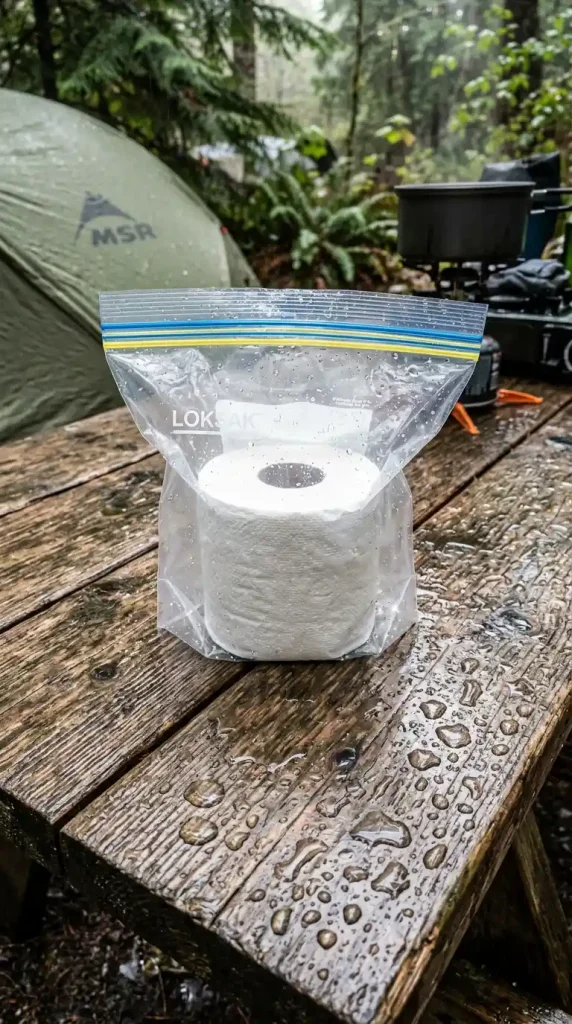
Even if rain isn’t in the forecast, morning dew and accidental spills happen.
A simple zip-top waterproof bag keeps toilet paper dry and clean.
It weighs almost nothing but can save you from a very uncomfortable situation.
Bring More Trash Bags Than You Think You’ll Need
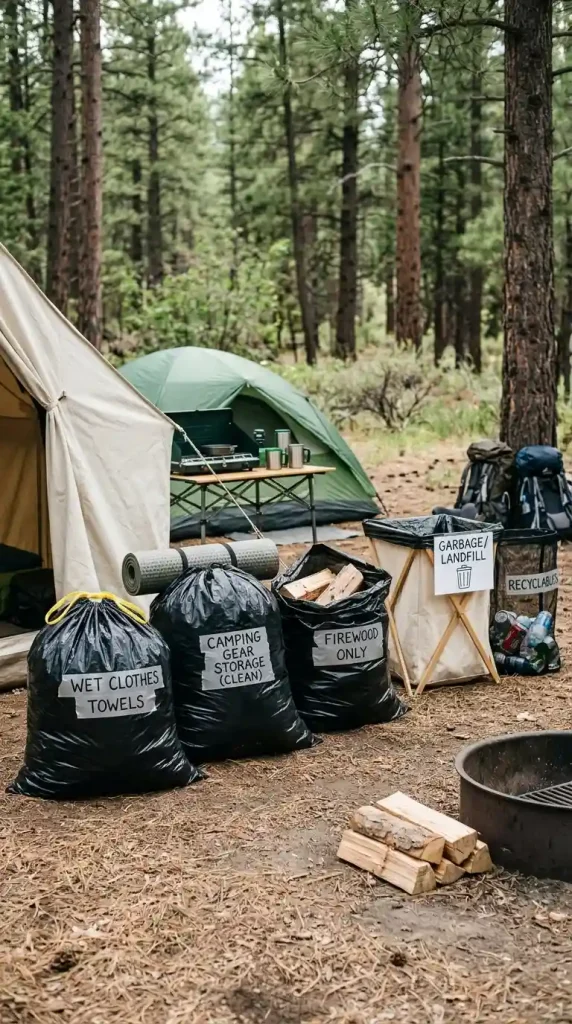
Trash bags are surprisingly useful.
Besides collecting garbage, they can be used for:
- Wet clothes
- Dirty shoes
- Emergency rain protection
- Ground cover
- Keeping firewood dry
I usually pack at least five extra bags, and they always end up getting used.
Use Pool Noodles to Protect Tent Stakes
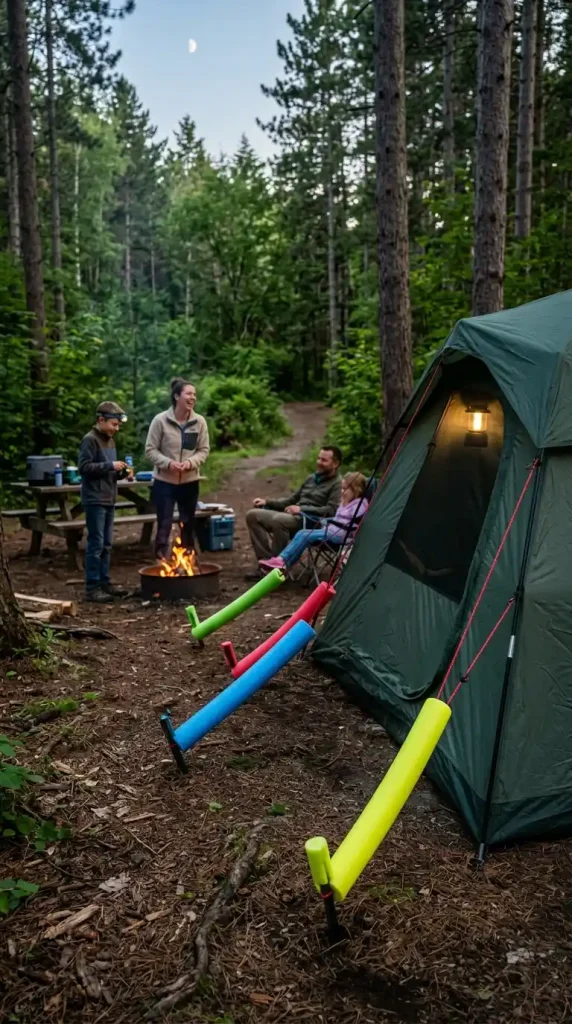
This sounds unusual, but it works.
Small pieces of pool noodles placed over exposed tent stakes make them easier to see.
They also help prevent painful trips around camp, especially at night.
If children are camping with you, this little hack is even more helpful.
Keep Clothes in Packing Cubes
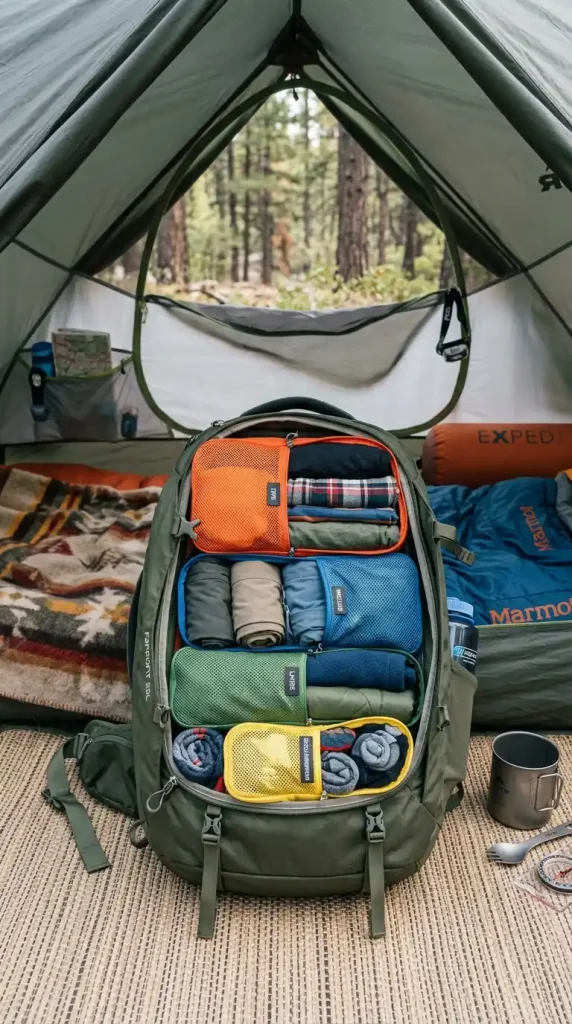
Instead of stuffing everything into one backpack, use packing cubes.
Separate them like this:
- Shirts
- Pants
- Socks
- Underwear
- Sleeping clothes
It saves time every morning and keeps your tent much cleaner.
Carry a Small Repair Kit
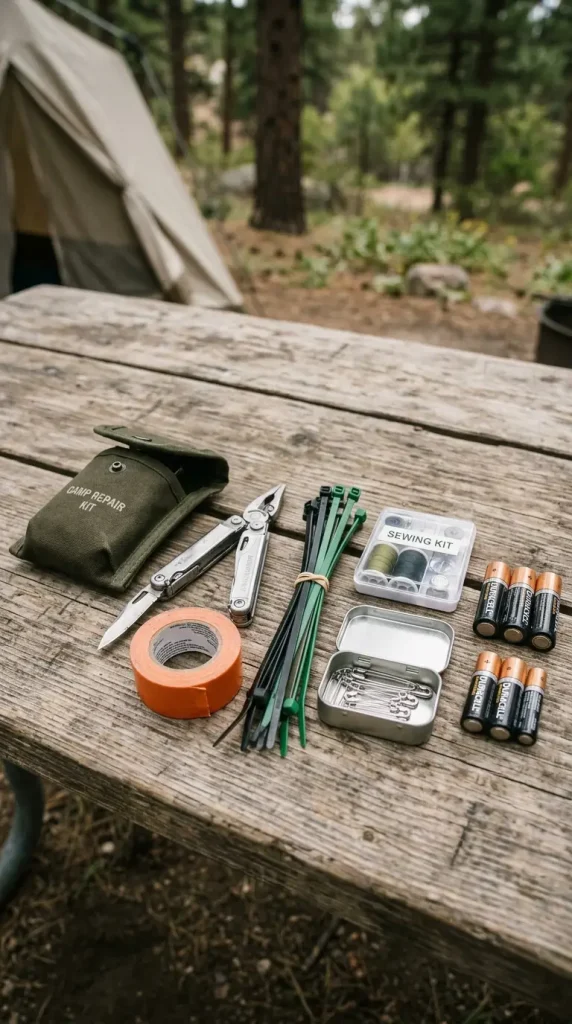
Something always seems to break when you’re miles away from a store.
My repair pouch usually contains:
- Duct tape
- Safety pins
- Zip ties
- Needle and thread
- Extra tent stakes
- Multi-tool
- Spare batteries
I’ve repaired backpacks, tents, broken chair legs, and even hiking boots using just these basic supplies.
Keep Your Shoes Inside the Tent Vestibule
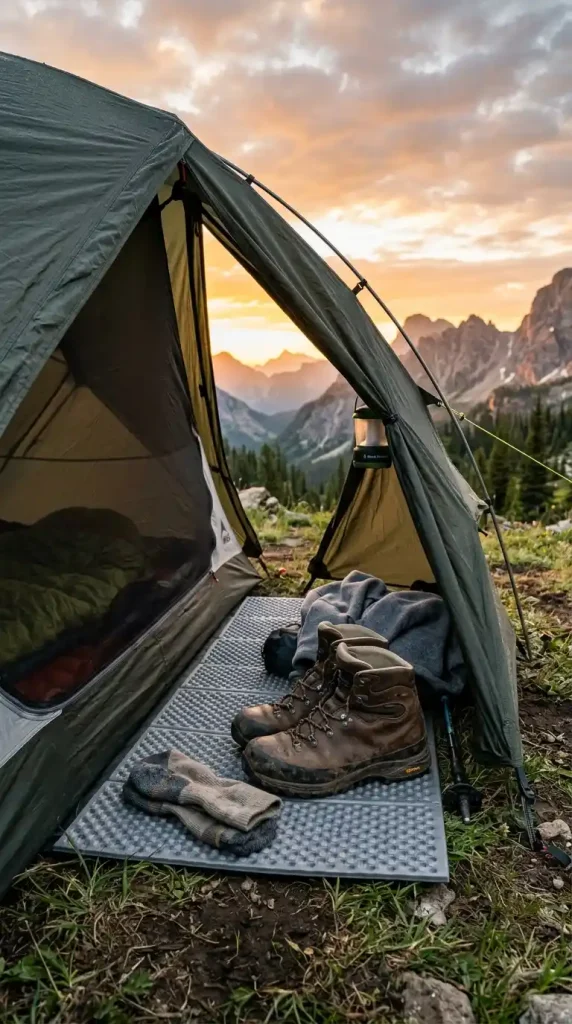
Leaving boots outside overnight may seem harmless.
Until you wake up to wet shoes covered in dew.
Or worse, insects crawling inside.
Keeping shoes under the tent vestibule or inside a plastic container keeps them dry and ready to wear.
Prepare Campfire Starters at Home
Lighting a campfire becomes much easier when you prepare ahead.
Simple homemade fire starters include
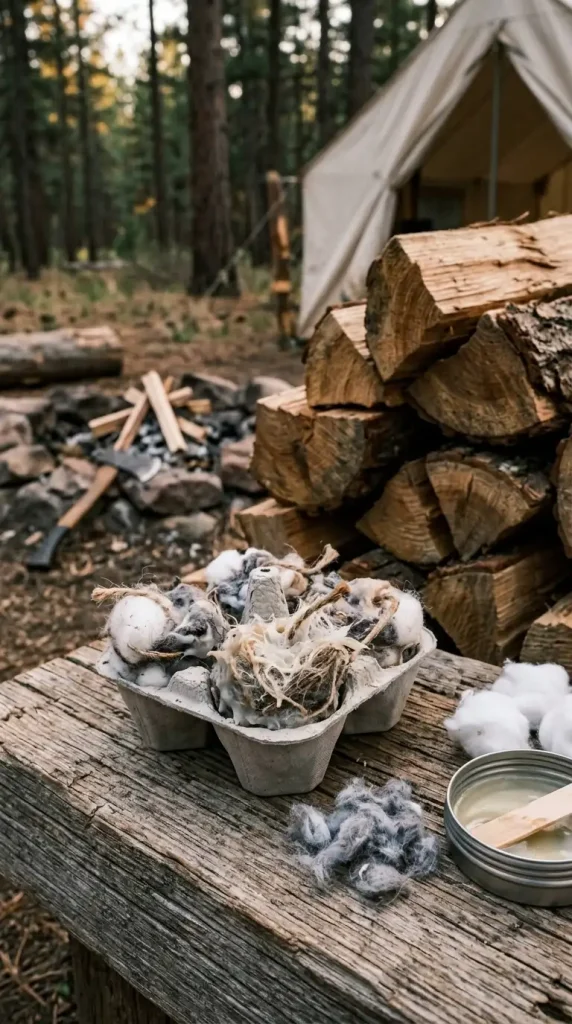
- Cotton balls coated with petroleum jelly
- Dryer lint inside cardboard egg cartons
- Wax-coated wood shavings
Download Offline Maps Before Leaving
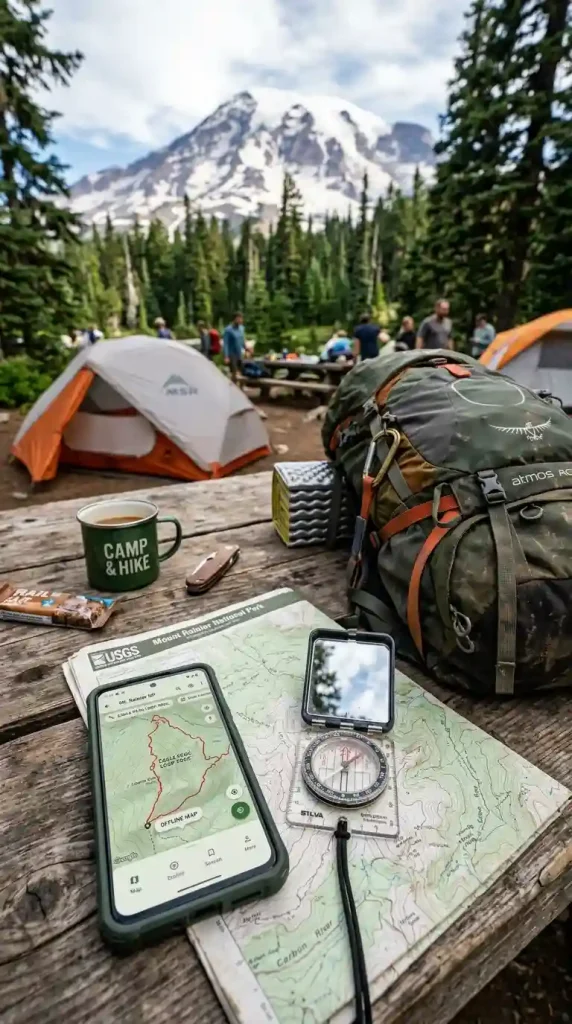
Cell service disappears surprisingly fast once you’re deep into nature.
Before every trip, I download offline maps using navigation apps.
This makes finding hiking trails, campsites, and nearby roads much easier without relying on an internet connection.
It’s also helpful if you accidentally take the wrong trail.
Pack One Set of Clothes Just for Sleeping
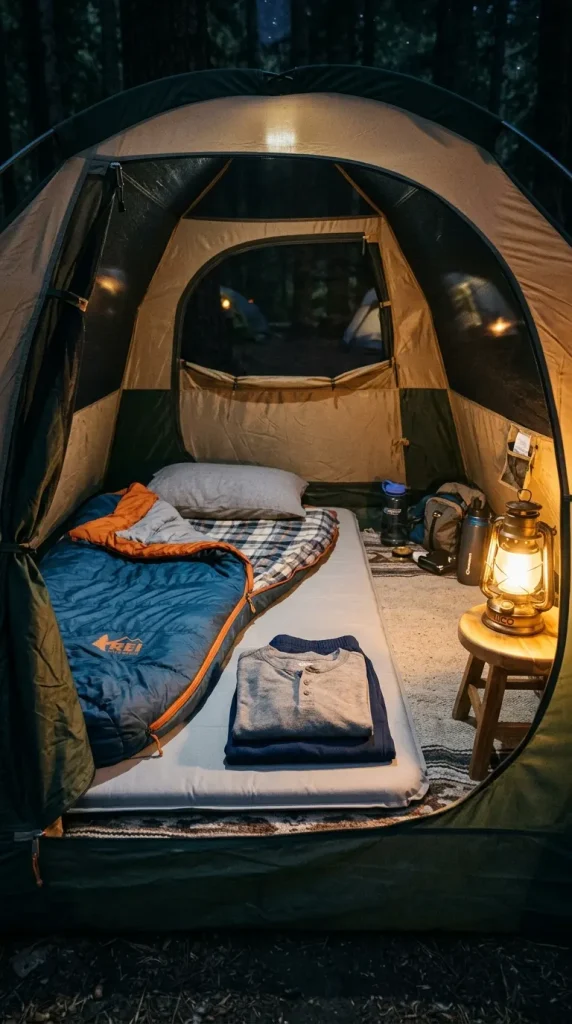
Changing into clean, dry clothes before bed makes sleeping much more comfortable.
Avoid wearing the same clothes you hiked in all day.
Dry sleeping clothes help you stay warmer on cool nights and keep your sleeping bag cleaner.
Label Storage Containers
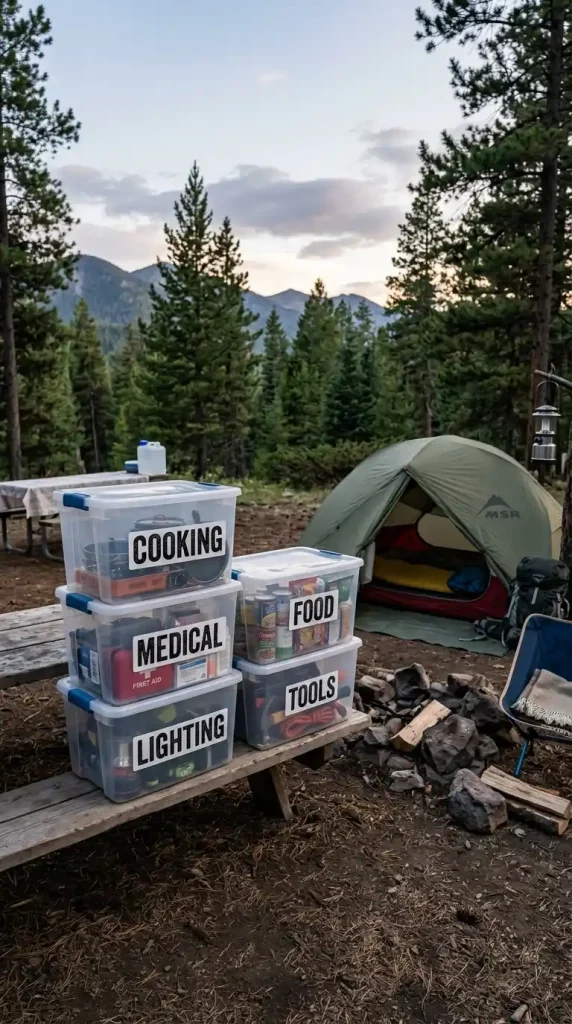
It may seem unnecessary before leaving home.
After two days at camp, every black storage box starts looking exactly the same.
Simple labels like:
- Cooking
- Food
- Medical
- Tools
- Lighting
make finding supplies much faster.
Keep Snacks Within Easy Reach
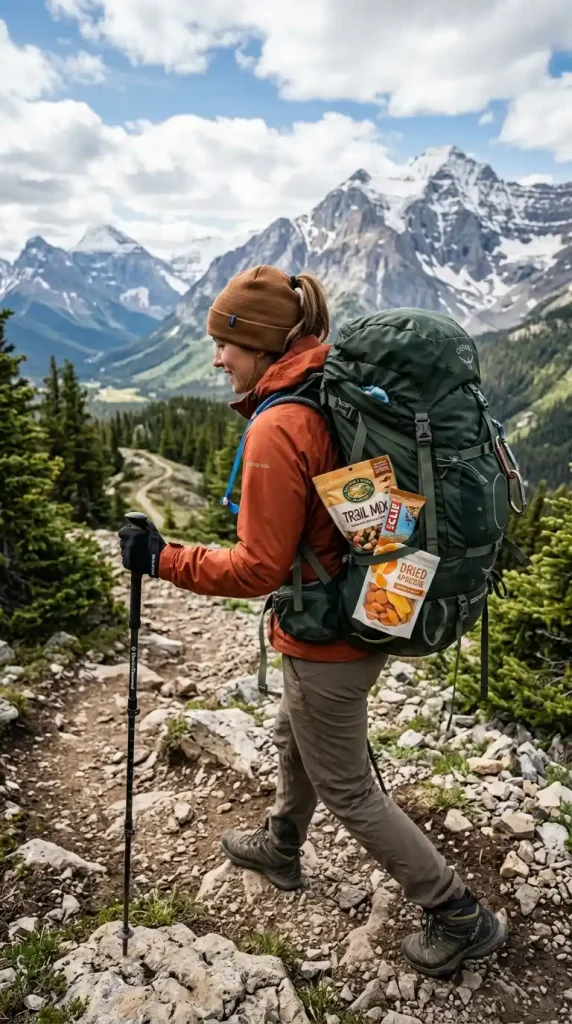
One lesson I’ve learned is that hunger arrives quickly during outdoor activities.
Store energy bars, trail mix, or dried fruit in an easy-to-reach pocket.
You’ll spend less time searching through bags and more time enjoying the trail.
Bring a Small Folding Table
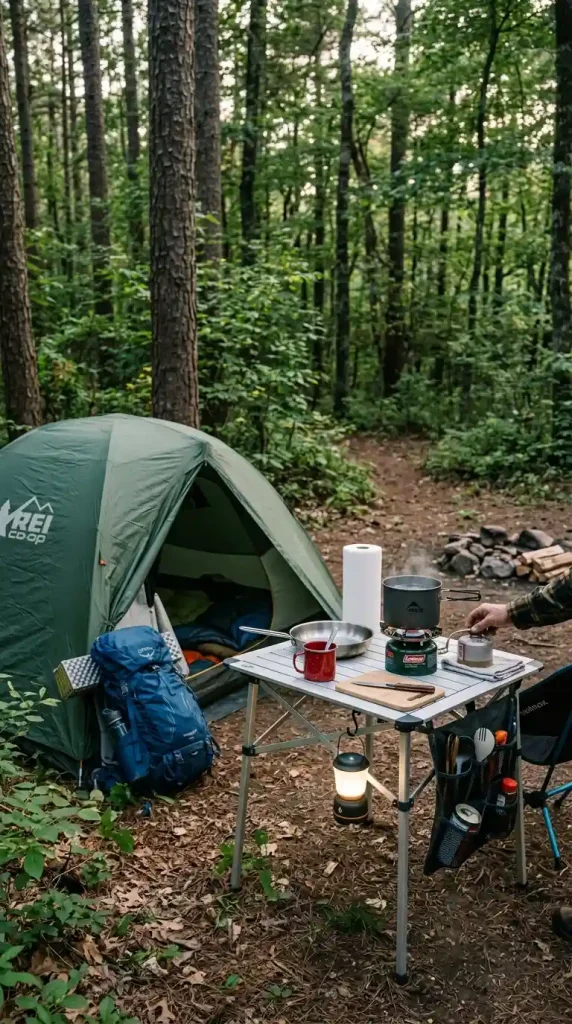
Many campsites have picnic tables, but not all do.
A lightweight folding table creates a clean space for:
- Cooking
- Food preparation
- Organizing gear
- Playing cards
- Charging devices with a portable power station
It also keeps equipment off muddy ground.
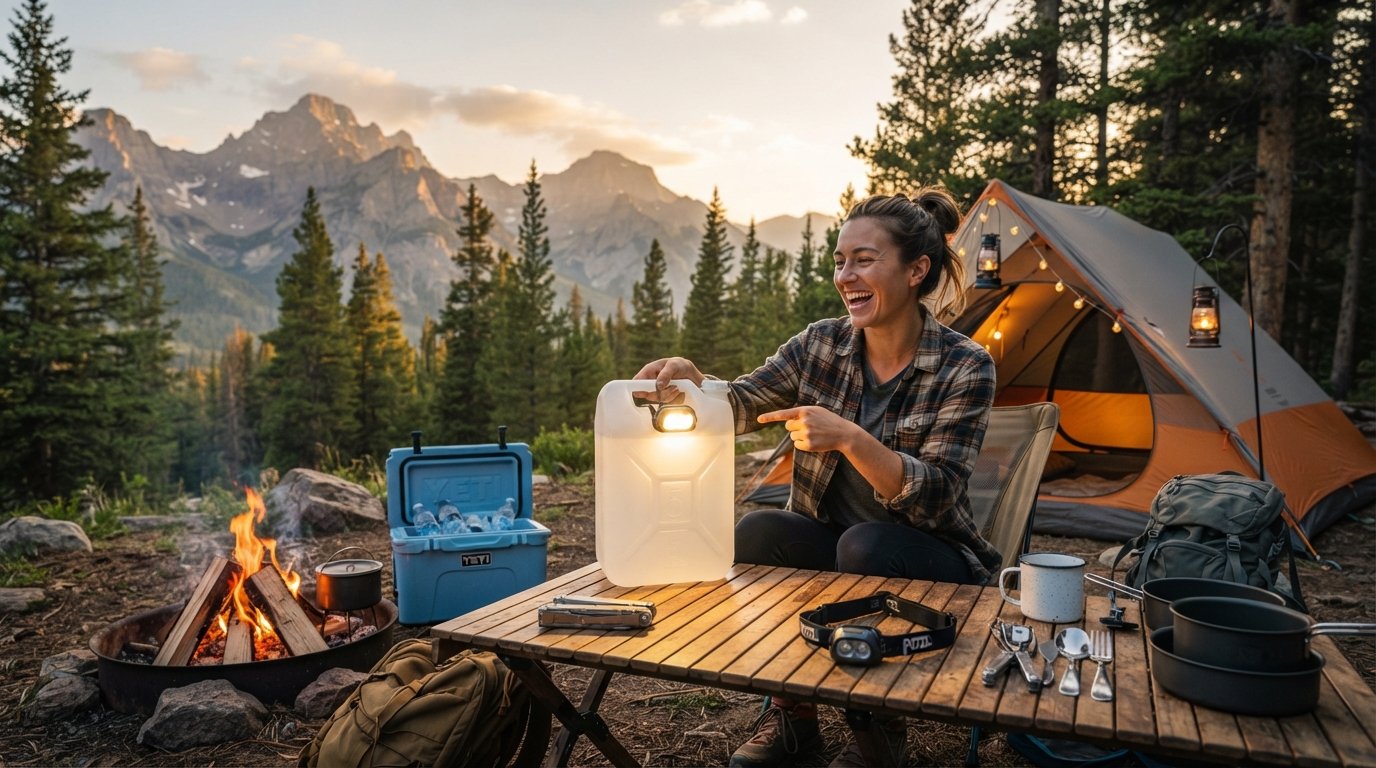
Hang a Lantern Inside a Water Jug
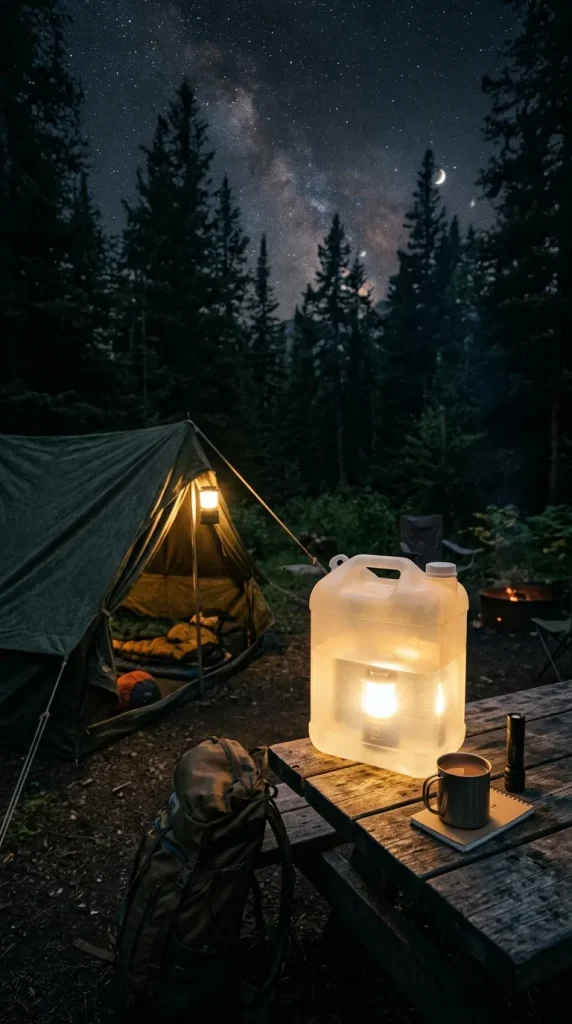
Here’s a simple lighting trick.
Place a battery-powered lantern or flashlight inside a large translucent water container.
The plastic spreads the light evenly, creating a soft campsite glow that’s much easier on the eyes than a direct flashlight beam.
Keep an Emergency Rain Kit Ready
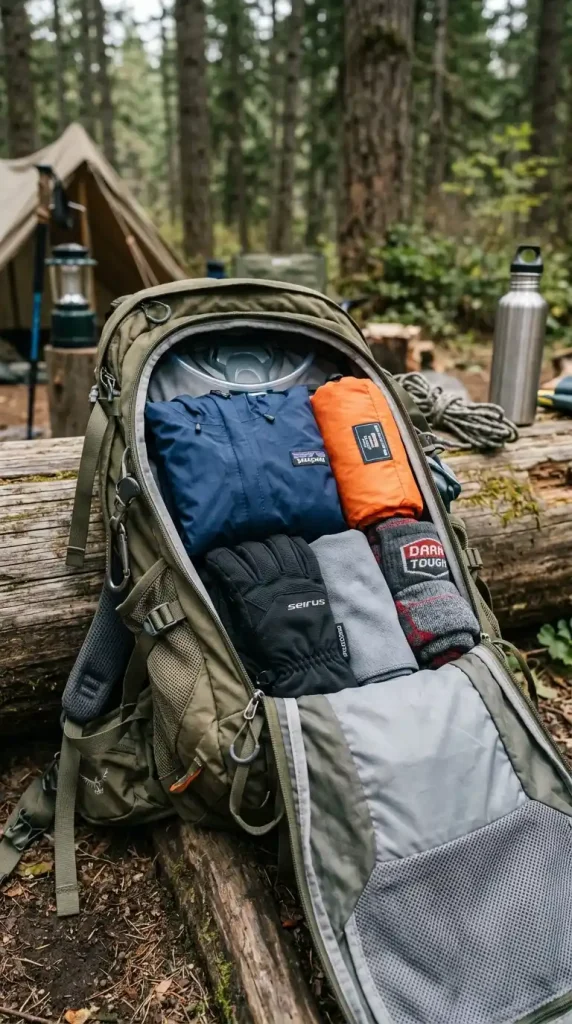
Weather forecasts aren’t always accurate.
A compact rain kit doesn’t take much space.
Mine usually includes:
- Lightweight rain jacket
- Poncho
- Waterproof gloves
- Extra socks
- Small towel
I’ve stayed surprisingly comfortable during unexpected rain simply because these items were easy to reach.
Cook Simple Meals
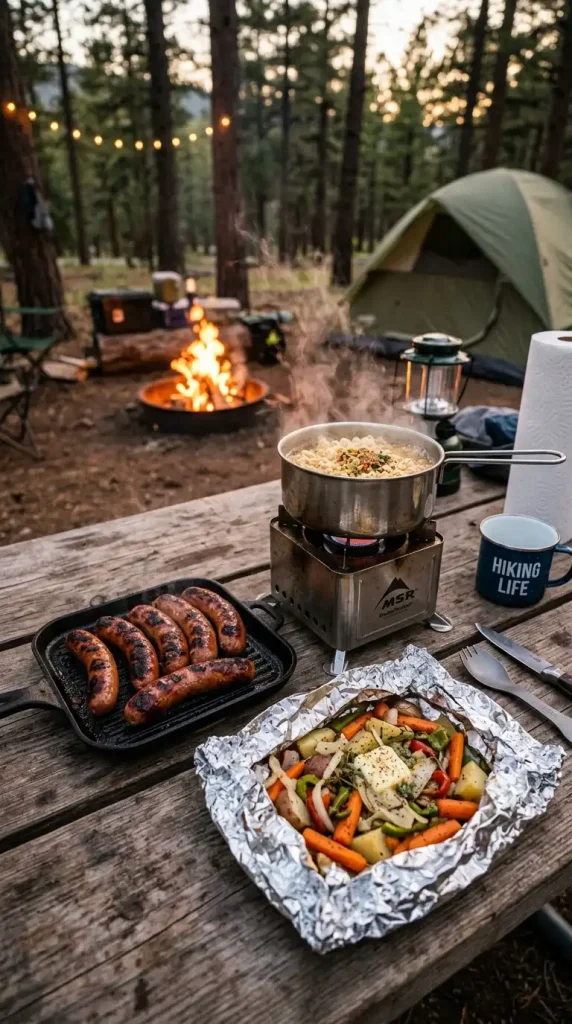
Fancy camping recipes look great online.
But after a full day of hiking, nobody wants to spend an hour washing dishes.
Simple meals often work best.
Some easy favorites include:
- Foil packet vegetables
- Grilled sausages
- Instant oatmeal
- Pasta
- Rice bowls
- Sandwiches
Less cleanup means more time relaxing by the fire.
Keep Electronics Charged Efficiently
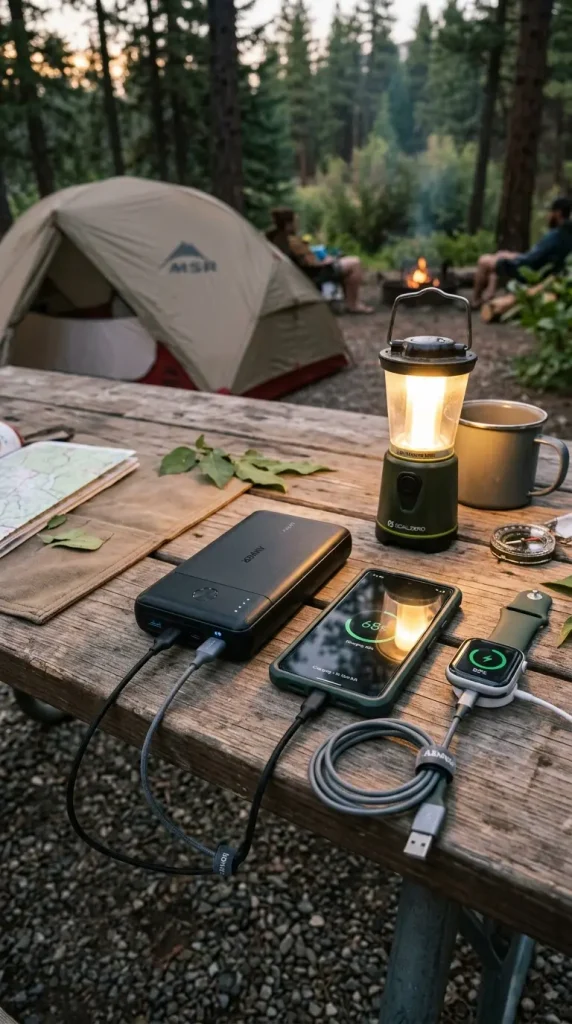
Instead of carrying several chargers, pack:
- One high-capacity power bank
- Short charging cables
- Multi-port USB charger (for campsites with electricity)
Turn on airplane mode whenever possible to extend battery life.
This alone can almost double your phone’s battery during camping trips.
Leave the Campsite Better Than You Found It
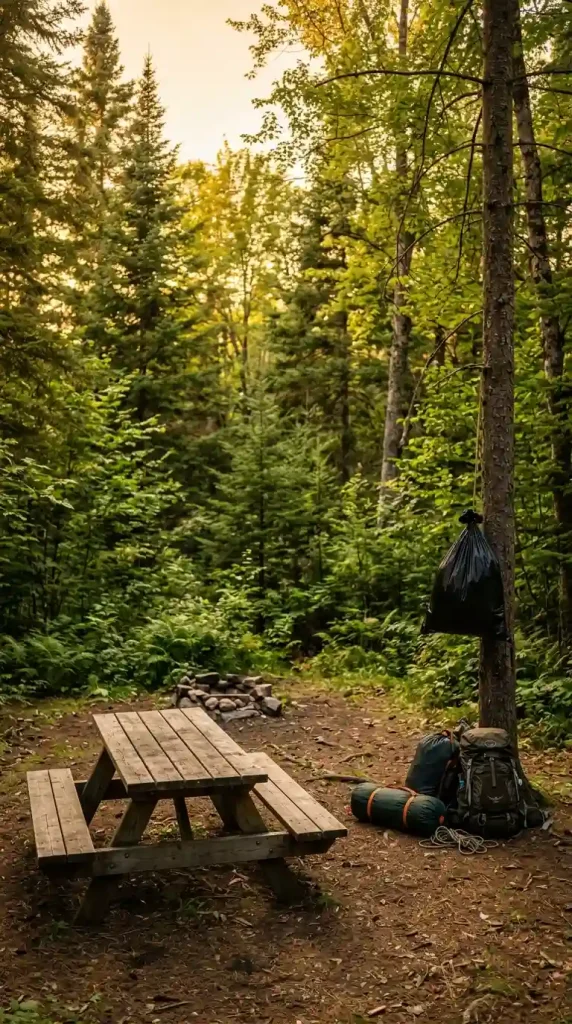
This isn’t really a hack—it’s simply good outdoor etiquette.
Before leaving, take five extra minutes to:
- Pick up trash
- Check for forgotten gear
- Scatter unused firewood if appropriate
- Leave picnic tables clean
Future campers will appreciate it, and you’ll help protect the places you enjoy visiting.
Common Camping Mistakes to Avoid
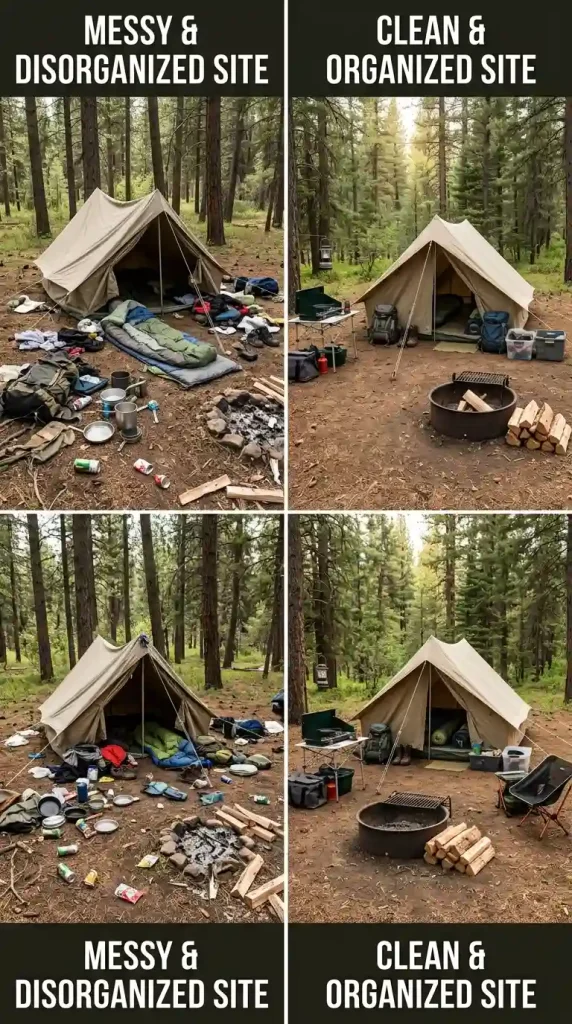
Even experienced campers occasionally make mistakes. Here are a few worth avoiding:
- Overpacking unnecessary gear that never gets used.
- Ignoring the weather forecast until the last minute.
- Forgetting extra batteries for lights.
- Leaving food unsecured, which can attract wildlife.
- Wearing brand-new hiking boots without breaking them in first.
- Waiting until after dark to set up camp.
- Packing all essential items at the bottom of your backpack.
- Underestimating how quickly temperatures can drop after sunset.
Learning from these small mistakes can make every future camping trip smoother.
Final Thoughts
The best camping memories rarely come from having the most expensive equipment. They come from watching the sunrise with a hot cup of coffee, sharing stories around a campfire, or waking up to the sound of birds instead of traffic.
Over the years, I’ve found that the smallest camping hacks often have the biggest impact. Freezing water bottles instead of packing loose ice, organizing gear by activity, carrying a simple repair kit, and keeping a headlamp within reach have saved me time and frustration on countless trips.
You don’t need to try every hack at once. Pick a few that fit your style of camping, test them on your next adventure, and see what works best. With each trip, you’ll discover your own tricks that make life outdoors a little easier—and a lot more enjoyable.
Overpacking unnecessary gear that never gets used.