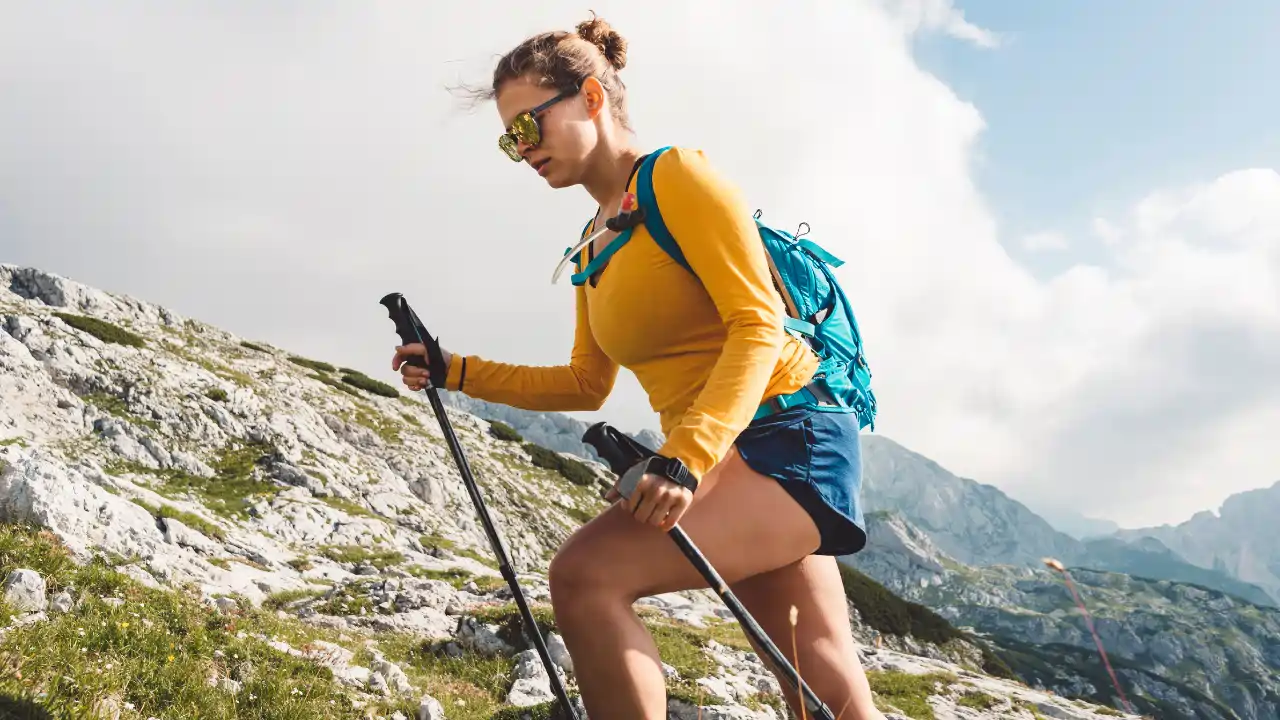
The first time I realized how fragile outdoor plans can be was during a short hiking trip that was supposed to be “easy.” Just a marked trail, decent weather, and a small backpack. Halfway through, my phone lost signal, clouds rolled in faster than expected, and I realized something uncomfortable: I had relied more on confidence than preparation. Nothing terrible happened that day, but the stress stayed with me. Since then, every camping and hiking trip has taught me one clear lesson – safety isn’t about fear; it’s about smart support.
Quick Answer
This article explains how innovative safety products help campers and hikers stay prepared, reduce risk, and enjoy outdoor adventures with confidence based on real-life experience
Over time, I’ve tested different safety products, ignored some (and regretted it), and learned which innovations actually help when things don’t go as planned. This article isn’t about extreme survival or dramatic rescue stories. It’s about practical, innovative safety products that real campers and hikers actually use – and why they matter more than you think.
In This Post
Why Safety Gear Feels Optional
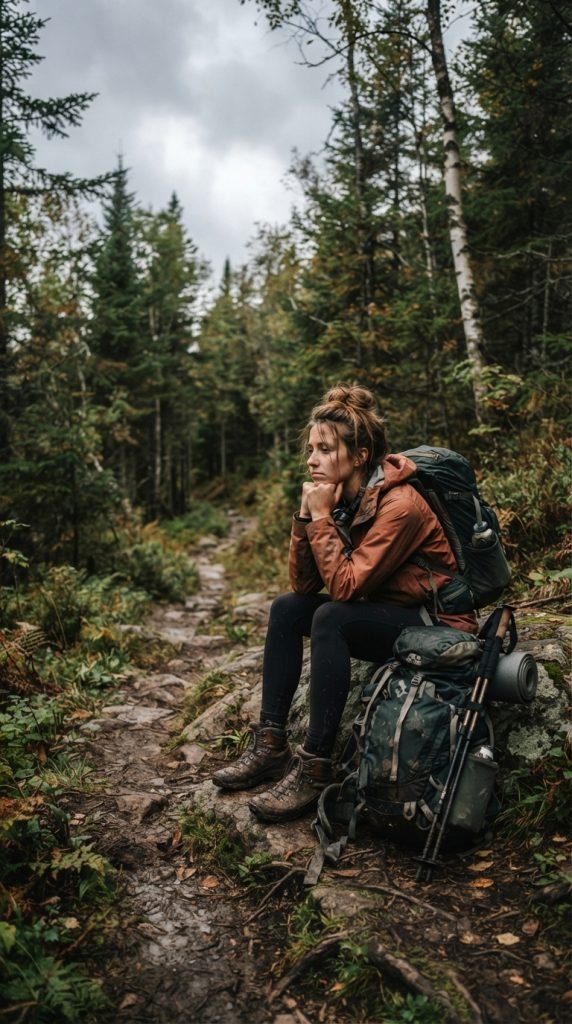
Most beginners don’t skip safety gear out of carelessness. They skip it because:
- It feels bulky
- It feels unnecessary for “short trips”
- It feels expensive
I’ve done all three. What changed my mindset wasn’t a disaster – it was small problems piling up. A twisted ankle with no support. A dead phone battery just before sunset. A simple cut that took longer to stop bleeding than expected. Modern outdoor safety products aren’t heavy, complicated, or military-grade anymore. Many are smart, lightweight, and beginner-friendly, designed for normal people who want to enjoy nature without panic.
1. GPS Satellite Communicators: Peace of Mind Without Signal
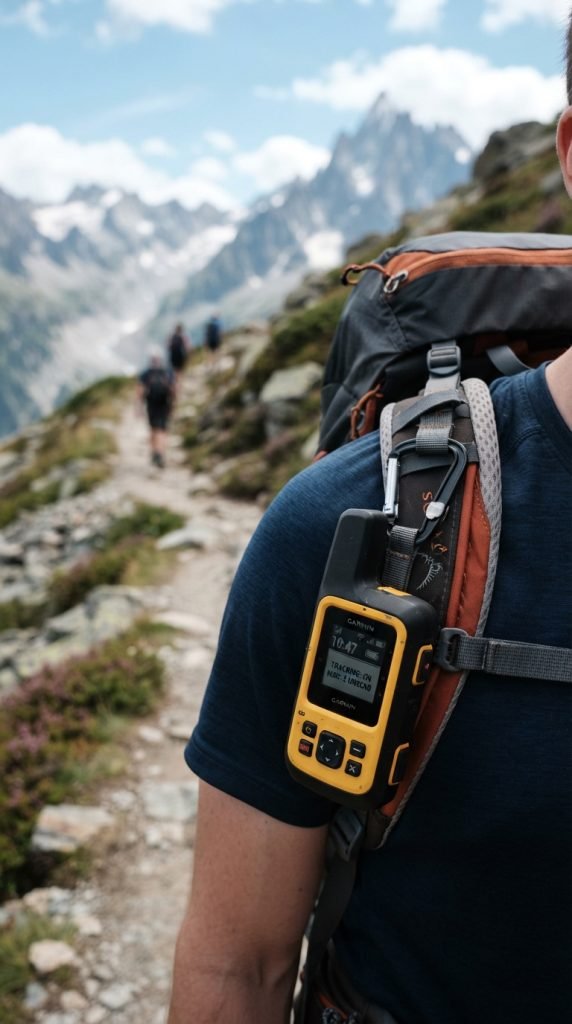
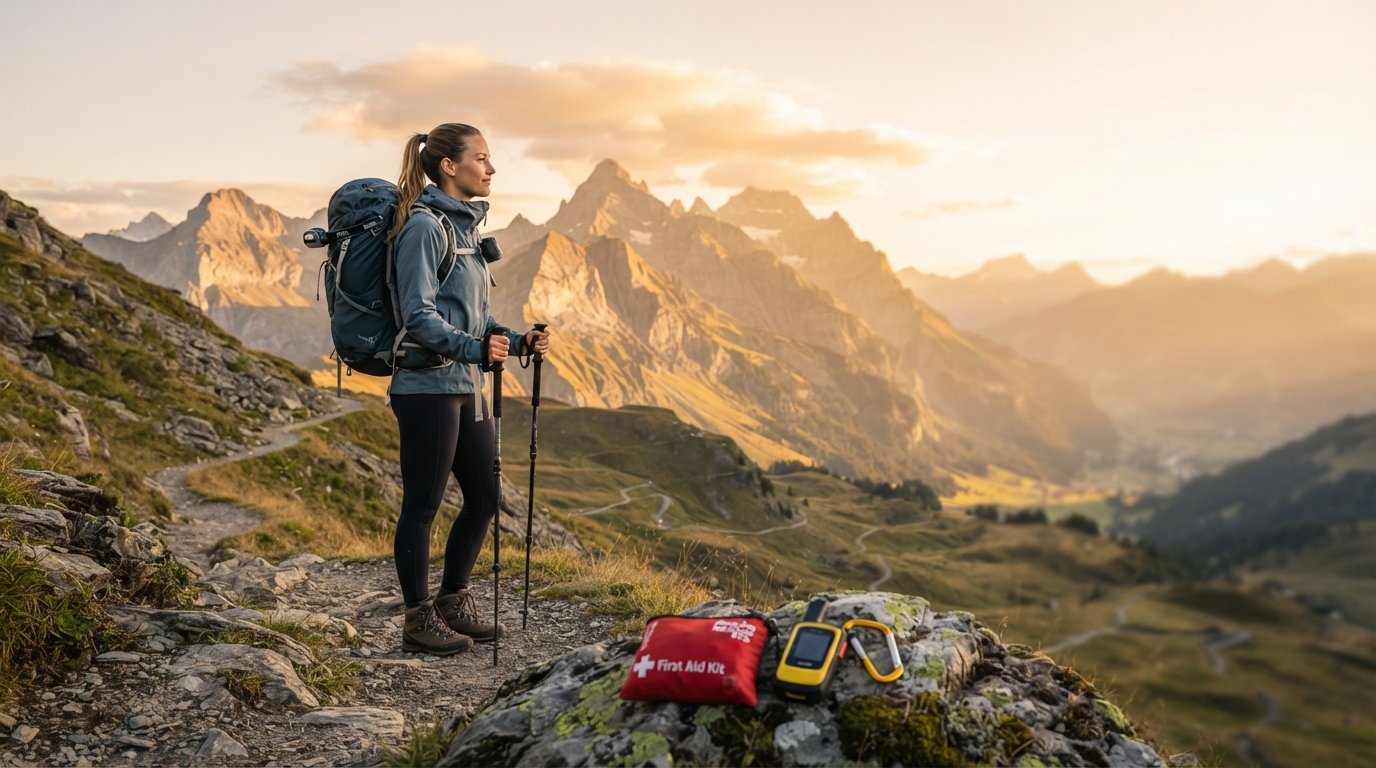
One of the smartest safety upgrades I ever made was carrying a satellite communicator on longer hikes. I used to think, “My phone is enough.” It isn’t.
What these devices actually do
- Send SOS signals without mobile service
- Share your live location with family
- Allow basic text messaging via satellite
Real-life use
On a multi-day hike, I watched my phone lose signal completely within the first hour. Meanwhile, the satellite device kept tracking my route quietly in the background. I didn’t need it – but knowing I could use it changed how relaxed I felt.
Lesson learned
You don’t buy these hoping to press SOS.
You buy them so you don’t panic when there’s no signal.
2. Smart Headlamps That Think for You
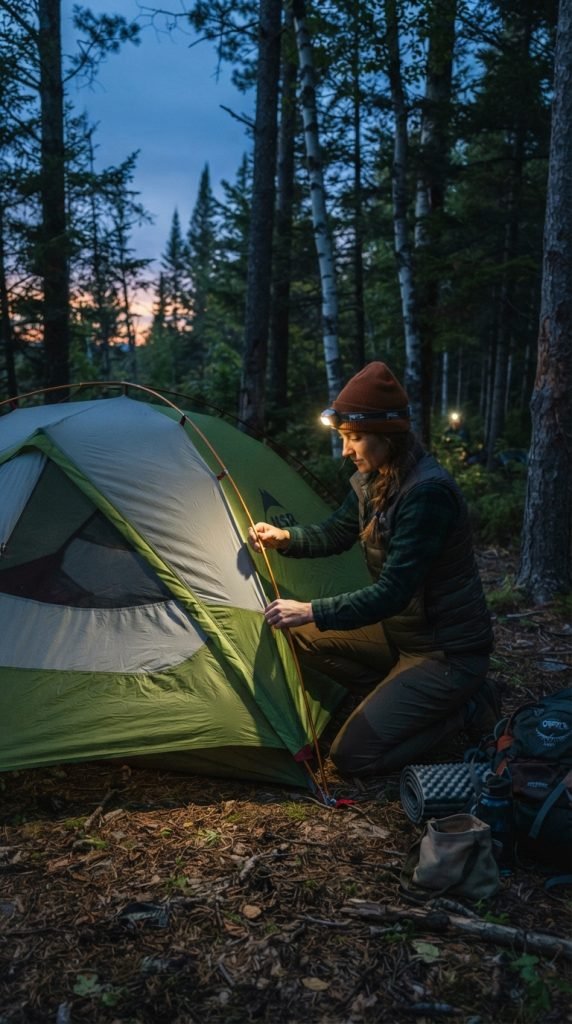
I once underestimated how fast darkness falls in the mountains. My old torch was either too bright (blinding me) or too weak (useless). Then I switched to a smart headlamp.
What makes them innovative
- Auto-adjust brightness based on surroundings
- Motion sensors for hands-free control
- Battery indicators you can actually trust
Practical difference
When you’re setting up a tent, cooking, or checking a map, hands-free lighting isn’t a luxury – it’s safety. Especially when temperatures drop, and fingers get stiff.
Common mistake
People buy cheap headlamps and forget that batteries die faster in cold weather. Smart headlamps manage power better and warn you early.
3. Personal Locator Beacons
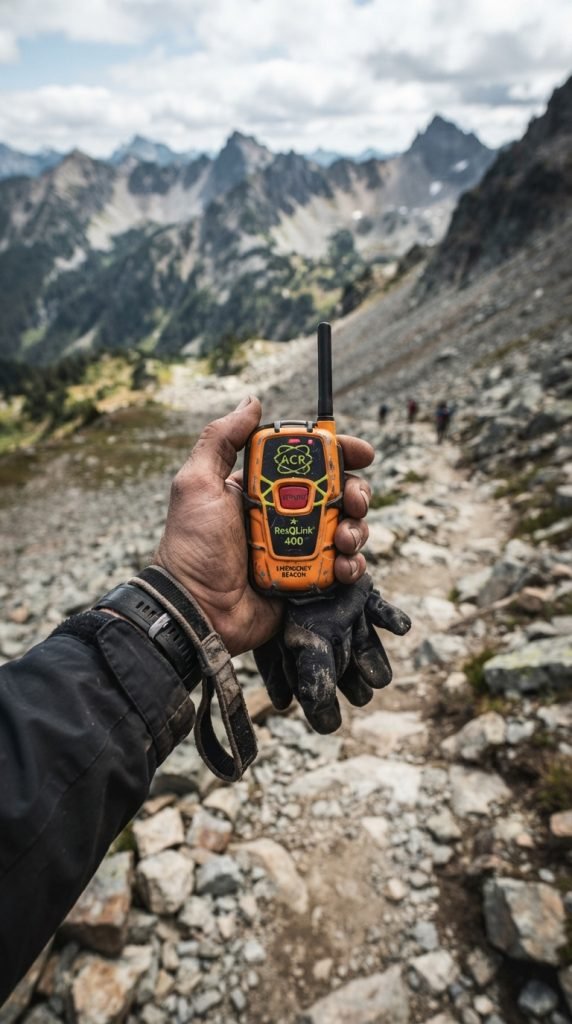
Unlike satellite messengers, PLBs do one job – send a distress signal. No apps, no screens, no subscriptions. I hesitated buying one because it felt “too extreme.” But after talking to experienced hikers, I realized why they trust them.
Why PLBs still matter
- Extremely reliable signal
- Long battery life (often years)
- No setup or technical learning curve
Real scenario
If you’re injured and can’t move, fiddling with apps is the last thing you want. A single-button emergency device makes sense when stress takes over.
4. First Aid Kits Designed for Movement
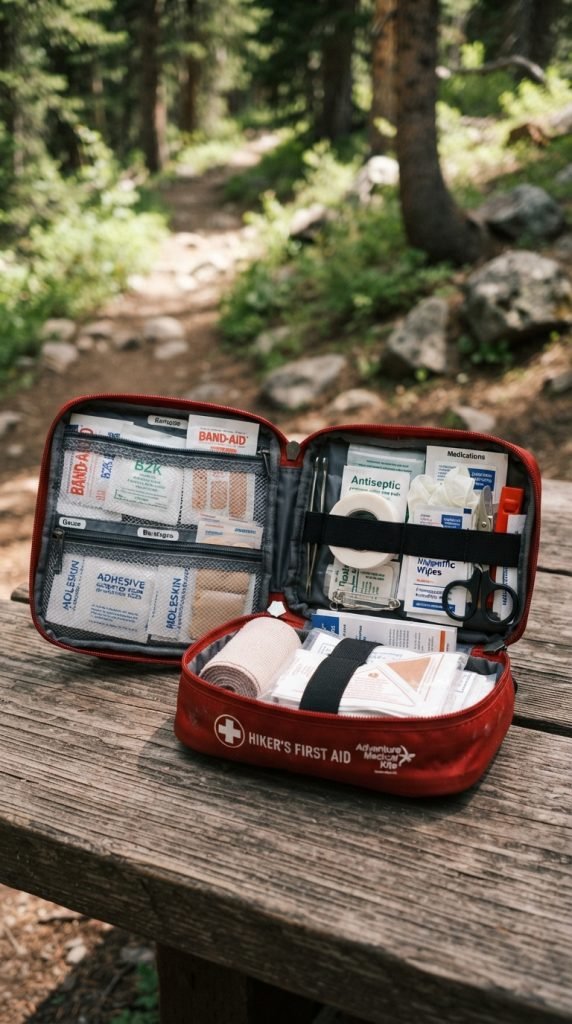
Most store-bought first aid kits are packed like medicine cabinets. Fine for cars. Not great for backpacks. I learned this the hard way when I needed bandages quickly, and everything was buried.
Innovative upgrades I now look for
- Modular compartments
- Quick-access tourniquet or compression bandage
- Waterproof and dustproof packaging
Tip from experience
Build your own kit slowly. Start with a basic kit, then add items after each trip when you realize what you actually needed. Smart Water Purification Tools Smart Water Purification Tools
5. Smart Water Purification Tools
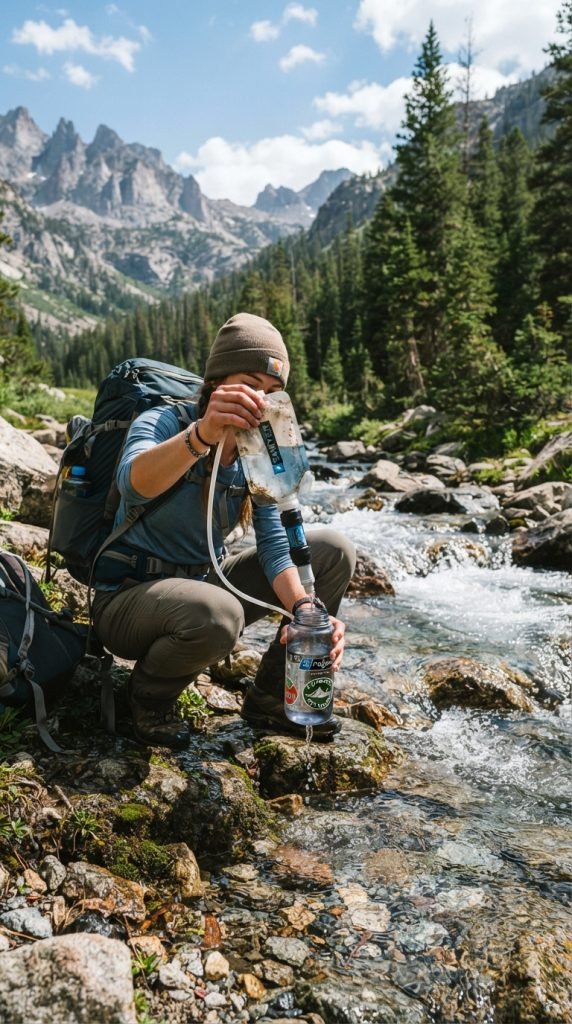
Running out of clean water is one of the fastest ways for a trip to turn stressful. I once carried too little water, thinking, “There’s a stream on the map.” There was -, but it wasn’t safe to drink directly.
Modern safety solutions
- UV water purifiers
- Lightweight filtration bottles
- Gravity-fed filters for camps
Why this matters
Dehydration affects decision-making. Bad decisions lead to injuries. Clean water isn’t comfort; it’s safety.
6. Emergency Shelters That Fit in Your Pocket
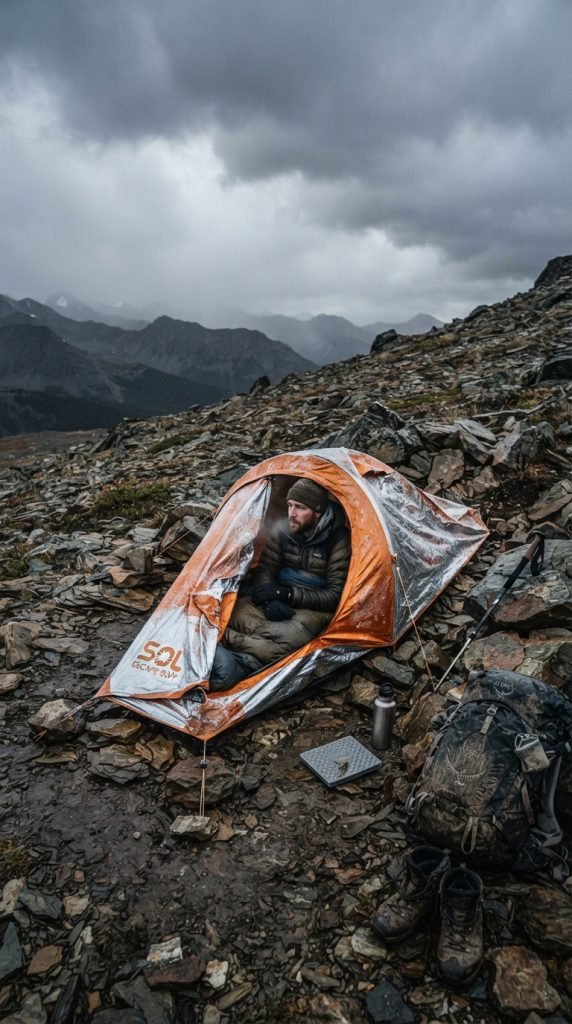
Weather changes faster than plans.
I’ve seen clear skies turn into freezing rain within an hour. A lightweight emergency bivy or reflective shelter can prevent hypothermia even when you’re stuck waiting.
What Surprised Me
These shelters aren’t meant to be comfortable. They’re meant to buy time, and that’s often enough.
How I Choose Safety Products Now
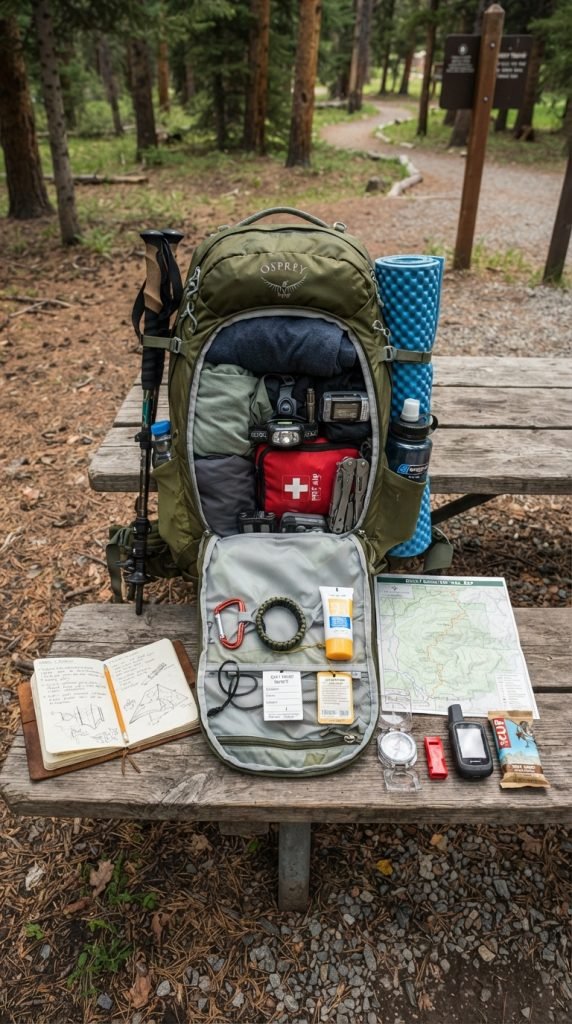
If you’re a beginner, here’s a simple process I follow before every season:
Think about failure, not success
- What if my phone dies?
- What if I can’t walk back?
- What if the weather changes?
Choose one safety upgrade at a time
- Navigation backup
- Lighting
- First aid
Practice using the gear
The worst time to learn a device is during an emergency. Test it at home or on short trips.
Real Tools I’ve Used (And Why I Trust Them)
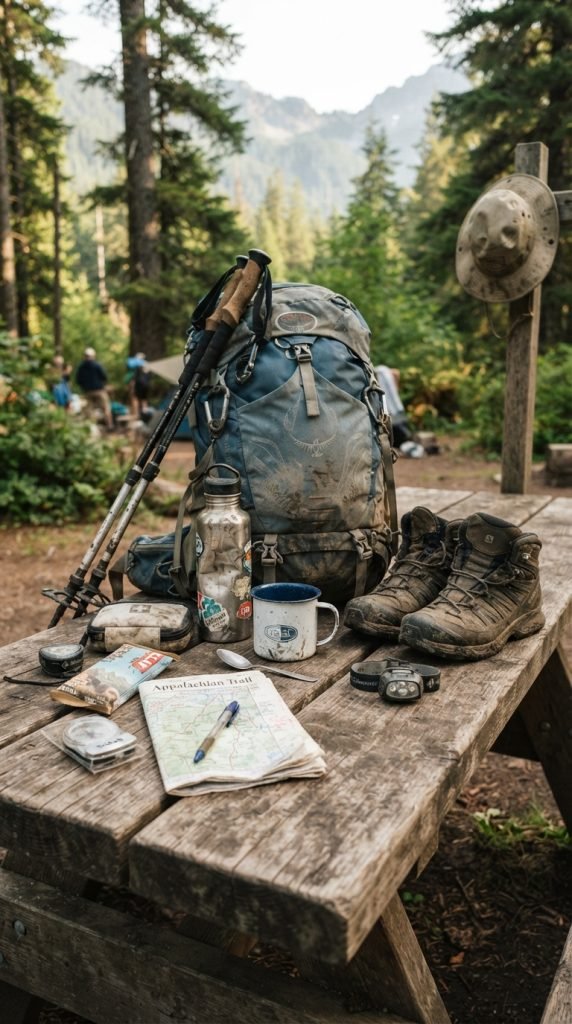
Without turning this into a shopping list, I’ll say this: The best safety products are the ones you actually carry and understand. I’ve abandoned fancy gear because it was too complex. Simpler tools that worked consistently stayed in my pack.
Common Mistakes Campers and Hikers Make
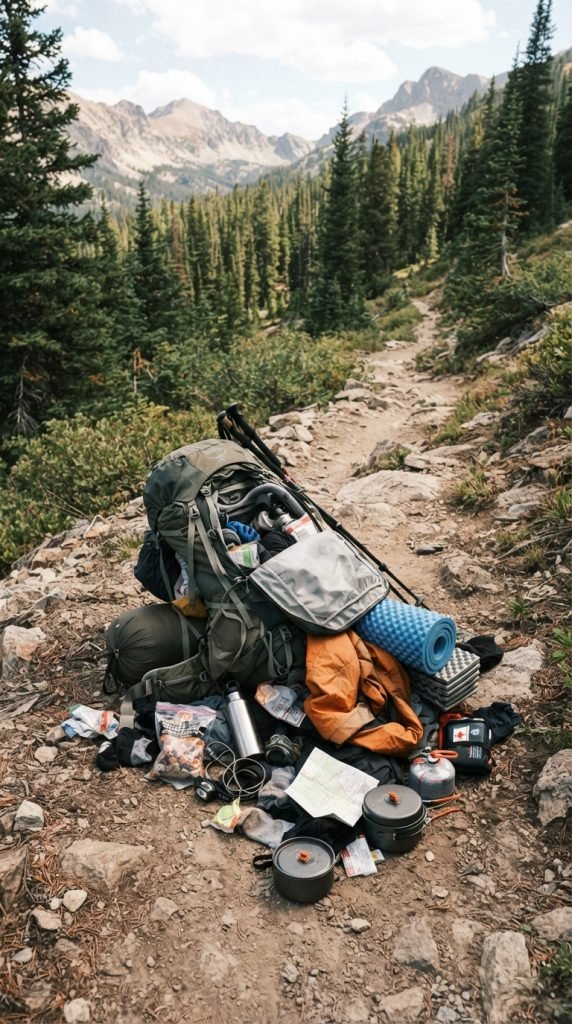
I’ve made most of these myself:
- Relying only on a smartphone
- Buying safety gear but never testing it
- Carrying gear without knowing how to use it
- Overpacking comfort items and underpacking safety
Safety isn’t about carrying more – it’s about carrying smarter.
How Innovation Is Quietly Changing Outdoor Safety
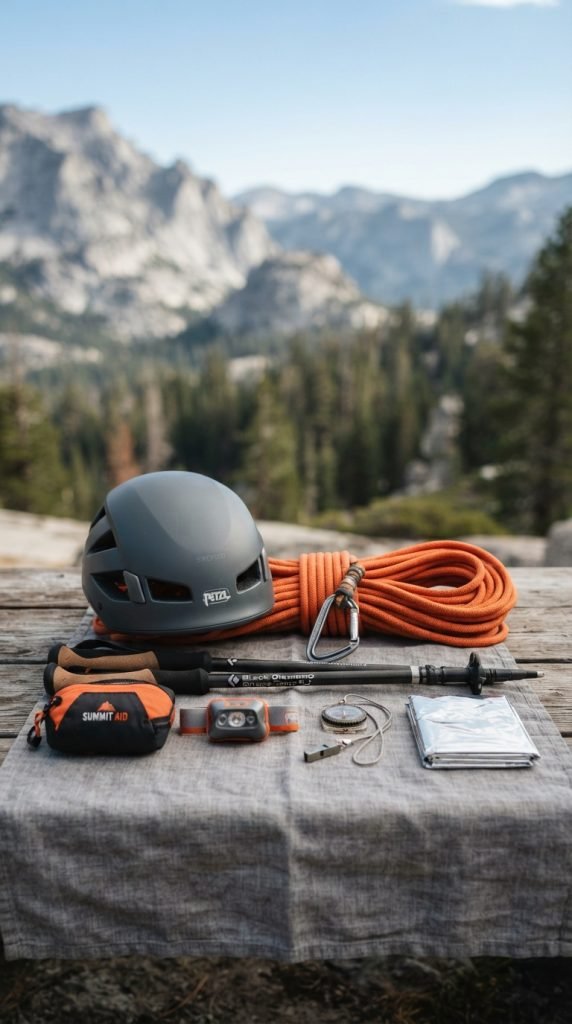
What excites me most isn’t dramatic tech – it’s subtle innovation:
- Lighter materials
- Longer battery life
- Smarter alerts
- Easier interfaces
These changes mean safety gear fits into normal adventures, not just extreme expeditions.
Final Thoughts
Camping and hiking don’t need to be dangerous to deserve respect. Most accidents happen not because nature is wild but because we underestimate small risks. Innovative safety products don’t remove adventure. They remove unnecessary fear. If there’s one thing I’d tell my past self, it’s this: Preparation doesn’t make you cautious. It makes you confident. And confidence is what lets you enjoy the quiet moments outdoors, the ones that made you want to go in the first place.