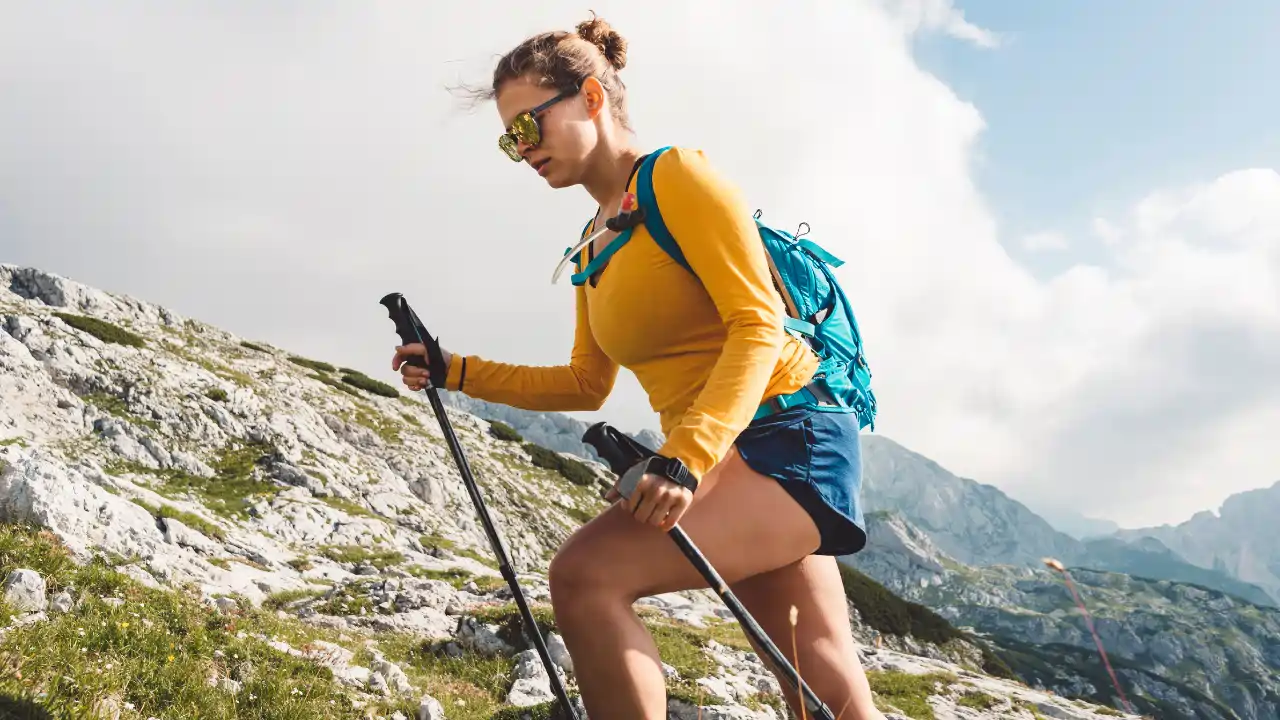
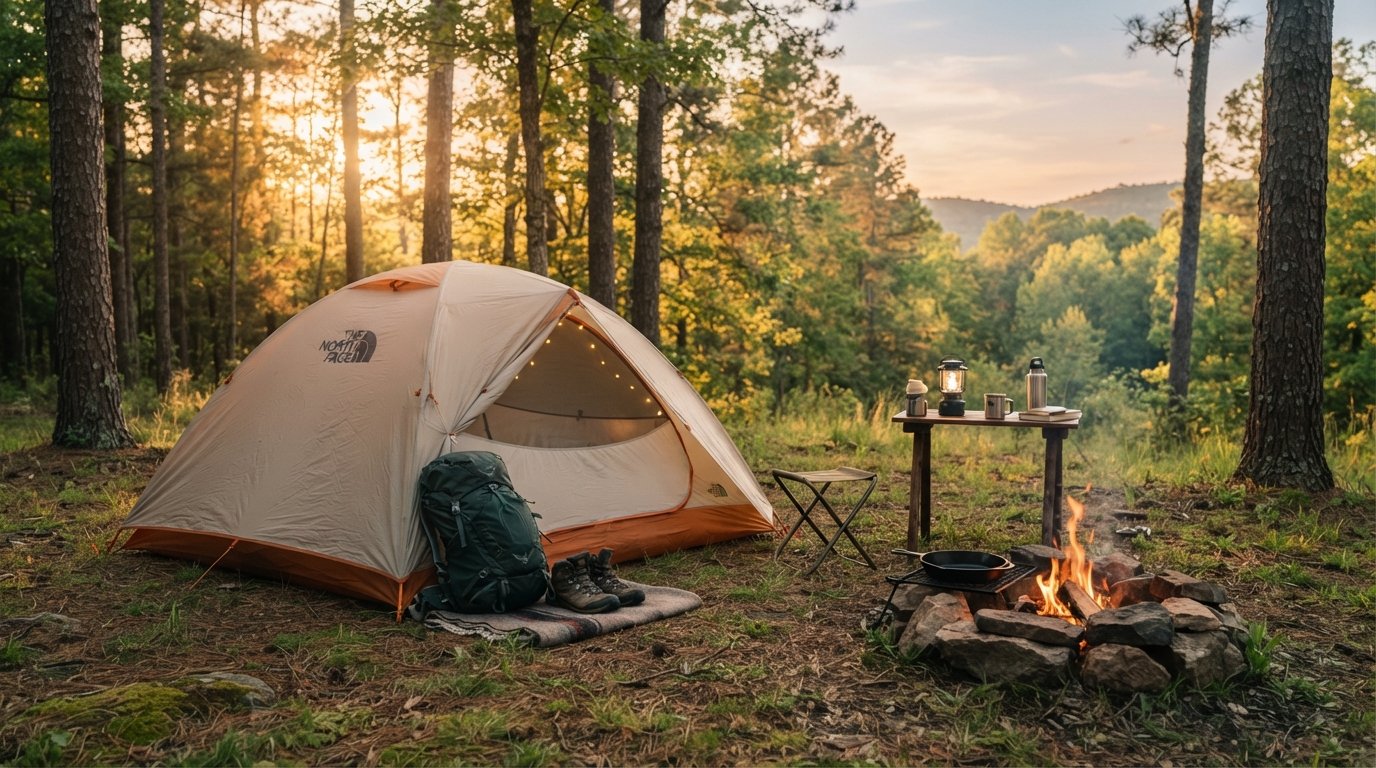
Planning a stress free camping trip for beginners can feel overwhelming if you have no prior experience.The first time I ever planned a camping trip, I honestly thought it would be simple. Grab a tent, drive somewhere green, and enjoy nature. Reality? I forgot a tent pole, my phone died before sunset, and I had no idea how cold it gets at night — even in summer. That trip wasn’t perfect, but it taught me everything I needed to know about stress-free camping.
Quick Answer
A stress-free camping trip without prior experience is all about simple planning, choosing a beginner-friendly campsite, and keeping things minimal. Start with a short trip, pack only essential gear, plan easy meals, and accept that small mistakes are part of the experience. When comfort and flexibility come first, camping becomes relaxing instead of overwhelming.
If you’ve never camped before, let me reassure you of one thing: you don’t need to be an outdoor e
In This Post
1.Start With the Right Mindset
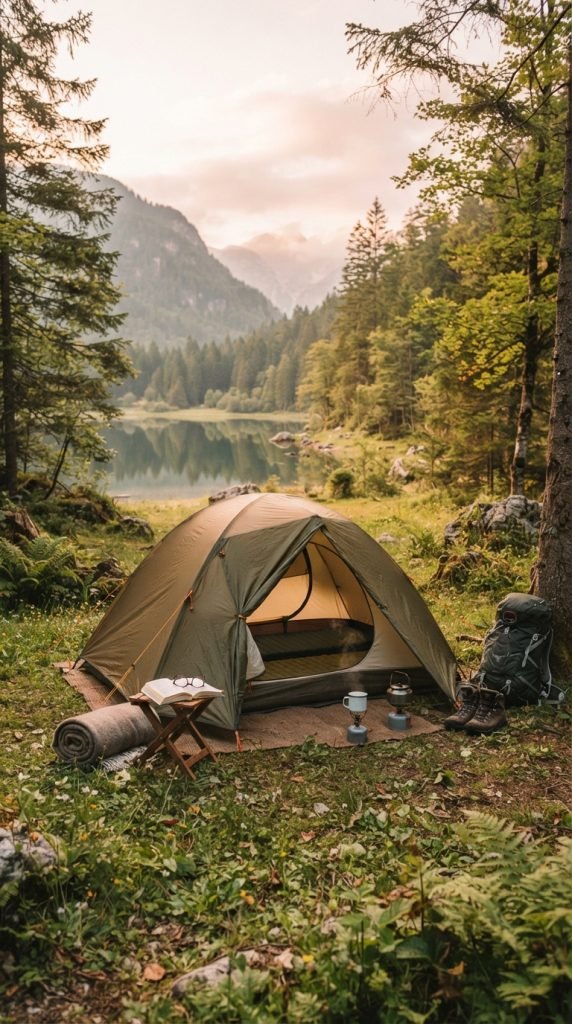
Most first-time campers stress because they try to make the trip “perfect.” Instagram-perfect tents, fancy meals, full schedules. That pressure alone ruins the experience.
Camping works best when you accept one thing early: something will go wrong, and that’s okay.
Your goal isn’t to survive the wild. Your goal is to spend time outdoors without unnecessary stress. When I stopped overplanning and focused on comfort and safety first, camping became enjoyable instead of overwhelming.
2.Choose a Beginner-Friendly Campsite
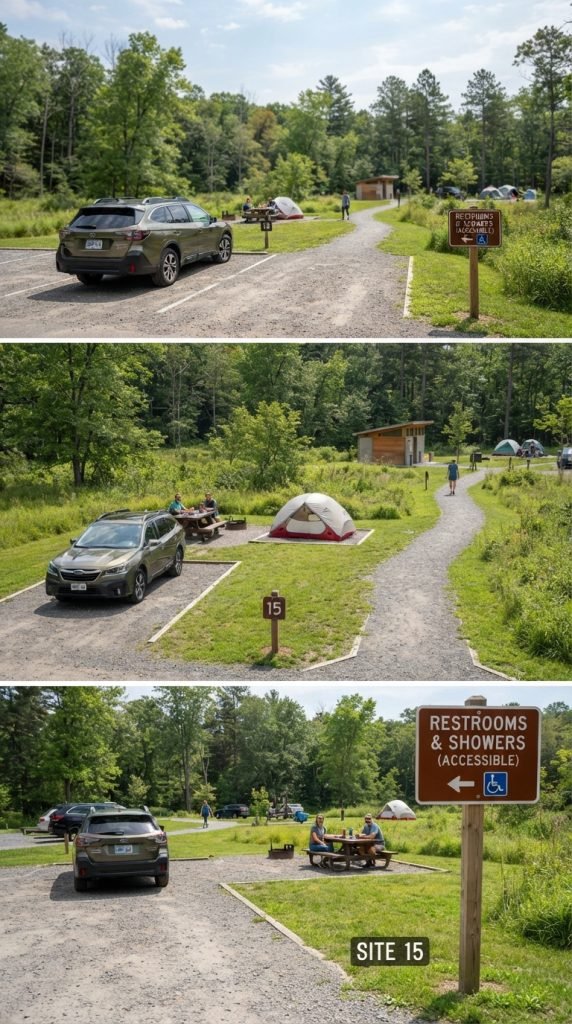
One of the biggest mistakes beginners make is choosing a remote or “adventurous” location for their first trip. That’s what I did, and I regretted it.
For your first camping trip:
- Pick a campsite with basic facilities (bathrooms, water access)
- Avoid places that require long hikes to reach
- Choose locations that allow car parking near the tent area
Apps like Google Maps, AllTrails, or local park websites make this easy. Read reviews. If people mention “challenging access” or “no cell signal,” skip it for now.A stress-free trip starts with an easy location.
3.Keep Your First Trip Short
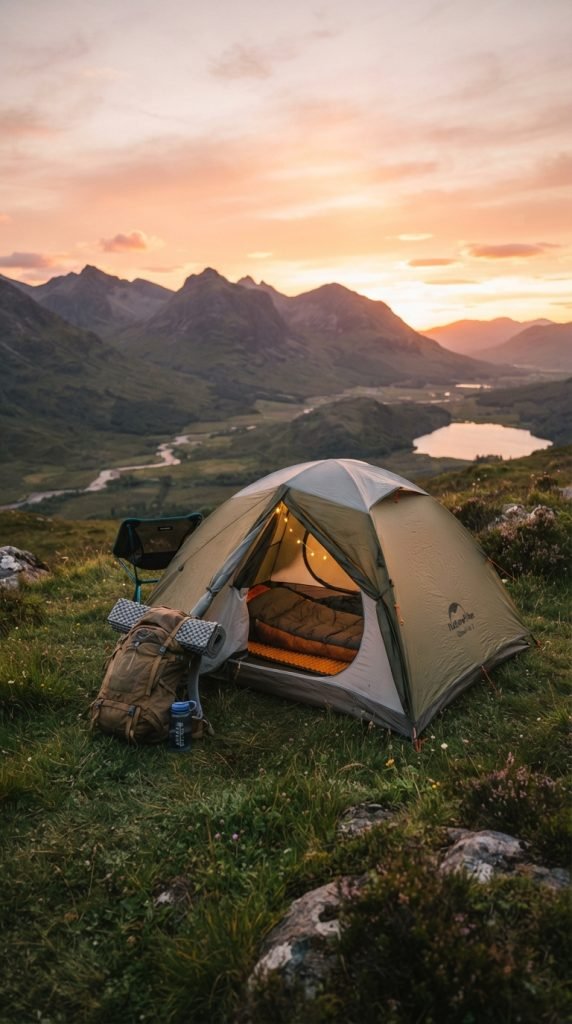
You don’t need a three-day camping adventure to “do it right.” One night is enough to learn:
- How sleeping outdoors feels
- What gear you actually us
- What you forgot to bring
My first successful camping trip was just one night, and that decision alone removed half the stress. If something goes wrong, you’re heading home the next day anyway.
4.The Only Camping Gear You
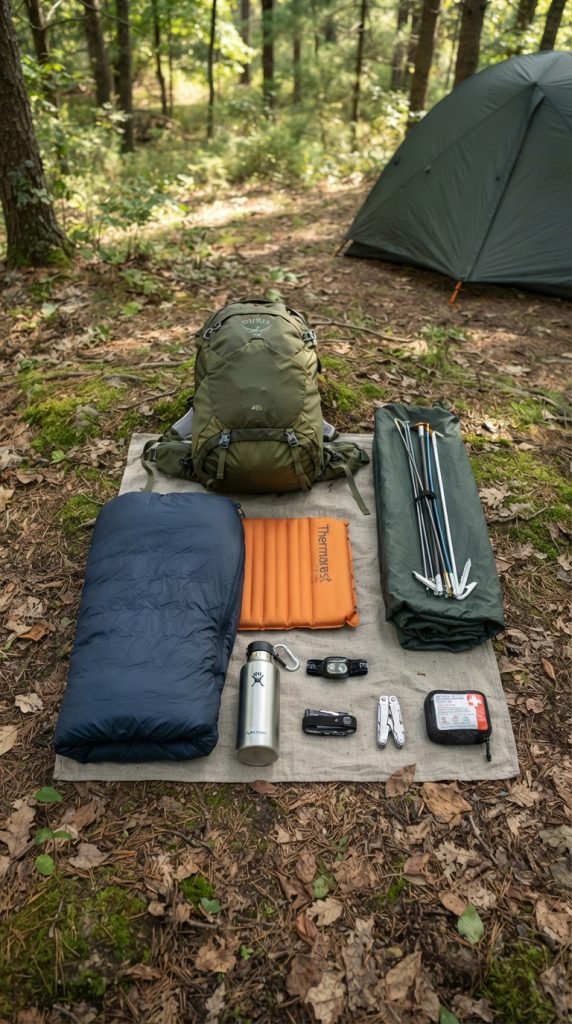
Camping stores love to convince beginners that they need everything. You don’t.
Here’s what actually matters for a first trip:
Shelter and Sleep
- A simple, weather-resistant tent
- A sleeping bag suitable for the season
- A sleeping mat or inflatable pad (this makes a huge difference)
I once skipped the sleeping mat. Worst sleep of my life. Never again.
Light and Power
- A headlamp or flashlight
- A fully charged power bank
Clothing
- One warm layer (even in summer)
- Comfortable shoes
- Extra socks
Food and Water
- Easy-to-cook meals or ready food
- More water than you think you need
That’s it. Everything else is optional.
5.Plan Simple Meals (This Is Where Most Stress Comes From)
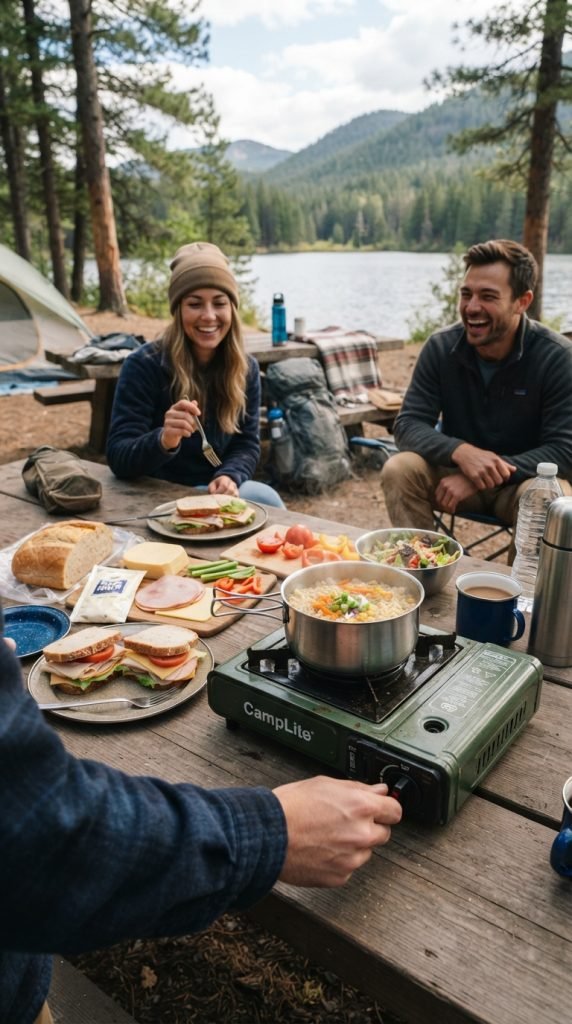
Cooking while camping sounds fun — until you’re hungry, tired, and trying to manage fire or a stove.
For your first trip:
- Avoid complex recipes
- Choose meals that require minimal prep
- Pre-cut ingredients at home
Some stress-free meal idea - Sandwiches
- Instant noodles
- Grilled vegetables
- Pre-cooked rice or pasta
I learned quickly that simple food tastes amazing outdoors. You don’t need gourmet meals to enjoy camping.
6.Learn the Basics Before You Go (Just Enough, Not Everything)
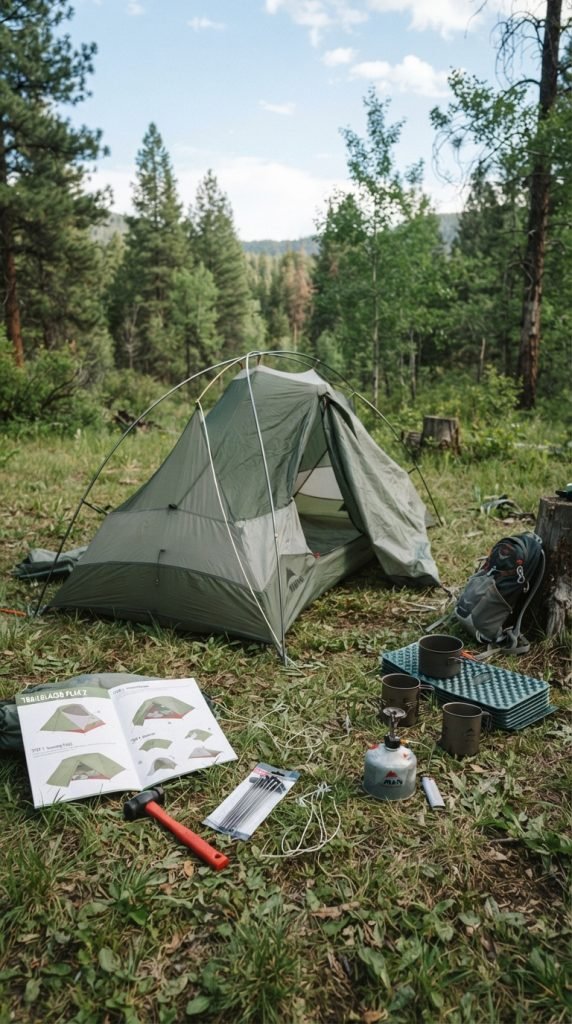
You don’t need survival training, but knowing a few basics removes anxiety.
Before your trip:
- Practice setting up your tent at home
- Learn how your stove works
- Check the weather forecast
The first time I tried to set up a tent in the dark, I wished I had practiced once at home. Five minutes of preparation can save you a lot of frustration.
7.Accept That Nature Doesn’t Follow Schedules
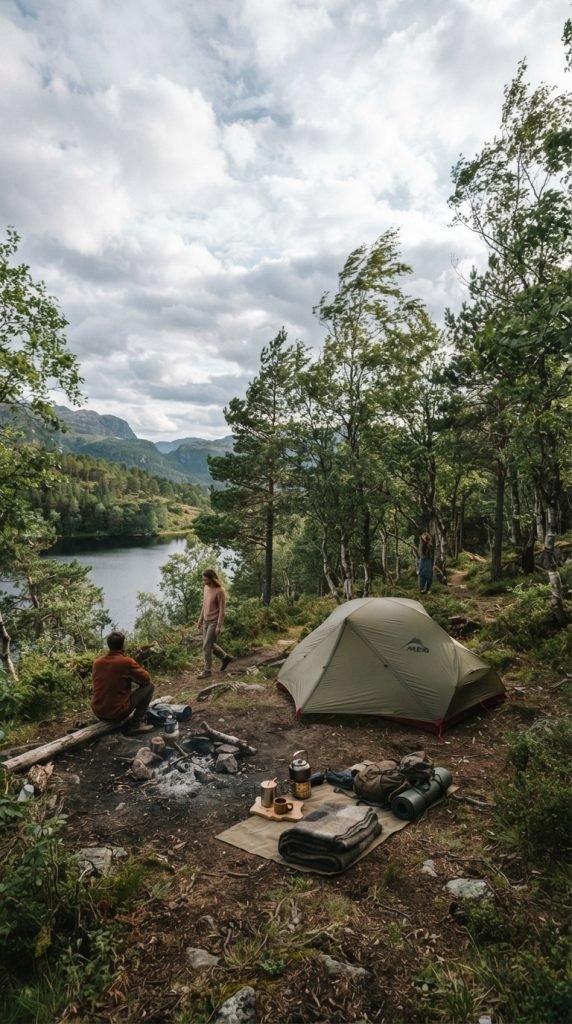
Camping taught me patience. Sunset times change. Weather shifts. Bugs appear without invitation.
Instead of fighting it:
- Plan flexible activities
- Leave room for rest
- Don’t over-schedule your day
Some of my favorite camping moments happened when plans failed — unexpected quiet mornings, cloudy sunsets, or early nights spent talking instead of hiking.
8.Stay Connected Without Ruining the Experience
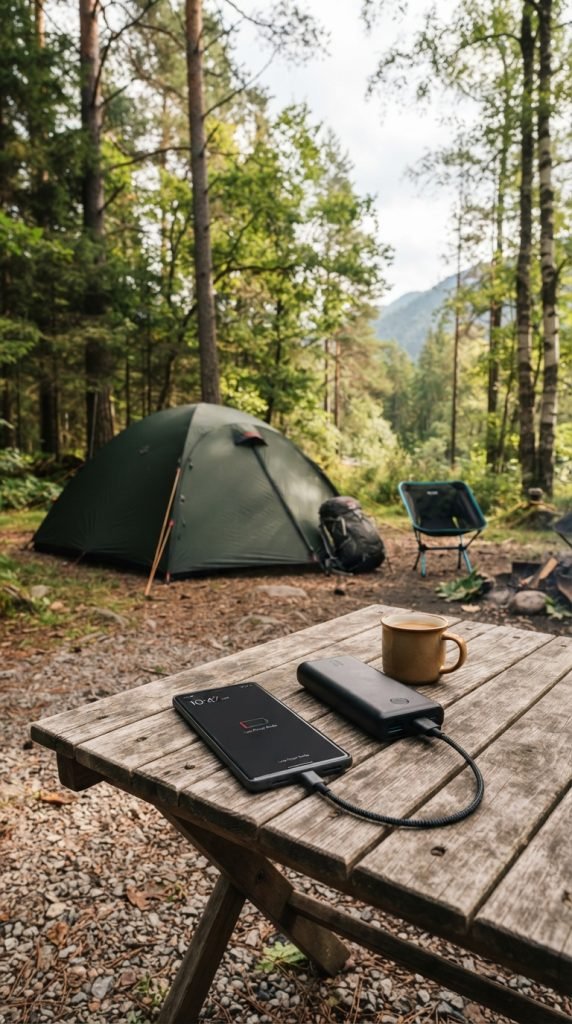
Many beginners worry about being disconnected. You don’t need to disappear completely.
What helps:
- Let someone know where you’re going
- Download offline maps
- Keep your phone on low power mode
You can stay safe without being glued to your screen.
9.Common Beginner Mistakes
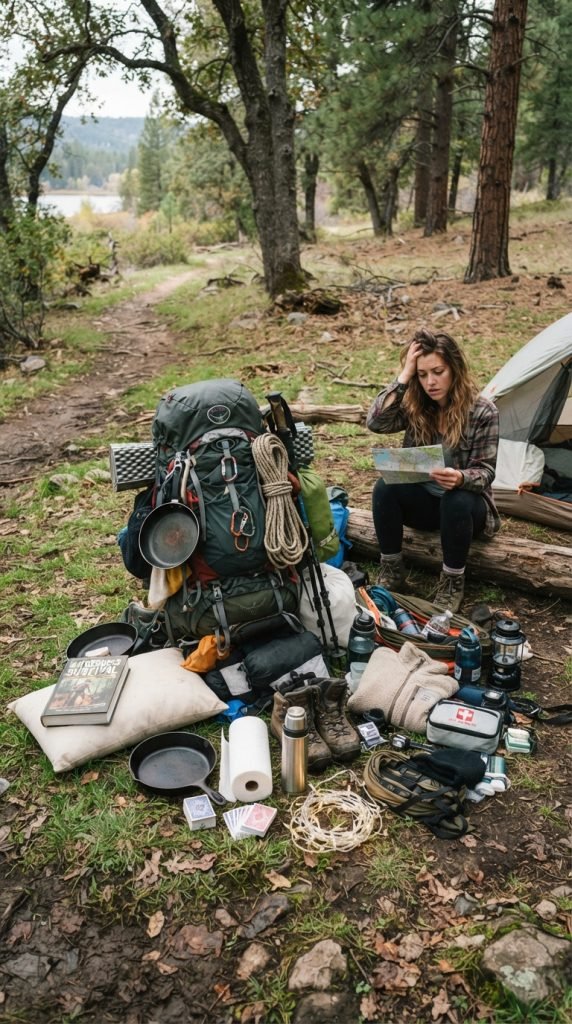
Here’s what I see beginners struggle with most — including myself:
- Packing too much unnecessary gear
- Ignoring weather changes
- Wearing uncomfortable shoes
- Forgetting extra light sources
- Expecting everything to go as planned
Camping gets easier once you stop trying to control everything.
10.What a Stress-Free Camping Trip Actually Feels Like
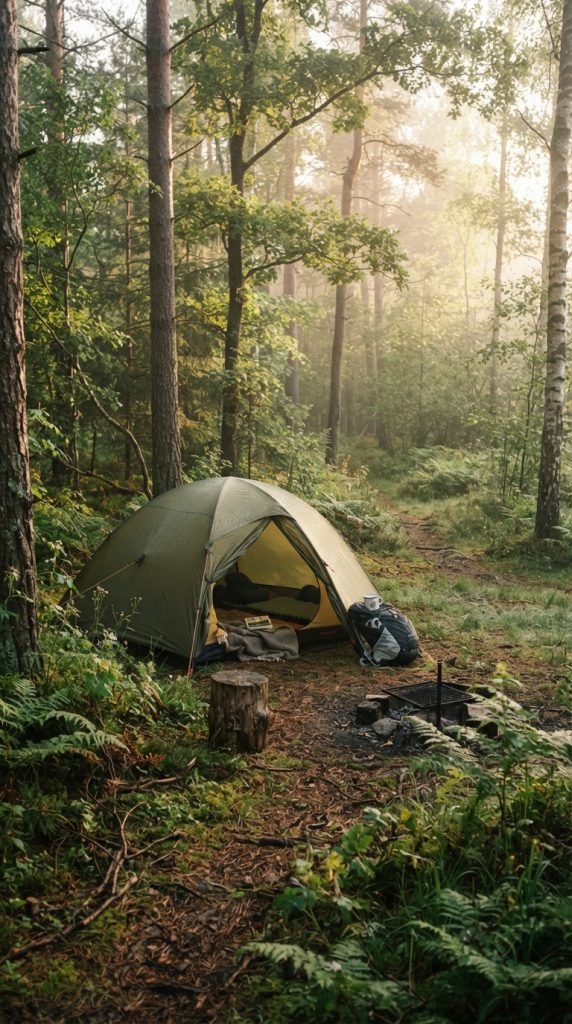
A stress-free camping trip isn’t silent, spotless, or perfectly planned.
It feels like:
- Falling asleep earlier than usual
- Laughing at small mistakes
- Feeling tired in a good way
- Waking up without alarms
Once I stopped trying to “camp like an expert,” I started enjoying it like a human.
11.Final Thoughts
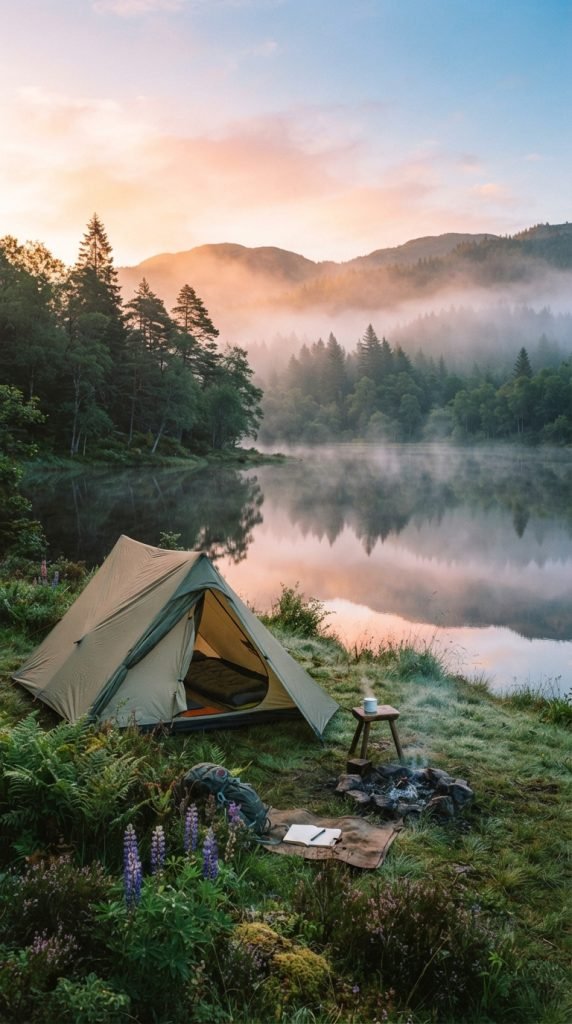
If you’ve never camped before, don’t wait until you feel “ready.” Read a little, prepare the basics, and go.
Your first trip won’t be perfect — and it shouldn’t be. Every calm, stress-free camping experience comes from a few imperfect ones.
Start small. Stay comfortable. Learn as you go.
That’s how real campers are made.