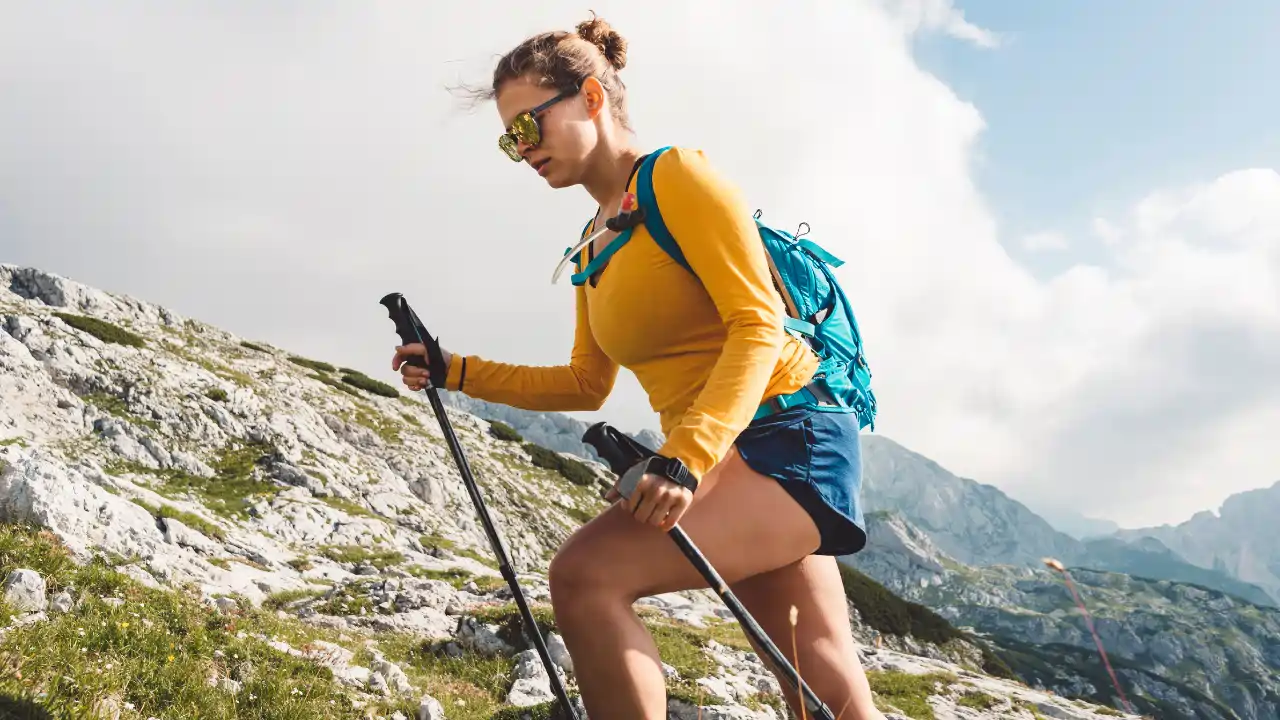
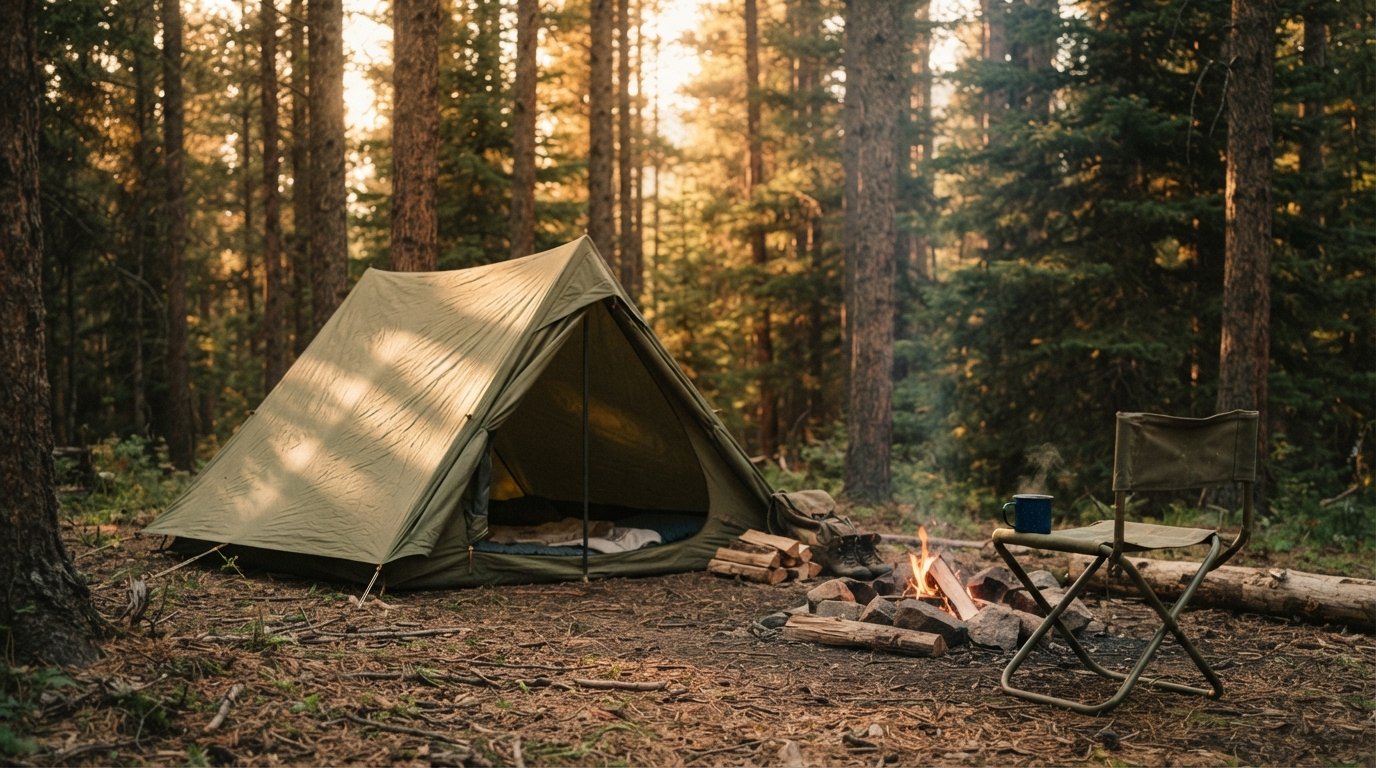
The first time I went camping, I didn’t relax at all. I spent most of the trip fixing small problems — adjusting the tent, worrying about food, checking my phone battery, and wondering if I packed the right things. I remember sitting near the campfire thinking, “People say camping is peaceful… why am I so tense?”It took me a few trips to realize something important: camping doesn’t magically relax you. You have to make small, smart choices that remove stress before it starts.Once I learned a few easy camping tricks — nothing fancy, nothing extreme — camping slowly turned into the calm escape everyone talks about.
Quick Answer
Easy camping tricks help you relax by removing unnecessary pressure. Arriving early, keeping food and gear simple, choosing comfort over “roughing it,” and allowing flexible plans make camping feel calm instead of stressful. When you stop chasing perfection and focus on basic comfort, nature becomes enjoyable, quiet, and mentally refreshing — even for beginners.
These are the same tricks I still use today, especially when I want to unplug, slow down, and actually enjoy being outdoors instead of managing problems.If you’re new to camping or feel overwhelmed when you’re outside, this guide is for you.
In This Post
Stop Trying to Camp Perfectly
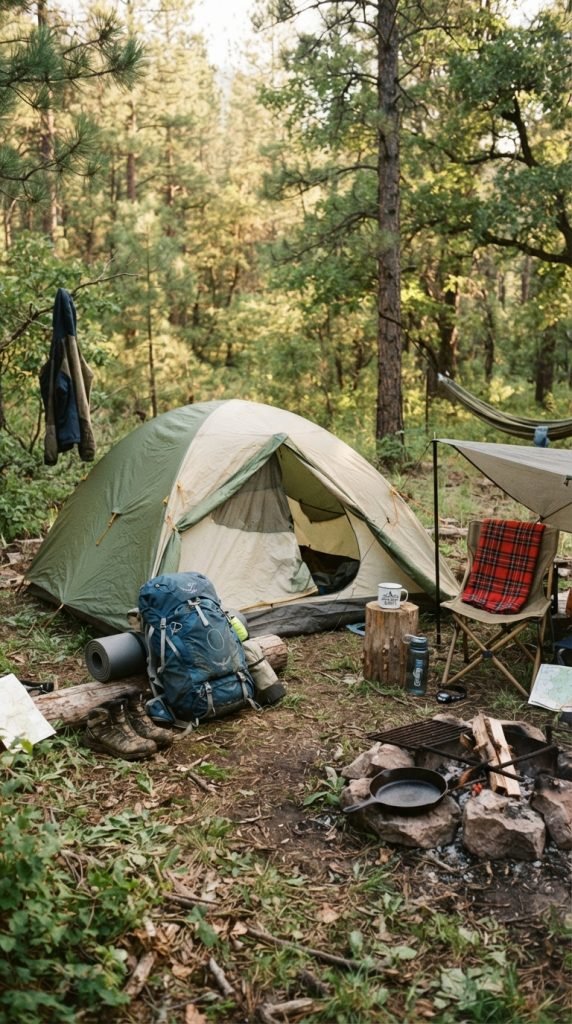
One of the biggest reasons camping feels stressful is the pressure to do it right.Perfect setup. Perfect meals. Perfect schedule.On my early trips, I planned everything down to the hour. Breakfast at 8, hike at 10, sunset photos at 6. The moment something changed — weather, mood, energy — I felt irritated instead of relaxed.The trick that changed everything was simple:I stopped treating camping like a checklist.
Now, I plan only the basics:
- Where I’ll sleep
- What I’ll eat
- How I’ll stay safe
Everything else stays flexible. The less you control, the more relaxed you feel.
Arrive Early (This One Trick Reduces 50% of Stress)
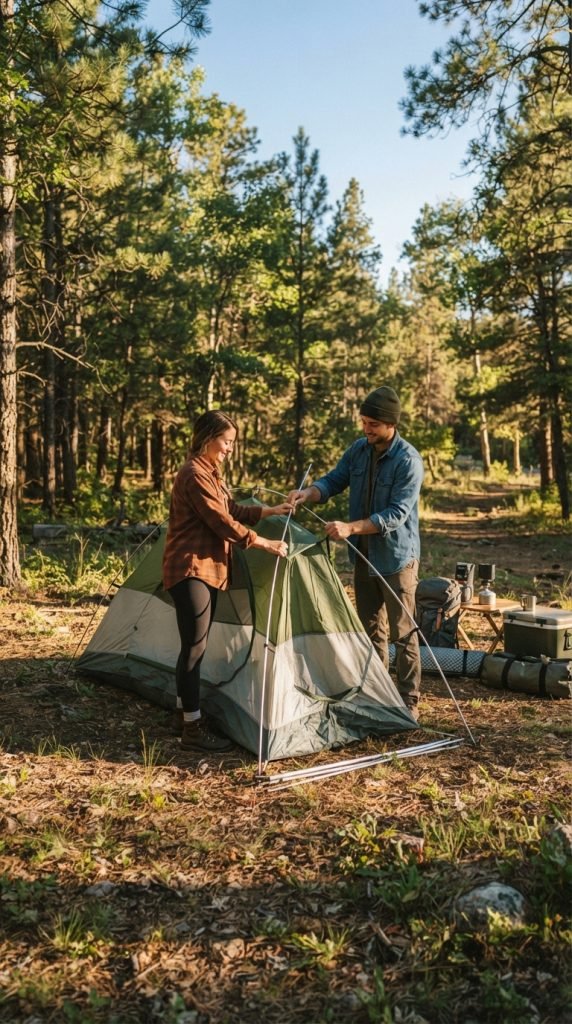
This is one of the easiest camping tricks and also one of the most powerful.Arrive at your campsite before sunset — ideally with at least 2–3 hours of daylight left.
Why it matters
- Setting up a tent in daylight is calm
- You can see the ground clearly
- You don’t rush
- You mentally settle in
I once arrived just before dark and spent the first hour frustrated, tired, and annoyed. That stress carried into the night.Now, arriving early is non-negotiable. It instantly sets a relaxed tone for the whole trip.
Choose Comfort Over Roughing It
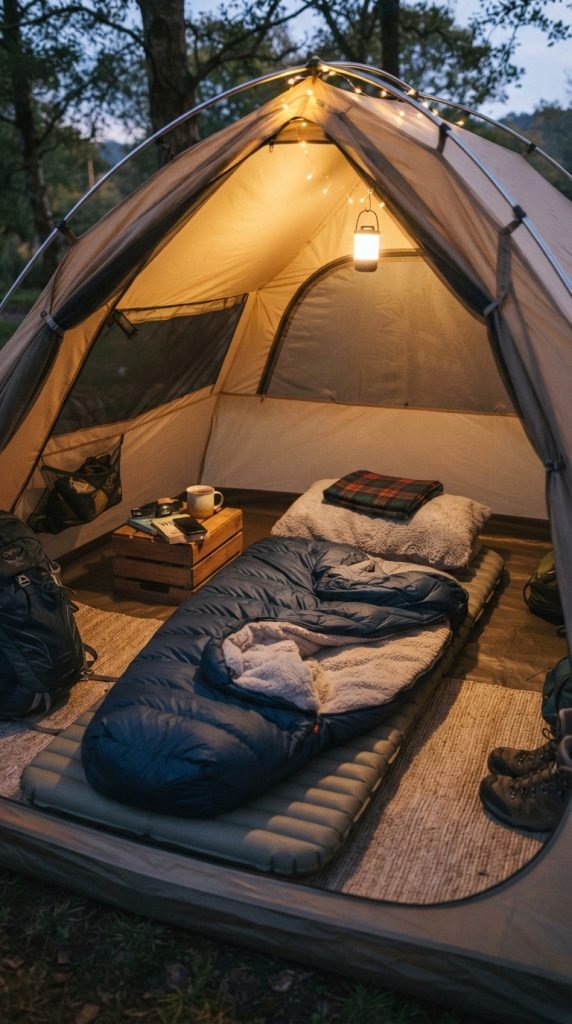
There’s a strange idea that camping has to be uncomfortable to be “real.”I believed that too until I slept poorly, woke up sore, and felt exhausted the next day.Relaxing camping starts with basic comfort:
- A sleeping mat (not optional)
- A sleeping bag suitable for the weather
- A pillow (yes, even a small one)
Once I fixed my sleep setup, my mood during camping changed completely.
Good sleep = calm mornings = enjoyable days.
Keep Food Stupidly Simple
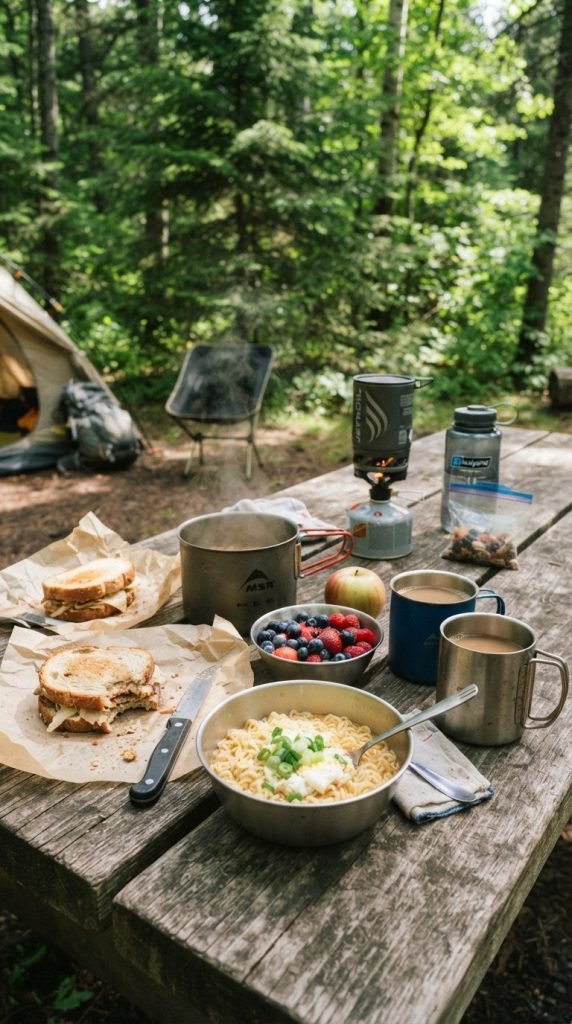
Food is where most camping stress comes from — especially for beginners.I used to plan meals that looked fun on paper but felt exhausting outdoors. Too many steps. Too many dishes. Too much cleanup.Now I follow one rule:If it feels complicated at home, it will feel worse outside.
Easy camping food tricks:
- Pre-cut everything at home
- Bring meals you can eat even if cooking fails
- Repeat meals if needed
Some of my go-to options: - Wraps and sandwiches
- Instant noodles
- Boiled eggs
- Fruit and nuts
When food stops being a challenge, your brain relaxes.
Set Up a “No Rush” Morning
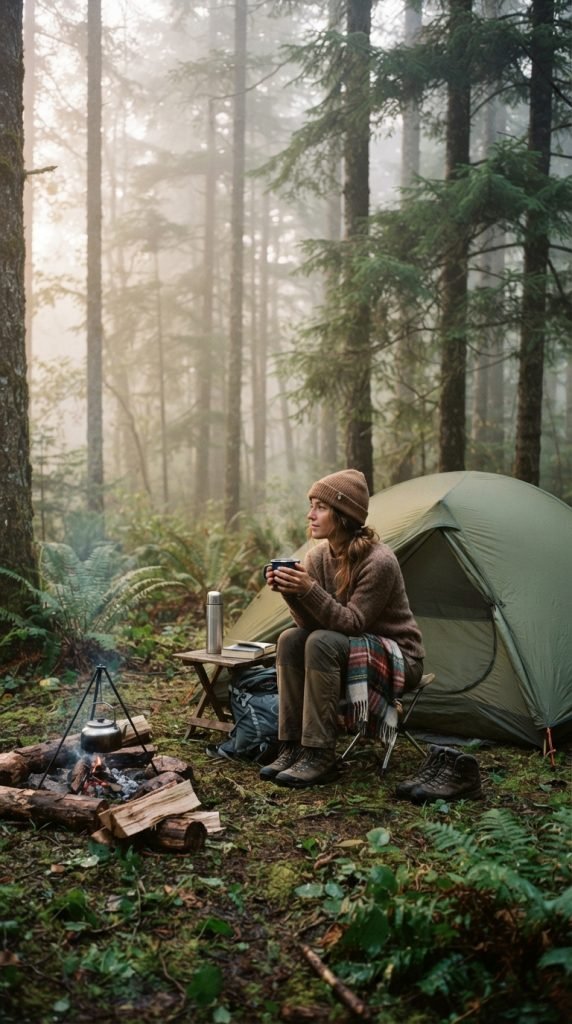
Camping mornings can either feel magical or chaotic. The difference is how you treat them.On relaxed trips, I don’t plan anything early. No alarms. No goals.
Instead:
- I wake up naturally
- Sit quietly for a few minutes
- Make something warm to drink
- Stretch or walk slowly
This small routine tells your body that it’s okay to slow down.Nature feels calmer when you match its pace.
Use Technology Just Don’t Let It Control You
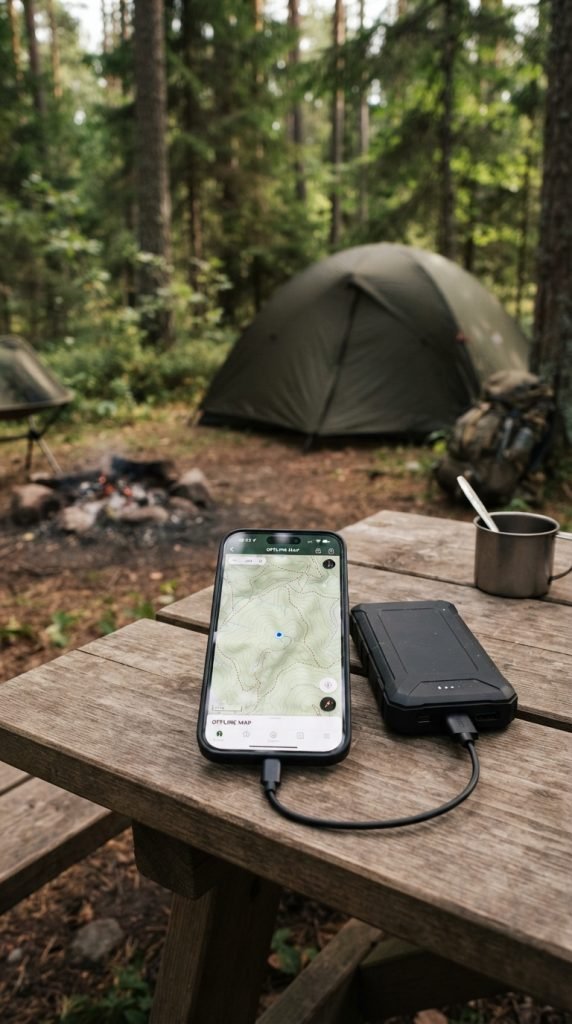
A lot of people think relaxing camping means no phone at all. That sounds nice, but for beginners, it often creates anxiety.I use my phone in support mode, not entertainment mode.
Helpful uses:
- Offline maps (Google Maps or AllTrails)
- Weather updates
- Emergency contact
- Camera
Before the trip: - Download maps
- Save important info offline
- Turn on low-power mode
Knowing your phone is there if needed helps you relax — even if you barely touch it.
Create One Comfort Zone at Your Campsite
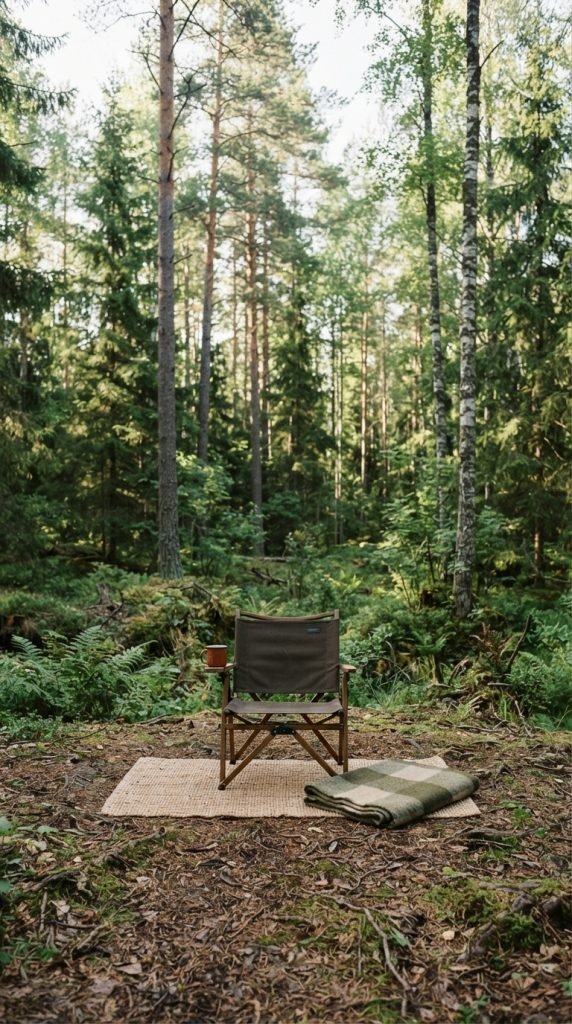
This is a small trick that makes a big emotional difference.
I always create one spot that feels calm:
- A chair facing trees
- A mat near the tent
- A quiet place for sitting
That spot becomes: - My morning coffee place
- My thinking space
- My rest zone
Having a familiar, comfortable area helps your mind settle. You stop feeling like a visitor and start feeling grounded.
Accept That Something Will Go Wrong (And Let It)
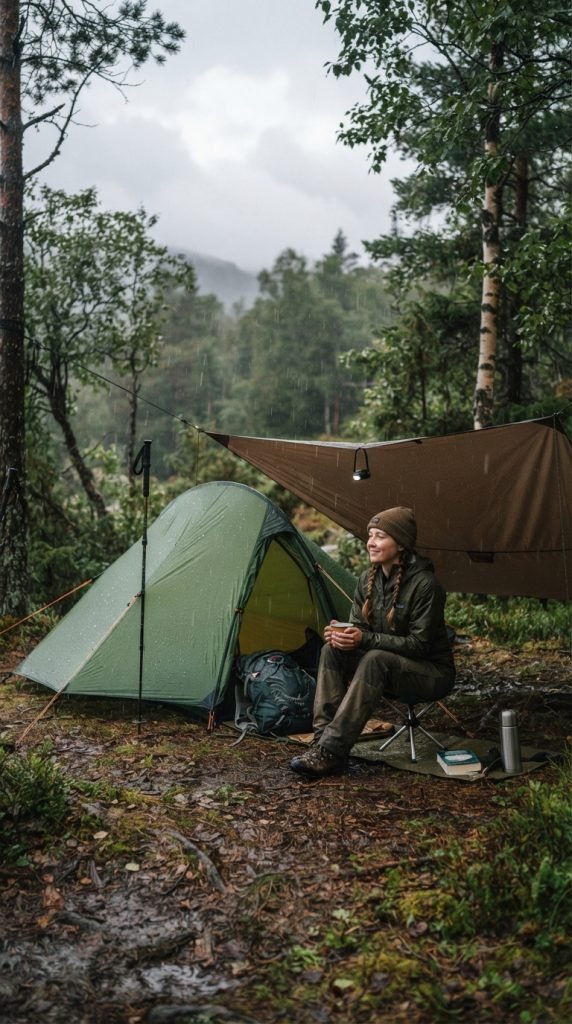
Here’s the truth nobody tells beginners:
Stress-free camping doesn’t mean problem-free campingThings I’ve dealt with:
Forgotten items
- Sudden rain
- Cold nights
- Burnt food
What changed wasn’t the problems it was my reaction.Now when something goes wrong, I pause and ask:“Is this dangerous, or just uncomfortable?”Most of the time, it’s just uncomfortable. And uncomfortable moments often become the stories you laugh about later.
Walk Without a Destination
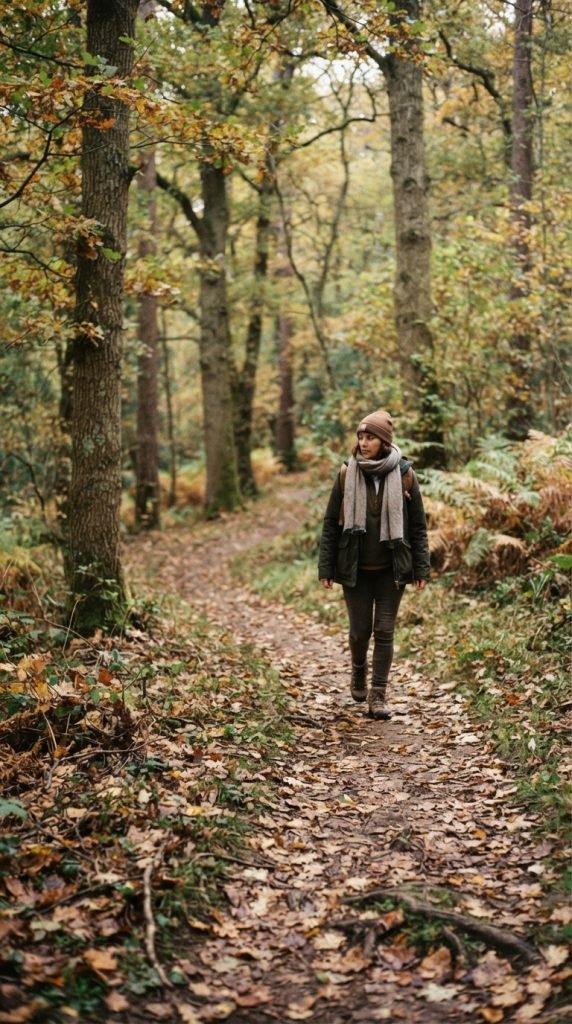
One of the most relaxing camping habits I developed was walking without a goal.
No trail to finish.
No distance to track.
No time limit.
Just walking slowly, noticing sounds, colors, and textures.
These waalk
- Reduce mental noise
- Make you feel present
Some of my best camping moments happened during these quiet, directionless walks.
Don’t Overpack Overpacking Creates Mental Noise
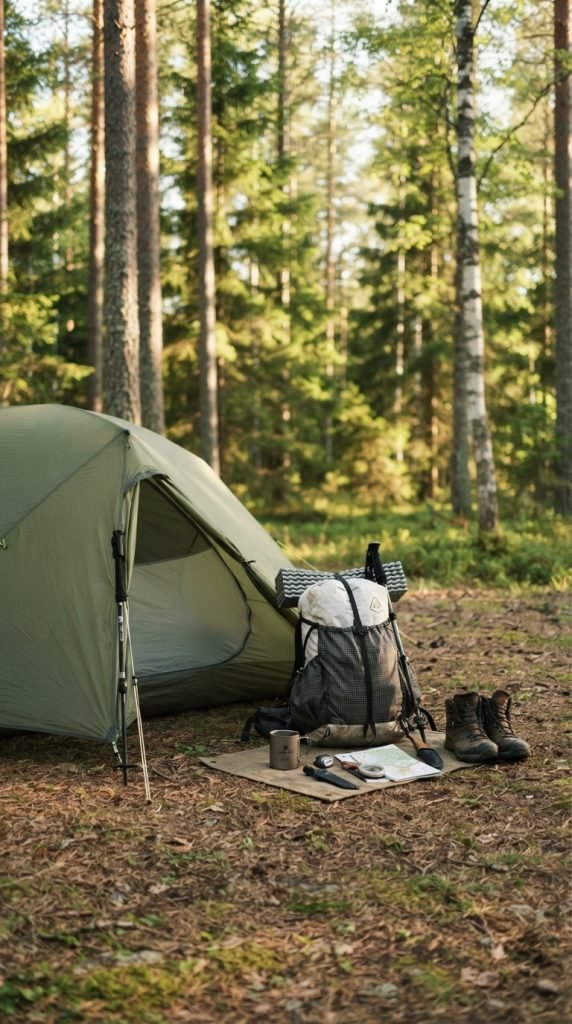
Early on, I packed for every possible situation. The result? Clutter, confusion, and constant decision-making.
Now I pack only what I know I’ll use.
Minimal packing helps because:
- You find things faster
- Your space feels calm
- Your brain has fewer decisions
Less stuff = less stress.
Common Mistakes That Kill Relaxation
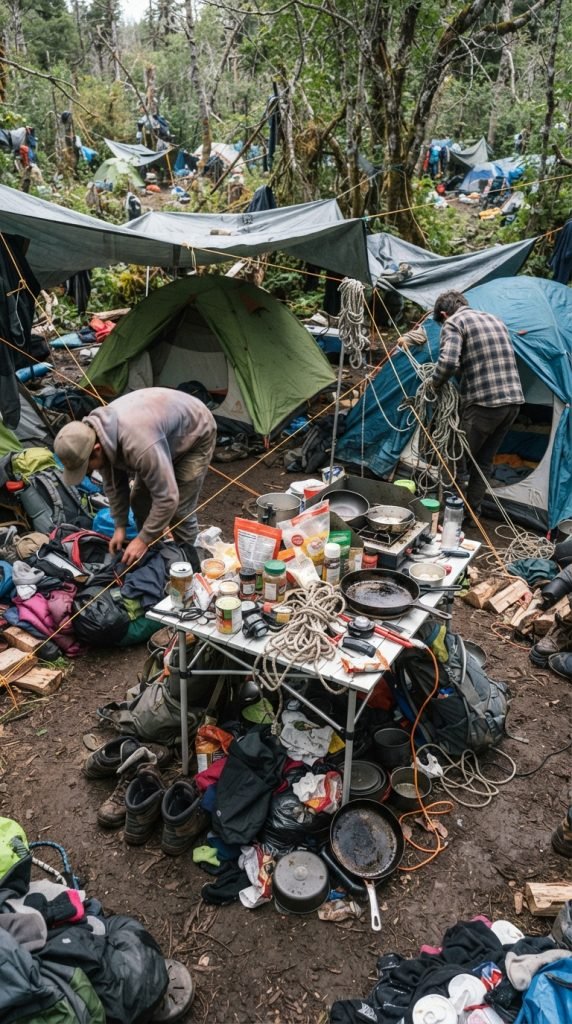
If camping feels stressful, check if you’re doing any of these:
- Trying to follow a strict schedule
- Packing too much gear
- Cooking complicated meals
- Expecting silence and perfection
- Comparing your trip to social media
Relaxation starts when expectations become realistic.
What Relaxing Camping Actually Feels Like
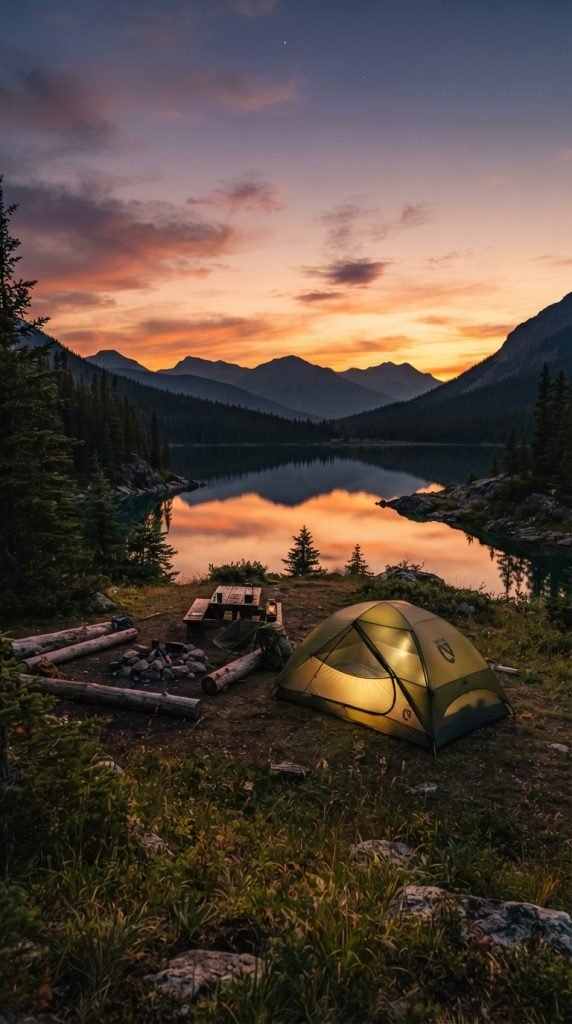
It’s not dramatic. It’s subtle.
Relaxing camping feels like:
- Going to bed earlier than usual
- Waking up without urgency
- Letting time pass without checking it
- Feeling physically tired but mentally calm
Once you experience that feeling, you stop chasing “perfect trips” and start enjoying real ones.
Final Thoughts From Someone Who Learned Slowly
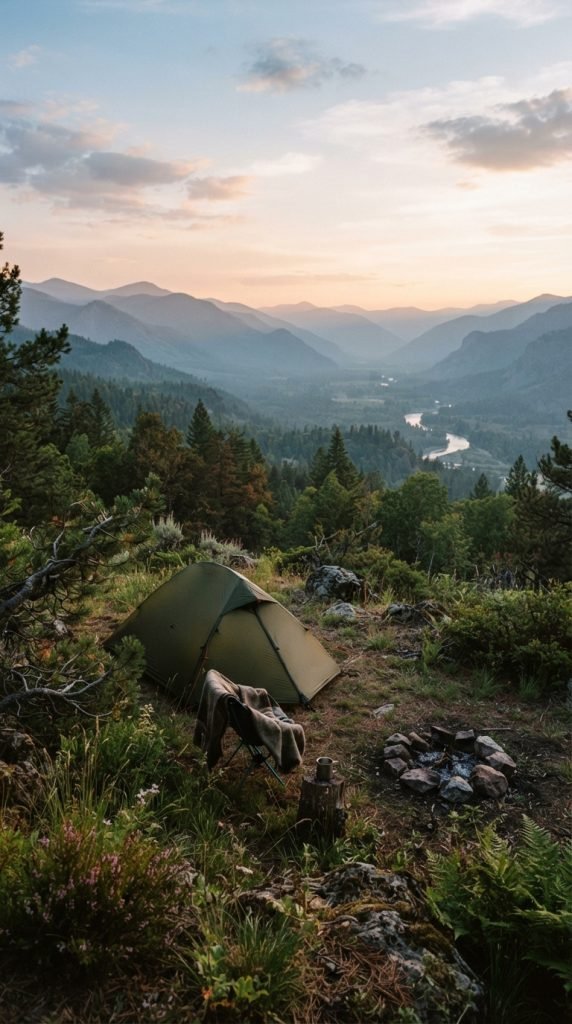
Camping didn’t relax me right away. I had to learn what worked for me.The biggest lesson?
Relaxation comes from simplicity, not skill.You don’t need experience. You don’t need fancy gear. You just need to remove unnecessary pressure.If you take even a few of these easy camping tricks and apply them on your next trip, you’ll notice the difference not in a dramatic way, but in a quiet, steady calm that stays with you even after you return home.And that’s the kind of camping that makes you want to go back again.